
Berries of Alaska
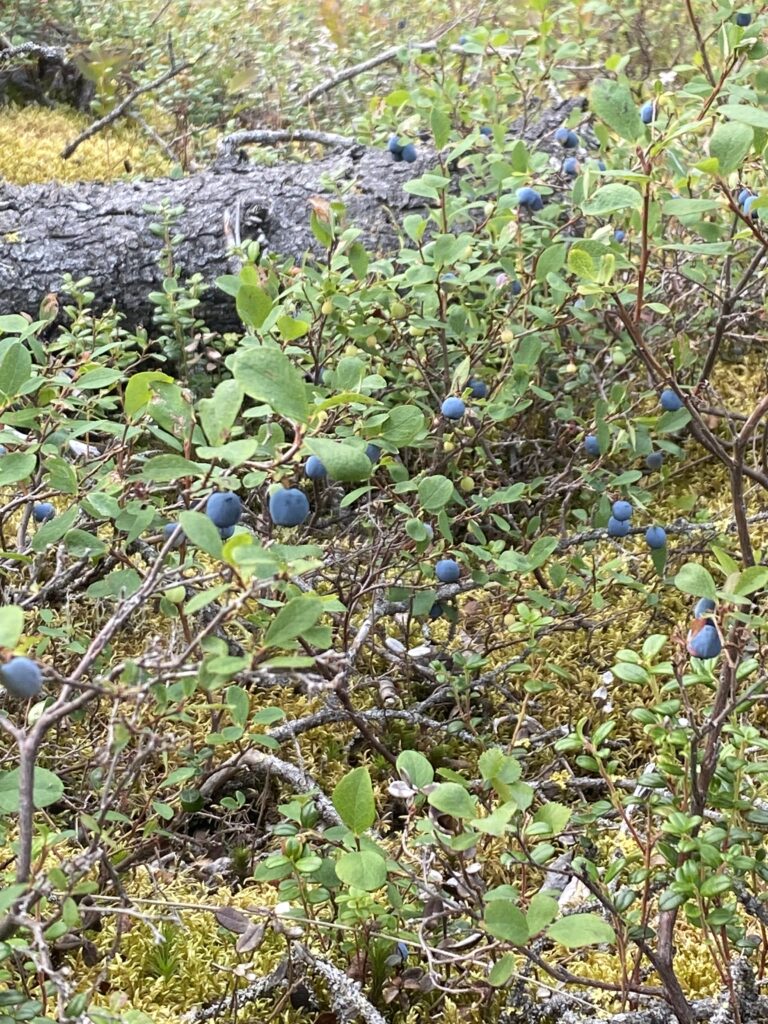
Berries are an important part of Alaska’s landscape, culture, and seasonal rhythm. Across forests, tundra, wetlands, and coastal areas, berry plants thrive during the short summer, producing fruit that has supported people and wildlife for generations.
Alaska’s long daylight hours and cool temperatures create ideal conditions for many berry species. Most berries grow low to the ground and are well adapted to surviving harsh winters. When summer arrives, they grow quickly, ripen fast, and are often abundant for a brief window of time.
From subsistence harvesting to casual berry picking along trails and riverbanks, berries remain a familiar and meaningful part of life in Alaska. This page provides an overview of the major types of berries found across the state, where they grow, and why they matter.
Types of Berries Found in Alaska
Alaska’s berries can be grouped by the environments in which they grow. Soil conditions, moisture, elevation, and temperature all influence which berry species thrive in different regions.
Coastal Berries
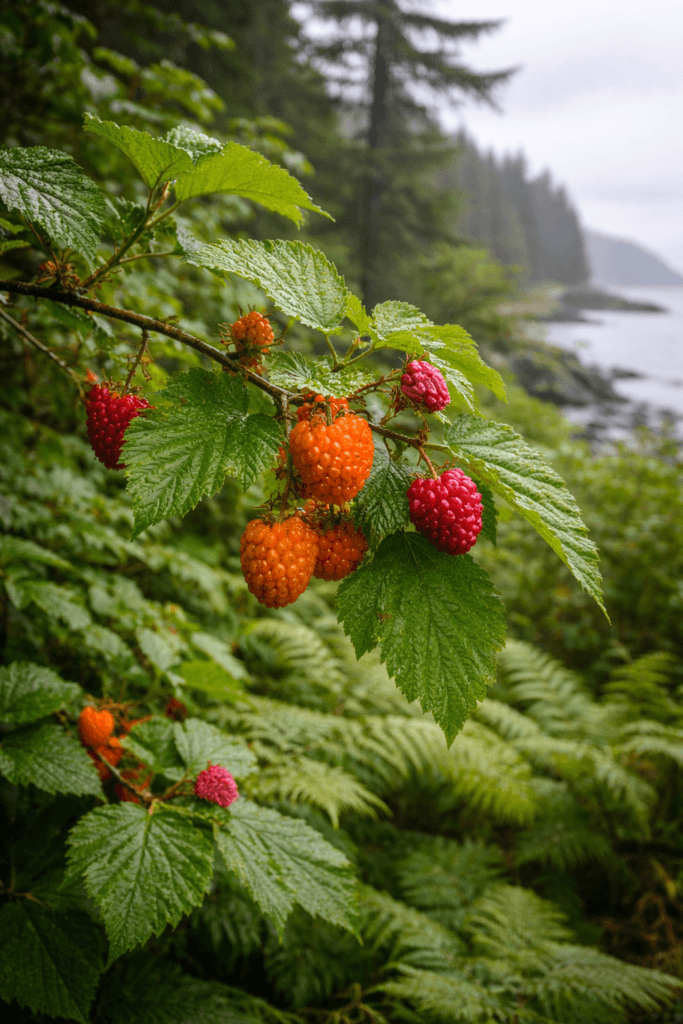
Coastal berries grow in areas influenced by ocean moisture and milder temperatures, particularly in Southeast and Southcentral Alaska. These berries are often found near shorelines, forest edges, and low-elevation coastal terrain.
Examples include Salmonberry, which grows in dense shrubs along coastal forests and streams, and Nagoonberry, a low-growing plant commonly found in coastal meadows.
Boreal Forest Berries
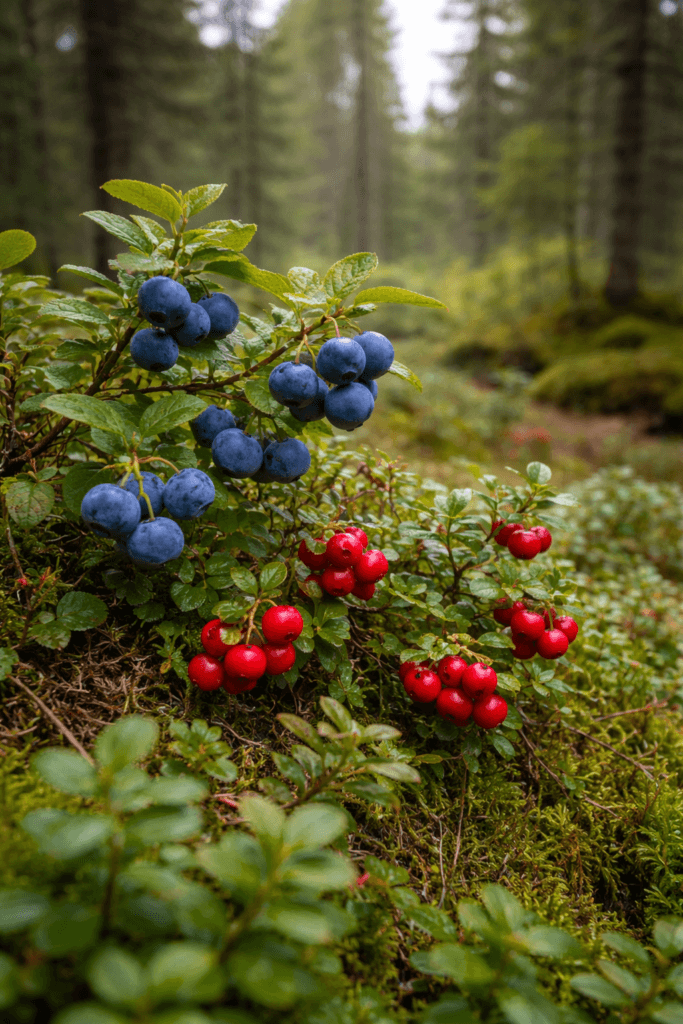
Boreal forest berries grow throughout Interior Alaska beneath and along the edges of spruce and birch forests. These berries are among the most commonly harvested and are well adapted to cooler soils and shorter growing seasons.
Examples include Blueberry, found on forest floors and open slopes, and Lowbush Cranberry, which grows in mossy, shaded forest areas.
Tundra Berries
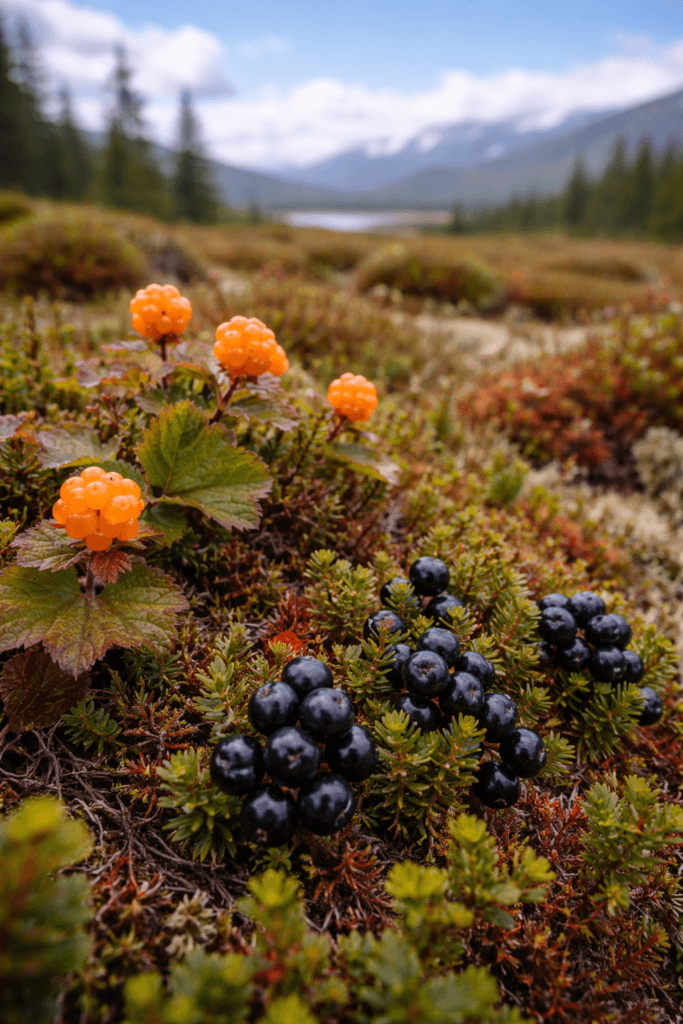
Tundra berries grow in northern Alaska and other areas with permafrost and open, treeless landscapes. These plants are adapted to shallow soils, cold temperatures, and very short summers.
Examples include Cloudberry, which grows in wet tundra and bogs, and Crowberry, a hardy berry commonly found across Arctic and alpine tundra.
Wetland and Bog Berries
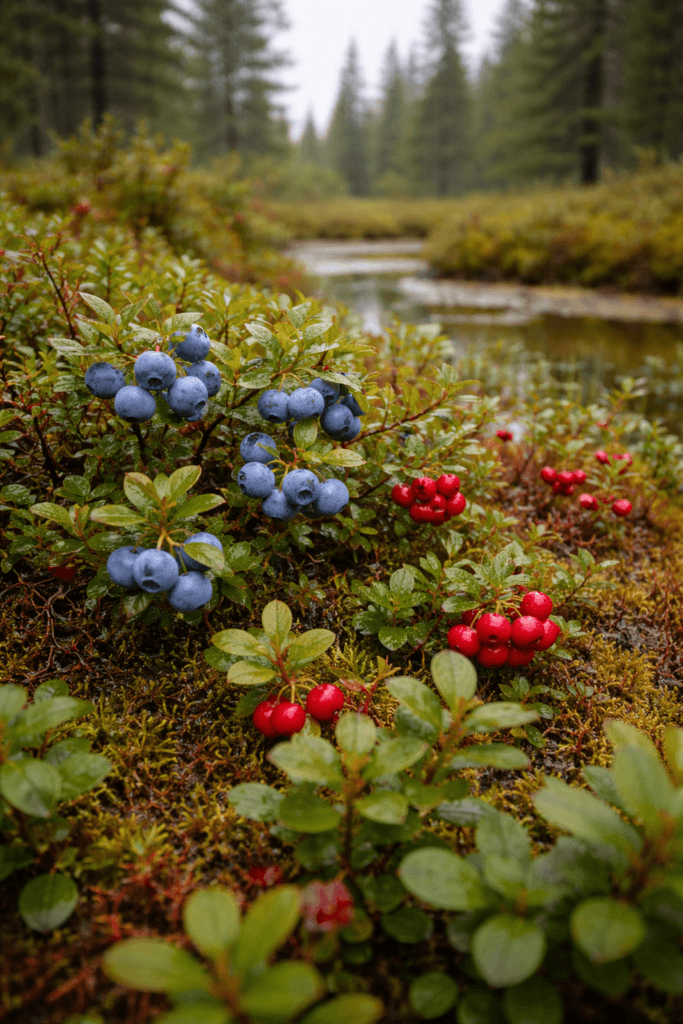
Wetland and bog berries grow in low-lying areas with saturated soils. These berries are often found near ponds, muskeg, and slow-moving water.
Examples include Bog Blueberry, which tolerates wetter ground than other blueberry species, and Lingonberry, which grows in damp, mossy areas and is widely harvested.
Berry ripening in Alaska is closely tied to weather and season. Most berries ripen between mid-summer and early fall, though timing varies by region, elevation, and yearly conditions. Many Alaskans track berry seasons closely, watching for changes in color, bird activity, and plant growth.
Berries play an important role in Alaska’s ecosystems. They provide food for birds, bears, and other wildlife and contribute to plant regeneration across different landscapes. Healthy berry growth often reflects healthy ecosystems.
Beyond ecology, berries hold cultural and practical importance in Alaska. Many are used fresh, preserved, or frozen for winter use, and berry picking remains a common seasonal activity across the state.
Alaska is home to many berry species, some widespread and others limited to specific regions. Some are well known and commonly harvested, while others are less familiar but still important to the landscape.
The following berries serve as starting points for learning more about Alaska’s berry species. Each can be explored in greater detail on its own dedicated page.
Use the list below to explore common berries across Alaska:
Blueberry — Vaccinium spp. — Boreal Forest Berry
Bog Blueberry — Vaccinium uliginosum — Wetland / Bog Berry
Lowbush Cranberry (Lingonberry) — Vaccinium vitis-idaea — Tundra Berry
Highbush Cranberry — Viburnum edule — Coastal Berry
Salmonberry — Rubus spectabilis — Coastal Berry
Cloudberry — Rubus chamaemorus — Tundra Berry
Nagoonberry — Rubus arcticus × stellatus — Coastal Berry
Crowberry — Empetrum nigrum — Tundra Berry
Watermelon Berry — Streptopus amplexifolius — Wetland / Bog Berry
Soapberry (Buffaloberry) — Shepherdia canadensis — Boreal Forest Berry
Thimbleberry — Rubus parviflorus — Coastal Berry
Wild Strawberry — Fragaria virginiana — Boreal Forest Berry
Wild Raspberry — Rubus idaeus — Boreal Forest Berry
Rose Hips — Rosa acicularis — Boreal Forest Berry
Gooseberry — Ribes spp. — Boreal Forest Berry
Currant — Ribes spp. — Boreal Forest Berry
Bearberry — Arctostaphylos uva-ursi — Tundra Berry
Poisonous or Inedible Berries Found in Alaska:
Not all berries found in Alaska are safe to eat. Some closely resemble edible species and can cause illness if consumed. Knowing the difference is important, especially for visitors and new foragers.
Common poisonous or unsafe berries found in Alaska include:
Baneberry — Actaea rubra — Boreal Forest Berry (Toxic)
Twinberry — Lonicera involucrata — Boreal / Wetland Berry (Toxic)
Red Elderberry — Sambucus racemosa — Boreal Forest Berry (Toxic Raw / Conditional)