
Soapberry
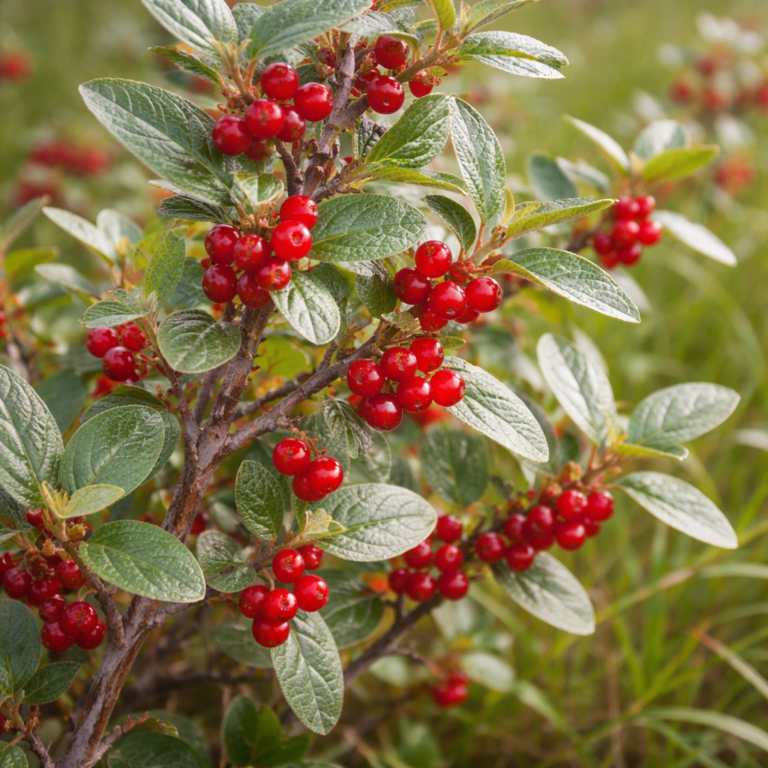
Soapberry in Alaska
Soapberry is a widespread shrub across Alaska, found in open forests, riverbanks, and tundra edges. It produces small, bright red berries that stand out against silvery-green leaves and is well known for its traditional uses and distinctive taste.
What It Is
Soapberry (Shepherdia canadensis) is a deciduous shrub that grows low to medium height, often forming dense patches. It thrives in poor soils and harsh conditions, making it a common sight across much of Alaska.
The plant is easily recognized by its narrow, slightly fuzzy leaves and clusters of translucent red berries that appear in late summer.
Where It Grows
Soapberry grows throughout Interior, Southcentral, and parts of Western Alaska. It is commonly found:
- Along riverbanks and gravel bars
- In open boreal forests
- On hillsides and disturbed ground
- Along tundra edges
It often grows alongside willows, alders, and other hardy shrubs.
Berry Characteristics
The berries are small, soft, and bright red with a slightly translucent appearance. They have a very tart, almost bitter taste when raw.
What makes soapberries unique is their natural saponin content, which creates a foamy texture when whipped.
Edibility & Use
Soapberries are edible but not typically eaten raw due to their strong, bitter flavor. Instead, they are most commonly used in traditional preparations.
One of the most well-known uses is “Eskimo ice cream” (akutaq), where the berries are whipped into a frothy mixture and combined with fats and sometimes fish or berries. The natural saponins create a light, airy texture unlike anything else.
Medicinal & Traditional Use
Soapberry has been used traditionally by Indigenous communities for a variety of purposes:
- Berries used in small amounts for digestion
- Plant used as a mild cleanser due to natural saponins
- Sometimes used in traditional remedies, though typically in controlled ways
Because of the saponin content, large quantities are not recommended for consumption.
Identification Tips
- Silvery-green leaves with a soft texture
- Red, translucent berries growing along stems
- Shrub-like growth, often in clusters
- Berries appear in late summer
It can sometimes be confused with other berry-producing shrubs, but the foaming property is a key identifier.
Why It Matters in Alaska
Soapberry plays an important role in Alaska’s ecosystems:
- Provides food for birds and wildlife
- Stabilizes soil in disturbed areas
- Thrives in harsh climates where other plants struggle
It is also culturally significant and continues to be used in traditional foods today.