
Highbush Cranberries in Alaska
Highbush Cranberries in Alaska
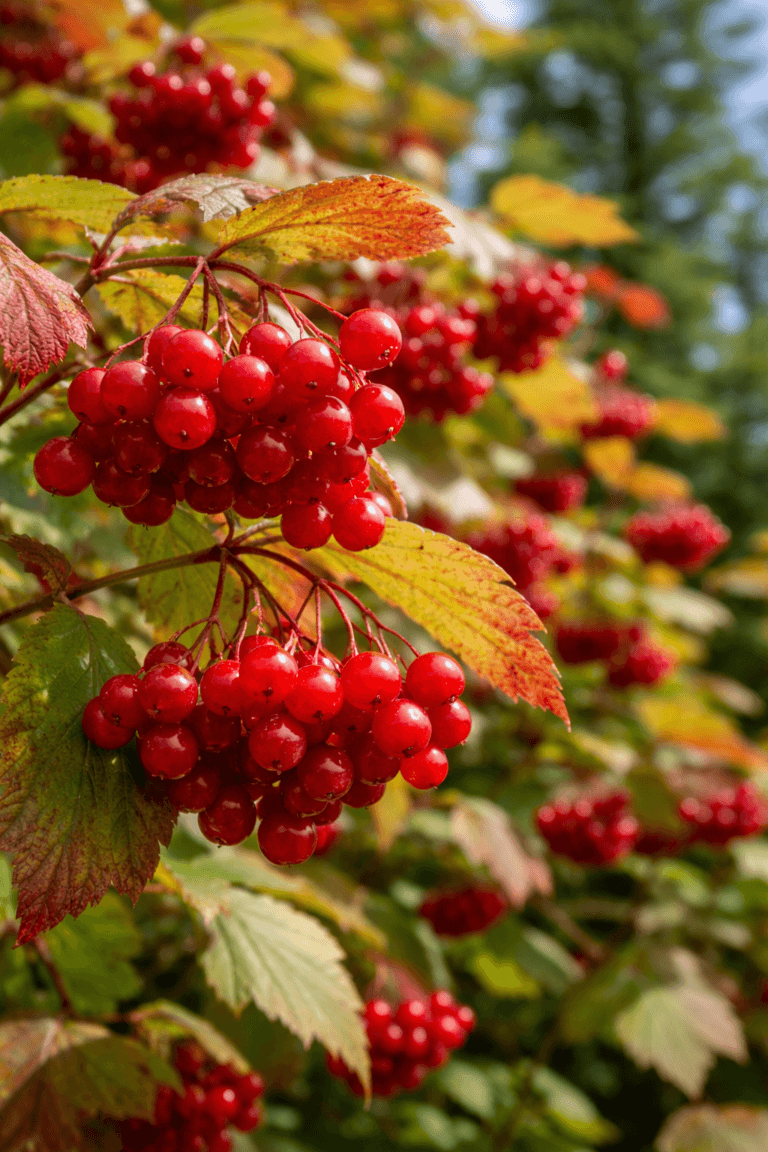
Highbush cranberries are one of Alaska’s most recognizable fall berries. Bright red and slightly translucent, they hang in heavy clusters and stand out against yellowing leaves in late summer and early fall. Despite the name, they are not true cranberries. They grow on shrubs, not low ground vines, and they have a distinct tart flavor that works especially well in cooked dishes.
If you’ve walked a trail in September and seen red berry clusters glowing against the brush, you’ve probably seen them.
Where Highbush Cranberries Grow
Highbush cranberries are commonly found in:
• Interior Alaska
• Southcentral Alaska
• Forest edges
• Riverbanks
• Disturbed or open areas
They prefer well-drained soil and plenty of light. You’ll often find them along trails, near clearings, or on the edges of wooded areas.
Harvest season typically runs from late August through September.
Identifying Highbush Cranberries
You can identify them by:
• Bright red berry clusters
• Maple-shaped leaves
• Woody shrub growth
• Berries that remain firm and glossy
The berries are tart and slightly bitter when raw. Many people wait until after the first frost to harvest, which can slightly mellow the flavor.
Edible Uses
Highbush cranberries are rarely eaten plain. Their strength is in cooking.
They are commonly used for:
• Cranberry-style sauces
• Syrups
• Jelly
• Baked goods
• Mixed into wild game dishes
They pair especially well with moose, caribou, and other rich meats.
Because of their strong flavor, a good strainer or food mill can make separating seeds and skins easier when making syrup or sauce. This is one of those berries that really shines once it’s been worked into something.
This page will eventually connect to full highbush cranberry recipes in the Alaska Recipes section.
Herbal & Traditional Uses
Highbush cranberries have also been used beyond the kitchen, especially in traditional and practical settings across Alaska.
• The bark has historically been used in herbal preparations, particularly for its calming and muscle-relaxing properties
• Teas made from the bark were sometimes used to help with cramps or tension
• The berries contain natural antioxidants and vitamin C, making them a useful seasonal food
They are not a primary medicinal plant compared to others in Alaska, but they still hold a place in traditional knowledge and natural-use practices.
A Fall Alaska Staple
Highbush cranberries are part of the late-season rhythm in Alaska. They’re often one of the last bright colors before winter sets in.
They store well when frozen and have long been used in both traditional and modern kitchens across the state