
Bog Blueberries in Alaska
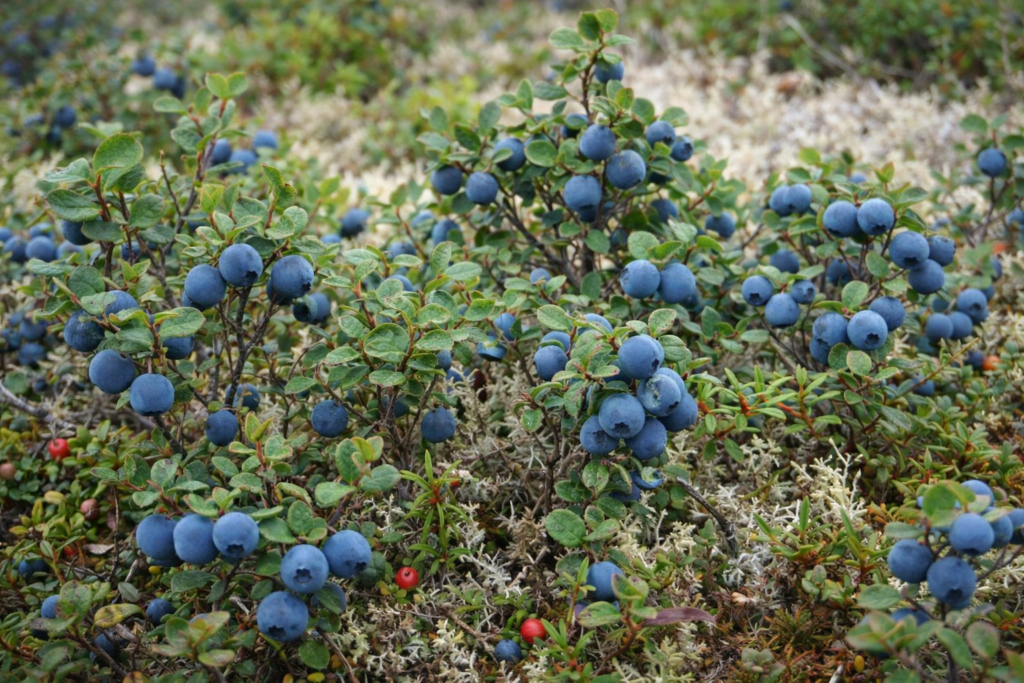
Bog Blueberry in Alaska
Bog blueberry is a real and widely found berry species in Alaska.
Unlike the vague term “bog berry,” this refers specifically to a low-growing blueberry that thrives in wet, cold environments. It’s one of the most common berries across tundra, boreal forest edges, and open, mossy ground.
These aren’t tall, bushy plants like store-bought blueberries. Bog blueberries grow on low shrubs, often blending into surrounding vegetation and staying close to the ground.
You won’t spot them from far away. You find them by slowing down and looking closely — clusters of dusty blue berries tucked into low greenery.
Where It Grows
Bog blueberries prefer:
• Wet tundra
• Mossy ground
• Open forest edges
• Peat-heavy soils
• Permafrost regions
They grow across Interior Alaska, Arctic regions, and parts of coastal Alaska.
If the ground feels damp or slightly spongy and the vegetation stays low and spread out, you’re likely in the right place. These plants are usually under a foot tall and grow in small patches rather than large, obvious bushes.
When to Notice It
Mid to late summer.
Bog blueberries typically ripen between July and August, depending on location and elevation.
You’ll usually notice:
• Small blue berries with a dusty, pale coating
• Low green shrubs
• Berries growing in small clusters or scattered individually
They often ripen alongside other tundra berries, making mixed picking common.
How to Identify It
Look for:
• Low-growing shrub
• Soft, blue berries with a frosted appearance
• Thin skin
• Mild, slightly sweet flavor
• Small oval leaves
Compared to other blueberries, bog blueberries are usually lighter in color and less intensely flavored.
Common look-alikes include:
• Crowberry (darker, almost black, less sweet)
• Blueberries from taller bushes (different species, more robust growth)
Always confirm what you’re picking. Even familiar-looking berries can vary depending on location.
If you’re serious about foraging, a reliable Alaska plant field guide is worth carrying. Guessing in the tundra is not a strategy.
Bog Blueberry vs. Regular Blueberry
Bog blueberries are different from the blueberries most people are familiar with.
Regular blueberries (like those found in stores or on taller wild bushes) tend to:
• Grow on taller, more upright shrubs
• Be darker blue with thicker skin
• Have a stronger, sweeter flavor
• Produce larger, juicier berries
Bog blueberries, by comparison:
• Grow low to the ground on small shrubs
• Are lighter blue with a dusty coating
• Have thinner skin
• Taste milder and less sweet
• Are often smaller and more delicate
In Alaska, both types can be found depending on the region, and many people pick and use them together.
Is It Edible?
Yes — bog blueberries are edible and widely picked across Alaska.
They are milder and less sweet than some other blueberry species but still good fresh or prepared.
How People Use Them
Bog blueberries are commonly used for:
• Jam
• Muffins and baked goods
• Pancakes
• Syrup
• Mixed berry recipes
They’re often combined with sweeter berries like blueberries or salmonberries to balance flavor.
They can be eaten fresh, but many people prefer them cooked or sweetened.
They also freeze well and are commonly stored for winter use.
When harvesting, hand-picking works best since the berries are delicate and grow on small shrubs.
Why It Matters in Alaska
Bog blueberries are part of Alaska’s late summer rhythm.
They grow in quiet, often overlooked places — low, damp ground where the landscape doesn’t immediately look productive. But once you learn to spot them, they’re everywhere.
They’re not the flashiest berry, but they’re reliable, widespread, and part of what makes Alaska’s wild food landscape so rich.