
Gooseberry in Alaska
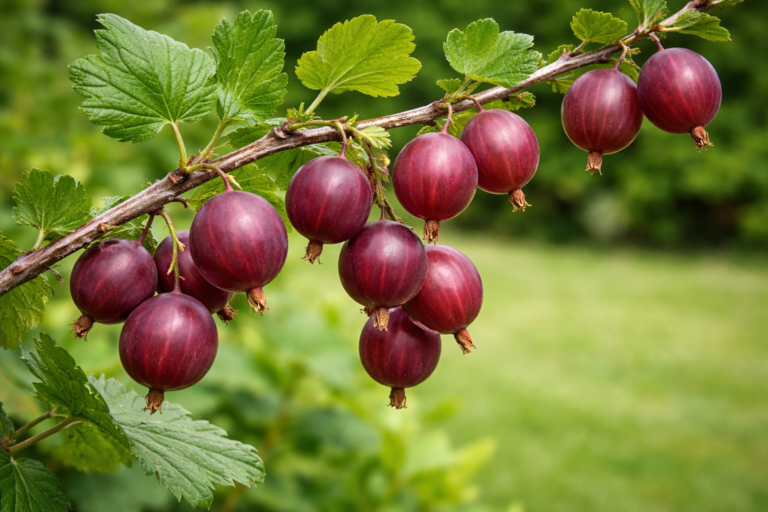
Gooseberries in Alaska
Gooseberries are small, round berries found on thorny shrubs across parts of Alaska. They can vary in color from green to red or purple and are known for their tart flavor. While some varieties are edible, others can be unpleasant or confusing to identify, making proper recognition important.
What It Is
Gooseberries (Ribes spp.) are deciduous shrubs that produce small, translucent berries.
They are part of the currant family and grow on plants that often have thorns.
Where It Grows
Gooseberries are commonly found in:
Interior Alaska forests
Southcentral Alaska woodlands
Forest edges and open clearings
Riverbanks and moist areas
Disturbed soils and brushy landscapes
They prefer cooler environments with partial sunlight.
Plant Characteristics
Gooseberries grow as low to medium-sized shrubs, typically reaching 2 to 5 feet in height.
Key features include:
Round berries that may be green, red, or purple
Translucent skin with visible veins
Sharp thorns along stems
Lobed leaves similar to currants
Compact, bushy growth pattern
The presence of thorns is one of the easiest ways to distinguish them.
Flowers & Seasonal Changes
Gooseberries bloom in late spring with small, inconspicuous flowers.
By mid to late summer, the berries develop and ripen.
Color can vary depending on species and ripeness.
Toxicity & Danger
Most gooseberries in Alaska are not toxic and can be eaten when properly identified and ripe.
However, risks include:
Consuming unripe berries, which are very sour and hard on digestion
Confusion with other similar shrubs
Thorns causing injury while harvesting
They are generally safe but require caution.
Why It’s Dangerous
Gooseberries can be risky because:
They grow alongside similar-looking plants
Thorns can make harvesting difficult
Unripe berries are unpleasant and may cause stomach discomfort
People may confuse them with currants or other species
The main concern is identification and handling.
Medicinal & Historical Notes
Gooseberries have been used as a food source in various regions.
They are often used in jams, jellies, and desserts due to their tart flavor.
They are not commonly used medicinally in Alaska.
Identification Tips
Round berries with slightly translucent skin
Visible vein-like patterns on the fruit
Thorny stems
Lobed leaves similar to currants
Shrub growing in clusters or patches
The combination of thorns and veined berries helps identify them.
Why It Matters in Alaska
Gooseberries are important to recognize because:
They are a potential wild food source
They grow in commonly explored areas
They can be confused with other berry-producing shrubs
They require careful handling due to thorns
Understanding plants like gooseberries helps improve safe foraging and plant identification skills.