
Volcanos of Alaska
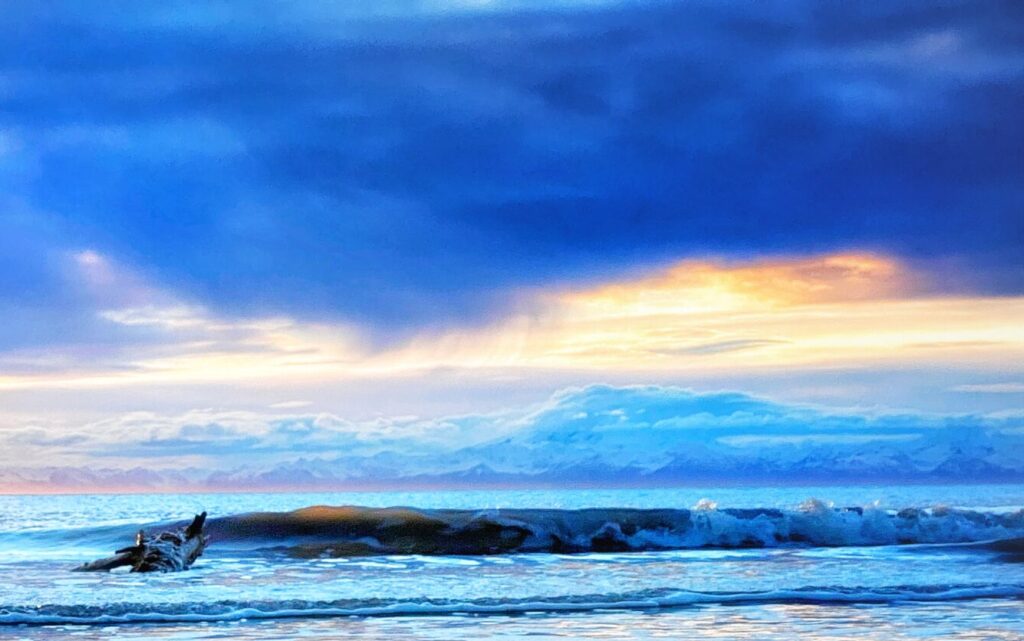
Alaska is one of the most volcanically active regions on Earth. Stretching along the edge of the Pacific Ring of Fire, the state contains more than half of all active volcanoes in the United States and a significant portion of the world’s active volcanic systems.
Most of Alaska’s volcanoes formed where tectonic plates collide. As the Pacific Plate is forced beneath the North American Plate, molten rock rises toward the surface, creating long chains of volcanoes that continue to shape the landscape today. Some of these volcanoes erupt frequently, while others have remained quiet for centuries.
Volcanoes influence Alaska’s mountains, coastlines, ecosystems, and even air travel. They create new land, enrich soils, alter river systems, and remind residents and researchers alike that Alaska’s landscape is still very much alive.
This page provides an overview of the types of volcanoes found in Alaska, where they are located, and why they matter.
Types of Volcanoes Found in Alaska
Alaska’s volcanoes vary in size, shape, and behavior depending on how they formed and where they are located.
Stratovolcanoes
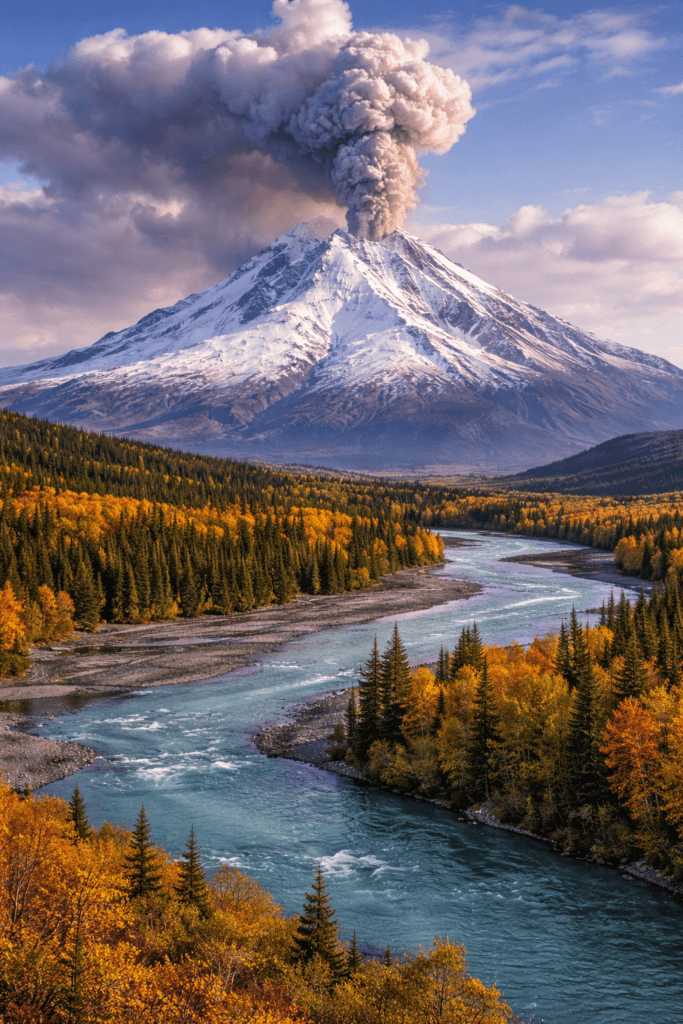
Stratovolcanoes are the most common volcano type in Alaska. These steep, cone-shaped mountains are built from layers of lava, ash, and volcanic debris over many eruptions. They are often explosive and closely monitored.
Examples include Mount Redoubt, which has erupted multiple times in recent history, and Mount Spurr, located near Anchorage.
Shield Volcanoes
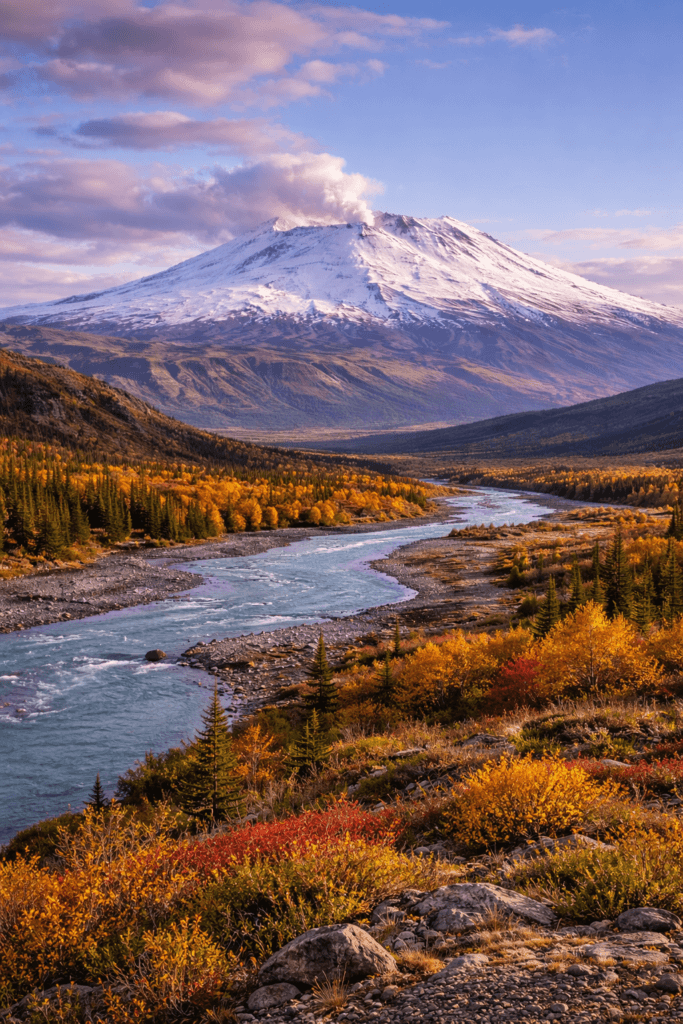
Shield volcanoes form from fluid lava flows that spread outward over large areas, creating broad, gently sloping mountains. These volcanoes tend to erupt less explosively but can cover vast regions with lava.
Examples include Mount Wrangell, one of the largest volcanoes in Alaska by area.
Volcanic Calderas
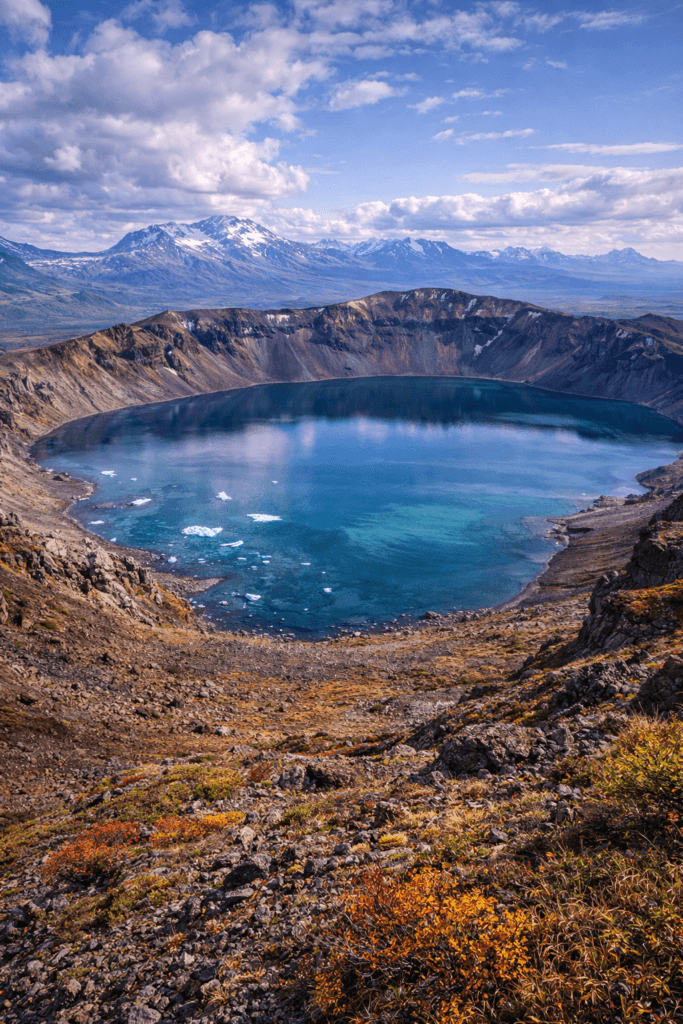
Calderas form when a volcano collapses inward after a massive eruption empties its magma chamber. These features often leave behind large depressions that may later fill with lakes.
Examples include Aniakchak Caldera, one of the most dramatic volcanic landscapes in the state.
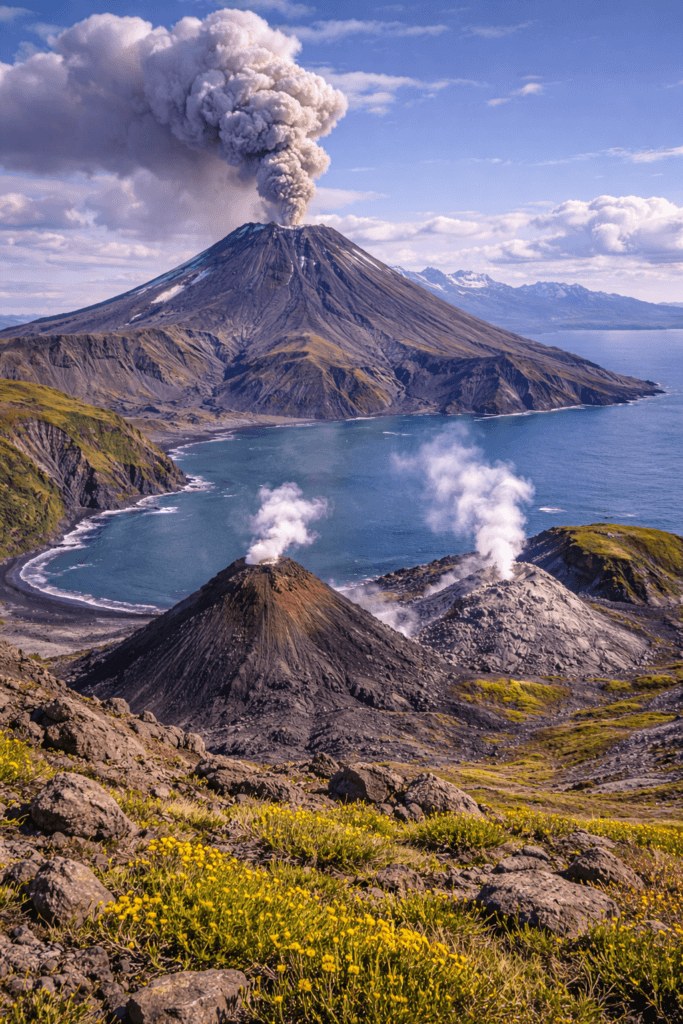
Volcanic Cones and Domes
Smaller volcanic cones and lava domes form from localized eruptions and may appear as isolated peaks or clusters near larger volcanoes. These features often mark ongoing volcanic activity beneath the surface.
Many of these are found throughout the Aleutian Islands and Alaska Peninsula.
Most of Alaska’s volcanoes are concentrated along the southern coast, the Alaska Peninsula, and the Aleutian Islands. This arc of volcanic activity stretches for thousands of miles and represents one of the most active volcanic zones on the planet.
Volcanoes affect Alaska in many ways. Ash clouds can disrupt air travel, eruptions can alter nearby ecosystems, and volcanic heat influences glaciers, rivers, and geothermal systems. At the same time, volcanic soils support plant life and long-term ecological recovery.
Volcanoes have also played a role in Alaska’s cultural and scientific history. Indigenous communities have long observed and adapted to volcanic landscapes, while modern researchers monitor activity to better understand Earth’s internal processes.
Some volcanoes are easily visible from roads or communities, while others lie deep within remote wilderness areas, accessible only by air or sea.
The following volcanoes serve as starting points for learning more about Alaska’s volcanic landscape. Each can be explored in greater detail on its own dedicated page.
Check out some of Alaska’s Volcanos Below:
Mount Redoubt — Stratovolcano
Mount Spurr — Stratovolcano
Mount Iliamna — Stratovolcano
Augustine Volcano — Stratovolcano
Mount Wrangell — Shield Volcano
Mount Katmai — Stratovolcano
Novarupta — Lava Dome (within a volcanic field)
Aniakchak Caldera — Caldera
Shishaldin Volcano — Stratovolcano
Pavlof Volcano — Stratovolcano
Great Sitkin Volcano — Stratovolcano
The Alaska Volcanic Arc – Subduction System