
Herbal Plants of Alaska
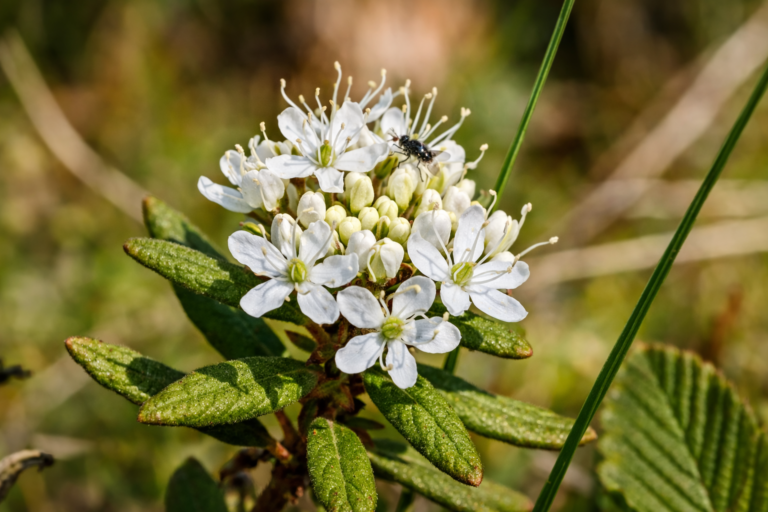
Alaska is home to a wide range of wild plants that have been used for generations as teas, remedies, and natural treatments.
Many of these plants are found growing in forests, tundra, wetlands, and along riverbanks. Some are well known, while others are easy to overlook unless you know what to look for.
Herbal plants in Alaska are often used for simple, everyday purposes — soothing teas, mild remedies, and traditional uses that have been passed down over time.
Where Herbal Plants Grow
Herbal plants grow across all regions of Alaska, including:
• Boreal forests
• Coastal rainforest environments
• Tundra and alpine zones
• Riverbanks and wetlands
• Open meadows and disturbed ground
Some plants thrive in cold, dry interior regions, while others prefer damp coastal environments.
Types of Herbal Plants in Alaska
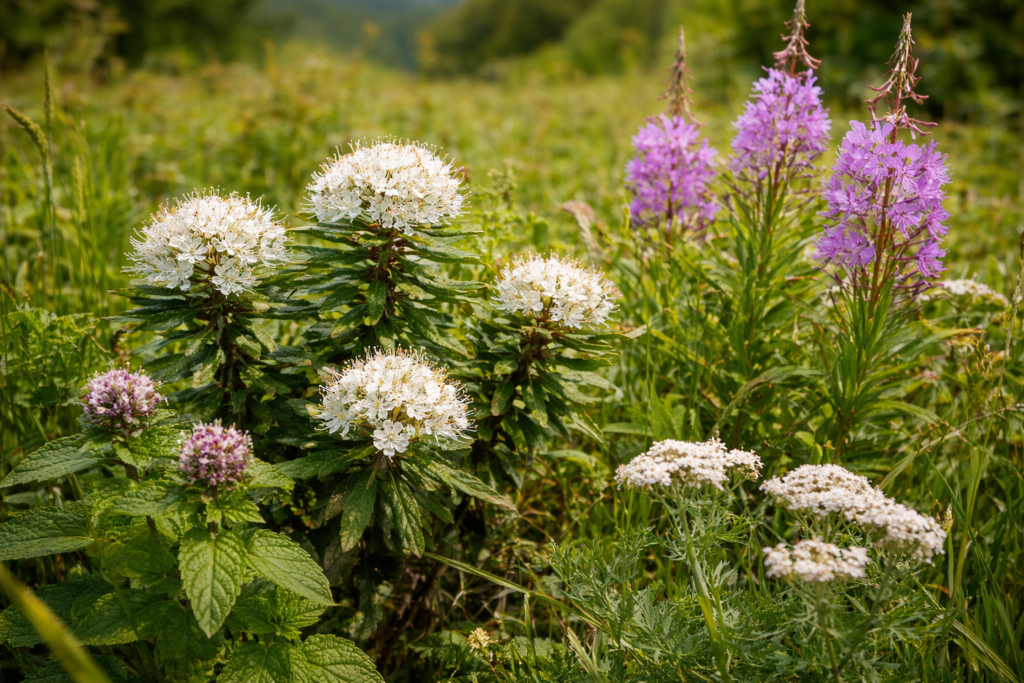
Tea & Soothing Plants
These are some of the most commonly used herbal plants in Alaska, often brewed into teas.
Examples include:
• Labrador Tea
• Yarrow
• Wild Mint
• Fireweed
These plants are typically used for mild support — calming, digestion, or general wellness.
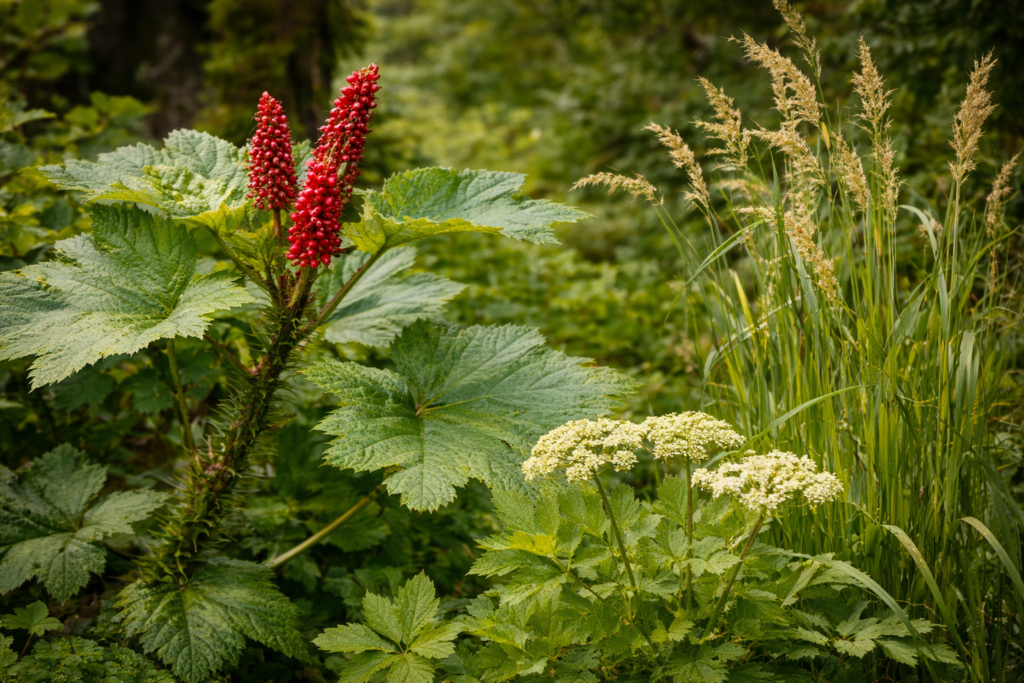
Traditional & Cultural Use Plants
Many plants have long histories of use by Alaska Native communities.
Examples include:
• Devil’s Club
• Northern Sweetgrass
• Alaska Lovage
These plants are often used in ways that go beyond simple tea, including traditional preparations and cultural practices.
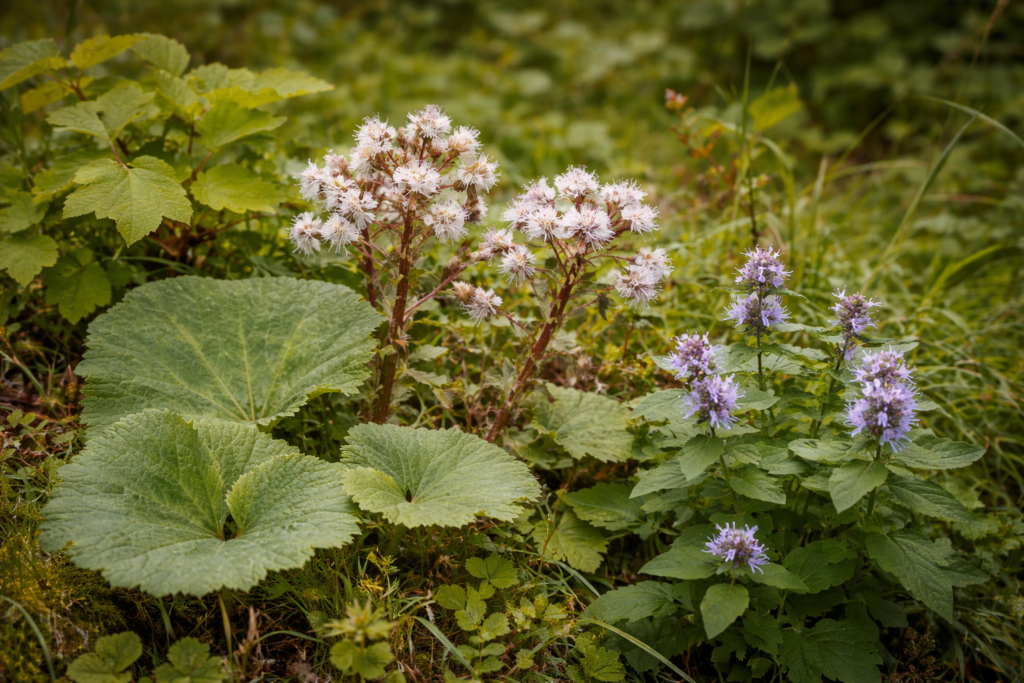
Everyday Use Plants
Some herbal plants are used in simple, practical ways.
Examples include:
• Coltsfoot
• Highbush Cranberry Leaves
• Wild herbs found in open areas
These plants are often used fresh or dried depending on the season.
Why These Plants Matter
Herbal plants are part of daily life in Alaska, especially in areas where people spend time outdoors.
You’ll often find them:
• Along hiking trails
• Near campsites
• Around lakes and rivers
• In berry patches and open fields
They grow right alongside other plants, which makes learning to recognize them useful over time.
Using Herbal Plants Safely
Even though these plants are considered useful, it’s important to approach them carefully.
• Only use plants you can confidently identify
• Start small when trying something new
• Be aware that some plants have lookalikes
• Not all plants are safe for everyone
• When in doubt, don’t use it
Natural does not always mean harmless.
Explore Herbal Plants of Alaska
Below are some of the most common herbal plants found across Alaska. Each one includes where it grows, how to identify it, and how it has traditionally been used.
Labrador Tea — Rhododendron groenlandicum — Evergreen Shrub
Yarrow — Achillea millefolium — Herbaceous Perennial
Devil’s Club — Oplopanax horridus — Woody Shrub
Cow Parsnip — Heracleum maximum — Herbaceous Perennial
Wild Mint — Mentha arvensis — Herbaceous Perennial
Arctic Sweet Coltsfoot — Petasites frigidus — Herbaceous Perennial
Northern Sweetgrass — Hierochloe odorata — Perennial Grass
Fireweed — Chamerion angustifolium — Herbaceous Perennial
Alaska Lovage — Ligusticum scoticum — Herbaceous Perennial
Highbush Cranberry Leaves — Viburnum edule — Deciduous Shrub