
Alaska Lovage
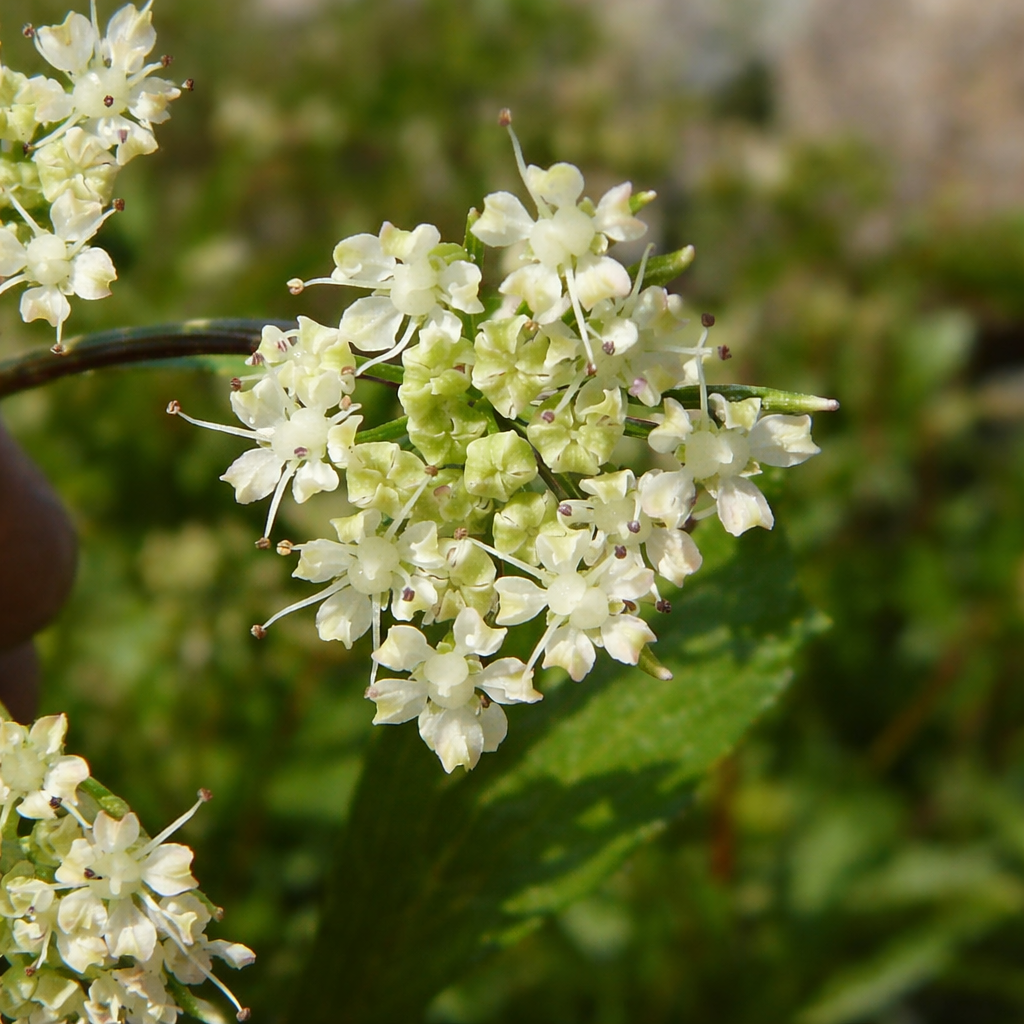
Alaska Lovage in Alaska
Alaska Lovage is a hardy coastal plant found along Alaska’s shorelines. Known for its strong, celery-like flavor, it has been used traditionally as both a food source and a practical wild herb.
What It Is
Alaska Lovage (Ligusticum scoticum), sometimes called wild celery, is a perennial herb that grows in coastal environments. It belongs to the carrot family and has a strong scent similar to celery or parsley.
It grows upright, unlike many tundra plants, and stands out due to its leafy structure and clustered flowers.
Where It Grows
Alaska Lovage is primarily found in coastal regions and thrives in salty, windy environments. It commonly grows:
- Along rocky shorelines
- Near beaches and coastal bluffs
- In salt-influenced soils
- Around tidewater areas
It is especially common in Southcentral and Southeast Alaska.
Plant Characteristics
Alaska Lovage grows taller than many tundra plants, often reaching 1 to 3 feet in height.
Key features include:
- Bright green, divided leaves similar to celery or parsley
- Thick, hollow stems
- Umbrella-shaped clusters of small white or greenish flowers
- Strong herbal scent
Its sturdy structure allows it to handle wind and coastal exposure.
Flowers & Seasonal Changes
The plant blooms in summer, producing small clustered flowers in rounded, umbrella-like shapes.
As the season progresses, the plant may become tougher and more fibrous, especially in harsher coastal conditions.
Edibility & Use
Alaska Lovage is edible and commonly used as a wild herb.
It has a strong, salty-celery flavor and can be used:
- Fresh in soups or stews
- As a seasoning for fish and meat
- Chopped into broths or simple dishes
A simple use is adding it to a fish chowder or broth for a natural, coastal flavor.
Medicinal & Traditional Use
Alaska Lovage has been used traditionally in coastal communities for:
- Digestive support
- General wellness remedies
- Flavoring and preserving food
It has practical value as both a food and a mild herbal plant.
Identification Tips
- Grows upright (not low to the ground)
- Bright green, celery-like leaves
- Strong herbal scent when crushed
- Found almost exclusively in coastal areas
It can resemble other plants in the carrot family, so proper identification is important.
Why It Matters in Alaska
Alaska Lovage plays an important role in coastal ecosystems:
- Thrives in harsh, salt-exposed environments
- Provides food and habitat for insects
- Has long-standing traditional use
It’s one of the few Alaska plants that connects directly to both the land and the ocean, making it a unique part of the state’s plant life