
Northern Sweetgrass
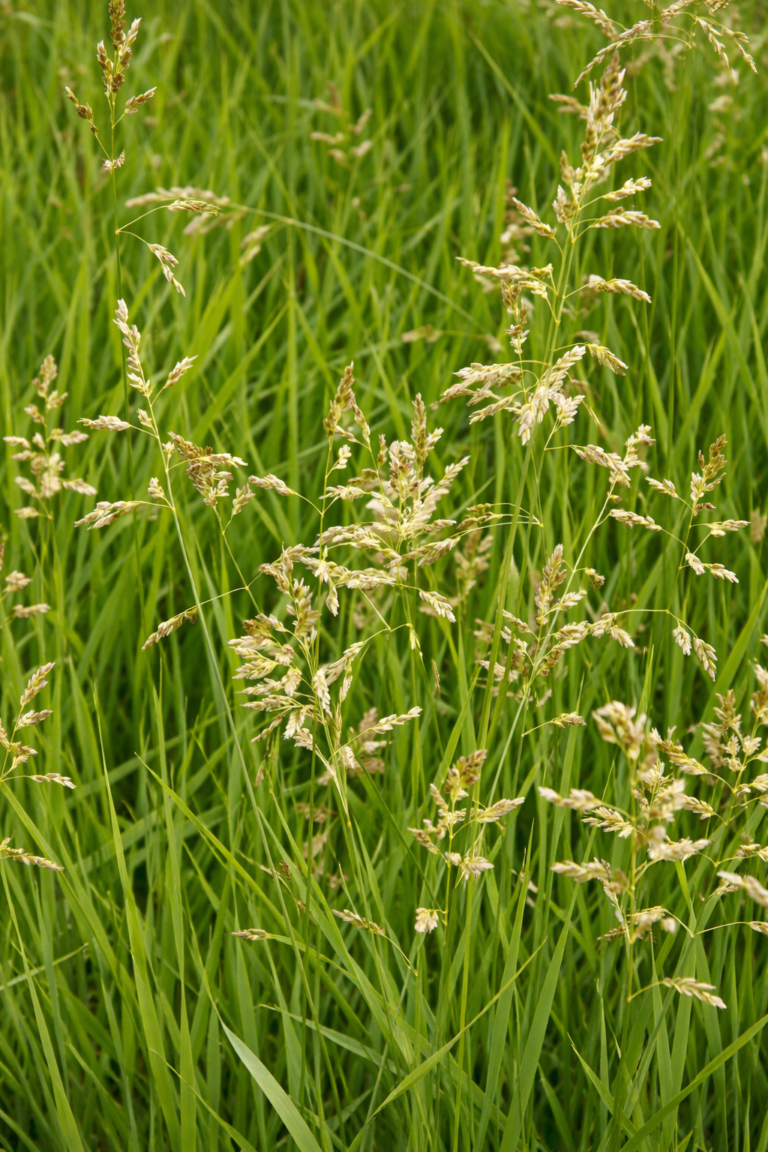
Northern Sweetgrass in Alaska
Northern Sweetgrass is a slender, aromatic grass found in Alaska’s meadows and wetlands. Known for its sweet scent, it has long been valued in traditional practices for both practical and cultural uses.
What It Is
Northern Sweetgrass (Hierochloe odorata) is a perennial grass that grows in long, soft blades. It is best known for its distinctive vanilla-like fragrance, which becomes stronger when dried.
Unlike many tundra plants, it grows upright and flowing, often moving with the wind in open landscapes.
Where It Grows
Northern Sweetgrass is found in moist environments across parts of Alaska. It commonly grows:
- In wet meadows and lowlands
- Along riverbanks and streams
- In tundra and marshy areas
- In open fields with consistent moisture
It often grows alongside sedges, mosses, and other wetland vegetation.
Plant Characteristics
Northern Sweetgrass grows in long, narrow blades that can reach up to 1 to 2 feet tall.
Key features include:
- Thin, bright green leaves
- Soft, flexible stems
- Smooth texture
- Sweet, noticeable scent when crushed or dried
It tends to grow in clusters rather than spreading like ground-cover plants.
Flowers & Seasonal Changes
The plant produces small, subtle flowering heads in early summer, though they are not as visually noticeable as other Alaska plants.
As the season progresses, the grass becomes more fragrant, especially as it dries.
Edibility & Use
Northern Sweetgrass is not typically used as a food source, but it has important practical uses.
It has been traditionally:
- Braided and dried
- Burned for its pleasant aroma
- Used to scent clothing or spaces
Its fragrance is one of its most defining characteristics.
Medicinal & Traditional Use
Northern Sweetgrass holds strong cultural significance and has been used traditionally for:
- Ceremonial purposes
- Cleansing and scenting spaces
- Mild calming or soothing effects
It is often braided before drying, which helps preserve both its form and fragrance.
Identification Tips
- Long, slender green blades
- Grows in moist or wet environments
- Sweet, vanilla-like scent when crushed
- Often found in clusters
It can resemble other grasses, but its scent is the easiest way to confirm identification.
Why It Matters in Alaska
Northern Sweetgrass plays an important role both ecologically and culturally:
- Grows in and supports wetland ecosystems
- Provides habitat for small wildlife
- Holds deep traditional and cultural value
It’s one of the few Alaska plants where cultural significance is just as important as ecological role.