
Arctic Sweet Coltsfoot
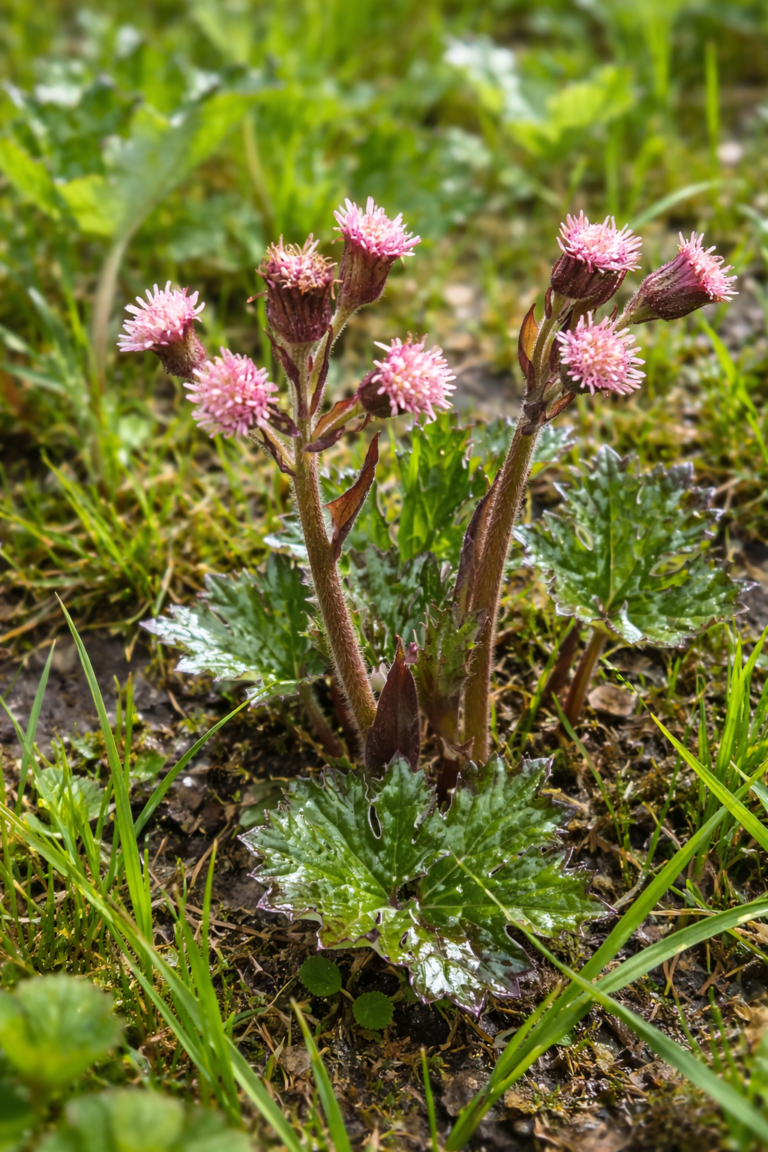
Arctic Sweet Coltsfoot in Alaska
Arctic Sweet Coltsfoot is one of the first plants to bloom in Alaska’s spring. Its pink flower clusters appear before most vegetation wakes up, making it a standout in wet, thawing landscapes.
What It Is
Arctic Sweet Coltsfoot (Petasites frigidus) is a cold-adapted perennial plant that thrives in wet, lowland environments. It produces flowers early in the season, often before its large leaves fully develop.
It is part of the sunflower family and is closely related to other coltsfoot species found in colder regions.
Where It Grows
Arctic Sweet Coltsfoot is found throughout Alaska, especially in moist environments. It commonly grows:
- In wetlands and marshy areas
- Along streambanks and river edges
- In lowland tundra
- In areas with melting snow and seasonal runoff
It often appears in places where water collects early in the spring.
Plant Characteristics
This plant has two distinct growth stages—flowers first, leaves later.
Key features include:
- Pink to purplish flower clusters on thick stems
- Large, rounded leaves that appear after flowering
- Soft, broad foliage resembling small cabbage leaves
- Low to medium height growth
The early bloom gives it a head start in Alaska’s short growing season.
Flowers & Seasonal Changes
Arctic Sweet Coltsfoot blooms in early spring, often before surrounding plants have leafed out.
The flowers form dense clusters and provide early color in otherwise brown or thawing landscapes.
Later in the season, large green leaves take over and dominate the plant’s appearance.
Edibility & Use
Arctic Sweet Coltsfoot has been used traditionally, but it is not commonly used as a modern food source.
Some parts of the plant have been used in small amounts, but it requires knowledge and care due to naturally occurring compounds.
Medicinal & Traditional Use
Arctic Sweet Coltsfoot has a history of traditional use, particularly for soothing purposes.
It has been used for:
- Respiratory support (such as coughs)
- Mild soothing teas or preparations
- Early-season plant use when few others are available
However, like many traditional plants, it should be used cautiously and with proper knowledge.
Identification Tips
- Pink flower clusters appearing before leaves
- Thick, upright flower stems
- Large, rounded leaves later in the season
- Found in wet or thawing ground
The timing of its bloom is one of the easiest ways to identify it.
Why It Matters in Alaska
Arctic Sweet Coltsfoot plays an important role in Alaska’s ecosystems:
- One of the earliest food sources for pollinators
- Thrives in wet, transitional environments
- Marks the beginning of the growing season
It’s a strong indicator that Alaska’s long winter is starting to break.