
Lakes of Alaska
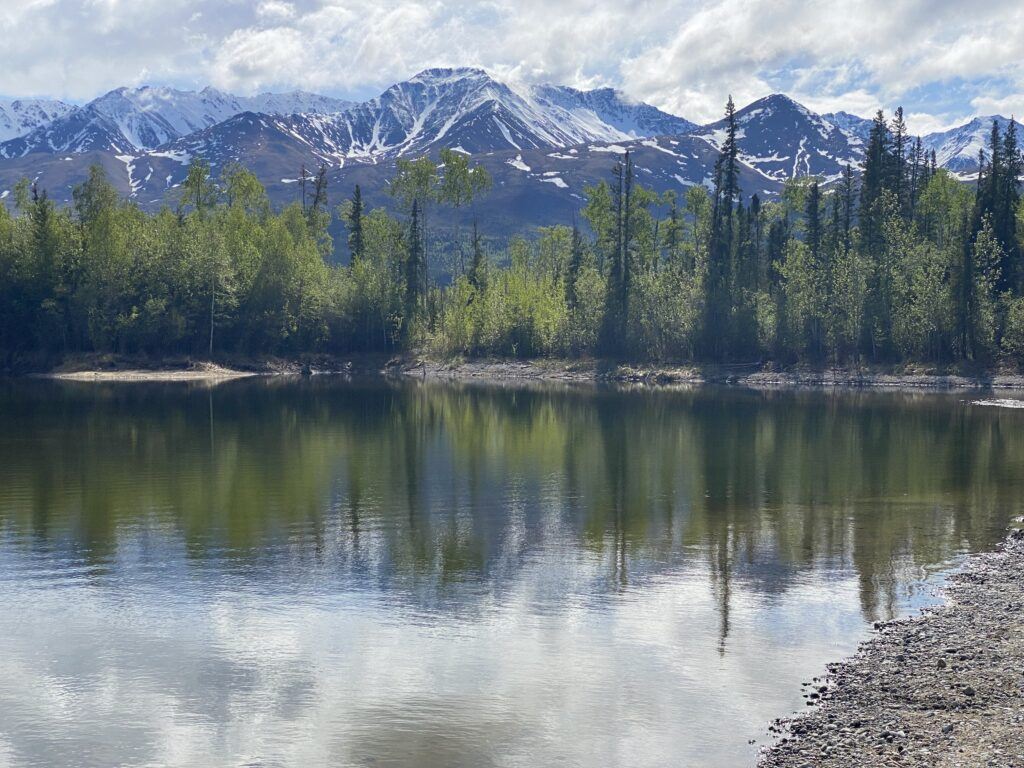
Alaska is home to countless lakes, ranging from small ponds and wetlands to vast freshwater systems that stretch for miles. These lakes are shaped by glaciers, rivers, permafrost, and seasonal change, and they play a major role in Alaska’s geography and ecosystems.
Many of Alaska’s lakes were formed by glacial activity, where ice carved depressions in the land that later filled with water. Others are tied to river systems, wetlands, or volcanic landscapes. In northern regions, lakes are closely linked to permafrost and can shift or drain as ground conditions change.
From remote tundra lakes to large, well-known bodies of water, lakes influence wildlife habitat, travel routes, fishing opportunities, and daily life across the state.
This page provides an overview of the major types of lakes found in Alaska, where they are most common, and why they matter.
Types of Lakes Found in Alaska
Alaska’s lakes vary widely depending on climate, elevation, and how they were formed. These differences affect water clarity, depth, seasonal behavior, and surrounding ecosystems.
Glacial Lakes
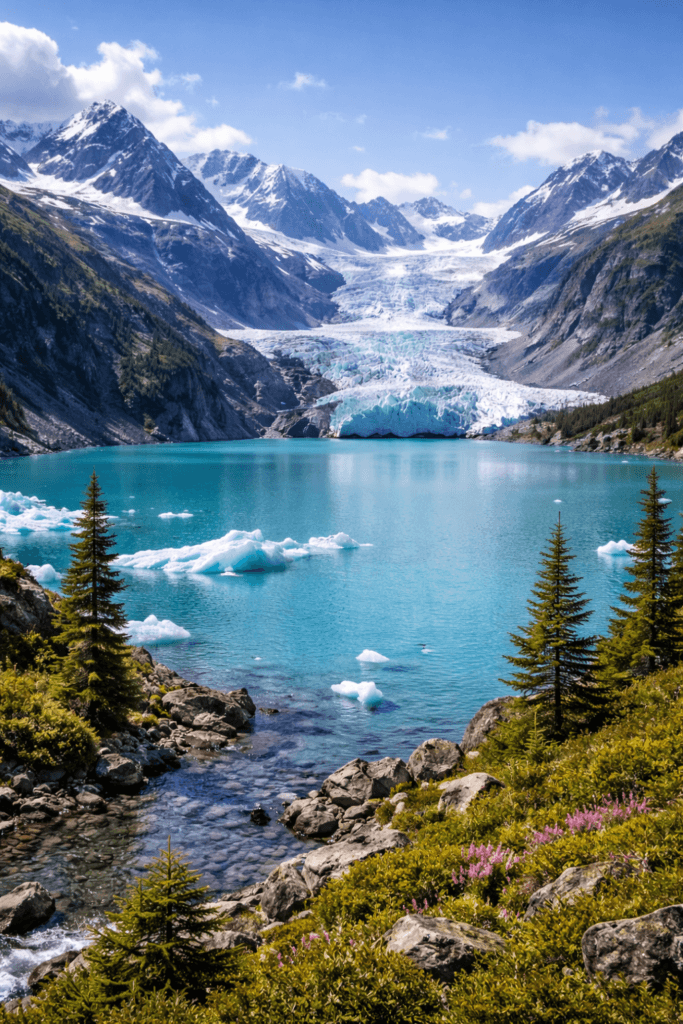
Glacial lakes form when melting glaciers leave behind depressions that fill with water or when meltwater is dammed by ice or sediment. These lakes often have cold, clear water and are commonly found near mountain ranges and former glacier paths.
Examples include Lake Clark, formed in a glaciated valley in Southcentral Alaska, and Kenai Lake, known for its glacial-blue color.
Tundra Lakes
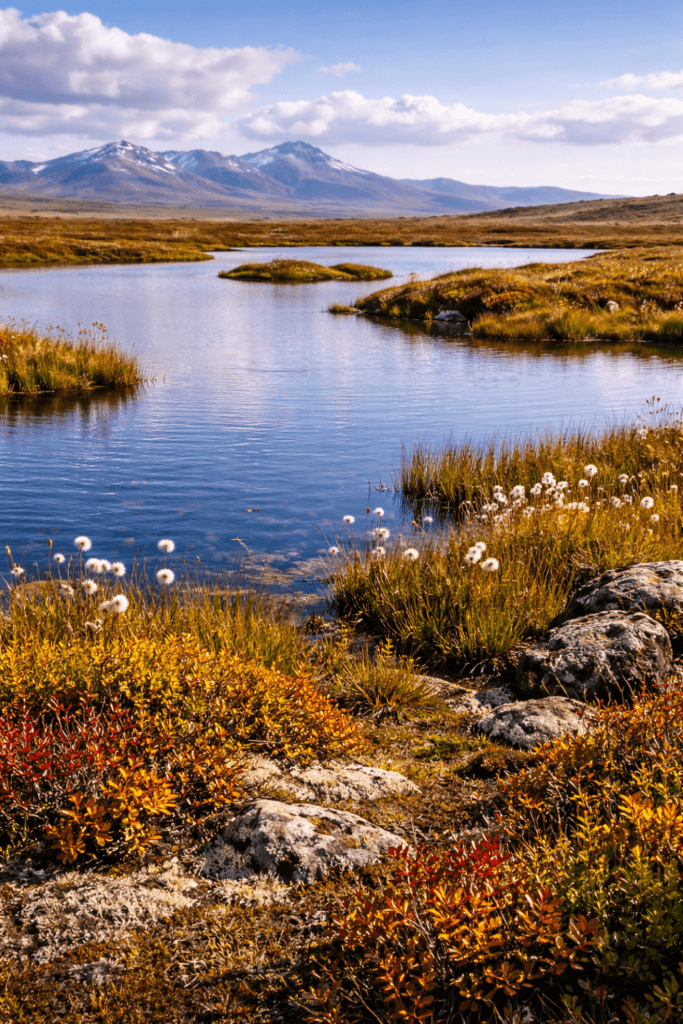
Tundra lakes are common in northern Alaska and areas underlain by permafrost. These lakes are often shallow and can change shape or size over time as ground ice melts or shifts.
Examples include Teshekpuk Lake on the North Slope and many unnamed tundra lakes scattered across Arctic Alaska.
River-Fed Lakes
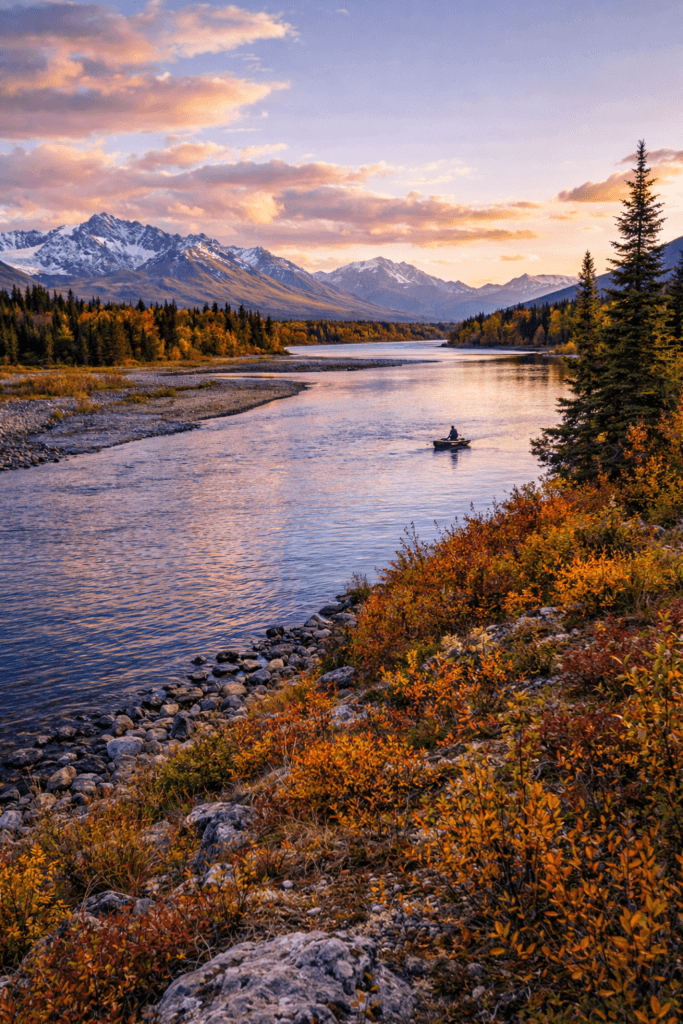
River-fed lakes are connected to active river systems and may fill or drain depending on seasonal water levels. These lakes often support productive fish habitat and are closely tied to floodplains.
Examples include Lake Minchumina, connected to Interior river systems, and oxbow lakes formed along rivers like the Yukon.
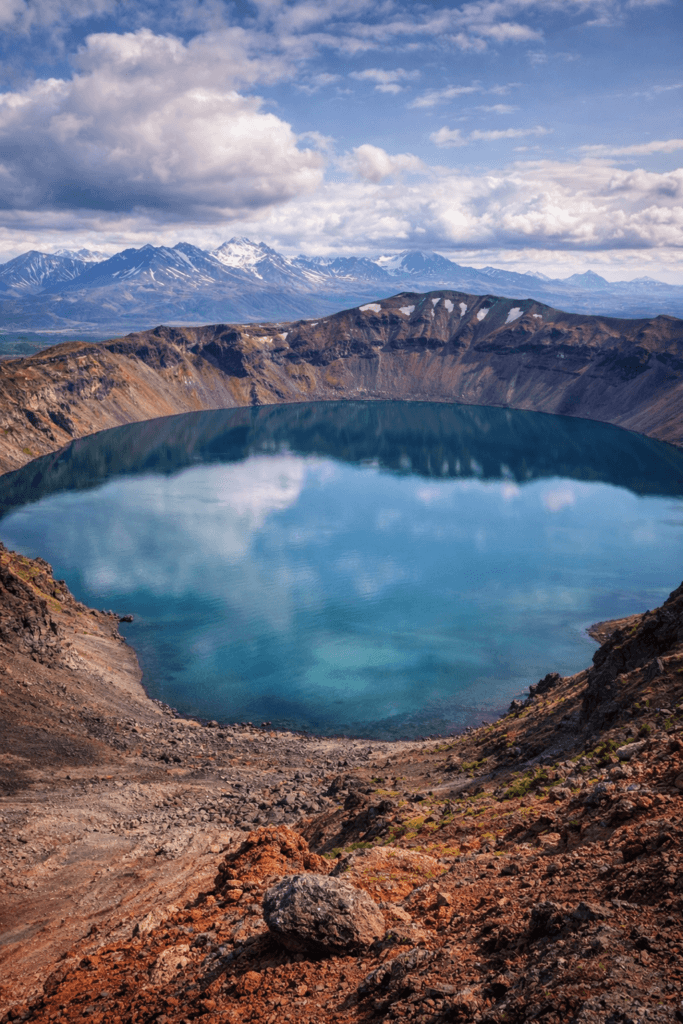
Volcanic and Caldera Lakes
Some lakes in Alaska formed in volcanic craters or calderas left behind by past eruptions. These lakes are often deep and isolated and may sit high above surrounding landscapes.
Examples include Aniakchak Caldera Lake and Crater Lake within volcanic regions of Alaska.
Lakes in Alaska are strongly influenced by seasonal cycles. In winter, most lakes freeze solid, creating travel routes and altering wildlife behavior. In summer, long daylight hours warm surface waters and support plant and animal life.
Lakes support a wide range of ecosystems, providing habitat for fish, birds, and mammals. Many are important for subsistence fishing, recreation, and water supply. Lakes also influence local weather patterns and help regulate surrounding environments.
Beyond ecology, lakes are deeply tied to Alaska’s human history. They have served as gathering places, navigation landmarks, and seasonal food sources for generations. Today, lakes continue to shape recreation, tourism, and daily life across the state.
Alaska contains thousands of lakes, many unnamed and rarely visited. Some are well known and easily accessible, while others lie deep within wilderness areas.
The following lakes serve as starting points for learning more about Alaska’s freshwater landscapes.
Each will be explored in greater detail on its own dedicated page.