
Mushrooms of Alaska
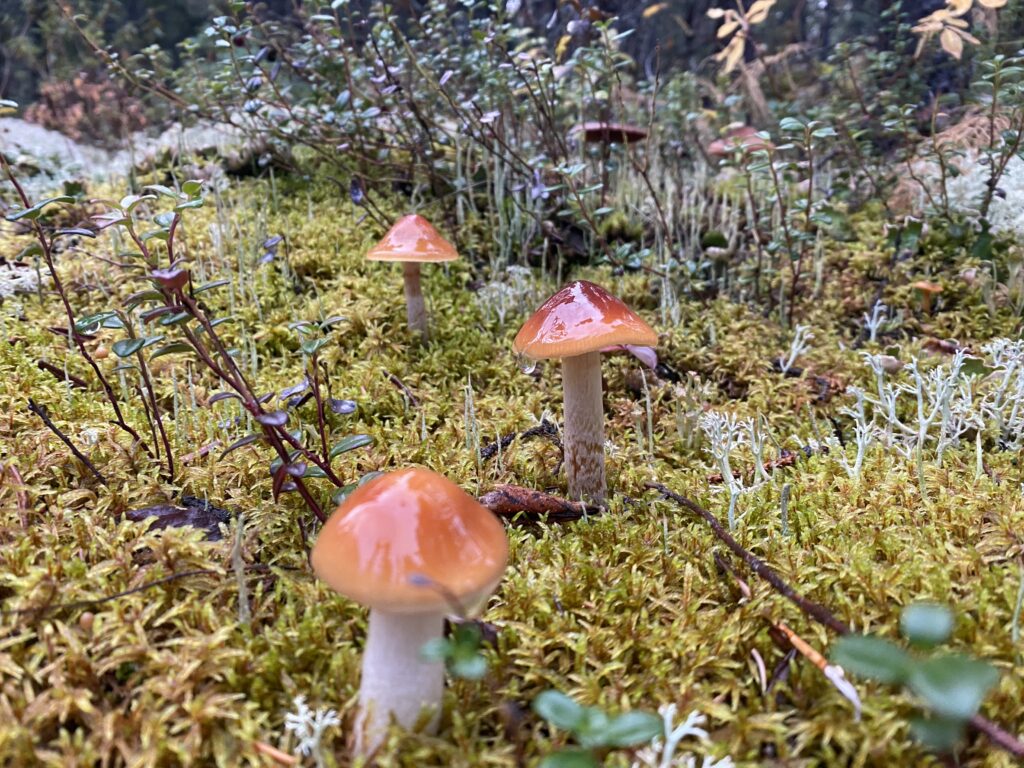
Mushrooms are a quiet but essential part of Alaska’s ecosystems. From dense coastal rainforests to boreal forests, wetlands, and tundra, fungi thrive across the state, breaking down organic material, supporting plant growth, and cycling nutrients back into the soil.
Alaska’s climate creates ideal conditions for mushrooms. Cool temperatures, seasonal moisture, and long summer daylight allow fungi to grow rapidly during short windows of the year. Some species appear briefly after rain, while others persist through much of the growing season.
Mushrooms play a role far beyond what’s visible on the surface. Beneath the soil, fungal networks connect plants, trees, and roots, helping forests survive harsh conditions. Above ground, mushrooms are part of wildlife diets, traditional knowledge systems, and modern ecological research.
This page provides an overview of the types of mushrooms found in Alaska, where they grow, and why they matter.
Types of Mushrooms Found in Alaska
Alaska’s mushrooms vary widely depending on habitat, moisture, and soil conditions.
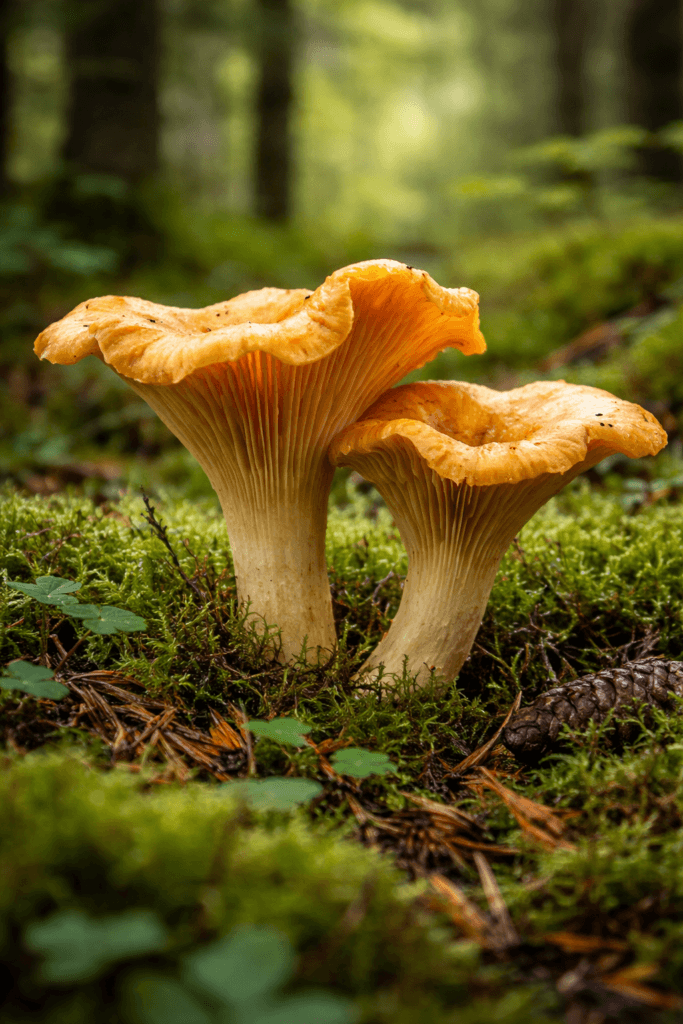
Forest Mushrooms
Forest mushrooms are commonly found in boreal and coastal forests, growing among moss, fallen logs, and decaying wood. These fungi play a major role in breaking down organic matter and supporting forest regeneration.
Examples include chanterelles and boletes, which appear during warm, damp periods of summer.
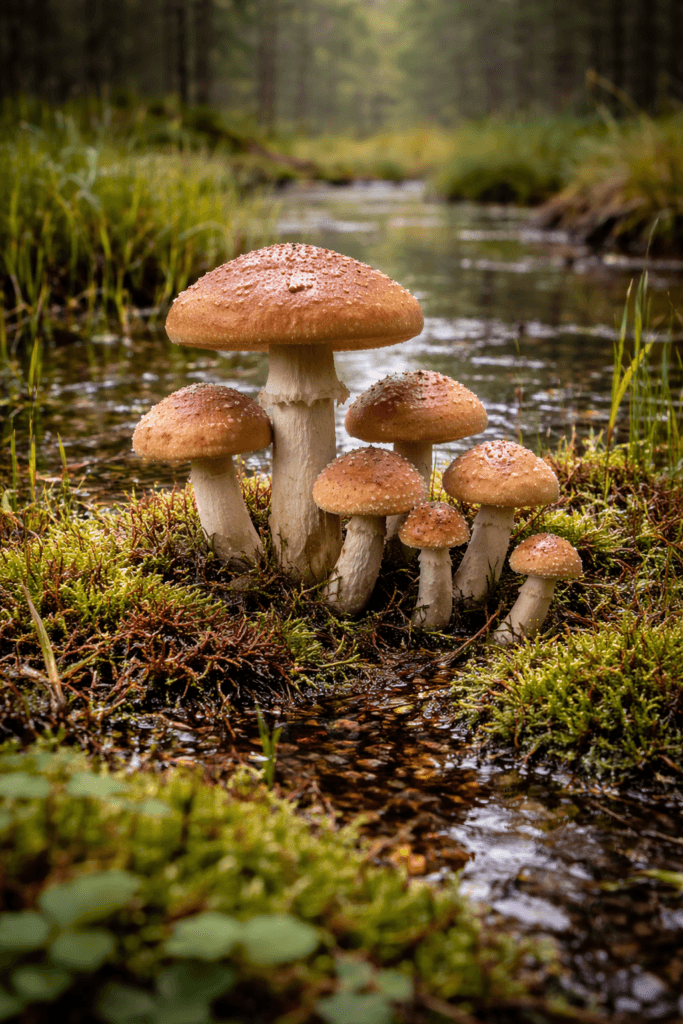
Wetland and Bog Mushrooms
Wetlands and bogs support fungi adapted to saturated soils and low-oxygen environments. These mushrooms are often smaller and more delicate but are critical to nutrient cycling in these ecosystems.
Species associated with sphagnum moss and peat-rich soils are especially common in Alaska’s lowland wetlands.
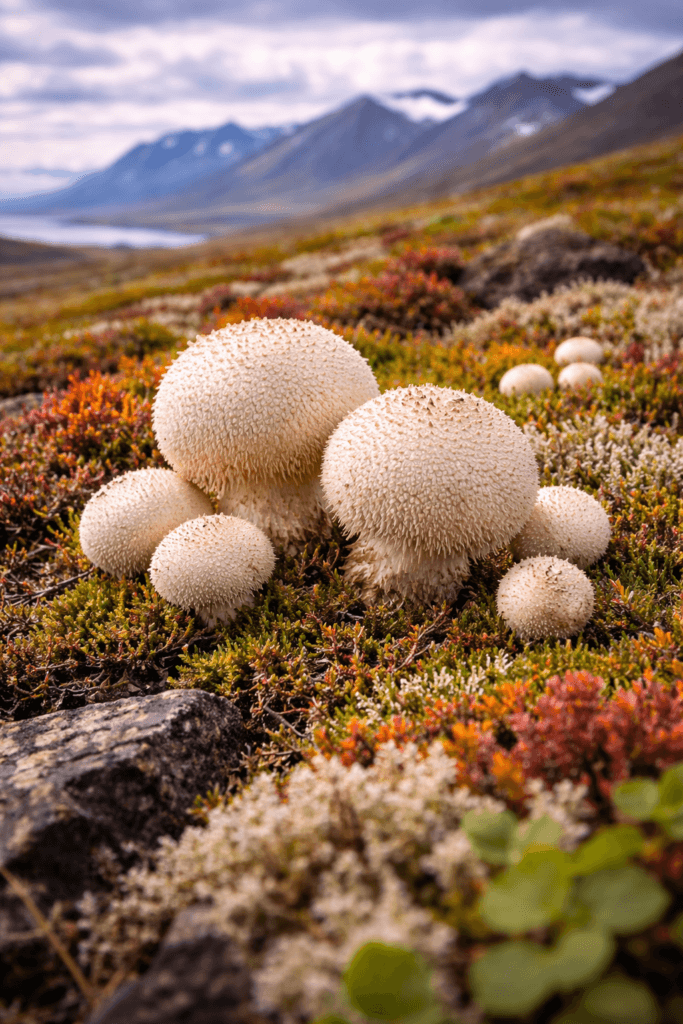
Tundra Mushrooms
Tundra mushrooms grow in harsh, open environments where soils are shallow and temperatures remain cool. These fungi are typically low-growing and adapted to short growing seasons.
Examples include alpine puffballs and small cup fungi that emerge quickly during brief summer warmth.
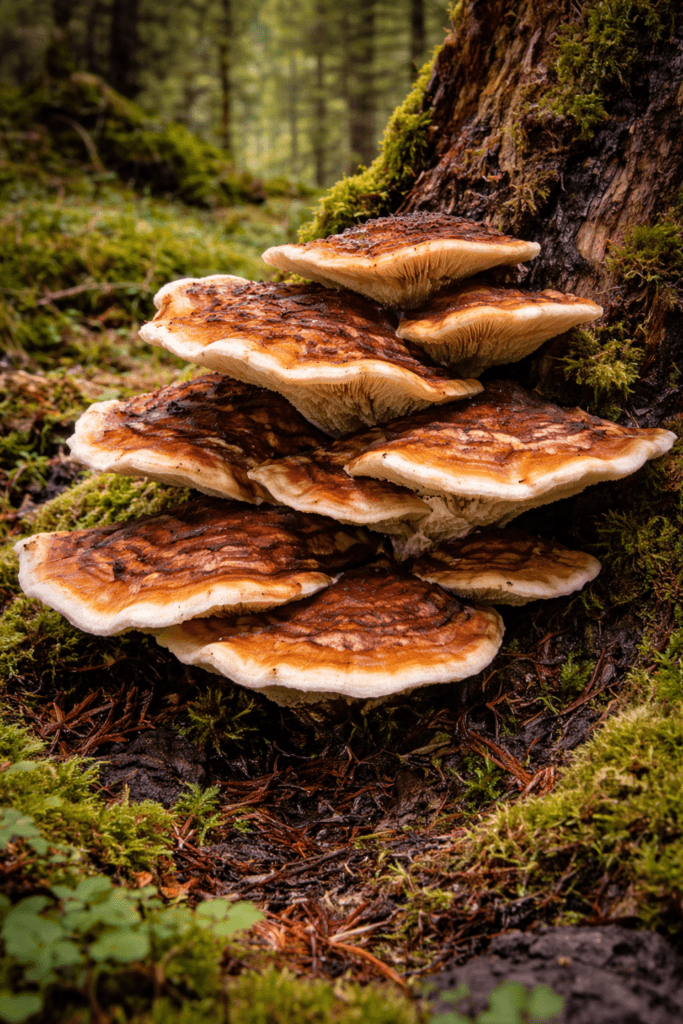
Wood-Decomposing Mushrooms
These mushrooms grow directly on dead or dying trees, breaking down wood and returning nutrients to the ecosystem. They are commonly found in both coastal rainforests and boreal forests.
Examples include shelf fungi and polypores, which can persist on logs for months or even years.
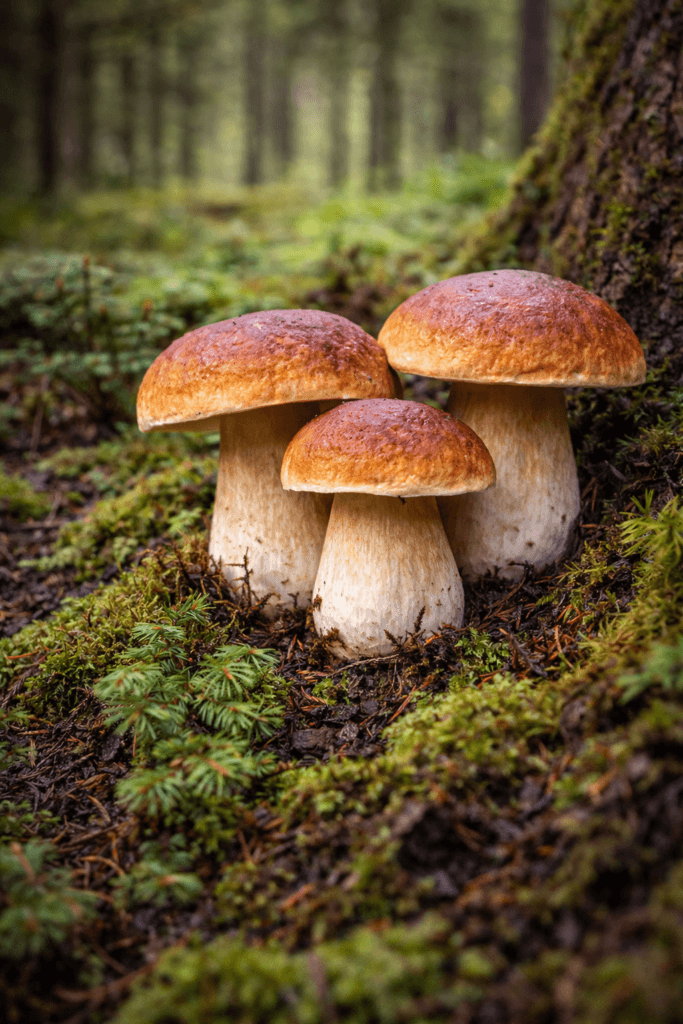
Mycorrhizal Mushrooms
Mycorrhizal mushrooms form underground partnerships with plant roots, helping trees absorb water and nutrients. In exchange, the fungi receive sugars from the plant.
Many of Alaska’s forests rely on these hidden fungal networks to survive cold temperatures, poor soils, and environmental stress.
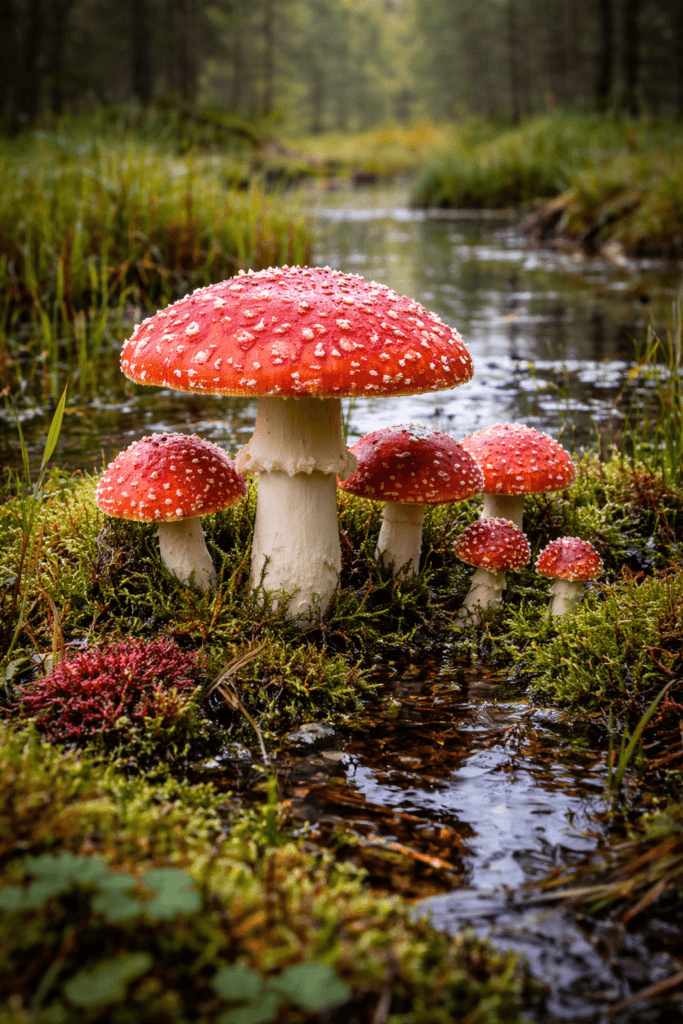
Poisionous Mushrooms
Alongside edible and ecologically important fungi, Alaska is also home to several poisonous mushroom species. Some can cause mild illness, while others may lead to severe or life-threatening reactions if consumed.
Many toxic mushrooms closely resemble edible varieties, making accurate identification critical. Even experienced foragers exercise caution, as environmental conditions can alter appearance, size, and color.
For this reason, foraging should only be done with proper education, field guides, or expert guidance. When in doubt, mushrooms should never be eaten.
Mushrooms are found throughout Alaska, but their distribution depends heavily on moisture, vegetation, and seasonal conditions. Coastal forests and interior boreal forests host the highest diversity, while tundra regions support fewer but highly specialized species.
Beyond ecology, mushrooms have cultural and practical significance. Indigenous communities have long recognized the role of fungi within broader ecosystems, and modern researchers continue to study Alaska’s fungi for their resilience and adaptability.
While many mushrooms are edible, others are toxic. Accurate identification is essential, and casual foraging without knowledge can be dangerous. Some species that appear similar can have very different effects.
The following mushrooms represent common, or well-known fungi found across Alaska. Each will be explored in greater detail on its own dedicated page below:
Take a look at some mushrooms found in Alaska below:
Chanterelle (Cantharellus spp.) – Forest Mushroom
— Golden-colored mushroom found on mossy forest floors; prized for its flavor and aroma.
King Bolete (Boletus edulis) – Forest Mushroom
— Thick, meaty mushroom commonly found in spruce and birch forests; highly sought after.
Birch Bolete (Leccinum scabrum) – Mycorrhizal Mushroom
— Grows with birch trees; tall stem with a brown cap and rough texture.
Hedgehog Mushroom (Hydnum repandum) – Forest Mushroom
— Identified by spines instead of gills; mild flavor and easy to recognize.
Alaska Birch Polypore (Fomitopsis betulina) – Wood-Decomposing Mushroom
— Shelf-like fungus growing on birch trees; important for breaking down wood.
Puffball Mushrooms (Lycoperdon spp.) – Tundra / Forest Mushroom
— Round mushrooms that release spores when mature; edible when young.
Oyster Mushroom (Pleurotus ostreatus) – Wood-Decomposing Mushroom
— Fan-shaped mushroom growing in clusters on dead wood in damp forests.
Morel Mushroom (Morchella spp.) – Forest Mushroom
— Honeycomb-patterned mushroom found in spring, often in disturbed or burned areas.
Shaggy Mane (Coprinus comatus) – Forest / Disturbed Area Mushroom
— Tall, shaggy white mushroom that quickly dissolves as it matures.
Chicken of the Woods (Laetiporus sulphureus) – Wood-Decomposing Mushroom
— Bright orange shelf fungus growing on trees; known for its dense texture.
These mushrooms found in Alaska are poisonous and should be avoided:
Fly Agaric (Amanita muscaria)
— Bright red or orange with white spots; visually distinctive but toxic if consumed improperly.
Destroying Angel (Amanita species)
— Pure white mushroom containing potent toxins that can cause severe organ damage.
False Morel (Gyromitra species)
— Often mistaken for true morels; contains toxins that can be dangerous even after cooking.
Panther Cap (Amanita pantherina)
— Brown-capped mushroom with white spots; causes serious neurological effects.
Galerina (Galerina marginata)
— Small brown mushroom growing on wood; highly toxic and easily confused with edible species.