
Disclosure: This page contains affiliate links. As an Amazon Associate, I earn from qualifying purchases at no additional cost to you.
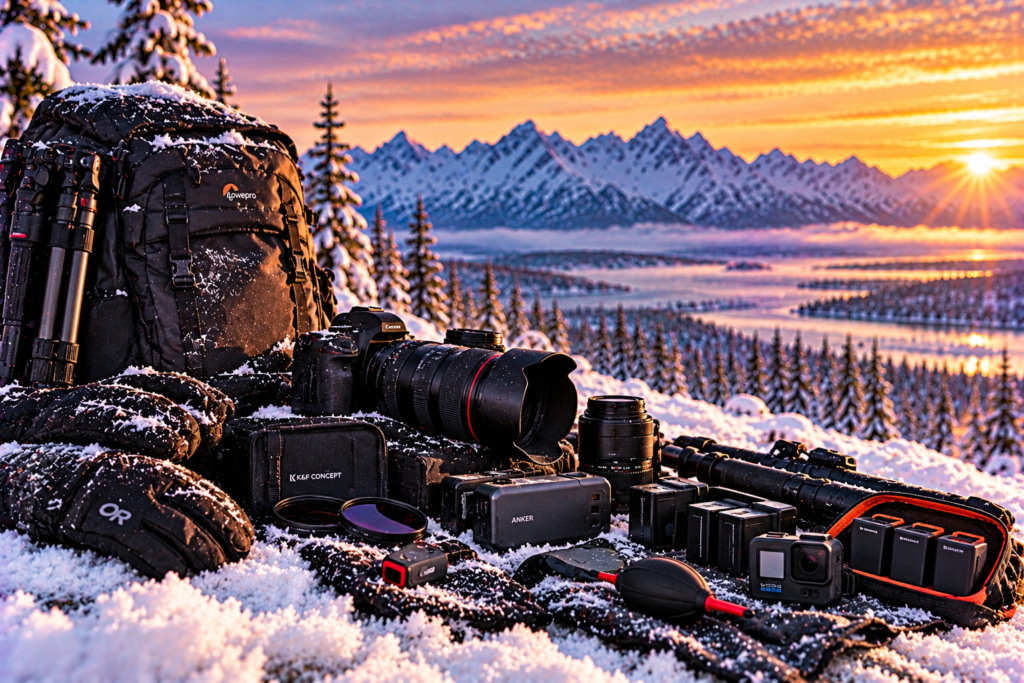
Winter photography in Alaska is an entirely different experience from photographing the state during summer.
Snow-covered mountains, frozen rivers, frost-covered trees, wildlife moving through white landscapes, and the northern lights dancing overhead create some incredible opportunities for photographers.
But Alaska winter photography also presents challenges that don't always come up during warmer weather.
Cold temperatures can reduce camera battery performance. Snow can create exposure problems. Condensation can form when you bring cold equipment indoors. And trying to adjust tiny camera controls while wearing thick winter gloves can become frustrating very quickly.
Then there's the weather itself.
Depending on where you're photographing, you may encounter dry Interior Alaska cold, wet coastal snow, strong winds, or rapidly changing conditions in mountainous terrain.
That's why winter photography gear isn't just about your camera and lenses.
It's also about protecting your equipment, keeping your batteries working, maintaining enough dexterity to operate your camera, and making sure you can safely stay outside long enough to capture the photographs you want.
Whether you're photographing the northern lights near Fairbanks, capturing snowy landscapes around Anchorage, or heading into the backcountry for wildlife photography, having the right accessories can make your experience much more manageable.
In this guide, we'll look at seven useful winter photography gear options for Alaska, explain how cold weather affects cameras and batteries, and cover practical tips for protecting your equipment while photographing the Last Frontier.
Quick Navigation
- Quick Picks
- Best Winter Photography Gear for Alaska
- Winter Photography Gear Comparison Chart
- How Alaska Cold Affects Photography Equipment
- Protecting Your Camera from Snow and Moisture
- Alaska Winter Photography Tips
- Winter Photography Packing Checklist
- Buying Guide & Frequently Asked Questions
- Related Alaska Winter Gear Guides
- Final Thoughts
Quick Picks
- Best Portable Power Bank: Anker 737 Power Bank
- Best Portable Power Station: BLUETTI Elite 30 V2
- Best Camera Carrying Accessory: Peak Design Camera Clip
- Best Photography Gloves: Palmyth Photography Gloves
- Best Camera Weather Cover: Think Tank Camera Cover
- Best Lens and Camera Rain Protection: LensCoat Rain Cover
- Best Headlamp for Winter Photography: Fenix HM55R Rechargeable Headlamp
These accessories cover several important parts of a winter photography setup, but they don't replace the need for appropriate winter clothing, compatible camera batteries, a sturdy tripod, and a realistic plan for the conditions.
Best Winter Photography Gear for Alaska
The best accessories for Alaska winter photography help solve practical problems: keeping electronics powered, protecting equipment from moisture, making cameras easier to carry, and allowing you to operate controls without exposing your hands unnecessarily.
Before purchasing, confirm compatibility with your specific camera, lens, and other equipment.
Best Portable Power Bank: Anker 737 Power Bank
One of the most common challenges with winter photography is keeping electronic equipment powered in cold temperatures.
Camera batteries, phones, and other rechargeable devices may provide less usable power when exposed to severe cold.
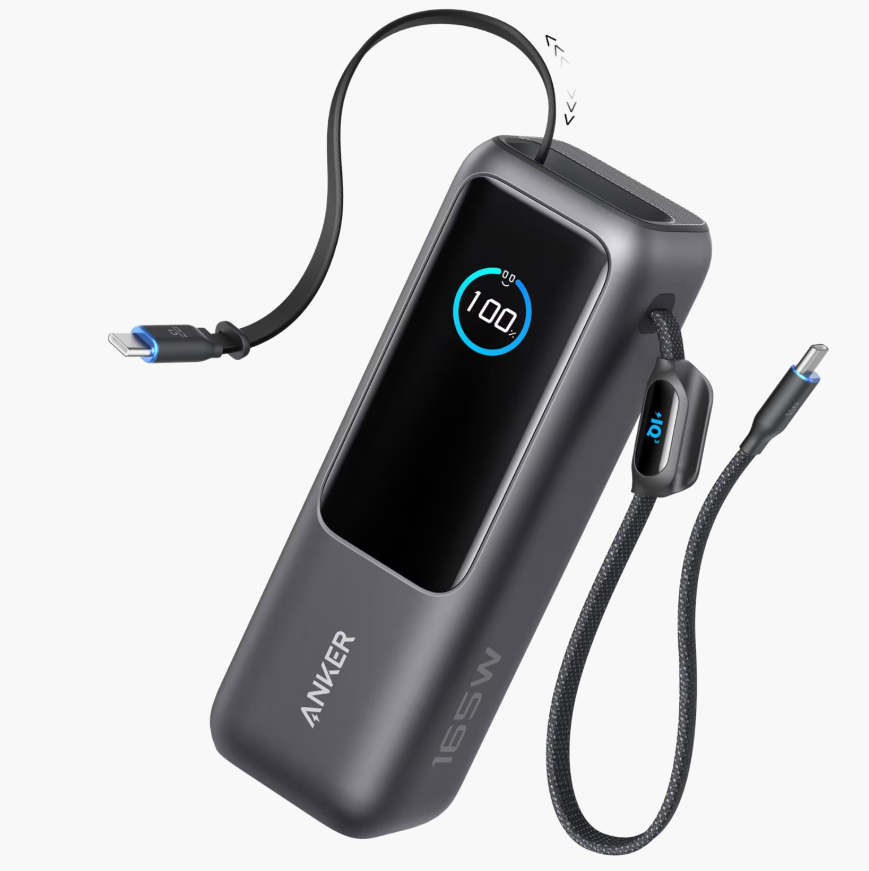
The Anker 737 Power Bank is a portable charging option worth considering for photographers who need additional power while traveling around Alaska.
A power bank can be especially useful if you're using your phone for navigation, checking weather forecasts, monitoring aurora activity, or operating compatible camera accessories.
However, it's important to understand that not every camera can be charged directly from a USB power bank.
Some cameras support USB charging or external power delivery, while others require dedicated batteries and chargers.
Before purchasing, confirm your camera's charging requirements and the power bank's compatibility with your equipment.
Cold temperatures can affect the power bank itself, so keep it protected from unnecessary exposure and follow the manufacturer's operating and charging recommendations.
Best for: Charging compatible electronics, supporting photography accessories, and providing portable backup power during Alaska winter outings.
Check Price on Amazon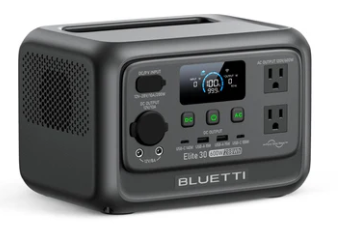
Best Portable Power Station: BLUETTI Elite 30 V2
For photographers who spend extended periods away from electrical outlets, a portable power station can offer more flexibility than a small power bank.
The BLUETTI Elite 30 V2 is a compact portable power station worth considering for longer photography outings, vehicle-based adventures, and temporary outdoor work setups.
Depending on the exact model and your equipment's requirements, a power station may provide charging options for compatible camera batteries, laptops, phones, and other electronics.
That can be useful when you're photographing remote Alaska landscapes or spending several days traveling between locations.
However, a portable power station isn't something most photographers need to carry on a short winter hike.
Weight, storage space, charging requirements, and expected power consumption should all factor into your decision.
Cold weather is another consideration. Batteries can lose usable capacity in low temperatures, and charging below the manufacturer's approved temperature range may damage certain battery systems.
For winter vehicle-based photography, a power station may be useful when stored and operated within its specified environmental limits.
Before purchasing, review the exact model's output options, weight, capacity, and operating temperature recommendations.
Best for: Extended winter photography trips, vehicle-based adventures, and photographers who need additional portable charging capacity.
Check Price on Amazon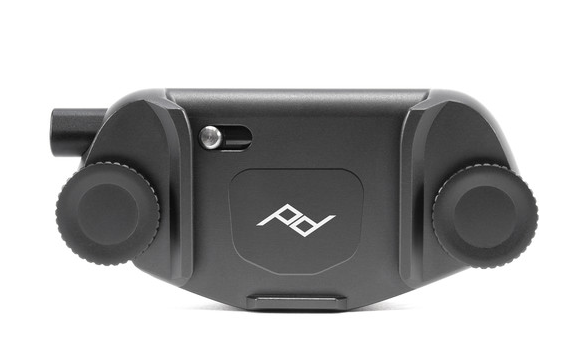
Best Camera Carrying Accessory: Peak Design Camera Clip
Carrying a camera during winter hikes can be more complicated than it sounds.
Between insulated jackets, backpacks, gloves, and other cold-weather equipment, keeping your camera accessible without constantly digging through your bag can be challenging.
The Peak Design Camera Clip is designed to provide an alternative method of carrying compatible camera equipment.
For winter photographers, that may be useful when hiking snowy trails or moving between photography locations.
Having your camera accessible can help you respond more quickly when wildlife appears or the lighting changes.
However, there's an important tradeoff to consider.
Keeping your camera exposed on the outside of your clothing or backpack may subject it to snow, moisture, and cold temperatures for longer periods.
For Alaska winter photography, consider using a protective cover or returning the camera to an appropriate bag when conditions become harsh.
Before purchasing, verify the clip's compatibility with your camera, mounting location, backpack strap, and any required attachment plates.
Best for: Winter hiking photography, easier camera access, and carrying compatible cameras without constantly opening a camera bag.
Check Price on Amazon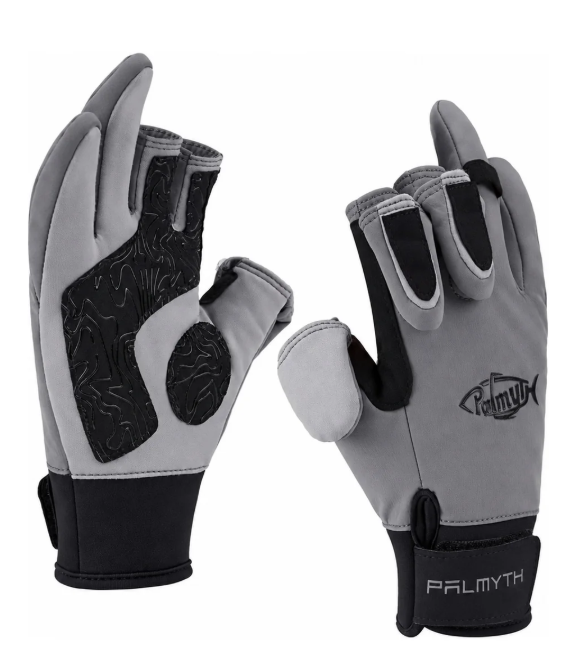
Best Photography Gloves: Palmyth Photography Gloves
Trying to operate a camera while wearing thick winter mittens can be difficult.
Camera buttons, adjustment dials, and touchscreens often require more finger movement than heavily insulated gloves allow.
Palmyth Photography Gloves are designed for activities that require dexterity while outdoors.
For Alaska winter photography, gloves in this category can help you make camera adjustments without removing your entire hand covering.
However, photography gloves should be chosen carefully for the temperature.
Many designs prioritize finger movement over maximum insulation, which means they may not provide enough warmth for extended periods of inactivity in severe cold.
For northern lights photography, wildlife observation, or long sessions outdoors, consider combining photography gloves with insulated mittens or overmitts.
That allows you to uncover your fingers only when necessary and restore warmth between adjustments.
Always pay attention to numbness or reduced dexterity. Cold hands can make it harder to operate equipment and may indicate excessive exposure.
Best for: Camera adjustments, winter photography, and situations where finger dexterity is important.
Check Price on Amazon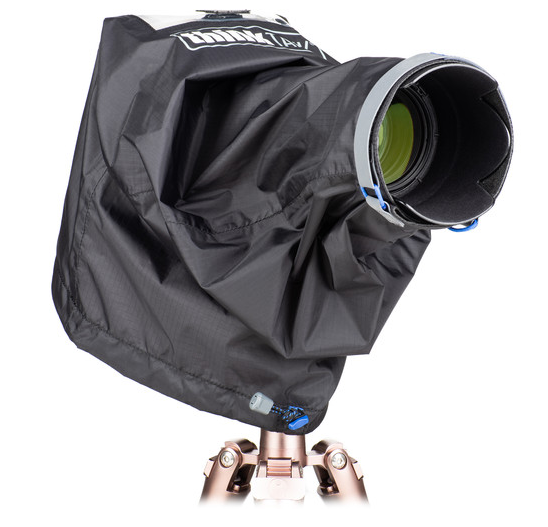
Best Camera Weather Cover: Think Tank Camera Cover
Snow and moisture can create problems for photography equipment, particularly when you're working outdoors for extended periods.
Even if your camera has some degree of weather resistance, that doesn't necessarily mean it's protected against every type of precipitation or exposure.
A Think Tank Camera Cover is worth considering for photographers who want an additional protective layer around their equipment.
For Alaska, camera protection can be useful during snowfall, windy conditions, and trips where your equipment may be exposed to changing weather.
However, not every camera cover is designed for the same type of equipment.
Some covers are intended for compact setups, while others accommodate larger camera bodies and telephoto lenses.
Before purchasing, check the exact cover's dimensions and compatibility with your camera and lens combination.
Also remember that a cover may protect against precipitation without providing meaningful insulation against extreme cold.
Camera covers should be used as part of a broader equipment-protection strategy rather than as a substitute for appropriate handling and storage.
Best for: Protecting compatible camera equipment from snow, moisture, and changing winter weather.
Check Price on Amazon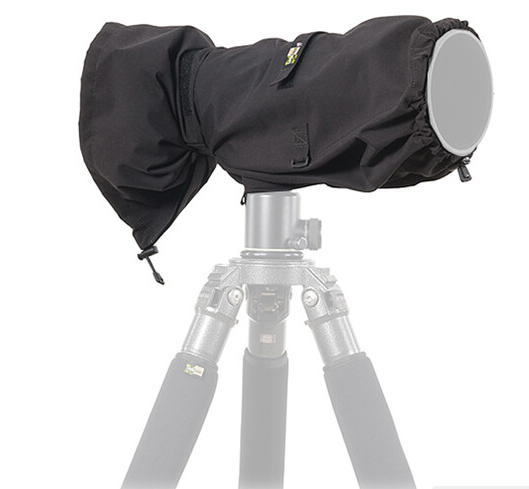
Best Lens and Camera Rain Protection: LensCoat Rain Cover
Winter photography in Alaska isn't always about dry snow and freezing temperatures.
In coastal and Southcentral regions, you may encounter wet snowfall, freezing precipitation, and conditions that expose camera equipment to moisture.
The LensCoat Rain Cover is designed to provide additional weather protection for compatible camera and lens setups.
For photographers using longer lenses, a properly fitted protective cover can be especially useful when working outdoors in changing conditions.
Wildlife photographers may spend extended periods waiting for animals to appear, leaving their equipment exposed to snow or moisture.
However, it's important to distinguish between rain protection and cold protection.
A weather cover may help shield equipment from precipitation, but it doesn't automatically prevent battery drain, condensation, or cold-related performance limitations.
Before purchasing, confirm the exact cover's size and compatibility with your camera body, lens, and accessories.
Follow the manufacturer's instructions and avoid assuming that a covered camera is completely waterproof.
Best for: Wildlife photography, telephoto lens setups, and protecting compatible equipment during wet or snowy conditions.
Check Price on Amazon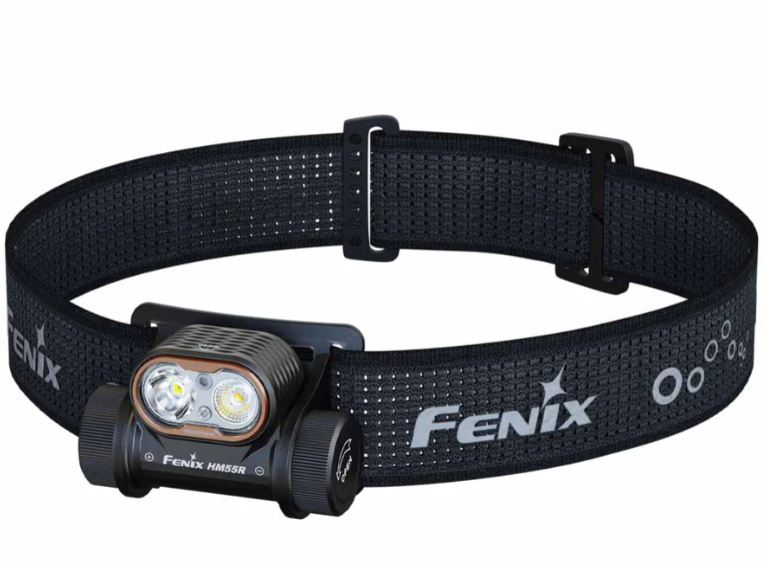
Best Headlamp for Winter Photography: Fenix HM55R Rechargeable Headlamp
A dependable headlamp is one of the most useful accessories you can bring on a winter photography outing in Alaska.
Whether you're setting up a tripod before sunrise, adjusting equipment beneath the northern lights, or returning to your vehicle after dark, hands-free lighting makes many tasks easier.
The Fenix HM55R Rechargeable Headlamp is a versatile option for photographers who need portable illumination.
However, bright lighting isn't always desirable during nighttime photography.
When photographing the northern lights, excessive white light can interfere with your dark adaptation and disrupt other photographers' long-exposure images.
Use the lowest practical brightness setting when appropriate and verify the exact headlamp's lighting modes if a red-light option is important to you.
Cold temperatures can reduce rechargeable battery performance, so carry a backup lighting option and follow the manufacturer's operating recommendations.
For remote winter photography, a headlamp should be considered an important part of your safety equipment rather than just a convenient accessory.
Best for: Northern lights photography, early-morning and nighttime outings, and hands-free lighting while handling camera equipment.
Check Price on AmazonWinter Photography Gear Comparison Chart
These seven accessories address different challenges of photographing Alaska in winter. Click any product name to view its Amazon listing.
| Product | Category | Best Use | Important Consideration |
|---|---|---|---|
| Anker 737 Power Bank | Portable power | Charging compatible electronics | Cold-weather battery management |
| BLUETTI Elite 30 V2 | Portable power station | Extended vehicle-based outings | Weight and operating temperature |
| Peak Design Camera Clip | Camera carrying accessory | Quick camera access | Compatibility and exposure to weather |
| Palmyth Photography Gloves | Hand protection | Operating camera controls | May require warmer overmitts |
| Think Tank Camera Cover | Camera weather protection | Snow and moisture protection | Camera and lens fit |
| LensCoat Rain Cover | Camera and lens weather protection | Wildlife and telephoto photography | Check equipment compatibility |
| Fenix HM55R | Headlamp | Nighttime photography | Use low brightness when appropriate |
How Alaska Cold Affects Photography Equipment
Cold weather doesn't necessarily prevent you from taking excellent photographs, but it does change how you need to manage your equipment.
Camera Battery Performance
Cold temperatures can reduce the usable capacity of camera batteries.
You may notice that a battery appears to drain faster outdoors, particularly during prolonged exposure to severe cold.
Carrying fully charged spare batteries and keeping them protected from unnecessary exposure can help.
Follow the manufacturer's guidance for operating and charging batteries in cold temperatures.
LCD Screens and Electronic Displays
Camera screens and electronic viewfinders may respond differently in extreme cold.
Depending on the equipment, displays can become slower or less responsive.
Review your camera's recommended operating temperature range before extended winter use.
Mechanical Components
Very low temperatures can affect moving parts, lubricants, and other mechanical components.
Use your equipment within its intended operating conditions and avoid forcing controls that become difficult to move.
Condensation
One of the biggest risks when moving camera equipment between cold and warm environments is condensation.
Cold equipment brought into warm, humid air may collect moisture on external surfaces and potentially in sensitive areas.
When appropriate, place cold equipment in a closed bag before bringing it indoors and allow it to warm gradually before opening the bag.
Protecting Your Camera from Snow and Moisture
Use Weather Protection When Needed
A properly fitted camera cover can help reduce exposure to falling snow, blowing moisture, and changing weather conditions.
Choose a cover compatible with your camera and lens combination.
Avoid Unnecessary Lens Changes
Changing lenses during snowfall or blowing snow can expose sensitive equipment to moisture and debris.
When possible, make lens changes in a sheltered location.
Keep Equipment Dry Before Storage
Inspect your camera, lens, straps, and accessories for snow or moisture before putting them away.
Follow manufacturer recommendations for cleaning and drying equipment.
Be Careful with Breath Near Cold Surfaces
Warm breath can create condensation or frost on cold lenses and camera surfaces.
Avoid breathing directly onto exposed optical surfaces while working in freezing temperatures.
Protect Equipment During Transportation
Use an appropriate padded camera bag and secure your equipment during vehicle travel.
For extended winter trips, consider how your equipment will be stored when you're moving between outdoor temperatures and heated environments.
Alaska Winter Photography Tips
Understand Snow Exposure
Snow reflects a large amount of light, which can confuse automatic camera exposure systems.
Depending on the scene, snow may appear gray or underexposed in photographs.
Review your histogram and exposure settings, and consider adjusting exposure compensation when necessary.
Use a Stable Tripod
A sturdy tripod is especially useful for northern lights photography, long exposures, and winter landscapes.
Make sure the tripod is positioned securely on snow or ice and won't shift during an exposure.
Prepare Camera Settings Before Going Outside
When possible, familiarize yourself with your camera's controls before heading into severe cold.
Knowing how to adjust exposure, focus, and other settings while wearing gloves can save time and reduce unnecessary exposure.
Watch for Changing Light
Winter light in Alaska can be beautiful, particularly during sunrise, sunset, and the low-angle daylight common in northern regions.
However, daylight hours vary dramatically depending on the time of year and your location.
Plan your photography around available light and allow enough time to return safely.
Photograph Wildlife Responsibly
Winter can create interesting wildlife photography opportunities, but animals may be conserving energy during difficult conditions.
Keep a respectful distance, avoid approaching or disturbing wildlife, and use suitable lenses rather than trying to get closer.
Protect Yourself as Carefully as Your Camera
It's easy to become focused on getting the photograph and forget how long you've been standing outside.
Wear appropriate winter clothing, take warming breaks, and remain alert for signs of cold-related injury.
No photograph is worth putting yourself in danger.
Alaska Winter Photography Packing Checklist
- Camera and appropriate lenses
- Fully charged compatible spare batteries
- Memory cards and appropriate storage
- Sturdy tripod
- Camera weather cover when needed
- Padded camera bag
- Portable power bank or appropriate charging equipment
- Photography gloves and insulated overmitts
- Headlamp and backup lighting
- Lens-cleaning supplies approved for your equipment
- Moisture-managing thermal base layers
- Insulating mid layers
- Weather-appropriate winter jacket and pants
- Insulated winter boots and traction devices when needed
- Warm hat and face protection
- Navigation tools and emergency communication for remote travel
- Winter vehicle emergency supplies when driving
- Weather forecast and safe return plan
Buying Guide & Frequently Asked Questions
What camera gear do I need for winter photography in Alaska?
Start with a camera and lenses appropriate for your subjects, compatible spare batteries, a sturdy tripod when needed, and protective equipment for snow and moisture.
Cold-weather clothing and personal safety equipment are equally important.
Can I use a regular camera in Alaska winter?
Many cameras can be used in cold weather, but operating limits vary by model.
Review the manufacturer's temperature recommendations and avoid assuming that all equipment is suitable for extreme cold.
Do camera batteries die faster in cold weather?
Cold temperatures can reduce the usable capacity of batteries, making them appear to drain more quickly.
Carry charged spares and protect them from unnecessary exposure.
Should I carry a power bank for winter photography?
A power bank can be useful for compatible phones, cameras, and accessories, particularly during extended outings.
Verify device compatibility and follow temperature-related charging guidance.
Is a portable power station necessary?
Not for most short photography outings.
A portable power station may be more useful for extended vehicle-based trips or situations where multiple devices need charging.
How do I prevent condensation on my camera?
When moving cold equipment into a warm environment, consider placing it in a closed bag and allowing it to warm gradually before opening the bag.
Follow your camera manufacturer's recommendations.
Do I need a camera rain cover for snow?
A protective cover can be useful during snowfall or wet conditions, particularly when your camera will be exposed for extended periods.
Make sure the cover fits your equipment.
Are weather-sealed cameras waterproof?
No. Weather resistance varies by camera and lens, and weather sealing doesn't guarantee protection against every type of moisture exposure.
What gloves are best for winter photography?
Choose gloves that provide enough dexterity to operate your camera while remaining appropriate for the temperature.
For severe cold, consider photography gloves combined with warmer mittens or overmitts.
Can I photograph the northern lights with a smartphone?
Many modern smartphones can capture northern lights photographs under favorable conditions, especially when they include a suitable night photography mode.
A tripod or stable support can improve results.
Do I need a tripod for northern lights photography?
A tripod is highly recommended for longer exposures because it helps keep your camera steady.
What lens should I use for northern lights photography?
A wide-angle lens with a relatively large maximum aperture is often useful for capturing broad areas of the night sky.
The best choice depends on your camera system and composition.
How do I photograph snow without making it look gray?
Snow can cause automatic exposure systems to underexpose a scene.
Check your histogram and consider exposure compensation when appropriate.
Can I photograph wildlife in Alaska during winter?
Yes, but wildlife photography should be done responsibly.
Maintain a safe distance, avoid disturbing animals, and follow local regulations.
Is winter photography harder in Fairbanks than Anchorage?
Each area presents different challenges.
Fairbanks can experience severe dry cold, while Anchorage and surrounding Southcentral areas may encounter more variable temperatures and wetter conditions.
How do I protect my camera while hiking in snow?
Use a suitable camera bag or carrying system, protect equipment from precipitation, and secure it against falls or impacts.
A camera clip may improve accessibility, but exposed equipment still needs protection.
What's the biggest mistake photographers make in Alaska winter?
One common mistake is focusing entirely on the camera while overlooking battery management, moisture protection, and personal cold-weather safety.
Good photographs are easier to capture when both you and your equipment are properly prepared.
Final Thoughts
Winter photography in Alaska offers opportunities that are difficult to find anywhere else.
From frost-covered trees and snowy mountain landscapes to wildlife and the northern lights, there's no shortage of incredible subjects.
But photographing Alaska in winter requires more preparation than simply grabbing your camera and heading outside.
Cold temperatures affect batteries, snow and moisture can threaten equipment, and the right accessories can make a significant difference in how comfortably and efficiently you work.
For shorter outings, prioritize spare batteries, protective equipment, gloves, and dependable lighting.
For longer trips, consider your charging needs, equipment storage, and the possibility of changing weather conditions.
Most importantly, prepare yourself as carefully as you prepare your camera.
With the right equipment, proper winter clothing, and a healthy respect for Alaska's conditions, winter photography can be one of the most rewarding ways to experience the Last Frontier.