
Disclosure: This page may contain affiliate links. As an Amazon Associate, I earn from qualifying purchases at no extra cost to you.
Alaska winters are beautiful, but they are not particularly forgiving when something goes wrong. A broken-down snowmachine, an unexpected overnight stay, a missed trail, or a vehicle that won't start can quickly become a serious situation when temperatures drop and daylight disappears.
And here's the thing about winter emergencies in Alaska: they don't always happen during some grand wilderness expedition. Sometimes they happen on an ordinary trip that was supposed to take a couple of hours.
Living in Alaska teaches you to think about what happens if your original plan doesn't work. What if you can't get home? What if your phone has no service? What if you're wet, cold, or unable to move? Those are the questions that should guide your winter survival kit.
The best winter survival gear for Alaska focuses on a few critical needs: staying warm, finding or communicating your location, accessing safe drinking water, producing heat when appropriate, and managing unexpected problems until you can reach safety or help arrives.
Below are practical products worth considering, along with advice for building a winter survival system that makes sense for Alaska's conditions.
Quick Navigation
Quick Picks
- Best Satellite Communication Device: Garmin inReach Mini 2
- Best Fast Water-Boiling Stove: Jetboil Flash
- Best Compact Emergency Shelter: SOL Emergency Bivvy
- Best Reusable Emergency Blanket: Arcturus Emergency Blanket
- Best Liquid-Fuel Stove Option: MSR WhisperLite Stove
- Best Winter Headlamp: Fenix HM55R Headlamp
- Best Portable Water Filter: Sawyer Squeeze
- Best Multipurpose Tool: Leatherman Wave Plus
These products serve different purposes. A complete winter survival kit needs more than one device, and no individual product can replace appropriate clothing, sound judgment, and a realistic emergency plan.
Best Winter Survival Gear for Alaska
These recommendations address different parts of winter preparedness. Some are especially useful for remote travel, while others belong in almost any winter emergency kit.
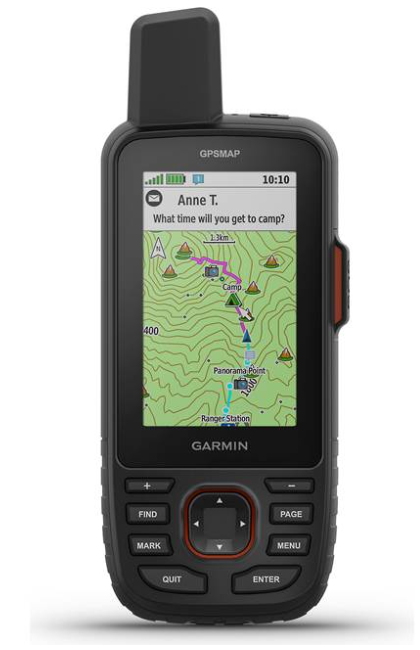
Best Satellite Communication Device: Garmin inReach Mini 2
One of the biggest challenges with traveling in Alaska is how quickly you can lose reliable cell service. There are plenty of places where your phone works perfectly fine until suddenly it doesn't.
The Garmin inReach Mini 2 is a compact satellite communicator designed for two-way messaging, location sharing, and interactive SOS communication through a supported satellite service.
For remote Alaska travel, the ability to communicate beyond cellular coverage can be tremendously valuable. Whether you're hiking, hunting, snowmachining, or traveling through areas with limited infrastructure, having a way to request assistance is an important part of emergency planning.
There are a few things to understand before relying on one. Satellite communication requires an active service plan, a charged battery, and suitable access to the sky. Terrain, heavy cover, and other conditions may affect connectivity. An SOS request also does not mean rescue will be immediate.
Before leaving, activate the device, understand its features, and test communication according to Garmin's instructions. Keep it somewhere accessible rather than buried in your pack.
Best for: Remote travelers, hunters, hikers, snowmachine riders, and anyone spending time beyond dependable cell coverage.
Check Price on Amazon
Best Fast Water-Boiling Stove: Jetboil Flash
Access to hot water can make a miserable winter outing a little more manageable. Hot drinks, warm food, and the ability to melt snow for water are all reasons a compact stove can be useful in Alaska.
The Jetboil Flash is an integrated canister stove system designed primarily for efficiently boiling water. Its compact design makes it attractive for backpacking and other outdoor activities where space and weight matter.
However, there's an important Alaska-specific consideration: standard canister stoves can struggle in very cold temperatures. As fuel pressure drops, stove performance may suffer or the stove may stop functioning effectively.
That doesn't make the Jetboil a bad choice. It simply means you need to understand its limitations and plan around the temperatures you're likely to encounter. Follow the manufacturer's instructions for approved fuels and operating conditions.
Never operate a fuel-burning stove inside a vehicle, tent, bivvy, or other enclosed shelter. Carbon monoxide poisoning and fire are serious risks.
Best for: Travelers who want a compact, efficient water-boiling system for conditions within the stove's operating limits.
Check Price on Amazon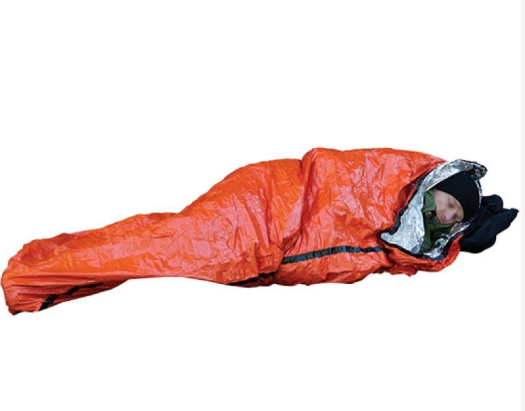
Best Compact Emergency Shelter: SOL Emergency Bivvy
One of the greatest dangers during an unexpected Alaska winter emergency is losing body heat faster than you can replace it.
The SOL Emergency Bivvy is a compact emergency sleeping-bag-style shelter intended to help reduce heat loss and provide a protective barrier against some environmental exposure.
Its small packed size makes it an appealing addition to a backpack, hunting pack, or emergency kit. When you're trying to keep gear manageable, having something that takes up relatively little space can make it easier to carry emergency protection consistently.
But an emergency bivvy is not the same thing as a winter-rated sleeping bag. It does not generate heat, provide substantial ground insulation, or guarantee protection during prolonged exposure to extreme temperatures.
In Alaska, I would treat a bivvy as a backup layer within a larger survival system, not as my entire overnight plan.
Best for: Hikers, hunters, snowmachine riders, and travelers who need compact emergency protection against heat loss.
Check Price on Amazon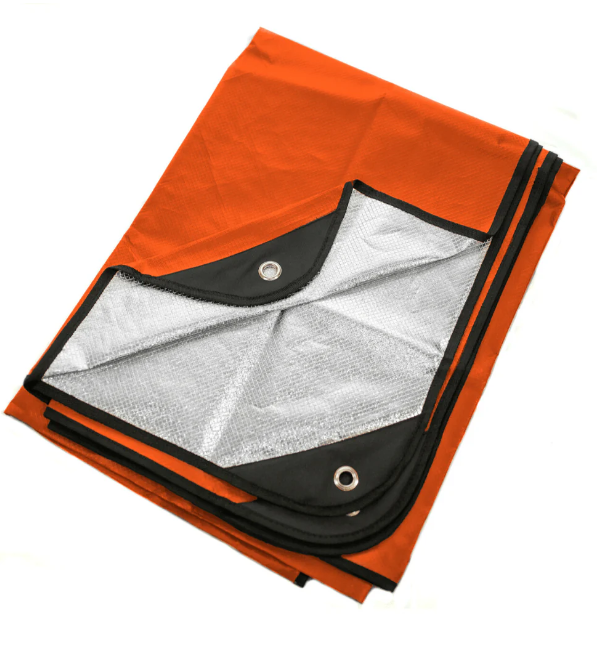
Best Reusable Emergency Blanket: Arcturus Emergency Blanket
An emergency blanket can be useful for more than simply wrapping yourself up when you're cold.
The Arcturus Emergency Blanket is a reusable reflective blanket that can provide an additional barrier against wind and moisture, depending on how it is used.
It can also be useful as an extra covering over existing insulation or as part of an emergency shelter arrangement. Its versatility makes it worth considering for vehicle kits, cabins, and outdoor emergency supplies.
For Alaska conditions, it's important to understand that reflective blankets are not a replacement for insulated clothing or a properly rated sleeping system. They work best as part of a layered approach to reducing heat loss.
Compared with the SOL Emergency Bivvy, this blanket offers a more flexible format, while the bivvy provides a more enclosed design. The two products can complement each other, but neither should be your only defense against extreme cold.
Best for: Vehicle emergency kits, general preparedness, and additional wind and moisture protection.
Check Price on Amazon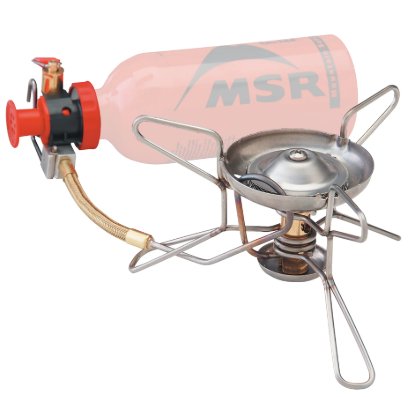
Best Liquid-Fuel Stove Option: MSR WhisperLite Stove
If you're planning extended winter travel or expect temperatures well below freezing, a liquid-fuel stove may deserve a closer look.
The MSR WhisperLite is a liquid-fuel backpacking stove known for its traditional pump-and-fuel-bottle design. Compared with typical upright canister stoves, properly operated liquid-fuel systems can offer advantages in sustained cold-weather conditions.
There is a learning curve. Liquid-fuel stoves require correct priming, careful fuel handling, and regular maintenance. They are not necessarily the easiest choice for someone who has never operated a backpacking stove.
It's also important to check which WhisperLite model you're purchasing because fuel compatibility varies by version. Use only fuels approved for that exact model.
For remote Alaska travel, reliability is about more than what the stove can do on paper. Practice using it outdoors before a trip, understand its maintenance requirements, and carry appropriate backup equipment.
Best for: Experienced winter travelers who want a serviceable liquid-fuel stove for cold-weather cooking and snow melting.
Check Price on Amazon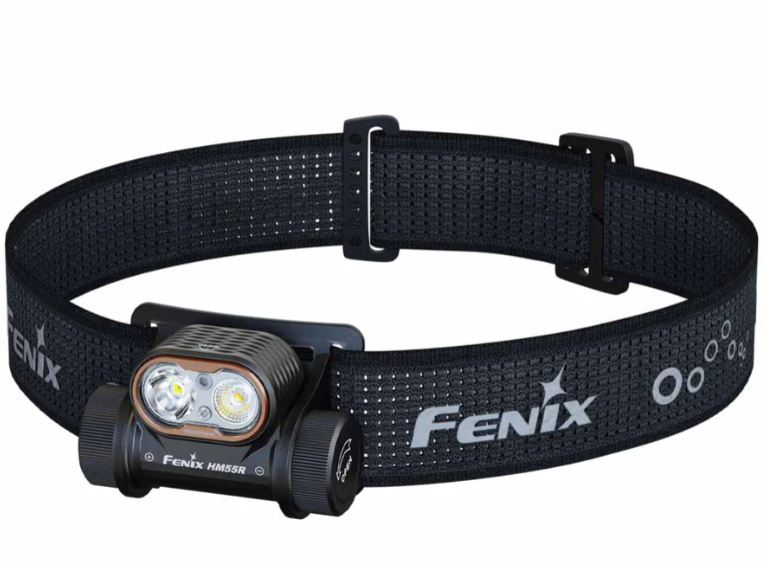
Best Winter Headlamp: Fenix HM55R
Darkness is part of winter life in Alaska, and it can arrive long before you're finished with whatever you planned to do.
The Fenix HM55R is a rechargeable headlamp that provides hands-free lighting for outdoor tasks. That can be particularly useful when you're setting up equipment, navigating a trail, checking a vehicle, or working with gloves on.
A headlamp is one of those things I consider essential even when you don't expect to be out after dark. Delays happen, and winter daylight doesn't wait for you to finish.
Remember that rechargeable batteries are affected by cold. Keep the headlamp and any backup power within the manufacturer's operating limits, and don't depend on a single light source for a remote trip.
Best for: Winter hiking, hunting, camping, vehicle emergencies, and outdoor tasks after dark.
Check Price on Amazon
Best Portable Water Filter: Sawyer Squeeze
Having access to snow and ice doesn't automatically mean you have safe drinking water. Snow must be melted, and untreated surface water can contain microorganisms that make you sick.
The Sawyer Squeeze is a lightweight filtration system designed to remove bacteria and protozoa from water when used according to its instructions.
For Alaska winter survival, there is one especially important limitation: hollow-fiber filters can be permanently damaged if they freeze after becoming wet. That damage may not be visible.
Once a Sawyer Squeeze has been used, protect it from freezing. If you suspect a wet filter has frozen, follow the manufacturer's replacement guidance rather than assuming it is still safe.
Also remember that a filter does not melt snow or remove every possible contaminant. You still need an appropriate water source, a way to produce liquid water, and treatment suited to the hazards present.
Best for: Backpackers and outdoor travelers who need a compact water filtration option and can reliably protect it from freezing.
Check Price on Amazon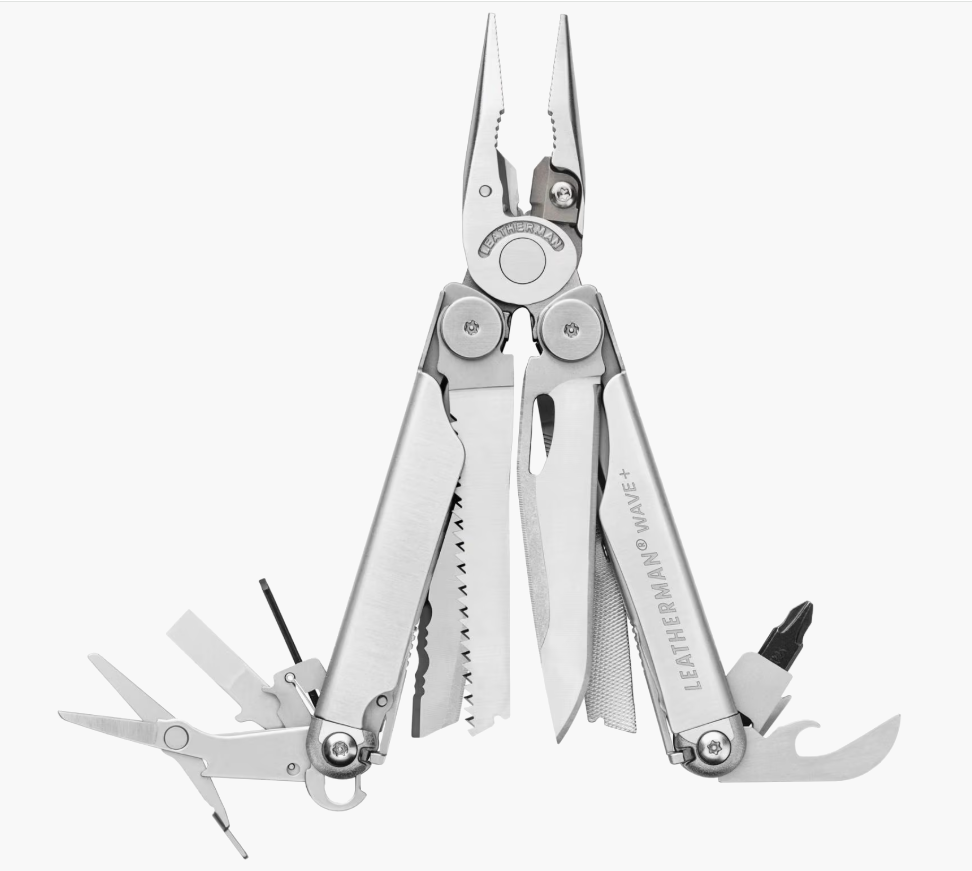
Best Multipurpose Tool: Leatherman Wave Plus
When you're away from home, having the right tool for a small repair can make a surprisingly big difference.
The Leatherman Wave Plus is a multipurpose tool that combines several common functions into one compact piece of equipment, including pliers, cutting tools, and screwdrivers.
It can be useful for minor equipment adjustments, cutting cordage, and handling small repairs when carrying a full toolbox isn't practical.
Of course, a multitool isn't a substitute for specialized repair equipment. If you're traveling by snowmachine or heading into remote country, bring the tools and spare parts your specific equipment requires.
Best for: General winter emergency kits, backpacking, hunting, and small field repairs.
Check Price on AmazonWinter Survival Gear Comparison Chart
These products address different emergency needs. Click any product name to view its Amazon listing.
| Product | Primary Purpose | Best For |
|---|---|---|
| Garmin inReach Mini 2 | Satellite communication and SOS | Remote travel beyond cell coverage |
| Jetboil Flash | Boiling water | Compact cooking in suitable temperatures |
| SOL Emergency Bivvy | Emergency heat-loss reduction | Compact personal emergency kits |
| Arcturus Emergency Blanket | Additional wind and moisture barrier | Vehicle kits and backup protection |
| MSR WhisperLite | Liquid-fuel cooking and snow melting | Experienced cold-weather travelers |
| Fenix HM55R | Hands-free lighting | Winter darkness and emergency tasks |
| Sawyer Squeeze | Water filtration | Outdoor water treatment when protected from freezing |
| Leatherman Wave Plus | Small repairs and cutting tasks | General-purpose emergency kits |
Winter Survival Priorities in Alaska
Survival equipment is only useful when you understand what problem it's supposed to solve. In Alaska's winter environment, several priorities deserve attention before you worry about extra conveniences.
1. Prevent Dangerous Heat Loss
Cold temperatures, wind, and moisture can combine to create dangerous conditions. Hypothermia can develop even when temperatures are above freezing, particularly if clothing becomes wet.
Protect yourself from wind, replace wet clothing when possible, and use insulating layers and ground protection. An emergency bivvy or blanket can help reduce additional heat loss, but it cannot replace adequate insulation.
2. Communicate and Make Yourself Findable
If you're injured, stranded, or lost, getting help may be more important than trying to travel farther.
Carry an appropriate communication device, share your route with someone you trust, and establish a check-in plan. A satellite communicator is particularly valuable in areas without cell coverage.
If you're in immediate danger, activate emergency assistance using the equipment available. Do not delay requesting help because you hope the situation will improve on its own.
3. Find Protection From the Weather
Wind exposure can accelerate heat loss. A safe location protected from wind, with appropriate insulation from the ground, can make a substantial difference.
Emergency shelter should be chosen for your actual environment. A lightweight bivvy might be useful as backup protection, but extreme cold and overnight exposure may require much more substantial equipment.
4. Maintain Safe Drinking Water
Dehydration remains a concern during winter, even when you don't feel especially thirsty. Keep drinking water protected from freezing and carry a reliable means of producing additional safe water if your trip requires it.
Snow and ice must be melted before drinking, and water from natural sources may need treatment. Never assume a portable filter is functional after it has frozen while wet.
5. Avoid Turning One Emergency Into Another
A winter survival situation can become worse when someone makes a rushed decision. Traveling into poor visibility, attempting unsafe river crossings, or operating a stove in an enclosed space can create additional hazards.
Evaluate your surroundings, your physical condition, your equipment, and whether remaining in a safe location is preferable to continuing travel. If rescue is needed, follow the instructions of emergency responders when communication is available.
Alaska Winter Survival Conditions Guide
Alaska does not have one uniform winter climate. Interior communities, coastal areas, mountain passes, and Arctic regions can present very different survival challenges.
Rather than choosing equipment based only on the month, consider the actual conditions and hazards you may encounter.
| Alaska Conditions | Primary Risks | Survival Gear Priorities |
|---|---|---|
| Interior Extreme Cold | Rapid heat loss, frostbite, battery failure, and prolonged exposure. | Substantial insulation, reliable shelter, communication, and equipment suitable for extreme cold. |
| Coastal Wet and Windy Weather | Wet clothing, wind-driven heat loss, and rapidly changing precipitation. | Waterproof outerwear, dry backup layers, wind protection, and moisture-resistant storage. |
| Remote Winter Travel | No cell service, mechanical breakdowns, difficult access, and delayed rescue. | Satellite communication, emergency shelter, lighting, repair equipment, and additional food and water. |
| Short Daylight and Darkness | Navigation difficulties, reduced visibility, and delays after sunset. | Headlamp, backup lighting, navigation tools, spare power, and a route plan. |
| Spring Thaw and Refreezing | Unstable snow, changing ice, slush, wet gear, and slippery surfaces. | Waterproof protection, traction, dry clothing, and careful route assessment. |
Conditions can change quickly. Check forecasts, travel advisories, avalanche information where relevant, and local conditions before leaving.
Building an Alaska Winter Survival Kit
Not every winter trip requires the same equipment. A short walk near town, a highway drive, and a multi-day snowmachine trip involve different risks.
Instead of copying one universal packing list, build your emergency kit around the conditions, distance, and possibility of an unexpected overnight stay.
Personal Winter Survival Kit
For hiking, hunting, or other outdoor activities, consider carrying:
- Emergency shelter or bivvy
- Insulating clothing and dry backup layers
- Headlamp and backup lighting
- Navigation tools and a way to communicate
- First aid supplies and personal medications
- Food and protected drinking water
- Fire-starting supplies appropriate to the environment
- Repair tools and cordage
- Emergency signaling equipment
The specific quantities and equipment should reflect how long you might be delayed and the conditions you could realistically face.
Winter Vehicle Survival Kit
A vehicle provides some shelter, but it can also leave you stranded far from help.
In addition to personal survival supplies, consider a shovel, appropriate recovery equipment, tire-related supplies, emergency lighting, and equipment for addressing common vehicle problems.
For remote drives, extra insulation and a communication plan are particularly important. Do not rely on the vehicle heater as your only source of warmth.
Never run an engine with a blocked exhaust pipe, and take precautions against carbon monoxide exposure if the vehicle is stuck in snow.
Remote Snowmachine and Wilderness Kit
Remote snowmachine travel requires planning for both personal survival and mechanical problems.
Bring equipment appropriate for your machine, spare parts, recovery supplies, navigation, communication, and enough protection to survive a delay if travel becomes impossible.
If your route enters avalanche terrain, appropriate avalanche training, forecasting, and rescue equipment are essential. A general survival kit does not replace avalanche preparedness.
Buying Guide & Frequently Asked Questions
Choosing winter survival equipment is less about collecting gadgets and more about identifying the situations you're preparing for. These are some of the most important questions to ask before building your kit.
What is the most important winter survival gear for Alaska?
Start with the ability to prevent dangerous heat loss and request help. Appropriate insulated clothing, emergency shelter, reliable communication, and navigation are foundational.
The most important item depends on your circumstances. A satellite communicator may be especially valuable during remote travel, while adequate insulation and shelter are critical during exposure to extreme cold.
Should I choose the Jetboil Flash or MSR WhisperLite for winter?
These stoves are designed around different fuel systems and operating characteristics.
The Jetboil Flash is convenient for boiling water and can be a practical choice when temperatures are within the stove's operating limits. Its upright canister fuel system can become less effective as temperatures fall.
The MSR WhisperLite uses a pump-based liquid-fuel system, which can be advantageous during sustained cold-weather use. However, it requires more familiarity with priming, fuel handling, and maintenance.
For demanding cold-weather trips, a suitable liquid-fuel system may be the more dependable option, provided you know how to use it safely. Neither stove should be operated inside an enclosed shelter.
Is an emergency bivvy enough to survive an Alaska winter night?
Not by itself. An emergency bivvy can reduce some heat loss, but it is not a substitute for adequate insulation, a winter-rated sleep system, and protection from the ground and wind.
Alaska winter conditions can exceed the capabilities of compact emergency products. Plan for the possibility of an overnight delay with equipment suited to the expected temperatures.
What's the difference between the SOL Emergency Bivvy and Arcturus Emergency Blanket?
The SOL Emergency Bivvy has an enclosed sleeping-bag-style shape intended for personal emergency protection. The Arcturus Emergency Blanket is a more flexible covering that can be used in several configurations.
The bivvy may be more convenient when you need to enclose yourself quickly. The blanket offers more versatility for covering equipment, adding a barrier, or supplementing other insulation.
Both are backup tools. Neither provides the insulation of a properly rated winter sleeping bag.
Do I need a satellite communicator in Alaska?
For remote areas without reliable cellular coverage, a satellite communicator is worth serious consideration. It provides a way to send messages and request emergency assistance when normal phone service is unavailable.
However, it requires an appropriate service plan and proper operation. You should also leave a trip plan with someone who knows where you're going and when you expect to return.
Can the Sawyer Squeeze freeze in winter?
Yes. If a hollow-fiber water filter freezes after it has become wet, expanding ice can damage the internal fibers and compromise filtration.
Protect a used filter from freezing and replace it if freezing damage is suspected, following the manufacturer's guidance. For sustained freezing conditions, consider a water-treatment plan that does not depend on keeping a wet filter functional.
How do I keep batteries working in extreme cold?
Keep spare batteries protected from cold, use insulated storage where appropriate, and follow each device manufacturer's operating and charging temperature limits.
Carry backup lighting and power. Do not attempt to charge a lithium-ion battery below its approved charging temperature.
Should I stay with my vehicle if I become stranded?
Often, a vehicle provides shelter and is easier for rescuers to locate than a person traveling on foot. However, the safest decision depends on your location, weather, immediate hazards, available supplies, and communication options.
If possible, contact emergency services or your designated contact, communicate your location, and follow responder instructions. Avoid unnecessary travel into dangerous conditions.
How often should I check my winter survival kit?
Inspect your kit before winter and before major trips. Check batteries, communication subscriptions, fuel condition, damaged packaging, medications, food, and any supplies with expiration dates.
Equipment that worked last season isn't automatically ready for the next one. A few minutes of inspection at home can prevent a much bigger problem outdoors.
Final Thoughts
Alaska is an incredible place to explore in winter. Snow-covered forests, quiet trails, frozen landscapes, and long stretches of wilderness are part of what makes living here and visiting here so memorable.
But enjoying Alaska also means respecting what the environment can do when conditions change.
A good winter survival kit isn't about expecting something terrible to happen. It's about being prepared if an ordinary day becomes something you didn't plan for.
Start with protection from the cold, dependable communication, emergency shelter, and the supplies needed for your particular activity. Learn how to use your equipment before you need it, and don't let carrying survival gear become a reason to take unnecessary risks.
The goal isn't simply to have the best winter survival gear for Alaska. It's to make good decisions, be prepared for the unexpected, and come home safely after every adventure.