
Disclosure: This page contains affiliate links. As an Amazon Associate, I earn from qualifying purchases at no extra cost to you.
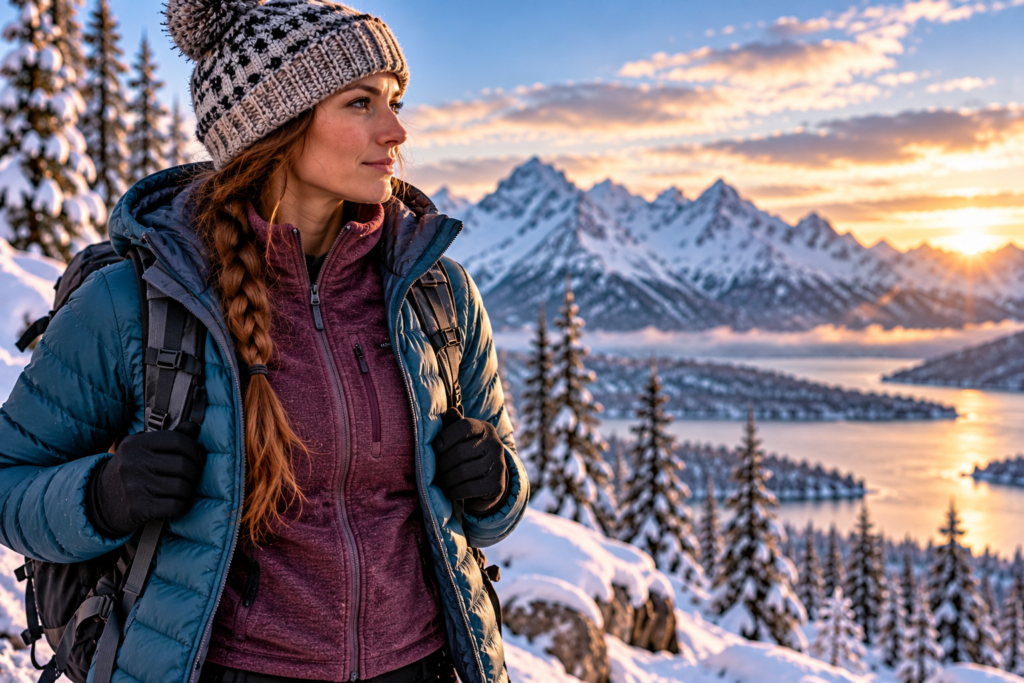
When you're dressing for winter in Alaska, your base layer is only the beginning. The next step is choosing a good mid layer, and this is where much of your insulation and temperature control comes into play.
Mid layers help trap warm air between your base layer and outer jacket. They can also make your winter clothing system more versatile, allowing you to add or remove insulation as temperatures and activity levels change.
Here in Alaska, that flexibility matters. You might start your morning in temperatures well below zero, spend part of the day inside a heated building, and head back outdoors when the temperature drops again. Or you might work up a sweat while snowshoeing, only to become cold when you stop for a break.
I've found that dressing for Alaska winters isn't simply about wearing the thickest clothing available. It's about choosing layers that work together, keeping moisture under control, and understanding when you need more insulation.
Below are six mid layers worth considering for Alaska winter travel, outdoor activities, and everyday cold-weather wear, along with practical advice for choosing the right type of insulation.
Quick Navigation
- Quick Picks
- Best Mid Layers for Alaska
- Mid Layer Comparison Chart
- Fleece vs. Synthetic Insulation vs. Cotton Hoodies
- Choosing Mid Layers for Alaska Winter Conditions
- Best Mid Layers for Different Alaska Activities
- Buying Guide & Frequently Asked Questions
- Related Alaska Winter Gear Guides
- Final Thoughts
Quick Picks
- Best Lightweight Fleece: Helly Hansen Daybreaker Fleece Jacket
- Best Active Fleece: Outdoor Research Vigor Grid Fleece Hoodie
- Best Versatile Insulated Mid Layer: Arc'teryx Atom Hoody
- Best Everyday Fleece: Columbia Steens Mountain 2.0 Fleece
- Best Casual Outdoor Fleece: The North Face Canyonlands Full-Zip Fleece Jacket
- Best Casual Workwear Hoodie: Carhartt Loose Fit Midweight Full-Zip Hooded Sweatshirt
For active winter adventures, breathable fleece is often a practical choice. For more stationary activities or colder conditions, a more insulating mid layer may be appropriate. The key is matching your clothing to what you'll actually be doing outside.
Best Mid Layers for Alaska
These six options offer different approaches to insulation, breathability, and everyday comfort. Some are designed for outdoor performance, while others are better suited to casual winter wear and activities closer to home.
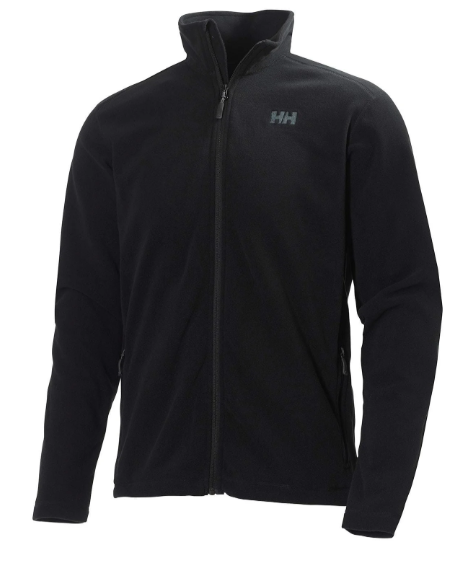
Best Lightweight Fleece: Helly Hansen Daybreaker Fleece Jacket
The Helly Hansen Daybreaker Fleece Jacket is a lightweight fleece designed to provide an additional layer of warmth without adding excessive bulk.
For Alaska winter travel, lightweight fleece can be particularly useful because it fits comfortably beneath many insulated jackets and outer shells. It also gives you flexibility when moving between indoor and outdoor environments.
One of the advantages of fleece is its ability to provide insulation while remaining relatively breathable. That makes it useful for activities where your body temperature changes throughout the day.
However, lightweight fleece is not a substitute for substantial outer insulation in extreme cold. If you're planning to stand outside for an extended period in subzero temperatures, you'll need additional layers.
For travelers who want a simple, versatile fleece that can work for casual outings and as part of a winter layering system, the Daybreaker is worth considering.
Best for: Lightweight layering, travel, and everyday winter activities.
Check Price on Amazon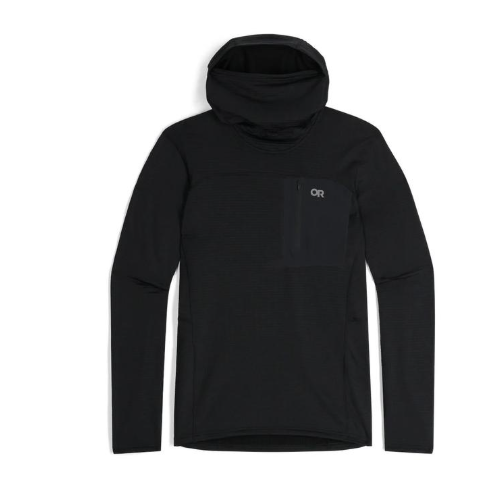
Best Active Fleece: Outdoor Research Vigor Grid Fleece Hoodie
If your Alaska winter plans include hiking, snowshoeing, or other activities that keep you moving, breathability becomes especially important.
The Outdoor Research Vigor Grid Fleece Hoodie uses a grid fleece construction designed to balance insulation with moisture management and breathability.
The textured interior creates insulating spaces while allowing heat and moisture to move more readily than some heavier, densely constructed garments.
That's helpful during activities where you're generating body heat but still need protection from cold air.
Grid fleece works particularly well beneath a wind-resistant outer layer. On its own, it may allow cold wind to pass through, so it shouldn't be your only protection in exposed winter conditions.
Best for: Winter hiking, snowshoeing, and higher-activity outdoor adventures.
Check Price on Amazon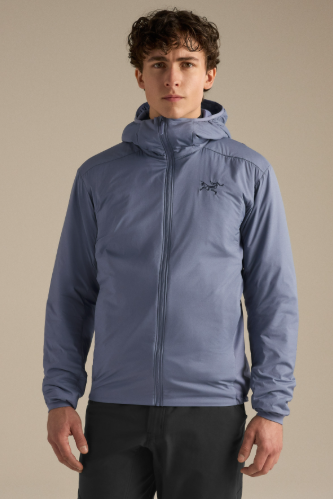
Best Versatile Insulated Mid Layer: Arc'teryx Atom Hoody
Not every mid layer needs to be made from traditional fleece. Synthetic insulated jackets can also serve as an effective insulating layer beneath a protective shell or heavier winter coat.
The Arc'teryx Atom Hoody is designed to provide lightweight synthetic insulation with a balance of warmth, mobility, and breathability.
One advantage of synthetic insulation is that it can provide useful warmth even when conditions are damp. That's worth considering in Alaska, where winter weather varies significantly between coastal communities and the Interior.
The Atom can also function as an outer jacket in suitable milder conditions, although it isn't a replacement for substantial cold-weather outerwear during severe Alaska winter temperatures.
If you want one garment that can work as an insulating layer during colder weather and as a lighter jacket when conditions allow, this is a versatile option.
Best for: Versatile winter layering, travel, and mixed activity levels.
Check Price on Amazon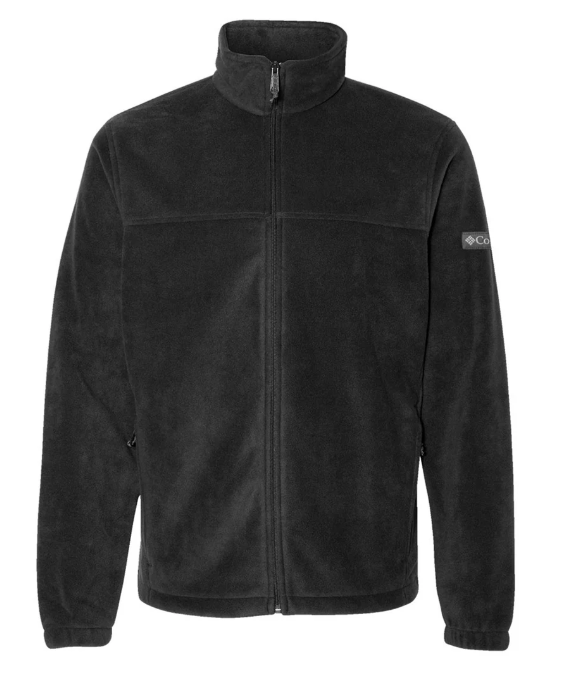
Best Everyday Fleece: Columbia Steens Mountain 2.0 Fleece
Sometimes you don't need technical outdoor clothing. You just need a comfortable fleece that provides another layer of warmth for everyday winter activities.
The Columbia Steens Mountain 2.0 Fleece is a classic fleece jacket designed for casual outdoor wear and layering.
Its straightforward design makes it useful for travel, running errands, and wearing beneath a winter coat when temperatures drop.
For Alaska visitors, having a fleece like this can be convenient because it works in several situations. You can wear it inside cooler buildings, beneath a jacket while sightseeing, or as a standalone layer during appropriate milder weather.
Just remember that fleece generally doesn't provide strong wind protection by itself. When the wind picks up or temperatures fall significantly, add suitable outerwear.
Best for: Everyday winter wear, casual travel, and simple layering.
Check Price on Amazon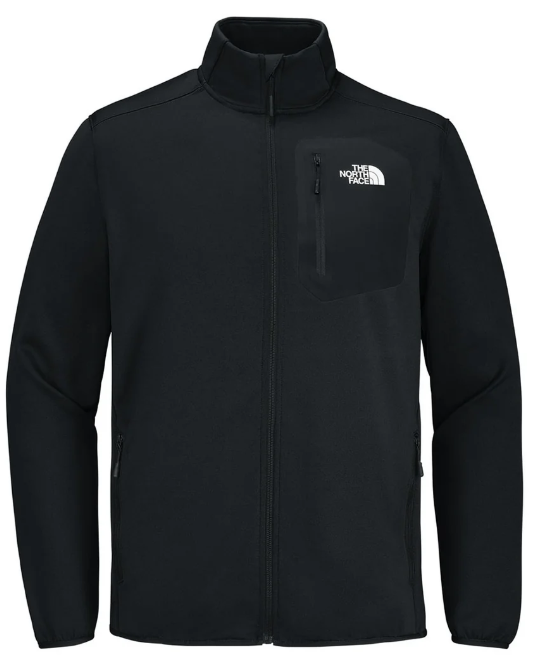
Best Casual Outdoor Fleece: The North Face Canyonlands Full-Zip Fleece Jacket
The North Face Canyonlands Full-Zip Fleece Jacket offers another option for people who want a comfortable insulating layer that works for both travel and casual outdoor activities.
Its full-zip construction makes it easy to adjust ventilation when you're moving between different temperatures or activity levels.
That flexibility is particularly useful in Alaska, where you might be outside in cold conditions one minute and inside a heated restaurant or vehicle the next.
As with other fleece garments, the Canyonlands works best as part of a layering system. It can provide warmth beneath an outer jacket but shouldn't be relied on as your only protection during extreme cold or strong wind.
For travelers who want a versatile fleece that can be worn during everyday activities and light outdoor adventures, it's worth considering.
Best for: Casual outdoor use, winter travel, and flexible everyday layering.
Check Price on Amazon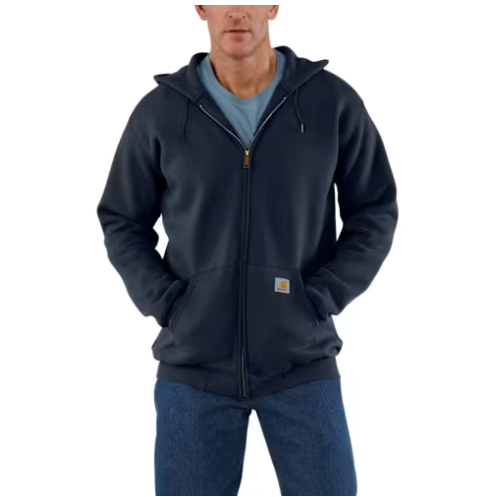
Best Casual Workwear Hoodie: Carhartt Loose Fit Midweight Full-Zip Hooded Sweatshirt
Carhartt hoodies are a familiar sight around Alaska, and for good reason. They're comfortable, practical for everyday wear, and easy to throw on when you're heading outside for errands or chores.
The Carhartt Loose Fit Midweight Full-Zip Hooded Sweatshirt provides casual insulation and a relaxed fit that works well for many everyday activities.
The full-zip design makes it convenient to adjust your layers, and the hood provides some additional coverage when you need it.
However, it's important to distinguish a casual hoodie from a technical winter mid layer. Many hoodies contain cotton, which absorbs moisture and dries slowly. That's not ideal for prolonged outdoor exposure or activities where you may sweat heavily.
For casual use around town, a hoodie may be perfectly reasonable. For winter hiking, remote travel, or severe cold, I'd choose moisture-managing insulation instead.
Best for: Everyday wear, casual chores, and winter layering in controlled conditions.
Check Price on AmazonMid Layer Comparison Chart
Each of these mid layers serves a slightly different purpose. Click a product name to view its Amazon listing.
| Mid Layer | Insulation Type | Best For |
|---|---|---|
| Helly Hansen Daybreaker Fleece Jacket | Lightweight fleece | Travel and lightweight layering |
| Outdoor Research Vigor Grid Fleece Hoodie | Breathable grid fleece | Active winter adventures |
| Arc'teryx Atom Hoody | Synthetic insulation | Versatile cold-weather layering |
| Columbia Steens Mountain 2.0 Fleece | Classic fleece | Everyday winter wear |
| The North Face Canyonlands Full-Zip Fleece Jacket | Stretch fleece | Casual outdoor activities |
| Carhartt Loose Fit Midweight Full-Zip Hooded Sweatshirt | Casual sweatshirt fabric | Errands and everyday workwear |
Fleece vs. Synthetic Insulation vs. Cotton Hoodies
Not all mid layers are designed for the same conditions. Understanding the differences between fleece, synthetic insulation, and casual sweatshirts will help you choose the right option for Alaska.
| Feature | Fleece | Synthetic Insulation | Cotton-Blend Hoodies |
|---|---|---|---|
| Breathability | Often very good | Varies by design | Varies, but moisture retention can be an issue |
| Warmth | Depends on thickness | Good warmth-to-weight potential | Comfortable casual warmth |
| Moisture Management | Generally good for polyester fleece | Can retain some insulation when damp | Cotton absorbs moisture and dries slowly |
| Wind Protection | Often limited without a shell | Varies by outer fabric | Generally limited |
| Best Use | Active layering | Versatile insulation | Casual everyday wear |
For demanding Alaska winter activities, I generally recommend prioritizing fleece or technical insulation over cotton-heavy sweatshirts. Cotton hoodies can still be useful for everyday life, but they aren't ideal when moisture, prolonged exposure, or emergency conditions become concerns.
Choosing Mid Layers for Alaska Winter Conditions
Alaska winter temperatures can vary significantly by region and weather pattern. These general recommendations are meant to help you understand how mid layers fit into your overall clothing system, not to provide guaranteed protection at specific temperatures.
| Conditions | Mid Layer Approach | Additional Considerations |
|---|---|---|
| 32°F to 20°F | Lightweight fleece or suitable synthetic insulation. | Wind, wet snow, and precipitation may require protective outerwear. |
| 20°F to 0°F | Midweight fleece or synthetic insulated mid layer. | Use appropriate base layers and insulated outerwear. |
| 0°F to -20°F | Substantial insulation, potentially with more than one insulating layer. | Prioritize wind protection, insulated outerwear, and extremity coverage. |
| Below -20°F | Purpose-built extreme cold layering system with substantial insulation. | Limit exposure when necessary and plan for access to shelter. |
Remember that someone hiking uphill may need less insulation while moving than someone standing still at the same temperature. Always consider activity, wind, moisture, and exposure time.
Best Mid Layers for Different Alaska Winter Activities
Northern Lights Viewing
Northern lights viewing often involves standing still outside for extended periods. A substantial insulating mid layer beneath a properly insulated winter parka can help you stay more comfortable.
Fleece can be useful, but depending on the temperature, you may need additional insulation beyond a single mid layer.
Winter Hiking and Snowshoeing
For hiking and snowshoeing, breathable mid layers are particularly useful. Grid fleece and lighter fleece jackets allow you to adjust your clothing as your body generates heat.
Carry an additional insulated layer for rest stops and emergencies, especially when traveling away from maintained trails or populated areas.
Ice Fishing
Ice fishing can involve long periods of limited movement. In these conditions, more insulation is often necessary than you would wear while hiking.
Pair a suitable mid layer with thermal base layers, insulated bibs, a winter-rated jacket, and warm boots. Make sure your clothing allows you to move safely while managing equipment.
Outdoor Work
Winter work often involves alternating between exertion and rest. A breathable fleece can help manage heat while you're moving, while an additional insulated jacket can provide warmth during breaks.
For outdoor work, pay close attention to moisture buildup. Sweating heavily and then standing still in damp clothing can leave you cold quickly.
Everyday Winter Wear
For errands, commuting, and short periods outdoors, a comfortable fleece or casual hoodie may be enough beneath an appropriate winter coat.
However, if you're driving outside town or traveling in extreme cold, carry additional insulation in your vehicle in case of an unexpected delay.
Buying Guide & Frequently Asked Questions
What is the best type of mid layer for Alaska winters?
Fleece and synthetic insulated garments are both useful options. Fleece is often a good choice for active use because it can provide warmth while allowing moisture and excess heat to escape. Synthetic insulated garments can offer additional warmth and versatility.
The best option depends on your activity, temperature, and outerwear.
Is fleece warm enough for Alaska?
Fleece can provide useful insulation, but it's rarely sufficient as your only layer during very cold conditions.
For Alaska winters, fleece usually works best over a base layer and beneath a weather-appropriate outer jacket.
Should a mid layer fit tightly?
A mid layer should fit comfortably over your base layer without restricting movement. It also needs to fit beneath your outer jacket without excessive compression.
Very tight layers can reduce comfort and interfere with the insulating air spaces that help keep you warm.
Can I wear a cotton hoodie as a mid layer?
For casual activities close to heated buildings, a cotton-blend hoodie can be comfortable.
For prolonged outdoor exposure, remote travel, or strenuous activity, cotton is less desirable because it absorbs moisture and dries slowly. Technical fleece or other moisture-managing insulation is generally a better choice.
Is synthetic insulation better than fleece?
Neither is universally better. Fleece often offers excellent breathability and works well during active movement, while synthetic insulated garments can provide more warmth for their weight depending on construction.
Some winter clothing systems benefit from having both available.
How many mid layers do I need for extreme cold?
That depends on the temperature, wind, activity level, and insulation provided by your outerwear.
For very cold conditions, more than one insulating layer may be useful, but excessive bulk can restrict movement or compress insulation. Choose a coordinated clothing system rather than simply adding as many garments as possible.
Can I use the same mid layer for hiking and northern lights viewing?
Yes, but you may need substantially different outer insulation.
During hiking, breathable clothing helps manage perspiration. During northern lights viewing, you're likely to need more insulation because you're standing still.
Should I choose a hooded or non-hooded mid layer?
Both can work well. A hood provides additional head and neck coverage, while a non-hooded fleece may layer more comfortably beneath a winter parka with its own insulated hood.
Consider how the hoods and collars of your different garments fit together.
What is the biggest mistake people make with mid layers?
One common mistake is wearing too much insulation while active, sweating heavily, and then becoming cold when movement stops.
The goal is to stay warm without allowing excessive moisture to build up inside your clothing. Adjust your layers as conditions change.
Final Thoughts
A good mid layer is one of the most versatile pieces of clothing you can own for Alaska winters. It helps provide insulation, gives you flexibility as temperatures change, and makes your entire clothing system more effective.
Whether you choose a lightweight fleece, breathable grid fleece, synthetic insulated jacket, or a comfortable everyday hoodie, the most important thing is understanding when and how to use it.
For active winter adventures, prioritize breathability and moisture management. For stationary activities and extreme cold, make sure you have enough insulation to stay protected.
And remember, no single mid layer is going to keep you warm in every Alaska winter situation. Your base layers, outerwear, boots, gloves, and other protective clothing all need to work together.
Choose clothing that fits your activities, pay attention to changing conditions, and don't underestimate the importance of staying dry.