
Disclosure: This page contains affiliate links. As an Amazon Associate, I earn from qualifying purchases at no additional cost to you.
Winter darkness is a part of life in Alaska, and it's something visitors don't always fully understand until they experience it for themselves.
In Fairbanks, daylight becomes extremely limited during the middle of winter. Farther north, communities above the Arctic Circle experience periods when the sun doesn't rise at all. Even in Southcentral Alaska, winter days are much shorter than what many visitors are accustomed to.
But darkness doesn't mean everything stops.
Alaskans still go to work, walk their dogs, shovel snow, haul firewood, and enjoy outdoor activities. People head out to photograph the northern lights, explore winter trails, go ice fishing, and travel to remote cabins.
And when you're doing those things, having a dependable light source matters.
A good headlamp keeps your hands free while providing illumination where you're looking. That's useful when you're carrying equipment, adjusting your winter clothing, navigating a trail, or working around a vehicle after dark.
However, not every headlamp is equally suited to Alaska winters.
Cold temperatures can reduce battery performance, snow can reflect light back toward your eyes, and the wrong beam pattern can make it harder to see what you're doing. Comfort also matters because a headlamp needs to work with your winter hat, hood, or helmet.
In this guide, we're looking at six headlamps worth considering for Alaska winter darkness. I'll explain what makes each one useful, how to choose between different lighting options, and what you should know about batteries, brightness, and safe winter travel.
Quick Navigation
- Quick Picks
- Best Headlamps for Alaska Winter Darkness
- Headlamp Comparison Chart
- Important Headlamp Features
- Battery Performance in Alaska Cold
- Choosing Headlamps for Winter Activities
- Winter Darkness Safety Tips
- Buying Guide & Frequently Asked Questions
- Related Alaska Winter Gear Guides
- Final Thoughts
Quick Picks
- Best All-Around Winter Headlamp: Fenix HM55R Rechargeable Headlamp
- Best for Hiking and Everyday Winter Use: Black Diamond Spot 400
- Best Versatile Outdoor Headlamp: Petzl Actik Core
- Best Lightweight Headlamp: Nitecore NU25 UL
- Best for Work and Utility Tasks: Coast XPH30R
- Best Everyday Rechargeable Option: Energizer Vision Ultra HD Rechargeable Headlamp
For Alaska winter use, I recommend prioritizing reliable battery performance, a comfortable fit, useful low-light settings, and an easy-to-operate control system over simply choosing the headlamp with the highest advertised brightness.
Best Headlamps for Alaska Winter Darkness
These six headlamps offer different approaches to hands-free lighting. Some emphasize portability, while others may be better suited to regular outdoor use, work, or winter recreation.
Best All-Around Winter Headlamp: Fenix HM55R Rechargeable Headlamp
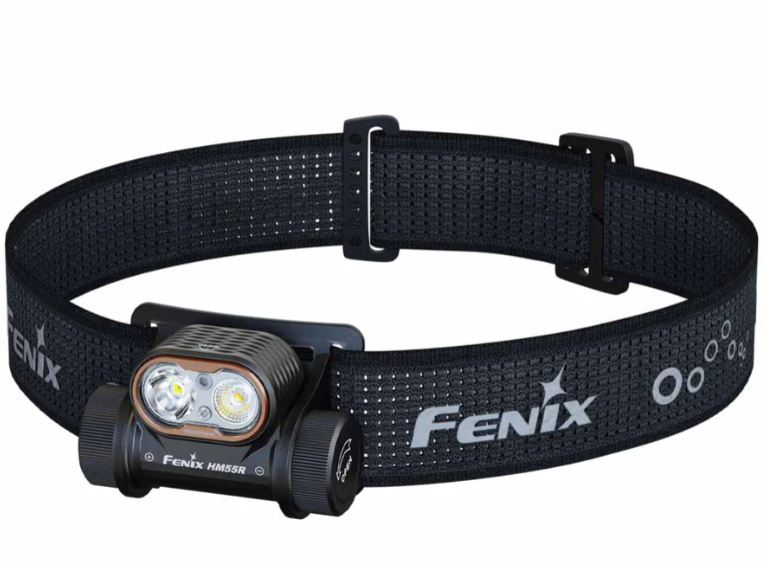
The Fenix HM55R is a versatile rechargeable headlamp worth considering for people who spend time outdoors during Alaska's long winter nights.
Whether you're walking a snowy trail, checking equipment around camp, or preparing for an evening northern lights outing, having a dependable headlamp can make a significant difference.
One of the advantages of a rechargeable headlamp is convenience. Instead of replacing disposable batteries after every period of use, you can recharge the device when you have access to power.
However, rechargeable lighting requires some planning during Alaska winters.
Cold temperatures can reduce the usable capacity of lithium-ion batteries, and you may notice shorter operating times when your headlamp is exposed to severe cold.
For that reason, I recommend keeping a backup lighting option available, especially during remote outdoor activities.
The Fenix HM55R is a practical candidate for people who want one headlamp for a variety of winter tasks rather than carrying several different lighting devices.
Before purchasing, confirm the exact model's lighting modes, battery configuration, water resistance, and operating temperature recommendations.
Best for: General Alaska winter use, outdoor recreation, northern lights outings, camping, and everyday hands-free lighting.
Check Price on Amazon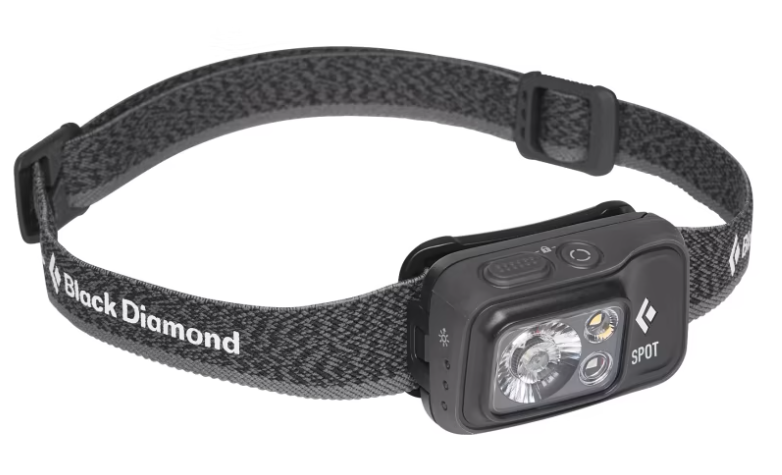
Best for Hiking and Everyday Winter Use: Black Diamond Spot 400
The Black Diamond Spot 400 is a popular style of outdoor headlamp designed for activities where dependable hands-free lighting is important.
For Alaska, that includes winter hiking, walking trails after work, camping, and everyday activities during the darker months.
One of the most useful things about a headlamp is that it allows you to direct light where you're looking without occupying your hands.
That becomes especially helpful when you're carrying trekking poles, adjusting a backpack, or navigating uneven terrain beneath snow.
For winter hiking, brightness isn't the only consideration. You also want a comfortable headband, manageable controls, and lighting modes that allow you to conserve battery power.
Excessively bright lighting can reflect off snow and create glare, particularly during snowfall or when you're walking through blowing snow.
Using a lower setting when appropriate can improve comfort and help extend battery life.
Before buying, verify the specific Spot 400 version's battery requirements, weather resistance, and compatibility with any rechargeable battery system you intend to use.
Best for: Winter hiking, walking trails, camping, and everyday outdoor activities in Alaska.
Check Price on Amazon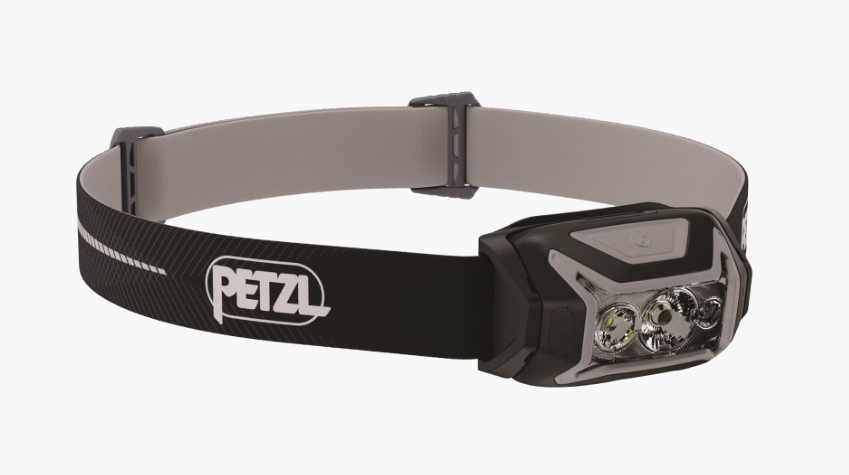
Best Versatile Outdoor Headlamp: Petzl Actik Core
The Petzl Actik Core is another option worth considering for Alaska winter recreation.
Petzl designs headlamps for outdoor activities, and the Actik Core is intended for situations where portable hands-free lighting is useful.
For winter travelers, versatility matters because you may need your headlamp for several different tasks during a single outing.
You might use it to organize gear before sunrise, follow a snowy trail, prepare food at camp, or find something inside your vehicle after dark.
One feature worth examining is the battery system. Certain Petzl headlamps are designed around rechargeable battery technology while also supporting compatible alternative power sources.
Check the exact Actik Core version and its manufacturer-approved battery options before purchasing additional batteries.
Having a practical backup power plan can be especially valuable during Alaska winter travel, when cold temperatures may reduce battery performance.
Also pay attention to the headband fit. Your headlamp should stay securely positioned over a winter hat without becoming uncomfortable.
Best for: Hiking, camping, winter travel, and outdoor activities where versatile lighting and power options are useful.
Check Price on Amazon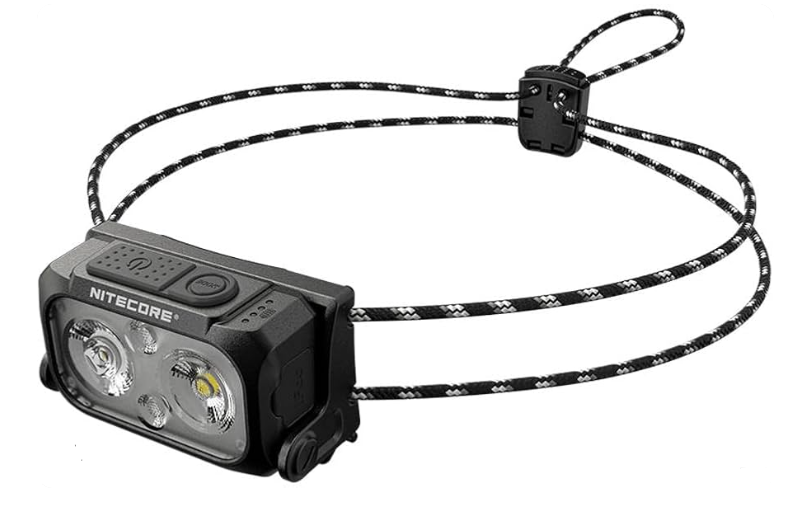
Best Lightweight Headlamp: Nitecore NU25 UL
Not every winter adventure requires a large or heavy headlamp.
For people who prioritize compact equipment, the Nitecore NU25 UL offers a lightweight approach to hands-free lighting.
That can be particularly appealing for winter hikers, backpackers, and travelers who want to keep their equipment manageable.
When you're already carrying insulated clothing, emergency supplies, water, and other winter essentials, reducing unnecessary weight can make your gear more comfortable to carry.
However, a lightweight design doesn't automatically mean a headlamp is the best choice for every Alaska activity.
Battery capacity, operating time, brightness settings, and ease of use are all important considerations.
For short outings or as an additional lighting option, a compact headlamp can be convenient. For remote trips, you should evaluate whether its battery capacity and durability are appropriate for your plans.
As with other rechargeable headlamps, protect the battery from unnecessary exposure to extreme cold and follow the manufacturer's charging instructions.
Best for: Lightweight winter hiking, backpacking, travel, and people who prefer compact equipment.
Check Price on Amazon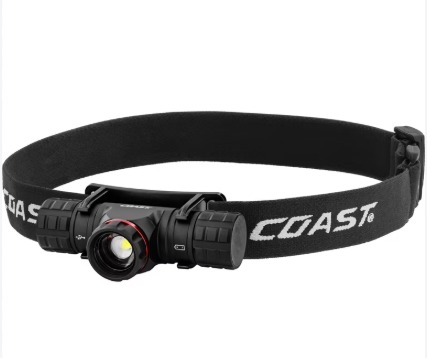
Best for Work and Utility Tasks: Coast XPH30R
Sometimes you need a headlamp for more than recreation.
During Alaska winters, hands-free lighting can be useful for working around your property, checking equipment, shoveling snow, or handling unexpected vehicle problems after dark.
The Coast XPH30R is worth considering for people who want a headlamp that can serve both outdoor and practical work-related purposes.
For utility tasks, beam control is particularly important. A concentrated beam may help illuminate a specific work area, while a broader beam can be useful when you're moving around.
Comfort also matters if you're wearing the headlamp for extended periods.
Make sure the headband fits properly over your winter clothing or approved protective equipment and that the light doesn't shift while you're moving.
Another consideration is operating the controls while wearing gloves. Alaska winters aren't always forgiving when you need to remove your gloves just to adjust a light.
Before purchasing, check the exact model's lighting functions, battery system, and manufacturer-approved mounting options.
Best for: Outdoor chores, equipment checks, vehicle maintenance, and practical winter utility tasks.
Check Price on Amazon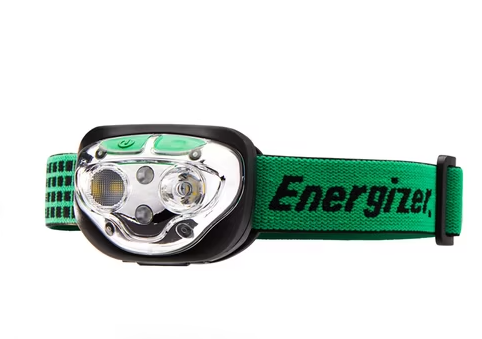
Best Everyday Rechargeable Option: Energizer Vision Ultra HD Rechargeable Headlamp
The Energizer Vision Ultra HD Rechargeable Headlamp is another option for people who want convenient hands-free lighting during Alaska's darker months.
For everyday activities, a rechargeable headlamp can be useful because it eliminates the need to continually replace disposable batteries.
That makes it a practical category to consider for walking the dog, clearing snow, organizing gear, or completing chores outside after work.
For visitors, a headlamp can also be a useful addition to a winter travel bag, especially if you're planning evening outdoor activities.
However, the exact features and performance of rechargeable headlamps vary by model.
Before purchasing, check the available lighting modes, battery capacity, charging requirements, and operating temperature limitations.
And remember that rechargeable batteries may provide less usable power during severe cold.
For remote Alaska travel, always carry an independent backup light rather than relying entirely on one rechargeable device.
Best for: Everyday winter activities, travel, outdoor chores, and people who prefer rechargeable lighting.
Check Price on AmazonHeadlamp Comparison Chart
Here's a quick comparison of the six headlamps featured in this guide. Click any product name to view its Amazon listing.
| Headlamp | Category | Best Use | Important Consideration |
|---|---|---|---|
| Fenix HM55R | Rechargeable outdoor headlamp | General winter use | Cold-weather battery management |
| Black Diamond Spot 400 | Outdoor hiking headlamp | Hiking and camping | Check compatible battery options |
| Petzl Actik Core | Versatile outdoor headlamp | Winter recreation | Verify power compatibility |
| Nitecore NU25 UL | Lightweight rechargeable headlamp | Lightweight hiking and travel | Assess battery capacity for trip length |
| Coast XPH30R | Utility headlamp | Work and outdoor chores | Beam control and mounting compatibility |
| Energizer Vision Ultra HD Rechargeable | Rechargeable everyday headlamp | Everyday winter activities | Charging access and battery performance |
Important Headlamp Features for Alaska Winter Darkness
Brightness and Lumens
Headlamp brightness is commonly measured in lumens, but a higher lumen rating doesn't automatically mean a headlamp is better for Alaska.
For everyday tasks, moderate lighting may be more comfortable than an extremely bright beam. For navigating unfamiliar terrain, you may benefit from a stronger beam with useful distance illumination.
Remember that manufacturers may advertise maximum output levels that can't be maintained continuously because of battery consumption or heat management.
Beam Pattern
Some headlamps provide a broad flood beam, while others offer a more concentrated spotlight.
Flood lighting is useful for close-range tasks, while a focused beam can help you see farther along a trail.
For general Alaska use, a headlamp with practical lighting options can be more useful than one designed around a single beam pattern.
Red Light Modes
Red lighting can be useful when you want to preserve some of your dark adaptation or avoid disturbing other people nearby.
For northern lights viewing, a low-output red mode can help you adjust camera equipment without repeatedly exposing your eyes to bright white light.
However, not every headlamp includes a red mode, so confirm the exact model's features before purchasing.
Comfort Over Winter Clothing
A headlamp that fits comfortably over a thin hat may feel different over a thick winter beanie or hood.
Look for an adjustable headband and a design that stays in place without excessive pressure.
If you're using a helmet, verify that the mounting method is compatible and doesn't interfere with protective equipment.
Glove-Friendly Controls
During Alaska winters, removing your gloves to operate a small button can become frustrating very quickly.
Consider how easily you can change lighting modes while wearing your usual winter gloves.
Water and Snow Resistance
Headlamps used outdoors may be exposed to snowfall, condensation, and moisture.
Check the manufacturer's water-resistance rating and remember that water resistance doesn't necessarily mean a device is suitable for submersion or every weather condition.
How Alaska Cold Affects Headlamp Batteries
One of the biggest challenges with winter lighting is battery performance.
Cold temperatures can reduce the available power from batteries, and the effects can become especially noticeable during extended outdoor use.
This is important in Alaska because you may be using your headlamp for several hours while temperatures remain well below freezing.
Rechargeable Lithium-Ion Batteries
Rechargeable lithium-ion batteries are common in modern headlamps.
They offer convenient reusable power, but cold temperatures can reduce their usable capacity and affect performance.
Keep spare batteries or a backup headlamp protected from severe cold when possible, and never charge a battery outside its manufacturer-approved temperature range.
Disposable Lithium Batteries
Some headlamps support disposable lithium primary batteries, which may offer advantages in cold conditions compared with certain other battery chemistries.
However, battery compatibility varies. Only use battery types approved for your exact headlamp model.
Alkaline Batteries
Alkaline batteries can experience reduced performance in cold temperatures.
If your headlamp uses alkaline batteries, plan for shorter operating times in severe cold and carry appropriate backups.
Keep Backup Power Available
For winter hikes, remote travel, or northern lights outings, I recommend carrying an independent backup light.
A second headlamp or flashlight can be more useful than relying entirely on one device and one battery.
For longer trips, plan your lighting needs based on the expected duration of darkness and the possibility of delays.
Choosing a Headlamp for Different Alaska Winter Activities
Northern Lights Viewing
When you're watching or photographing the northern lights, you generally don't need an extremely bright light running continuously.
A low-output mode can help you move around without creating unnecessary glare, while a red light setting may be useful for checking camera controls.
Always be considerate of other photographers and viewers. Bright headlamps can interfere with long-exposure photographs and other people's night vision.
Winter Hiking and Snowshoeing
For winter hiking, choose a headlamp that provides sufficient illumination to identify trail conditions, obstacles, and changes in terrain.
Snow can conceal ice, holes, and uneven surfaces, so don't assume a well-lit trail is automatically safe.
Carry backup lighting and make sure your route is appropriate for your experience and the conditions.
Ice Fishing
Ice fishing during winter darkness may involve setting up shelters, organizing equipment, and moving across frozen surfaces.
A headlamp can help keep your hands free, but it doesn't replace appropriate ice-safety precautions.
Always verify local ice conditions and avoid traveling onto uncertain ice.
Winter Camping
For winter camping, a headlamp is useful for cooking, organizing equipment, setting up shelter, and navigating around camp.
Multiple brightness settings can help conserve battery power during close-range tasks.
Carry enough backup lighting for unexpected delays.
Vehicle Emergencies
Having a headlamp in your winter vehicle emergency kit can be extremely useful.
If you need to inspect your vehicle, locate supplies, or deal with a problem after dark, hands-free lighting allows you to use both hands.
Store your lighting equipment appropriately and inspect its battery condition regularly.
Everyday Alaska Life
Sometimes a headlamp is simply one of the most useful things you can keep near the door during winter.
Walking the dog, hauling firewood, shoveling snow, and checking outdoor equipment are all easier when you can see what you're doing without holding a flashlight.
Winter Darkness Safety Tips for Alaska
Always Carry Backup Lighting
For outdoor activities beyond your immediate home or vehicle, carry a backup light rather than relying on a single headlamp.
Don't Rely on Your Phone Flashlight
Phone batteries can lose usable capacity in severe cold, and a phone may be needed for communication or navigation.
A dedicated headlamp is a more practical primary light source for many winter activities.
Know Your Route Before Dark
Familiarize yourself with trails, parking areas, and return routes before heading out.
Darkness can make familiar terrain more difficult to navigate, particularly when snowfall changes the appearance of the landscape.
Be Visible Around Roads and Vehicles
A headlamp helps you see, but it doesn't necessarily make you highly visible to drivers from every direction.
Use reflective clothing or other appropriate visibility equipment when walking near traffic.
Protect Your Eyes from Glare
Bright light reflecting off snow can make it harder to see, particularly during active snowfall.
Adjust the brightness and beam angle as needed rather than assuming the highest setting is always best.
Respect Wildlife
Wildlife can still be active during Alaska's darker months.
Remain aware of your surroundings and don't approach wildlife simply because you have a headlamp.
Buying Guide & Frequently Asked Questions
Do I need a headlamp when visiting Alaska in winter?
A headlamp is a useful addition to your winter packing list, especially if you're planning northern lights viewing, hiking, camping, or other outdoor activities after dark.
What is the best headlamp for Alaska winter?
The best choice depends on your activities. The Fenix HM55R is a versatile option for general use, while the Black Diamond Spot 400 and Petzl Actik Core are worth considering for hiking and outdoor recreation.
How many lumens do I need for winter hiking?
The appropriate brightness depends on terrain, trail conditions, speed, and visibility. A moderate setting may be sufficient for close-range walking, while unfamiliar or technical terrain may require greater illumination.
Are rechargeable headlamps good for Alaska?
They can be convenient, but cold temperatures can reduce battery performance. Carry backup lighting and follow the manufacturer's operating and charging recommendations.
Do headlamp batteries die faster in cold weather?
They can provide less usable energy in cold conditions. The effect varies by battery chemistry, temperature, and power demand.
Are lithium batteries better for cold weather?
Some lithium battery chemistries perform better in cold conditions than alkaline batteries. However, only use batteries approved for your exact headlamp.
Can I recharge a headlamp battery when it's freezing?
Only if the manufacturer explicitly permits charging at that temperature. Charging lithium-ion batteries below their approved temperature range can cause damage or create safety risks.
Should I bring a headlamp for northern lights viewing?
Yes. A headlamp can help you navigate safely, organize equipment, and return to your vehicle. Use a low-output or red-light setting when appropriate to avoid disturbing other viewers.
Is red light better for northern lights photography?
Low-output red light can help preserve dark adaptation and reduce interference with nearby photographers, but it should still be used carefully during long-exposure photography.
Can I wear a headlamp over a winter hat?
Many headlamps have adjustable straps that can fit over winter hats. Check the headband size and make sure the light remains secure and comfortable.
Can I attach a headlamp to my helmet?
Some headlamps support compatible helmet mounting systems. Only use approved mounting methods that don't interfere with the helmet's protective function.
Do I need a waterproof headlamp?
Weather resistance is worth considering for Alaska winter use, especially when snow, condensation, or moisture may be present. Check the exact product's water-resistance rating.
How long should a headlamp battery last?
Operating time varies significantly based on brightness, battery capacity, temperature, and the device's power-management system.
Check the manufacturer's specifications and plan for reduced performance in cold weather.
Is one headlamp enough for a winter trip?
For remote winter travel, I recommend an independent backup light. If your primary headlamp fails, you don't want to be left without illumination.
What's the biggest mistake people make when choosing a headlamp?
One common mistake is focusing entirely on maximum brightness while overlooking battery life, cold-weather performance, comfort, and reliability.
For Alaska, a dependable headlamp with appropriate lighting modes and a backup power plan is often more useful than one with an impressive maximum lumen rating alone.
Final Thoughts
Winter darkness is part of what makes Alaska unique, but it also changes the way you need to prepare for everyday activities and outdoor adventures.
Whether you're watching the northern lights, hiking a snowy trail, checking equipment around your property, or dealing with a vehicle problem after dark, a dependable headlamp is one of those pieces of gear you'll be glad to have.
For general winter use, prioritize reliable lighting, comfortable fit, and practical battery management.
For hiking and outdoor recreation, look for useful lighting modes and a design that works with your winter clothing.
And for remote Alaska travel, always carry backup lighting and enough power for unexpected delays.
You don't necessarily need the brightest headlamp on the market. You need one that works for your activities, performs reliably in the conditions you're likely to encounter, and helps you move safely through the darkness.
Alaska's winter nights can be incredibly beautiful. With the right lighting and a little preparation, you can enjoy them more confidently.