
Disclosure: This page contains affiliate links. As an Amazon Associate, I earn from qualifying purchases at no extra cost to you.
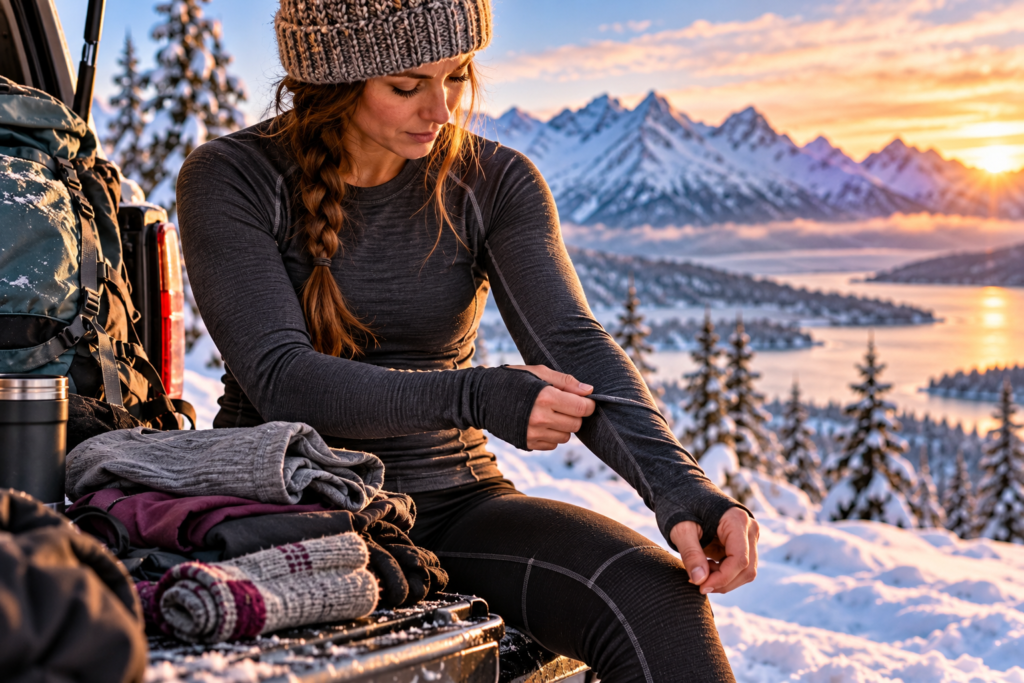
When people think about dressing for winter in Alaska, they usually think about big insulated jackets, heavy boots, and thick gloves. But one of the most important pieces of your winter clothing system is something you might not even see: your base layer.
A good base layer sits against your skin, helps manage moisture, and provides the foundation for everything you wear over it. That matters in Alaska, where winter conditions can range from wet snow around Anchorage to temperatures well below zero in Fairbanks and other Interior communities.
I've learned that staying warm isn't just about piling on more clothing. It's about choosing the right materials, avoiding trapped moisture, and being able to adjust your layers depending on what you're doing.
Whether you're planning to see the northern lights, spend a day snowshoeing, go ice fishing, or simply prepare for your first Alaska winter, choosing the right thermal clothing can make a big difference.
Below are six base layer options worth considering, along with practical advice for choosing the right material, warmth level, and fit for Alaska's winter conditions.
Quick Navigation
Quick Picks
- Best Overall Merino Wool Base Layer: Smartwool Classic Thermal Merino Base Layer
- Best Merino Wool Alternative: MERIWOOL Merino Wool Base Layer
- Best Workwear Base Layer: Carhartt Force Midweight Base Layer
- Best Athletic Base Layer: Under Armour ColdGear Base Layer
- Best Wool and Synthetic Combination: Helly Hansen LIFA Merino Base Layer
- Best Budget-Friendly Thermal Option: Thermajohn Long Johns
All six options can serve as part of a winter clothing system, but the best choice depends on how active you'll be, how much time you'll spend outside, and whether you prefer wool, synthetic fabrics, or a combination of both.
Best Base Layers for Alaska
These six base layers offer different approaches to warmth and moisture management. Some are better suited to active winter adventures, while others make more sense for everyday wear, outdoor work, or long periods in cold conditions.

Best Overall Merino Wool Base Layer: Smartwool Classic Thermal Merino Base Layer
When it comes to dressing for Alaska winters, merino wool is one of the first materials I recommend considering. The Smartwool Classic Thermal Merino Base Layer is designed for cold-weather use, offering insulation while helping manage moisture next to your skin.
Merino wool has several advantages for winter clothing. It can help regulate temperature, resist odors, and remain insulating when damp. That makes it useful when you're moving between heated buildings and freezing outdoor conditions or spending long periods outside.
For activities like northern lights viewing, winter hiking, and general cold-weather travel, a thermal-weight merino base layer provides a versatile foundation beneath fleece, insulated jackets, and other outerwear.
One consideration is that wool can take longer to dry than some synthetic fabrics, and it may require more careful washing. It's also generally more expensive than basic synthetic thermals.
Even so, if you're building a winter clothing system and want a dependable base layer that can work across different activities, Smartwool is worth considering.
Best for: General Alaska winter travel, cold-weather layering, and people who prefer merino wool.
Check Price on Amazon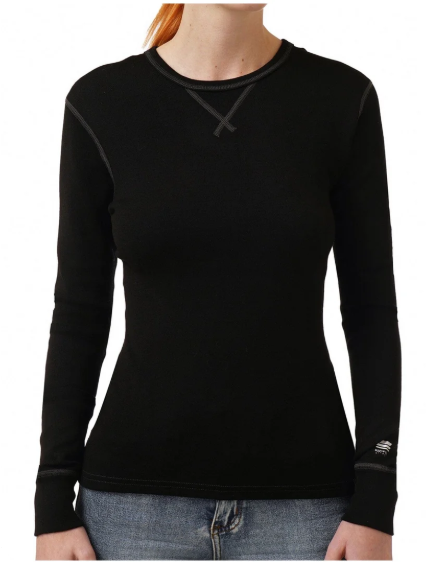
Best Merino Wool Alternative: MERIWOOL Merino Wool Base Layer
If you like the idea of merino wool but want to compare options beyond the more established outdoor clothing brands, MERIWOOL is another base layer worth looking at.
The MERIWOOL Merino Wool Base Layer is designed to provide natural insulation and moisture management for cold-weather activities. Like other merino products, it can be useful for keeping your skin more comfortable when temperatures fluctuate or your activity level changes.
For Alaska visitors, wool base layers are particularly appealing because they can be worn beneath different clothing combinations. You might use the same base layer beneath a winter coat during a northern lights tour or beneath lighter layers while walking around town.
Pay attention to the garment's fabric weight, sizing, and care instructions. Not every merino product offers the same level of insulation, and a lighter garment may need additional layers during extreme cold.
MERIWOOL can be a practical alternative for people who want the benefits of wool without limiting themselves to one brand.
Best for: Travelers looking for an alternative merino wool base layer for winter activities and everyday use.
Check Price on Amazon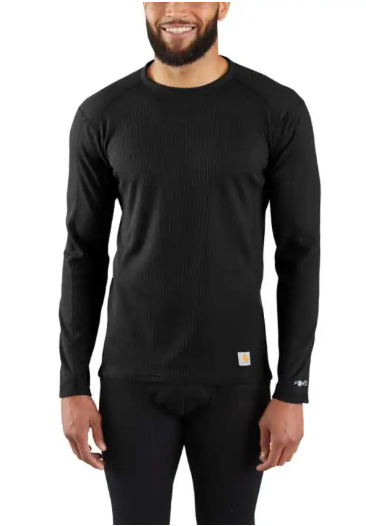
Best Workwear Base Layer: Carhartt Force Midweight Base Layer
Not everyone spending time outdoors in Alaska is hiking or sightseeing. Plenty of people are working, shoveling snow, maintaining equipment, or moving between indoor and outdoor environments throughout the day.
The Carhartt Force Midweight Base Layer is designed with active use and moisture management in mind, making it an option worth considering for winter workwear.
A midweight base layer can provide useful warmth without the bulk of heavier thermal clothing. That can be especially helpful when you're wearing insulated bibs, work pants, or multiple outer layers.
For outdoor work, moisture management is important. It's easy to get warm while moving or lifting, then become chilled when you stop. Choosing a base layer that helps manage perspiration can make those temperature changes more comfortable.
Midweight thermals may not provide enough insulation by themselves during extreme Interior Alaska cold, so plan your additional layers accordingly.
Best for: Outdoor work, winter chores, and active everyday use beneath workwear.
Check Price on Amazon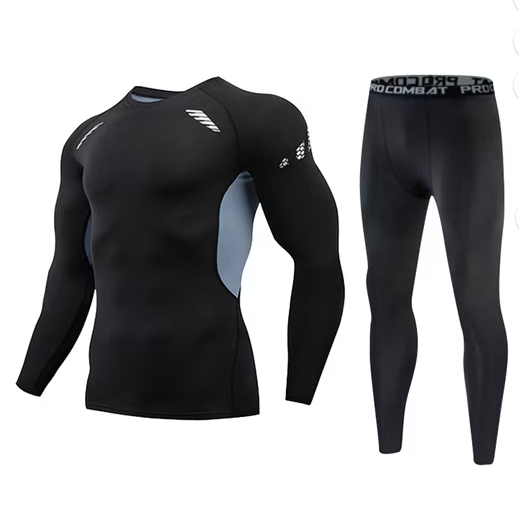
Best Athletic Base Layer: Under Armour ColdGear Base Layer
For winter activities that involve steady movement, synthetic base layers can be an excellent choice. The Under Armour ColdGear Base Layer is designed to provide warmth while helping move moisture away from your skin.
That's useful for activities like winter running, hiking, snowshoeing, and other situations where your body generates heat as you move.
One of the advantages of many synthetic base layers is that they can dry relatively quickly compared with heavier natural-fiber garments. They can also provide a close-fitting feel that works well beneath athletic clothing.
However, a close fit shouldn't restrict circulation or movement. It's also important to remember that a lightweight athletic base layer isn't a substitute for substantial insulation when you're standing still in extreme cold.
If your Alaska plans include active outdoor adventures, Under Armour ColdGear is worth comparing with wool options.
Best for: Winter exercise, snowshoeing, hiking, and other higher-activity outings.
Check Price on Amazon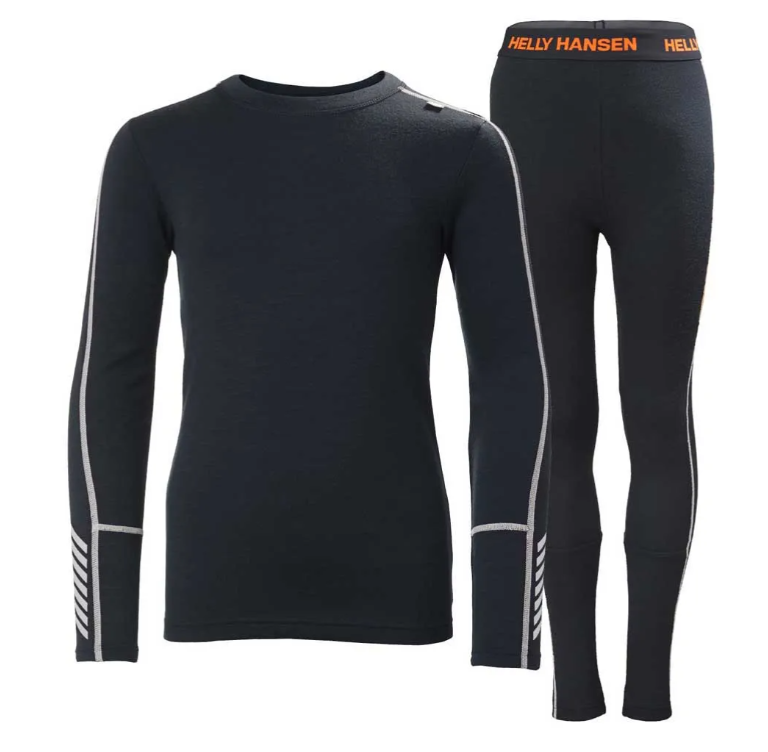
Best Wool and Synthetic Combination: Helly Hansen LIFA Merino Base Layer
Sometimes the best approach is to combine the advantages of different fabrics. The Helly Hansen LIFA Merino Base Layer uses a layered fabric concept designed to pair moisture management with the insulating properties of merino wool.
This type of construction can be useful when you're active outdoors but still need dependable warmth. The synthetic component helps move moisture, while the wool component provides additional insulation.
For Alaska winter activities, that combination is appealing because conditions and activity levels can change quickly. You might work up a sweat while snowshoeing and then need additional warmth when you stop to rest.
The right outer layers remain essential, particularly during windy weather or prolonged exposure to subzero temperatures.
For people who want both wool insulation and synthetic moisture-management characteristics, Helly Hansen offers a different approach from a traditional single-fabric base layer.
Best for: Active cold-weather adventures and people who want a wool-and-synthetic layering system.
Check Price on Amazon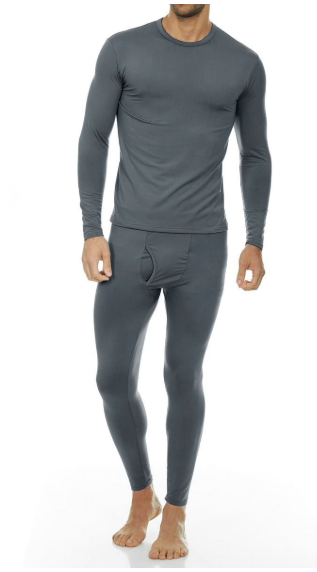
Best Budget-Friendly Thermal Option: Thermajohn Long Johns
Not everyone wants to spend a large amount of money on base layers, especially if they're visiting Alaska for a short trip or need several sets for everyday wear.
Thermajohn Long Johns are a synthetic thermal underwear option designed to provide an additional layer of warmth beneath regular clothing.
They're worth considering for casual winter use, travel, and situations where you want extra insulation without investing in premium merino wool garments.
As with other synthetic thermals, fabric weight, fit, and moisture management matter. For extended outdoor activities or severe cold, you may need more substantial insulation over them.
One advantage of having an affordable extra set of base layers is that you can change into dry clothing if your original layers become damp. During Alaska winters, dry clothing is an important part of staying comfortable.
Best for: Budget-conscious travelers, casual winter activities, and keeping spare thermal layers available.
Check Price on AmazonBase Layer Comparison Chart
Here's how these six base layers compare by material approach and intended use. Click any product name to view its Amazon listing.
| Base Layer | Material Type | Best For |
|---|---|---|
| Smartwool Classic Thermal Merino Base Layer | Merino wool | Versatile cold-weather layering |
| MERIWOOL Merino Wool Base Layer | Merino wool | Alternative wool thermal option |
| Carhartt Force Midweight Base Layer | Performance fabric | Outdoor work and daily use |
| Under Armour ColdGear Base Layer | Synthetic performance fabric | Active winter activities |
| Helly Hansen LIFA Merino Base Layer | Wool and synthetic construction | Active cold-weather adventures |
| Thermajohn Long Johns | Synthetic thermal fabric | Budget-friendly everyday warmth |
Merino Wool vs. Synthetic Base Layers for Alaska
One of the biggest decisions when shopping for base layers is choosing between merino wool and synthetic materials. Both have advantages, and neither is automatically the best choice for every winter activity.
| Feature | Merino Wool | Synthetic Fabrics |
|---|---|---|
| Warmth | Good insulation for its weight. | Varies by fabric weight and construction. |
| Moisture Management | Absorbs and manages moisture while retaining some insulating ability. | Often moves moisture efficiently and dries relatively quickly. |
| Drying Speed | Often slower than lightweight synthetics. | Often faster, depending on thickness. |
| Odor Resistance | Naturally resistant to odor buildup. | Varies by treatment and fabric construction. |
| Care | May require gentler washing and drying. | Often easier to wash and maintain. |
| Typical Use | Travel, mixed activity levels, and cold-weather layering. | High-output activities, everyday wear, and quick-drying needs. |
Personally, I think the most important factor is how you plan to use your base layers. If you'll be moving continuously and working up a sweat, moisture management becomes especially important. If you're spending long periods outdoors with less movement, overall insulation and your complete layering system matter more.
Choosing Base Layers for Alaska Winter Conditions
Alaska's winter temperatures vary dramatically depending on region, weather, and time of year. The following table provides general guidance on base layer weight, but it should not be treated as a complete clothing recommendation.
| Winter Conditions | Base Layer Considerations | Additional Protection |
|---|---|---|
| Milder Winter Conditions Approximately 32°F to 20°F |
Lightweight or midweight layers may be sufficient depending on activity. | Weather-resistant outerwear and insulation appropriate to wind and precipitation. |
| Cold Winter Conditions Approximately 20°F to 0°F |
Midweight or thermal-weight base layers are useful options. | Insulating mid layers, winter outerwear, warm boots, gloves, and head protection. |
| Subzero Conditions Approximately 0°F to -20°F |
Thermal-weight base layers may be appropriate, depending on activity and insulation needs. | Substantial insulation, insulated outerwear, and comprehensive extremity protection. |
| Extreme Interior Cold Below -20°F |
High-quality thermal layers as part of a purpose-built extreme cold clothing system. | Heavy insulation, wind protection, face coverage, and careful exposure planning. |
At extremely low temperatures, no base layer alone can keep you safe. Your complete clothing system, activity level, wind exposure, and access to shelter all matter.
Choosing Base Layers for Different Alaska Winter Activities
Northern Lights Viewing
Northern lights viewing often involves standing outside for long periods with relatively little movement. Thermal-weight merino wool or other substantial base layers can provide a useful foundation, but you'll also need enough insulation over them to handle the temperature.
Pay particular attention to insulated boots, mittens, head protection, and outerwear. Standing still in extreme cold requires a different clothing setup than hiking.
Winter Hiking and Snowshoeing
When you're moving, your body generates heat. Wearing excessively heavy base layers can cause sweating, especially on hills or more demanding trails.
Breathable synthetic or wool-and-synthetic base layers can work well for active winter outings. Carry additional insulation for rest stops and emergencies.
Ice Fishing
Ice fishing often involves periods of relatively little movement, particularly when you're sitting in a shelter or waiting outside.
Thermal base layers beneath insulated bibs and winter outerwear can help maintain warmth. Make sure your clothing doesn't restrict circulation and that you have appropriate protection for your hands and feet.
Outdoor Work and Winter Chores
Shoveling snow, hauling firewood, and working outdoors can involve alternating periods of activity and rest.
Midweight performance base layers can be useful because they provide some warmth while helping manage perspiration. Adjust your insulation when your activity level changes so you don't remain in damp clothing.
Everyday Winter Wear
For commuting, shopping, and other everyday activities, you may not need expedition-level base layers.
However, having thermals available is useful during cold snaps or when you'll be outdoors longer than expected. I also recommend carrying spare warm clothing in your vehicle during Alaska winters.
Buying Guide & Frequently Asked Questions
What is the best material for base layers in Alaska?
Merino wool and moisture-wicking synthetic fabrics are both good choices. Merino wool provides natural insulation and odor resistance, while synthetics often dry quickly and work well for active use.
Wool-and-synthetic combinations can offer advantages of both materials.
Should base layers fit tightly or loosely?
Base layers should generally fit close to your skin without restricting circulation or movement. A close fit helps with moisture management and makes it easier to add insulating layers over them.
However, excessively tight clothing can be uncomfortable and may interfere with circulation.
Do I need heavyweight thermals for Alaska?
Not necessarily. Heavyweight thermals may be useful for low-activity exposure to very cold conditions, but they can cause overheating during strenuous activity.
Choose your base layer weight based on the temperature, activity level, and insulation you'll wear over it.
Can I wear cotton thermal underwear in Alaska?
Cotton is generally not recommended as a base layer for extended cold-weather activities because it absorbs moisture and dries slowly.
When cotton becomes damp from sweat or snow, it can increase heat loss and make it harder to stay warm.
Is merino wool itchy?
Fine merino wool is often softer than traditional coarse wool, but comfort varies by garment and individual sensitivity.
If you have sensitive skin, try the fabric before committing to wearing it for an extended winter outing.
Do base layers keep you warm when wet?
Some materials, including merino wool and certain synthetics, can retain some insulating ability when damp. However, wet clothing still increases the risk of losing body heat.
The goal is to manage moisture and change into dry clothing when necessary, not to rely on wet garments to keep you warm.
How many sets of base layers should I bring to Alaska?
For a short winter trip, having at least one additional dry set is useful. Longer trips or activities that cause heavy sweating may require more.
The exact number depends on laundry access, trip length, and how frequently you'll be outdoors.
Can I wear the same base layers for hiking and northern lights viewing?
Yes, some base layers can work for both, but you may need different insulation over them.
During hiking, breathable clothing helps manage sweat. During northern lights viewing, you'll likely need substantially more insulation because you're standing still.
What's the biggest mistake people make when choosing winter base layers?
One common mistake is focusing entirely on thickness instead of moisture management.
A very thick base layer that causes you to sweat heavily may leave you colder once you stop moving. Choosing the right fabric and adjusting your layers is often more important than simply wearing the heaviest thermals available.
Final Thoughts
When you're preparing for winter in Alaska, it's easy to focus on finding the warmest jacket or the most insulated boots. But the clothing you wear against your skin is just as important.
A good base layer helps manage moisture, provides additional warmth, and makes the rest of your winter clothing system work more effectively.
Whether you choose merino wool, synthetic thermals, or a combination of both, the important thing is finding something that fits comfortably and works for the activities you have planned.
You don't necessarily need the most expensive base layers available. You need clothing that helps you stay dry, allows you to adjust your insulation, and performs appropriately for Alaska's conditions.
Start with a good foundation, build your layers around it, and remember that staying warm in Alaska is about the entire system, not just one piece of clothing.