
Disclosure: This page contains affiliate links. As an Amazon Associate, I earn from qualifying purchases at no additional cost to you.
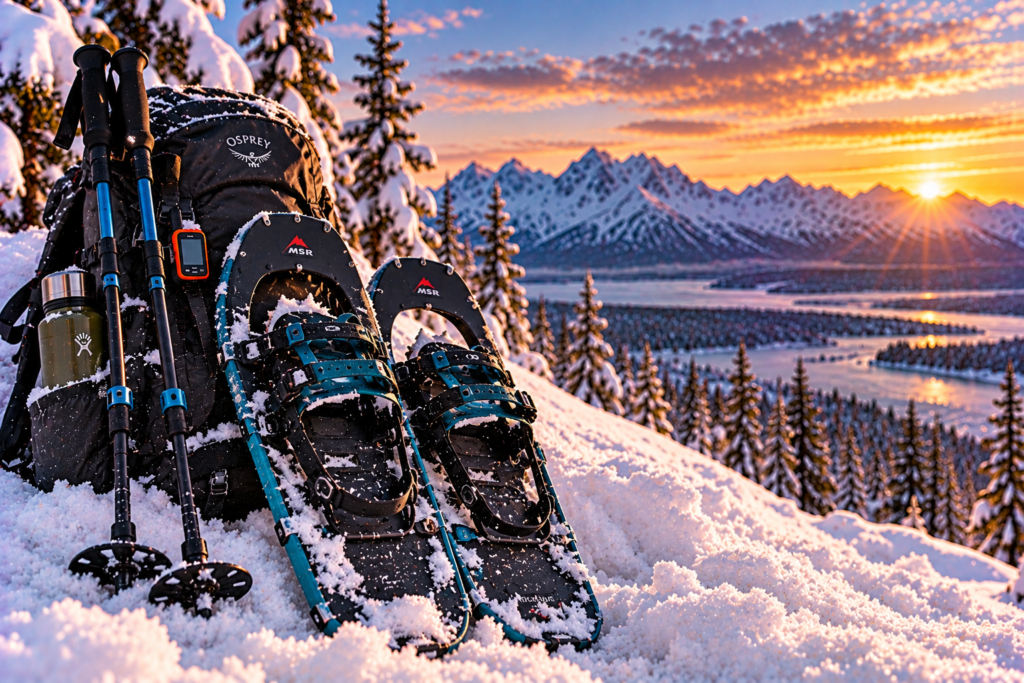
Winter hiking in Alaska can be an incredible experience. Snow-covered spruce forests, quiet trails, frozen landscapes, and mountains stretching into the distance create an entirely different world from what you'll see during summer.
But once the snow starts getting deep, ordinary winter boots aren't always enough.
That's where snowshoes come in.
Snowshoes help distribute your weight over a larger surface area, reducing how deeply you sink into soft snow. They can make winter travel more manageable in places where walking in boots alone would be exhausting.
And in Alaska, that can make a big difference.
Snow conditions vary tremendously across the state. In Interior Alaska, you may encounter dry, powdery snow that accumulates over months. In Southcentral Alaska, conditions can range from packed winter trails to deep snow and icy slopes. Coastal areas may experience wetter, heavier snow and frequent changes in temperature.
Choosing the right snowshoes depends on where you're going, how much snow you're expecting, your total weight with gear, and the type of terrain you'll be traveling across.
For example, a lightweight trail snowshoe may work well on maintained winter paths, but it might not provide enough flotation in deep, unconsolidated snow. Likewise, a snowshoe designed for gentle trails may not provide the traction or support needed for steep, icy terrain.
In this guide, we'll look at six snowshoe options for Alaska, explain the differences between trail and backcountry designs, and cover the practical considerations that matter when exploring Alaska during winter.
Quick Navigation
- Quick Picks
- Best Snowshoes for Alaska
- Snowshoe Comparison Chart
- Types of Snowshoes
- Choosing Snowshoes for Alaska Conditions
- Snowshoe Sizing and Fit
- Alaska Snowshoeing Safety
- Winter Snowshoeing Packing Checklist
- Buying Guide & Frequently Asked Questions
- Related Alaska Winter Gear Guides
- Final Thoughts
Quick Picks
- Best All-Around Trail Snowshoes: MSR Evo Trail Snowshoes
- Best for Varied Winter Terrain: Tubbs Flex VRT Snowshoes
- Best Lightweight Trail Option: Atlas Helium Trail Snowshoes
- Best Traditional-Style Alternative: Crescent Moon Gold 13 Snowshoes
- Best Flexible-Deck Design: TSL Symbioz Hyperflex Snowshoes
- Best Recreational Snowshoe Option: Yukon Charlie's Advanced Snowshoes
For Alaska, remember that flotation, traction, and terrain suitability are more important than choosing a snowshoe based on appearance or brand alone.
Best Snowshoes for Alaska
These six snowshoes represent different approaches to winter travel. Some are particularly suited to recreational trails, while others offer designs worth considering for varied terrain or more demanding outings.
Before purchasing, confirm the exact model's recommended load range, available sizes, binding compatibility, and intended terrain.
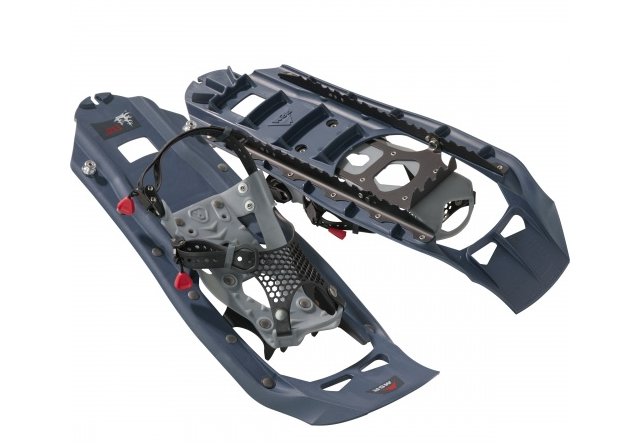
Best All-Around Trail Snowshoes: MSR Evo Trail Snowshoes
The MSR Evo Trail Snowshoes are a practical option for people looking to explore snowy trails and winter landscapes in Alaska.
MSR is well known for outdoor equipment, and the Evo Trail is designed around recreational snowshoeing and winter trail travel.
One of the advantages of a trail-oriented snowshoe is that it can provide a balance between flotation, traction, and ease of use.
For Alaska visitors, that may be useful on maintained winter trails, packed snow routes, and recreational outings where conditions don't require specialized mountaineering equipment.
However, it's important to understand the limitations of any snowshoe designed primarily for trail use.
Deep, unconsolidated powder may require additional flotation, particularly if you're carrying a heavy backpack. Steep or exposed terrain can also demand more aggressive traction and specialized winter travel skills.
Before purchasing, check the manufacturer's load recommendations and whether the model supports optional flotation accessories.
Make sure the bindings fit your winter boots securely and that you can operate them while wearing gloves.
Best for: Recreational snowshoeing, established winter trails, and general Alaska winter hiking.
Check Price on Amazon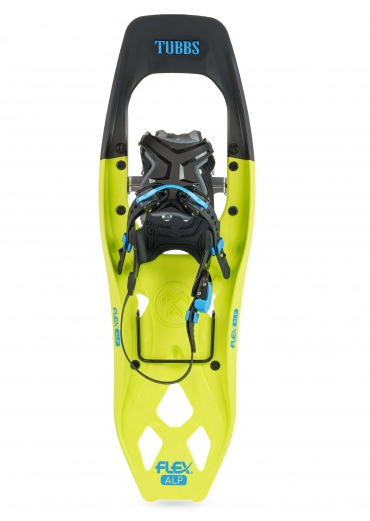
Best for Varied Winter Terrain: Tubbs Flex VRT Snowshoes
Not every Alaska snowshoe outing takes place on a flat, groomed trail.
Some routes include rolling hills, uneven snow, packed sections, and occasional icy areas that require more attention to footing.
The Tubbs Flex VRT Snowshoes are designed with varied winter terrain in mind and offer a more terrain-oriented alternative to basic recreational snowshoes.
For people who expect to encounter changing trail conditions, it's worth looking closely at the traction system and how the snowshoe moves beneath your foot.
Snowshoes need to provide enough grip to help you maintain footing without making walking unnecessarily awkward.
Binding comfort is also important. A secure binding helps keep your foot properly positioned, particularly when you're moving uphill or downhill.
However, even a snowshoe intended for varied terrain has limits. Steep, hard ice or technical winter routes may require equipment beyond ordinary snowshoes.
Before buying, confirm the exact model's sizing, load capacity, traction configuration, and intended use.
Best for: Rolling terrain, changing trail conditions, and winter outings where traction and secure bindings are priorities.
Check Price on Amazon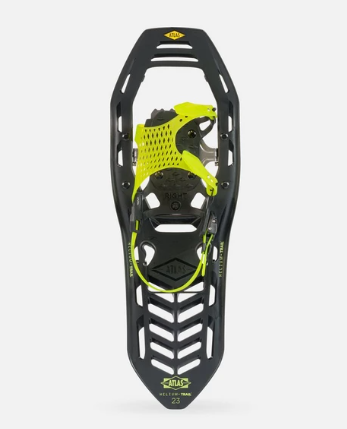
Best Lightweight Trail Option: Atlas Helium Trail Snowshoes
For recreational snowshoeing, comfort can make a significant difference in how much you enjoy your outing.
Every step requires lifting and moving your snowshoes, so weight and walking efficiency are important considerations.
The Atlas Helium Trail Snowshoes are designed as a lightweight trail-oriented option for winter recreation.
That can make them appealing for people who want to explore established snowshoe trails without carrying unnecessarily heavy equipment.
For Alaska visitors, a lightweight snowshoe may be particularly convenient for shorter recreational outings and maintained winter routes.
However, lighter designs should still be evaluated for flotation and load capacity.
If you're carrying a backpack or traveling through deep powder, you may need a larger snowshoe or a different design to avoid sinking excessively.
Before purchasing, review the available sizes, recommended weight range, and binding compatibility with your winter boots.
Best for: Recreational winter trails, lighter gear setups, and snowshoeing on established routes.
Check Price on Amazon
Best Traditional-Style Alternative: Crescent Moon Gold 13 Snowshoes
Snowshoes come in several different shapes and designs, and not every model follows the same approach to flotation and walking comfort.
The Crescent Moon Gold 13 Snowshoes offer another option for people comparing recreational snowshoe designs.
When choosing snowshoes, it's important to look beyond the shape of the frame and consider how the overall design works with your stride.
Some snowshoes are intended to provide a more natural walking motion, while others emphasize flotation or traction for particular conditions.
For Alaska, you'll want to evaluate how the snowshoe performs on the type of snow you're likely to encounter.
Dry powder, packed trails, and wetter coastal snow can place different demands on your equipment.
Binding comfort also deserves attention, especially if you'll be wearing bulky insulated winter boots.
Before buying, confirm the exact model's load recommendations, dimensions, binding system, and intended terrain.
Best for: Recreational snowshoeing and people interested in comparing alternative snowshoe frame and binding designs.
Check Price on Amazon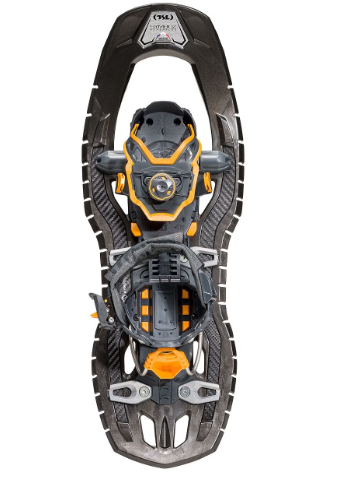
Best Flexible-Deck Design: TSL Symbioz Hyperflex Snowshoes
Some snowshoe designs emphasize flexibility rather than relying on a completely rigid platform beneath your foot.
The TSL Symbioz Hyperflex Snowshoes are part of a design family that focuses on flexible snowshoe construction.
For people who find traditional rigid snowshoes awkward, a flexible design may be worth considering.
Snowshoe flexibility can influence how the equipment responds to changes in terrain and how naturally it moves with your stride.
However, flexibility doesn't automatically mean better performance in every Alaska snow condition.
Deep powder still requires sufficient flotation, and icy terrain requires appropriate traction.
Before purchasing, examine the exact model's recommended weight range, traction system, binding adjustments, and intended terrain.
As with any winter travel equipment, the most important question is whether the snowshoe matches your activities rather than whether it has the most unusual design.
Best for: Winter hikers interested in flexible snowshoe construction and varied recreational terrain.
Check Price on Amazon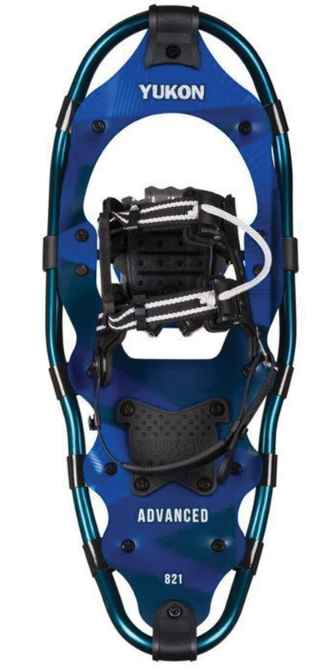
Best Recreational Snowshoe Option: Yukon Charlie's Advanced Snowshoes
If you're new to snowshoeing, you may not need specialized equipment intended for steep or technical winter terrain.
For many people, the goal is simply to get outside, explore snowy trails, and enjoy Alaska's winter scenery.
Yukon Charlie's Advanced Snowshoes are worth considering for recreational snowshoeing and general winter trail use.
When shopping for beginner-friendly snowshoes, look for bindings that are easy to adjust and a size appropriate for your weight and typical snow conditions.
It's also important to choose a snowshoe that works with your winter boots.
Oversized insulated boots may not fit comfortably in every binding, so checking compatibility before purchasing can save frustration later.
For Alaska, remember that recreational snowshoes are best used on routes that match their intended design.
Deep backcountry snow, steep slopes, and technical winter terrain can require different equipment and additional skills.
Best for: Recreational snowshoeing, beginner-friendly outings, and established winter trails.
Check Price on AmazonSnowshoe Comparison Chart
Use this comparison to narrow down the type of snowshoe that may work best for your Alaska adventures. Click any product name to view its Amazon listing.
| Snowshoe | Category | Best Use | Important Consideration |
|---|---|---|---|
| MSR Evo Trail | Trail snowshoe | General winter hiking | Check load range and flotation needs |
| Tubbs Flex VRT | Varied-terrain snowshoe | Rolling and uneven terrain | Match traction to terrain |
| Atlas Helium Trail | Lightweight trail snowshoe | Established winter trails | Check flotation for deep snow |
| Crescent Moon Gold 13 | Alternative recreational design | Recreational snowshoeing | Confirm size and binding compatibility |
| TSL Symbioz Hyperflex | Flexible-deck snowshoe | Varied recreational terrain | Evaluate traction and load range |
| Yukon Charlie's Advanced | Recreational snowshoe | Beginner and casual outings | Check boot fit and sizing |
Types of Snowshoes: Which Style Works Best in Alaska?
Recreational Trail Snowshoes
Recreational snowshoes are generally intended for relatively gentle terrain and established winter trails.
They can be a practical choice for beginners and visitors who want to explore snowy areas without venturing into demanding backcountry conditions.
Backcountry Snowshoes
Backcountry snowshoes are intended for more demanding winter travel, often emphasizing flotation, traction, and secure bindings.
For Alaska, these features can be important when traveling through deeper snow or less-developed routes.
Mountain and Technical Snowshoes
Some snowshoes are designed for steeper winter terrain and include more aggressive traction systems.
However, even technical snowshoes have limitations. They aren't substitutes for mountaineering crampons or appropriate avalanche education.
Running Snowshoes
Running snowshoes are typically designed to be compact and lightweight for faster movement on suitable snow-covered routes.
They generally prioritize mobility rather than maximum flotation in deep powder.
Choosing Snowshoes for Alaska Snow Conditions
Alaska doesn't have one universal type of winter snow.
Snow conditions vary depending on temperature, elevation, recent weather, and the amount of traffic a trail receives.
| Snow Condition | Snowshoe Priority | Important Consideration |
|---|---|---|
| Packed winter trails | Comfort and manageable size | Large snowshoes may be unnecessary |
| Deep, dry powder | Greater flotation | Account for total weight with gear |
| Wet, heavy snow | Durable construction and secure bindings | Snow buildup can affect movement |
| Icy, hard-packed trails | Appropriate traction | Snowshoes may not be the best equipment for exposed ice |
| Rolling hills | Secure bindings and effective grip | Check terrain suitability |
How to Choose the Right Snowshoe Size and Fit
Consider Your Total Weight
Snowshoe sizing isn't based only on your body weight.
You'll also need to account for your clothing, backpack, water, and other equipment.
Use the manufacturer's recommended load range when selecting a size.
Think About Snow Depth
Deep, soft snow generally requires more flotation than a firmly packed trail.
For powder conditions, a larger snowshoe may be helpful if the manufacturer's recommendations support that choice.
Check Binding Compatibility
Snowshoe bindings need to fit your winter boots securely.
Bulky insulated boots can create compatibility issues with some binding systems, so check before purchasing.
Practice Adjusting Bindings
Learn how to put your snowshoes on and take them off before heading into remote winter terrain.
Practice while wearing the gloves you normally use outdoors.
Consider Your Walking Style
Snowshoes can feel awkward at first because they're wider and longer than ordinary footwear.
Practice on easy terrain and allow yourself time to adjust your stride.
Alaska Snowshoeing Safety Tips
Check the Weather Before Heading Out
Review the temperature, wind, snowfall, and visibility forecast.
Conditions can change quickly, particularly in exposed or mountainous areas.
Understand Avalanche Terrain
Snowshoes can take you into winter terrain where avalanches are possible.
If your route enters avalanche terrain, obtain appropriate training, review current conditions, and carry suitable rescue equipment.
A transceiver, shovel, and probe are important rescue tools, but they don't replace the knowledge required to recognize and avoid avalanche hazards.
Be Careful Around Frozen Water
Frozen rivers, lakes, and streams may have areas of weak ice.
Snow cover can conceal hazardous conditions, and snowshoes don't make thin ice safe.
Carry Navigation and Backup Lighting
Winter trails can become difficult to follow after fresh snowfall.
Carry appropriate navigation tools and a reliable headlamp, especially during Alaska's shorter winter days.
Dress in Layers
Snowshoeing can be physically demanding, even in very cold temperatures.
Avoid overheating and excessive perspiration by adjusting your clothing layers as needed.
Wet clothing can become dangerous when you stop moving.
Tell Someone Where You're Going
Share your route, destination, and expected return time with a responsible contact.
For remote travel, consider carrying an appropriate satellite communication device.
Watch for Wildlife
Alaska wildlife remains a consideration during winter.
Give animals plenty of space, avoid approaching wildlife, and remain aware of your surroundings.
Alaska Winter Snowshoeing Packing Checklist
- Snowshoes sized for your total weight and snow conditions
- Compatible insulated winter boots
- Moisture-managing base layers
- Insulating mid layers
- Weather-appropriate outerwear
- Warm gloves or mittens
- Hat and face protection
- Trekking poles with appropriate snow baskets
- Headlamp and backup lighting
- Navigation tools and offline maps
- Water and food appropriate for freezing conditions
- First aid kit
- Emergency shelter and additional insulation
- Reliable emergency communication for remote routes
- Avalanche rescue equipment and training when applicable
- Trip plan shared with someone at home
Buying Guide & Frequently Asked Questions
Do I need snowshoes to hike in Alaska during winter?
It depends on the snow conditions and trail. Firmly packed trails may be manageable with appropriate winter boots and traction devices, while deeper snow often makes snowshoes useful.
What are the best snowshoes for Alaska?
The best snowshoes depend on your intended terrain, snow depth, and total weight. The MSR Evo Trail is worth considering for recreational trails, while the Tubbs Flex VRT is an option for more varied terrain.
Are snowshoes difficult to use?
Most people can learn basic recreational snowshoeing with practice on easy terrain. Start slowly and become comfortable with the wider walking stance.
How do I choose snowshoe size?
Use the manufacturer's recommended load range, including your body weight and equipment. Snow depth and intended terrain also matter.
Are bigger snowshoes better?
Not always. Larger snowshoes may provide more flotation in deep snow but can feel cumbersome on packed trails or narrow routes.
Can I wear snowshoes with winter boots?
Yes, provided the snowshoe bindings are compatible with your boots. Check fit carefully, especially with bulky insulated footwear.
Do snowshoes work on ice?
Some snowshoes include traction systems that help on certain icy surfaces, but exposed hard ice may require different equipment.
What's the difference between snowshoes and ice cleats?
Snowshoes help distribute your weight over soft snow, while ice cleats primarily improve grip on slippery surfaces.
They serve different purposes and aren't always interchangeable.
Can I use snowshoes on steep trails?
Some snowshoes are designed for more demanding terrain, but steep, icy, or exposed routes may require specialized equipment and technical skills.
Do I need trekking poles?
Trekking poles aren't always required, but they can improve balance and help on uneven terrain. Snow baskets can help prevent poles from sinking too deeply.
Can I snowshoe in Fairbanks?
Yes. Fairbanks and surrounding Interior Alaska areas offer opportunities for winter recreation, including snowshoeing where access and conditions permit.
Can I snowshoe near Anchorage?
Yes. Southcentral Alaska offers numerous winter recreation opportunities, but conditions vary by trail, elevation, and weather.
Are snowshoes safe for beginners?
Recreational snowshoeing can be beginner-friendly on appropriate trails with suitable weather, equipment, and preparation.
Start with established routes rather than remote or technical terrain.
Can I snowshoe across frozen lakes?
Snowshoes don't make frozen water safe. Ice strength can vary significantly, and snow cover may conceal dangerous areas.
Seek current local guidance and avoid uncertain crossings.
How do I prevent my feet from getting cold while snowshoeing?
Wear appropriate insulated boots and moisture-managing socks. Avoid excessively tight footwear, and adjust your clothing to reduce perspiration.
How do I maintain snowshoes?
Remove snow and debris, inspect bindings and traction components, and follow the manufacturer's cleaning and storage instructions.
What's the biggest mistake people make when buying snowshoes?
One common mistake is choosing snowshoes without considering total weight, snow depth, and terrain.
A snowshoe that works well on a packed recreational trail may be poorly suited to deep Alaska powder or steep winter routes.
Final Thoughts
Snowshoeing is a wonderful way to experience Alaska during winter.
It allows you to explore snowy landscapes, enjoy quieter trails, and reach places where ordinary winter boots may not provide enough flotation.
But the right snowshoes depend on the conditions.
For maintained winter trails, a comfortable recreational snowshoe may be all you need. For deeper snow or more demanding terrain, flotation, traction, and secure bindings become increasingly important.
Don't forget to account for your total weight, including clothing and equipment, when selecting a snowshoe size.
And remember that winter travel in Alaska deserves preparation. Check the weather, understand your route, carry appropriate emergency supplies, and avoid terrain beyond your equipment or experience.
With properly fitted snowshoes, suitable winter clothing, and a little planning, you can experience a side of Alaska that many visitors never get to see.