
Bear Safety in Alaska
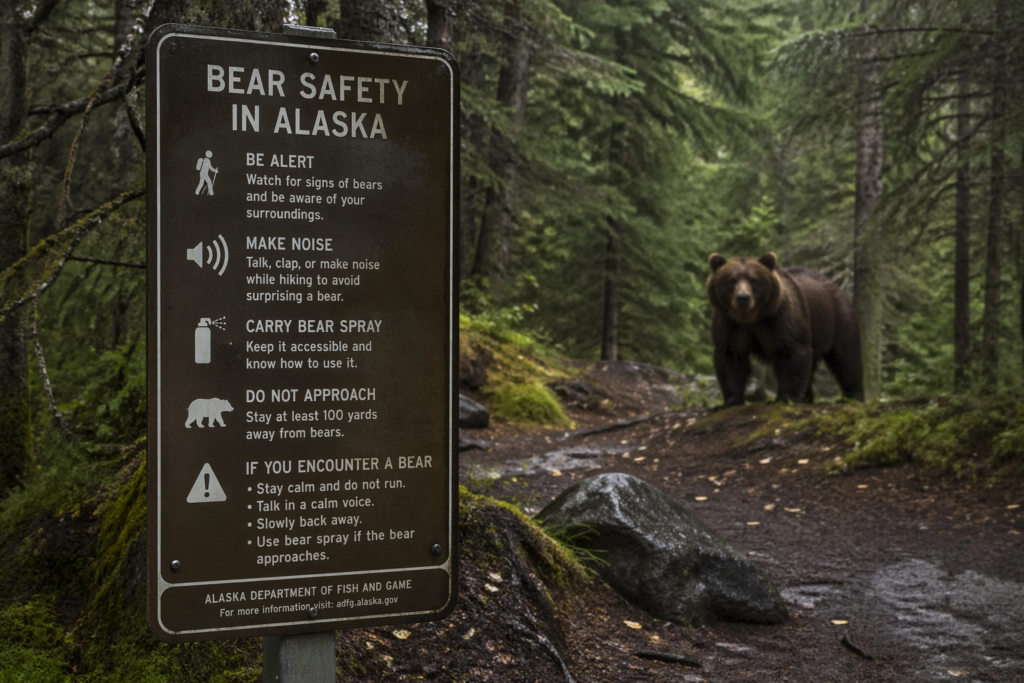
If you spend enough time outside in Alaska, you’re going to run into bears. That’s just part of being here. The reality is most encounters don’t turn into anything serious because bears don’t want problems. They want space, food, or to be left alone. Issues usually start when people don’t understand how bears behave or how quickly a situation can change, so this isn’t about fear, it’s about awareness and making good decisions before something goes wrong.
Understanding the Bears You’ll Encounter
In Alaska you’re mainly dealing with brown bears and black bears, and knowing the difference matters. Brown bears are larger and more defensive, and most problems happen because they feel threatened. That usually means you surprised them, got too close to cubs, or wandered near a food source like a carcass or a salmon stream. When they react, it can be loud and direct, with bluff charges or aggressive displays meant to push you out of the area.
Black bears are generally more cautious and tend to avoid people, but when they do become aggressive it can be different. Black bear attacks are more likely to be predatory, meaning the bear is testing you rather than reacting to a threat. If one is following you or acting curious instead of defensive, that’s something you need to take seriously. A simple way to remember the difference is this: brown, lie down. Black, fight back. It’s not perfect, but it gives you a quick reference when it matters.
Avoiding Bears in the First Place
Most encounters can be avoided if you move through bear country the right way. The biggest mistake people make is surprising a bear, especially in thick brush, near water, or in areas with limited visibility. Talking while you hike and making consistent noise helps more than anything else because it gives the bear time to move off before you get too close.
Paying attention to your surroundings also makes a big difference. Tracks, scat, torn-up ground, or the smell of something dead are all signs that bears are active in the area. When you notice those, slow down and stay alert instead of pushing through without thinking. Food is another major factor, because bears that associate people with food quickly become a problem. Keeping a clean camp, storing food properly, and being mindful of where you cook all reduce the chances of an encounter turning into something worse.
Bear Safety While Camping
Camping changes things because you’re no longer passing through, you’re staying in one place. That makes your habits more important. Most issues around camps come down to food and scent, and it doesn’t take much to attract attention. Even small things like wrappers, spilled drinks, or scented items can bring a bear in.
Keeping your camp clean and separating where you cook from where you sleep helps reduce risk. Food should be stored securely and away from your tent, not right next to it. Bringing food or scented items into your tent is a mistake that can create long-term problems if a bear starts associating tents with food. Before setting up camp, take a minute to look for signs of activity like tracks or scat. If something feels off, it’s better to move than to stay in a questionable area.
If a bear does come into camp, stay calm and make your presence known. Most of the time it’s looking for food, not a confrontation, and giving it space while being ready with bear spray is usually enough to resolve the situation.
Bear Spray and Other Deterrents
Bear spray should be something you carry every time you’re in bear country. It needs to be accessible, not buried in your pack, because you won’t have time to dig for it if something happens quickly. It works by creating a cloud that a bear has to run through, and that alone is often enough to stop an encounter without requiring precise aim.
Other deterrents can help, but they’re not primary tools. Bear bells provide some noise but don’t carry far enough on their own, and air horns may scare off a curious bear at a distance but aren’t reliable in a serious situation. I like to put a bear bell on my dog so every time he runs, the bell sounds. You’ll also hear about people carrying firearms while hiking in Alaska, especially in remote areas, but even among those who do, bear spray is still widely considered the first and most practical option.
When to Be More Alert
There are certain conditions where you need to pay closer attention. Early morning and late evening are more active times, and areas with food sources like salmon streams or berry patches tend to draw bears in. Thick brush and limited visibility also increase the chances of a close encounter. When you’re moving through these kinds of conditions, slowing down and staying aware makes a difference.
What Not to Do
A lot of bad situations come from simple mistakes. Running can trigger a chase response, and you won’t outrun a bear. Turning your back, panicking, or approaching for a better look all put you in a worse position. Most problems come from one or two poor decisions stacked together rather than a single moment.
If You Encounter a Bear
If you see a bear, stop and take a moment to assess what’s happening instead of reacting immediately. Let it know you’re human by speaking calmly, then start backing away slowly while giving it space. Keep your bear spray ready and avoid sudden movements. In most cases, the bear will move off once it understands what you are.
If a charge happens, your response depends on the type of bear. With a brown bear, standing your ground and using spray is the priority, and if contact happens, playing dead is the recommended response. With a black bear, you still stand your ground and use spray, but if it attacks, you fight back aggressively.
Most people in Alaska never have a serious issue with bears, not because they aren’t around, but because the people who spend time outside learn how to move through bear country properly. Making noise, staying aware, carrying spray, and respecting the animal go a long way.