
Disclosure: This page contains affiliate links. As an Amazon Associate, I earn from qualifying purchases at no additional cost to you.
There's cold, and then there's Alaska cold.
Anyone who has spent time in Interior Alaska during the middle of winter knows that the difference matters. When temperatures fall to 20, 30, or even 40 degrees below zero, the clothing you choose becomes much more than a matter of comfort.
It becomes part of your safety equipment.
But dressing for extreme cold isn't simply about buying the heaviest jacket or wearing as many layers as possible.
The real goal is to build a clothing system that manages moisture, traps warmth, protects you from wind and precipitation, and allows you to adjust your insulation as conditions change.
That last part is particularly important.
Walking through deep snow, shoveling, snowshoeing, and hauling equipment can generate considerable body heat. Standing still while watching the northern lights or waiting at an ice fishing location creates an entirely different demand on your clothing.
If you dress too warmly while moving, you may begin sweating. Once you stop, that moisture can make you feel much colder and increase your risk of cold-related injury.
Alaska also has enormous regional differences.
Fairbanks and other Interior communities experience prolonged periods of severe dry cold. Anchorage and surrounding Southcentral areas can experience a combination of cold temperatures, wind, snow, and changing conditions. Coastal communities may face wetter weather and significant wind exposure.
There isn't one jacket, boot, or pair of gloves that's perfect for every situation.
Instead, the most effective approach is to understand how the different pieces of your winter clothing work together.
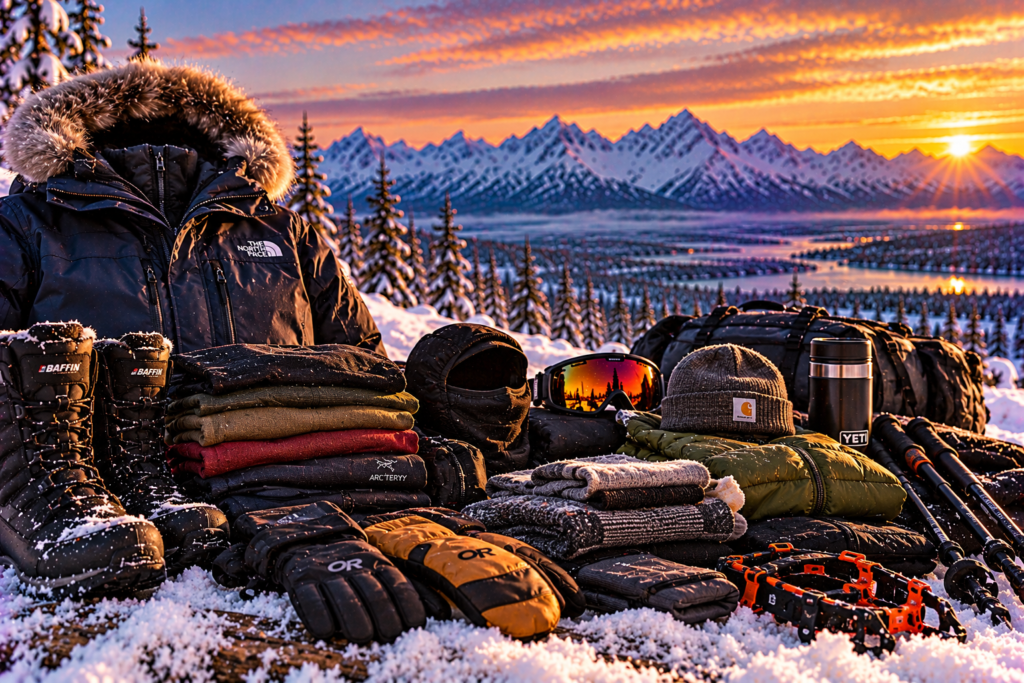
In this guide, we'll build an extreme cold clothing system from the base layer outward, look at useful gear options, and explain how to adapt your clothing for different Alaska winter activities.
Quick Navigation
- Quick Picks
- How an Extreme Cold Clothing System Works
- Best Extreme Cold Clothing Gear for Alaska
- Extreme Cold Gear Comparison Chart
- Adjusting Clothing for Alaska Temperatures
- Clothing Systems by Winter Activity
- Regional Alaska Winter Conditions
- Common Extreme Cold Clothing Mistakes
- Extreme Cold Clothing Checklist
- Buying Guide & Frequently Asked Questions
- Related Alaska Winter Gear Guides
- Final Thoughts
Quick Picks: Extreme Cold Clothing Essentials
- Best Thermal Base Layer: Smartwool Classic Thermal Merino Base Layer
- Best Everyday Insulating Mid Layer: Carhartt Loose Fit Midweight Hoodie
- Best Durable Winter Jacket: Carhartt Yukon Extremes Jacket
- Best Insulated Winter Bibs: Carhartt Yukon Extremes Insulated Bib
- Best Extreme-Cold Boots: Baffin Impact Winter Boots
- Best Insulated Gloves: Outdoor Research Alti II Gloves
- Best Merino Face Protection: Outdoor Research Alpine Onset Merino Wool 150 Balaclava
- Best Everyday Ice Traction: Yaktrax Pro Traction Cleats
These pieces illustrate the different parts of a winter clothing system. They aren't a guarantee of protection at any particular temperature, and you may need additional insulation or weather protection depending on your activity and conditions.
How an Extreme Cold Clothing System Works
Before looking at individual products, it's important to understand how the different clothing layers work together.
Layer 1: Base Layer
Your base layer sits against your skin and helps manage moisture.
Merino wool and suitable synthetic fabrics are popular options because they can move moisture away from your skin while providing some insulation.
For severe Alaska cold, consider thermal layers for both your upper and lower body.
Avoid cotton next to your skin during demanding cold-weather activities because it can retain moisture and contribute to heat loss when wet.
Layer 2: Insulating Mid Layer
Your mid layer helps trap warm air between your body and the outer environment.
Fleece, wool, and appropriate synthetic insulation can all play a role.
In extreme cold, you may need more than one insulating layer, particularly when you'll be standing still for extended periods.
Layer 3: Insulated Outer Layer
Your outer layer helps retain warmth and protect you from environmental conditions.
Depending on the activity, this may be an insulated work jacket, winter parka, or another substantial outer garment.
Make sure your jacket fits comfortably over your base and mid layers without excessively compressing the insulation.
Layer 4: Wind and Moisture Protection
Some insulated outerwear includes substantial wind and weather protection, while other clothing systems require a separate shell.
Wind can increase heat loss from exposed skin and poorly protected clothing.
In wetter regions of Alaska, protecting insulation from precipitation is particularly important.
Protecting Your Extremities
Warm boots, gloves or mittens, insulated headwear, and face protection complete the system.
These areas deserve special attention because exposed skin and poorly insulated extremities can become dangerously cold.
Best Extreme Cold Clothing Gear for Alaska
The following products represent different components of a complete cold-weather clothing system.
Remember that fit, activity level, wind, moisture, and exposure time are all important when choosing equipment.

Best Thermal Base Layer: Smartwool Classic Thermal Merino Base Layer
A good extreme cold clothing system begins with what you're wearing directly against your skin.
The Smartwool Classic Thermal Merino Base Layer is a merino wool option designed for cold-weather layering.
Merino wool is commonly used in outdoor clothing because it provides insulation while helping manage moisture.
That's particularly important during Alaska winter activities where you may alternate between physical exertion and long periods of standing still.
For example, snowshoeing through deep snow can make you warm enough to sweat even when the temperature is well below freezing.
Once you stop moving, moisture trapped against your skin can make you feel much colder.
A moisture-managing base layer helps reduce that problem when paired with appropriate outer layers.
For severe cold, consider thermal tops and bottoms rather than focusing only on your upper body.
Choose a fit that stays close to your skin without restricting movement or circulation.
Best for: Moisture management and foundational insulation during Alaska winter activities.
Check Price on Amazon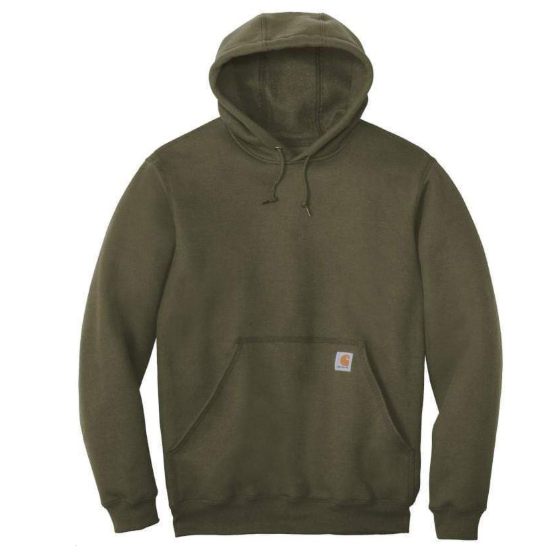
Best Everyday Insulating Mid Layer: Carhartt Loose Fit Midweight Hoodie
After choosing a base layer, the next step is adding insulation.
The Carhartt Loose Fit Midweight Hoodie is an everyday clothing option that may work as an insulating layer in some winter clothing systems.
For casual outdoor activities, a hoodie can add warmth beneath a larger winter jacket.
However, fabric composition matters.
Cotton-rich sweatshirts can absorb and retain moisture, which makes them a poor choice for strenuous or remote cold-weather activities where getting wet could become dangerous.
For snowshoeing, backcountry travel, or extended exposure, a moisture-managing fleece or technical insulating layer is generally a more appropriate option.
For lower-exertion activities close to shelter, a comfortable hoodie may still have a place in your clothing system if it remains dry.
Make sure your outer jacket fits comfortably over the mid layer without restricting movement.
Best for: Casual winter layering and lower-exertion activities where moisture exposure can be managed.
Check Price on Amazon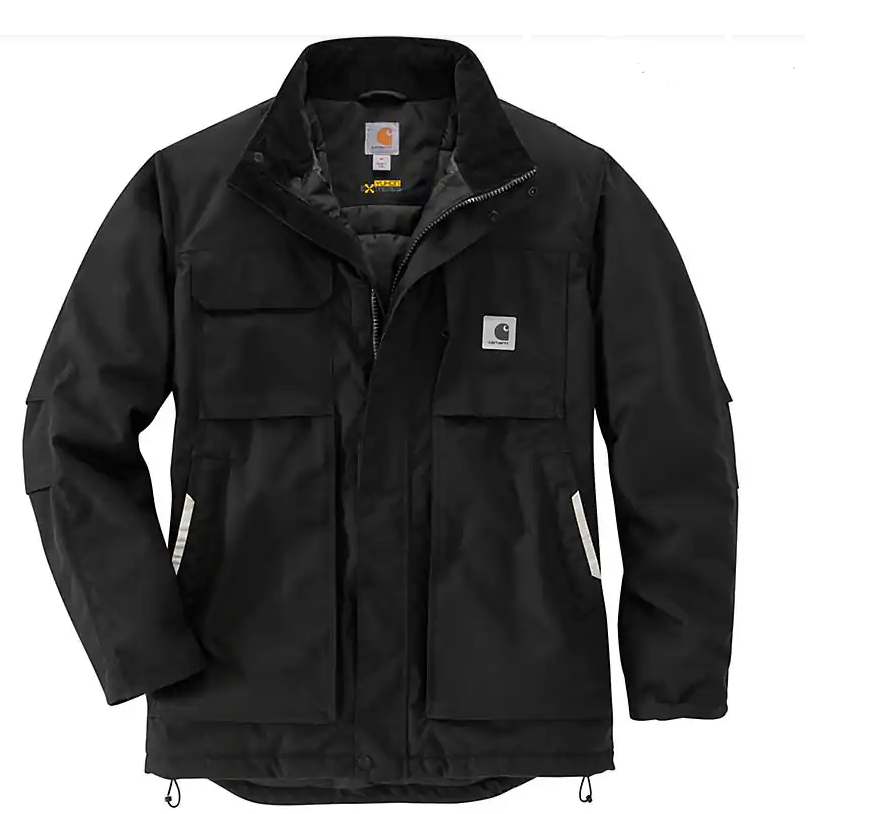
Best Durable Winter Jacket: Carhartt Yukon Extremes Jacket
When you're spending time outdoors during an Alaska winter, your jacket needs to do more than look warm.
It needs to work with the rest of your clothing system while providing appropriate protection for the conditions.
The Carhartt Yukon Extremes Jacket is a durable cold-weather outerwear option worth considering for winter work and outdoor activities.
For Alaska, a jacket in this category may be useful when you're spending time outside performing chores, traveling between locations, or working in cold conditions.
However, not every insulated jacket is appropriate for prolonged inactivity during extreme cold.
Standing outside at temperatures far below zero can require substantially more insulation than walking or performing physical work.
Pay attention to how the jacket fits over your base and mid layers.
Also consider whether the jacket provides enough coverage and weather protection for the wind and precipitation you're likely to encounter.
For extended stationary exposure, a more substantial expedition-style parka or additional insulation may be necessary.
Best for: Durable winter outerwear, cold-weather work, and general Alaska winter activities.
Check Price on Amazon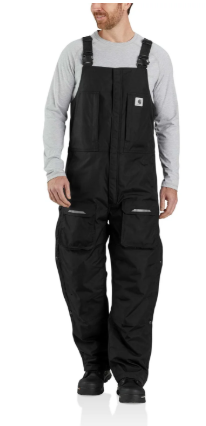
Best Insulated Winter Bibs: Carhartt Yukon Extremes Insulated Bib
One of the most common mistakes people make when dressing for Alaska winter is focusing heavily on their jacket while overlooking their legs.
Insulated winter pants or bibs can make a significant difference during prolonged outdoor exposure.
The Carhartt Yukon Extremes Insulated Bib is designed for cold-weather work and outdoor conditions.
Bib-style outerwear provides additional coverage over the torso compared with ordinary winter pants.
That can help reduce gaps between your jacket and lower-body clothing when bending, lifting, or moving equipment.
For Alaska, insulated bibs may be particularly useful for outdoor chores, winter work, ice fishing, and other activities involving extended time outside.
However, insulation needs vary depending on how active you'll be.
Heavy insulated bibs can become uncomfortable during strenuous activity if you begin overheating.
Choose a system that allows you to manage moisture and adjust insulation appropriately.
Best for: Lower-body insulation, cold-weather work, and winter activities requiring substantial coverage.
Check Price on Amazon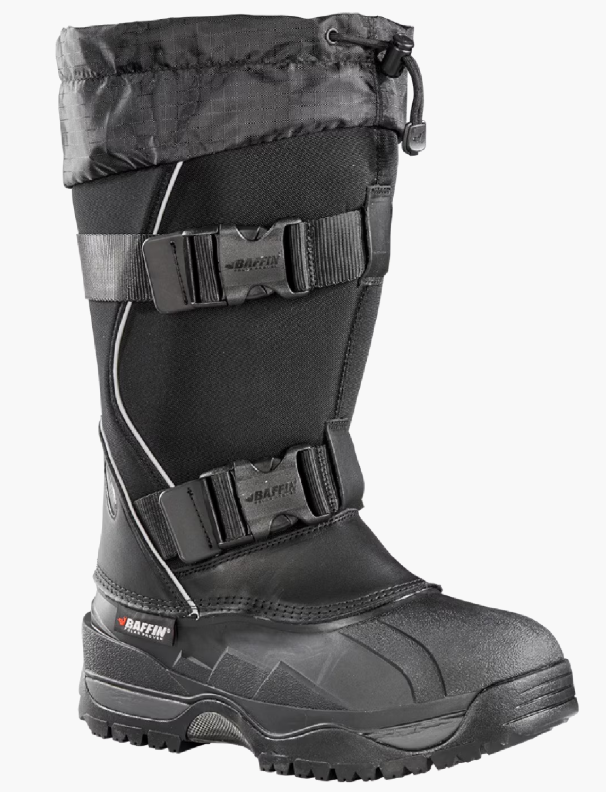
Best Extreme-Cold Boots: Baffin Impact Winter Boots
Cold feet can make an otherwise well-planned winter outing miserable.
And in severe Alaska temperatures, inadequate footwear can become a serious safety concern.
The Baffin Impact Winter Boots are designed for demanding cold-weather conditions and are worth considering for people who expect prolonged exposure to low temperatures.
For activities such as northern lights viewing, ice fishing, and winter travel, substantial boot insulation can be particularly valuable.
However, insulation isn't the only consideration.
Boots that are too tight can restrict circulation, making your feet feel colder even when the boots themselves are heavily insulated.
Choose socks appropriate for the activity and avoid adding so many layers that your feet become compressed.
Also remember that insulated boots don't necessarily provide enough grip on smooth ice.
Depending on the conditions, compatible ice traction devices may be necessary.
Best for: Severe cold, extended periods outdoors, and winter activities where substantial footwear insulation is important.
Check Price on Amazon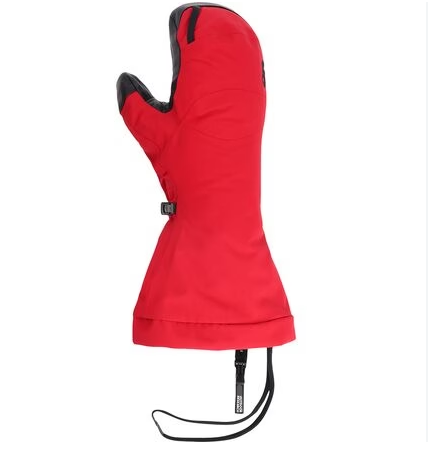
Best Insulated Gloves: Outdoor Research Alti II Gloves
Protecting your hands is one of the most important parts of dressing for extreme cold.
When temperatures fall well below freezing, exposed fingers can become dangerously cold, particularly when you're handling metal equipment or standing still.
The Outdoor Research Alti II Gloves are designed for demanding cold-weather use.
For Alaska, gloves in this category are worth considering for winter travel, outdoor recreation, and other activities requiring substantial hand protection.
However, even heavily insulated gloves involve a tradeoff between warmth and dexterity.
Some tasks require finger movement that bulky gloves make difficult.
For prolonged stationary exposure, insulated mittens may provide greater warmth than gloves because your fingers can share heat inside the mitten.
A layered hand-protection system can be useful, particularly if you need to operate equipment.
Choose gloves that fit properly and don't restrict circulation.
Best for: Cold-weather hand protection during winter travel and outdoor activities.
Check Price on Amazon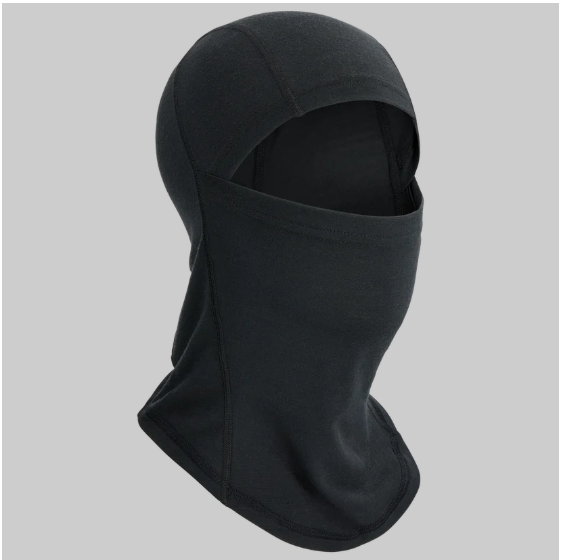
Best Merino Face Protection: Outdoor Research Alpine Onset Merino Wool 150 Balaclava
When temperatures drop and the wind begins to pick up, exposed skin can become uncomfortable very quickly.
Your nose, cheeks, ears, and neck are particularly vulnerable to cold exposure.
The Outdoor Research Alpine Onset Merino Wool 150 Balaclava is a lightweight merino wool face-covering option that can be incorporated into a winter clothing system.
Merino wool provides a comfortable material for layering around the head and neck while helping manage moisture.
For Alaska, a balaclava may be useful beneath a winter hat, helmet, or hood, depending on the activity and equipment compatibility.
However, lightweight merino fabric shouldn't be confused with heavy-duty extreme-cold face protection.
During severe wind or prolonged exposure, you may need additional wind-resistant protection or a more substantial face covering.
Also pay attention to moisture buildup around your mouth and nose.
Breathing into fabric can cause condensation and frost accumulation in very cold conditions.
Adjust your face protection as needed and watch for exposed skin.
Best for: Layered head and neck coverage, moisture management, and supplemental face protection.
Check Price on Amazon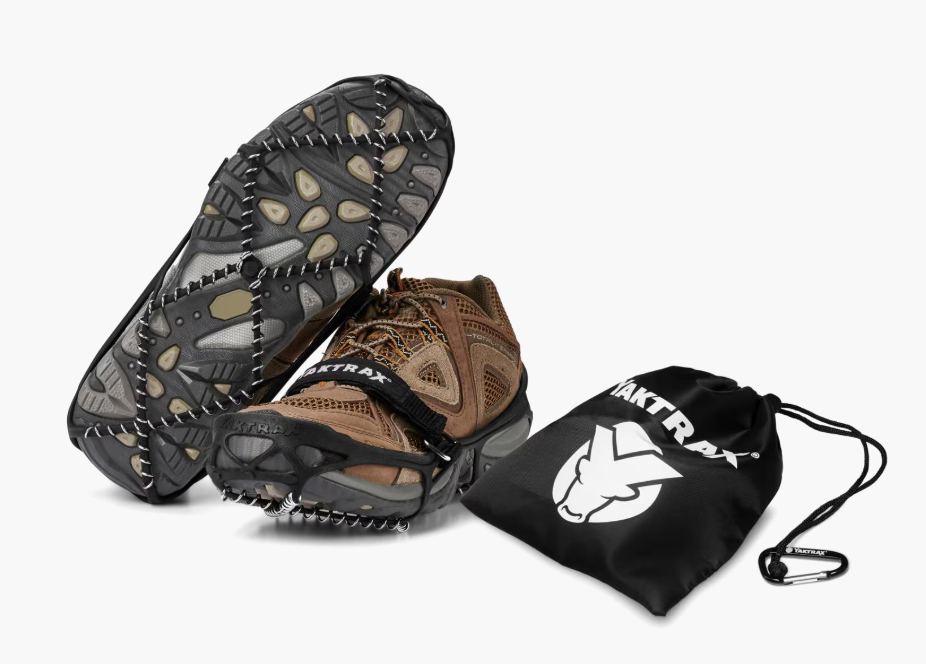
Best Everyday Ice Traction: Yaktrax Pro Traction Cleats
Even the warmest winter boots won't necessarily prevent you from slipping on ice.
Alaska winter conditions can include packed snow, frozen sidewalks, and slippery surfaces that require additional traction.
Yaktrax Pro Traction Cleats are designed to provide supplemental grip on certain snowy and icy surfaces.
For everyday winter walking, traction devices can be useful when conditions are too slippery for ordinary boot soles.
However, different traction systems perform differently.
Coil-style traction devices may work well on packed snow and some icy surfaces, but they aren't necessarily appropriate for steep, technical ice or every type of winter terrain.
Check the manufacturer's intended use and make sure the traction devices fit your winter boots properly.
Remove them when transitioning to surfaces where they may be unsafe or damaging, according to the manufacturer's instructions.
Best for: Everyday winter walking on suitable packed snow and icy surfaces.
Check Price on AmazonExtreme Cold Clothing Gear Comparison Chart
Each item serves a different purpose within the overall system. Click any product name to view its Amazon listing.
| Product | System Role | Best Use | Important Consideration |
|---|---|---|---|
| Smartwool Classic Thermal Merino | Base layer | Moisture management | Use with insulating layers |
| Carhartt Midweight Hoodie | Casual mid layer | Lower-exertion layering | Avoid cotton-rich layers in demanding conditions |
| Carhartt Yukon Extremes Jacket | Outer insulation | Winter work and outdoor activities | Match insulation to exposure |
| Carhartt Yukon Extremes Insulated Bib | Lower-body insulation | Cold-weather work and stationary activities | Avoid overheating during exertion |
| Baffin Impact Boots | Foot insulation | Severe cold and extended exposure | Proper fit and traction |
| Outdoor Research Alti II Gloves | Hand insulation | Cold-weather hand protection | Mittens may be warmer for inactivity |
| Outdoor Research Alpine Onset Balaclava | Face and neck coverage | Layered head and neck protection | Additional wind protection may be necessary |
| Yaktrax Pro Traction Cleats | Foot traction | Suitable snowy and icy walking surfaces | Not for technical ice |
Adjusting Your Clothing for Alaska Winter Temperatures
Temperature is an important part of winter clothing selection, but it isn't the only factor.
Wind, moisture, activity level, exposure time, and individual cold tolerance can all change how much insulation you need.
The following ranges are general planning categories, not guaranteed clothing ratings.
Around Freezing to 0°F
Depending on your activity, a moisture-managing base layer, insulating mid layer, weather-appropriate jacket, winter pants, and insulated footwear may be suitable.
Wind and wet conditions can still create significant hazards.
0°F to -20°F
As temperatures fall, additional insulation becomes increasingly important, particularly for hands, feet, and exposed skin.
For stationary activities, you may need more substantial outerwear than you would during continuous movement.
-20°F to -40°F
These conditions demand serious preparation.
Substantial insulation, effective wind protection, face coverage, and reliable hand and foot protection become critical.
Exposure time should be managed carefully, and warming shelter or a safe retreat plan should be available.
Below -40°F
At these temperatures, outdoor exposure can become dangerous very quickly, particularly when wind or equipment problems are involved.
Specialized clothing, experience, and a reliable shelter or emergency plan may be necessary.
Nonessential outdoor activities may be best postponed until conditions improve.
Extreme Cold Clothing Systems by Alaska Winter Activity
Northern Lights Viewing
Because northern lights viewing often involves standing still, prioritize substantial insulation and protection for your feet, hands, and face.
Plan for warming breaks and don't assume that clothing suitable for walking will be warm enough for several hours of inactivity.
Snowshoeing and Winter Hiking
Snowshoeing generates body heat, so moisture management becomes especially important.
Use breathable layers appropriate for your activity and carry additional insulation for rest stops or emergencies.
Ice Fishing
Ice fishing often involves prolonged exposure to cold surfaces and periods of limited movement.
Insulated bibs, substantial boots, warm mittens, and appropriate head and face protection can be particularly valuable.
Use caution around frozen water and never rely on clothing to compensate for unsafe ice conditions.
Snowmachine Riding
Snowmachine riding adds significant wind exposure, even when the air temperature isn't extremely low.
Choose clothing and protective equipment designed for the activity, including suitable helmet-compatible face protection.
Wind protection and coverage around cuffs, collars, and other openings are especially important.
Winter Work and Outdoor Chores
For activities involving lifting, shoveling, or moving equipment, choose durable clothing that allows comfortable movement.
Adjust layers to avoid excessive perspiration, and add insulation when you stop working.
Winter Vehicle Travel
Even if you expect to remain inside a heated vehicle, carry clothing suitable for the outdoor conditions.
A breakdown or unexpected delay can turn an ordinary drive into a dangerous cold-weather situation.
How Extreme Cold Clothing Needs Vary Across Alaska
| Region | Common Winter Challenge | Clothing Priority |
|---|---|---|
| Interior Alaska | Prolonged severe cold | Substantial insulation and extremity protection |
| Southcentral Alaska | Changing temperatures, snow, and wind | Adaptable layers and weather protection |
| Coastal Alaska | Moisture, wet snow, and wind | Water-resistant or waterproof protection as appropriate |
| Arctic Alaska | Severe cold, wind, and remote conditions | Comprehensive protection and emergency preparedness |
Common Extreme Cold Clothing Mistakes
Wearing Cotton During Strenuous Winter Activities
Cotton can retain moisture and contribute to heat loss when wet.
Choose moisture-managing fabrics for activities where perspiration or wet conditions are likely.
Wearing Boots That Are Too Tight
Overly tight boots and socks can restrict circulation.
More socks aren't always better if they compress your feet.
Overdressing While Moving
Heavy insulation during strenuous activity can lead to excessive sweating.
Adjust your layers before overheating whenever possible.
Underestimating Wind
Wind can make exposed skin lose heat more rapidly and can penetrate poorly protected clothing.
Use appropriate wind protection and cover exposed areas.
Ignoring Lower-Body Insulation
A substantial winter jacket won't compensate for inadequate pants or boots during prolonged cold exposure.
Think about your entire body rather than one garment.
Assuming Temperature Ratings Are Guarantees
Manufacturer temperature ratings may use different testing methods and assumptions.
They don't necessarily predict how warm you'll feel during your specific activity.
Not Carrying Extra Insulation
For remote winter activities, carry additional insulation appropriate for unexpected delays or emergencies.
Your clothing system should account for what happens if you have to stop moving.
Complete Extreme Cold Clothing Checklist for Alaska
- Moisture-managing thermal base layer top
- Thermal base layer bottoms
- Insulating fleece, wool, or suitable synthetic mid layer
- Additional insulation for severe cold or stationary activities
- Weather-appropriate insulated winter jacket or parka
- Insulated winter pants or bibs
- Wind and moisture protection suited to conditions
- Insulated winter boots with adequate room for socks
- Moisture-managing winter socks
- Warm gloves or mittens
- Backup hand protection for extended outings
- Warm winter hat
- Neck gaiter or balaclava
- Additional face protection for wind and severe cold
- Appropriate ice traction devices when needed
- Dry backup clothing for remote activities
- Emergency insulation and shelter when traveling away from reliable warmth
Buying Guide & Frequently Asked Questions
How many layers should I wear in extreme Alaska cold?
There isn't one correct number of layers for every situation.
A common approach includes a moisture-managing base layer, one or more insulating layers, and appropriate outer protection.
The exact combination depends on temperature, wind, activity, and exposure time.
What should I wear in Alaska at -20°F?
You'll generally need substantial insulation, appropriate wind protection, insulated footwear, and protection for your hands, head, and face.
Stationary activities may require more insulation than continuous movement.
What should I wear in Alaska at -40°F?
These are serious conditions that require comprehensive cold-weather protection, experience, and a reliable way to reach warmth.
Clothing requirements vary, and no particular combination of products guarantees safety.
Is merino wool better than synthetic base layers?
Both can work well.
Merino wool offers useful insulation and moisture-management properties, while synthetic fabrics can provide durability and fast drying.
Choose based on your activity, comfort, and preferences.
Can I wear cotton in Alaska winter?
Cotton clothing may be comfortable for casual activities close to shelter, but it can retain moisture.
For strenuous or remote winter activities, moisture-managing fabrics are generally a safer choice.
Is one heavy jacket better than several layers?
A heavy jacket can provide substantial insulation, but a layered system allows greater flexibility as conditions and activity levels change.
Do I need insulated pants in Alaska?
For prolonged exposure to severe cold, insulated pants or bibs can be important.
Lower-body protection should be matched to your activity and conditions.
Are bibs warmer than winter pants?
Insulated bibs can provide additional torso coverage and help reduce gaps between upper and lower garments.
Actual warmth depends on the materials, insulation, fit, and conditions.
What boots are best for extreme Alaska cold?
Choose insulated boots appropriate for the temperature and duration outdoors.
The Baffin Impact is one option worth considering for demanding cold-weather conditions, but fit and traction remain important.
Should winter boots fit tightly?
No. Boots that are too tight can restrict circulation and reduce comfort.
Choose a secure fit that leaves appropriate room for socks and movement.
Are mittens warmer than gloves?
Mittens often provide more warmth because your fingers share heat inside the mitten.
Gloves generally provide better finger dexterity.
Do I need a balaclava in Alaska?
A balaclava can be useful for covering your head, neck, and portions of your face.
During severe wind or cold, additional protection may be necessary.
Does wind chill affect clothing choices?
Yes. Wind can increase heat loss from exposed skin and make inadequate wind protection more dangerous.
Check both the air temperature and expected wind conditions.
How do I avoid sweating in extreme cold?
Adjust your layers before becoming overheated, reduce exertion when appropriate, and choose moisture-managing clothing.
Keeping insulation dry is important.
What should I wear for northern lights viewing?
Because northern lights viewing often involves standing still, prioritize substantial insulation, warm boots, mittens, and head and face protection.
Plan for warming breaks.
What should I wear for snowshoeing?
Choose breathable, moisture-managing layers that allow movement, along with appropriate weather protection.
Carry additional insulation for rest stops and emergencies.
Do I need special clothing for snowmachine riding?
Snowmachine riding introduces additional wind exposure and activity-specific protection requirements.
Use clothing and protective equipment appropriate for riding conditions and helmet compatibility.
How do I know if I'm getting too cold?
Persistent shivering, numbness, loss of coordination, confusion, and unusual fatigue can be warning signs of dangerous cold exposure.
Seek warmth promptly and obtain emergency assistance when serious cold injury is suspected.
What's the biggest mistake people make when dressing for Alaska winter?
One common mistake is relying on a single heavy jacket while overlooking moisture management, lower-body insulation, footwear, and protection for exposed skin.
A complete clothing system is more useful than focusing on one piece of gear.
Final Thoughts
Preparing for extreme cold in Alaska isn't about finding one perfect jacket or buying the most expensive winter gear.
It's about understanding how your clothing works together.
A good base layer helps manage moisture. Insulating layers help retain warmth. Appropriate outerwear protects against the elements. And properly fitted boots, gloves, and face protection help safeguard the areas most vulnerable to cold exposure.
Just as importantly, your clothing needs to match what you're actually doing.
Snowshoeing through deep powder requires a different approach from standing outside watching the northern lights. Ice fishing, winter work, and snowmachine riding each introduce their own challenges.
That's why flexibility matters.
Learn how to adjust your layers, pay attention to moisture, and prepare for conditions that may be colder or more demanding than expected.
Alaska winters can be beautiful, peaceful, and incredibly rewarding, but they deserve respect.
With a thoughtfully planned clothing system and the right preparation, you'll be better equipped to experience Alaska's winter landscapes safely and comfortably.