
Cold Weather Safety Guide for Alaska
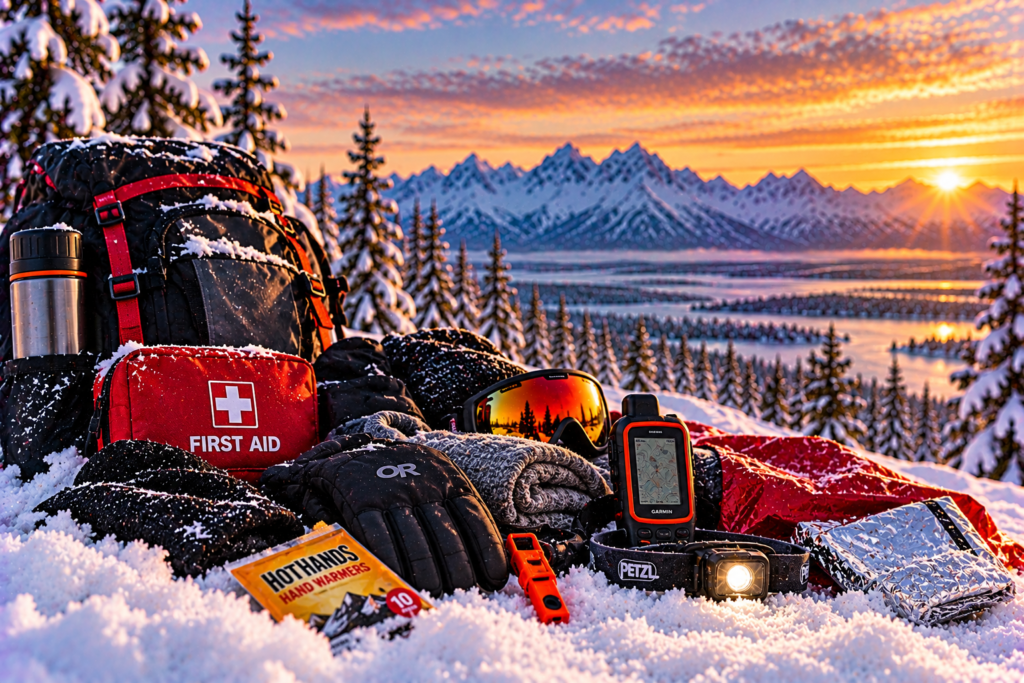
Alaska's winters are beautiful, but they are not something to underestimate.
From the snow-covered mountains of Southcentral Alaska to the deep winter cold of Fairbanks and the wind-swept landscapes of the Arctic, cold weather is a major part of life in Alaska. For visitors, it can also be one of the most unfamiliar parts of the experience.
Winter temperatures vary tremendously across the state. Coastal communities may experience temperatures near freezing accompanied by wet snow, rain, and strong winds. Interior Alaska can experience extended periods of temperatures 20, 30, or even 40 degrees below zero. In northern Alaska, extreme cold and powerful winds can make outdoor exposure especially dangerous.
But staying safe in Alaska's cold weather is about more than checking the temperature.
Wind, moisture, physical activity, clothing choices, travel distance, and access to shelter all influence how quickly someone can become dangerously cold.
Even relatively mild temperatures can become hazardous when clothing gets wet or someone becomes stranded without adequate protection.
Whether you're visiting Alaska to see the northern lights, planning a winter road trip, exploring snowy trails, or simply preparing for your first experience with subzero temperatures, understanding cold-weather safety is essential.
This guide explains the risks, warning signs, protective clothing, emergency preparations, and practical habits that can help you experience Alaska's winter safely and confidently.
Quick Navigation
- Understanding Alaska's Extreme Cold
- Wind Chill and Cold Exposure
- Hypothermia: Warning Signs and Response
- Frostbite: Warning Signs and Response
- How to Dress Safely for Alaska Winters
- Outdoor Winter Activity Safety
- Winter Driving and Vehicle Safety
- Remote Travel and Emergency Planning
- Cold-Weather Hazards by Alaska Region
- Cold Weather Emergency Checklist
- Frequently Asked Questions
- Related Alaska Winter Guides
- Final Thoughts
Understanding Alaska's Extreme Cold
One of the first things visitors should understand is that Alaska does not experience one uniform winter climate.
Weather conditions depend heavily on geography, elevation, proximity to the ocean, and the time of year.
Fairbanks and much of Interior Alaska can experience prolonged periods of severe dry cold. Anchorage and surrounding Southcentral communities generally have milder winter temperatures, but freezing rain, snow, and changing conditions create their own challenges.
Coastal Alaska often experiences wetter weather and strong winds, while northern Alaska can combine extreme cold, wind exposure, and very limited daylight.
These differences matter because the clothing and preparations suitable for one location may not be adequate somewhere else.
Cold Exposure Is About More Than Temperature
Air temperature is only one factor affecting your body's ability to stay warm.
Consider the following:
- Wind: Increases heat loss from exposed skin.
- Moisture: Wet clothing can dramatically reduce insulation.
- Activity level: Physical exertion produces heat but may also cause sweating.
- Exposure time: Longer periods outdoors increase the importance of adequate protection.
- Clothing fit: Tight garments can restrict circulation and compress insulation.
- Access to shelter: A warm building or vehicle can make a major difference during an emergency.
For example, someone walking briskly through snow may feel comfortable in lighter layers, while someone standing still photographing the northern lights may need substantially more insulation at the same temperature.
Wind Chill and Why It Matters in Alaska
Wind chill describes how cold exposed skin feels when wind increases the rate of heat loss.
It does not mean the air temperature has actually dropped. Instead, wind removes the insulating layer of warmer air near your skin, causing exposed areas to cool more quickly.
This is particularly important for winter activities such as snowmachine riding, northern lights viewing, and traveling through open terrain.
Example Wind Chill Conditions
| Air Temperature | Wind Speed | Approximate Wind Chill |
|---|---|---|
| 0°F | 10 mph | -16°F |
| -10°F | 15 mph | -35°F |
| -20°F | 20 mph | -48°F |
| -30°F | 15 mph | -62°F |
Values are rounded estimates using the National Weather Service wind chill formula. Check current National Weather Service forecasts and wind chill warnings before outdoor activities.
How to Protect Yourself from Wind Chill
- Cover exposed skin, especially your face, ears, and hands.
- Wear a wind-resistant outer layer appropriate for conditions.
- Use insulated gloves or mittens.
- Choose headwear and face protection compatible with your activity.
- Limit exposure and take warming breaks when needed.
- Pay attention to changes in sensation, coordination, and alertness.
Hypothermia: Warning Signs and What to Do
Hypothermia occurs when the body's core temperature drops below the normal range and it can no longer maintain adequate warmth.
It is a medical emergency that can become life-threatening.
Hypothermia can occur in temperatures above freezing, especially when someone is wet, exposed to wind, or unable to reach shelter.
Early Warning Signs of Hypothermia
- Shivering
- Unusual fatigue or weakness
- Clumsiness or poor coordination
- Difficulty concentrating
- Slurred speech
- Confusion or unusual behavior
Signs of Severe Hypothermia
- Marked confusion or reduced responsiveness
- Loss of coordination
- Very slow or shallow breathing
- Loss of consciousness
- Shivering that becomes less noticeable or stops as the condition worsens
Do not assume that someone is improving simply because they stop shivering. In a severely cold person, this can be a dangerous sign.
What to Do If You Suspect Hypothermia
1. Call for emergency assistance. In the United States, call 911 when possible. Severe hypothermia requires urgent medical care.
2. Move the person to shelter. Protect them from wind, precipitation, and further cold exposure.
3. Handle the person gently. Avoid unnecessary movement, particularly if severe hypothermia is suspected.
4. Remove wet clothing when feasible. Replace it with dry insulation and cover the head and neck.
5. Warm the center of the body gradually. Use blankets and appropriate gentle warming around the chest, neck, and groin. Avoid intense direct heat.
6. Offer a warm, nonalcoholic drink only if the person is fully awake and able to swallow safely. Never give drinks to someone who is confused, drowsy, or unconscious.
7. Monitor breathing and responsiveness. Follow emergency dispatcher instructions. Begin CPR if needed and directed or if trained to do so.
Do not rub the person's limbs, use a very hot bath, or give alcohol. These measures can worsen the situation.
Frostbite: Warning Signs and What to Do
Frostbite occurs when skin and underlying tissues freeze.
It most commonly affects fingers, toes, ears, the nose, and cheeks.
In Alaska, frostbite is a serious concern during severe cold and windy conditions, particularly when skin is exposed or clothing becomes wet.
Early Warning Signs
- Numbness or reduced sensation
- Tingling or stinging
- Skin that appears unusually pale, white, grayish, or discolored
- Skin that feels unusually firm or waxy
Signs of More Serious Frostbite
- Hard or frozen-feeling skin
- Loss of sensation
- Blisters that may appear after rewarming
- Dark discoloration or other significant changes in skin appearance
Skin appearance can vary by natural skin tone. Do not rely on color alone when assessing possible frostbite.
What to Do If Frostbite Is Suspected
Move to a warm, sheltered location as soon as possible and seek medical evaluation, especially for numb, hard, blistered, or significantly discolored tissue.
Remove wet or constricting items carefully, including jewelry, if this can be done without causing injury.
Do not rub or massage the affected area. Do not use heating pads, fires, or other direct heat sources because numb tissue can burn easily.
If refreezing is possible before reaching definitive shelter or medical care, do not intentionally thaw the frozen tissue. Refreezing after thawing can cause additional damage.
When refreezing can be prevented and medical care is delayed, controlled rewarming in warm water, approximately 99°F to 102°F, may be appropriate, ideally under medical guidance.
Do not walk on frostbitten feet unless absolutely necessary for safety.
Important: Frostbite and hypothermia can occur together. If someone is confused, severely cold, or losing consciousness, treat the situation as an emergency.
How to Dress Safely for Alaska's Cold Weather
One of the most effective ways to reduce cold exposure is to use a clothing system rather than relying on a single heavy coat.
Layering allows you to manage moisture, adjust insulation, and protect yourself from changing conditions.
Base Layer: Manage Moisture
Your base layer sits against your skin.
Merino wool and appropriate synthetic fabrics are useful because they help manage perspiration while providing some insulation.
Avoid cotton next to your skin during strenuous or remote winter activities because it can retain moisture and increase heat loss when wet.
Mid Layer: Retain Warmth
Fleece, wool, and suitable synthetic insulating garments can help trap warm air.
For severe cold or stationary activities, more than one insulating layer may be necessary.
Outer Layer: Block Wind and Weather
Your outer layer should protect against the wind and precipitation expected for your activity.
In very cold, dry conditions, substantial insulation may be the priority. In wetter coastal conditions, moisture protection becomes especially important.
Protect Your Hands and Feet
Warm gloves or mittens, properly fitted insulated boots, and moisture-managing socks are essential.
Boots that are too tight can restrict circulation, making your feet colder.
Mittens often provide greater warmth than gloves, although gloves allow more dexterity.
Cover Your Head, Neck, and Face
Wear appropriate insulated headwear, a neck gaiter or balaclava, and additional face protection when needed.
For snowmachine riding or severe wind exposure, choose protective equipment designed for those conditions.
Don't Overheat
Excessive sweating can become dangerous when you stop moving.
Adjust layers before overheating and carry additional insulation for rest breaks or emergencies.
For a complete clothing system, read our Extreme Cold Clothing System for Alaska guide.
Cold Weather Safety for Alaska Outdoor Activities
Northern Lights Viewing
Northern lights viewing often involves standing outside at night for extended periods.
Because you aren't generating much body heat, you may need more insulation than you would while walking.
Choose substantial boots, insulated outerwear, mittens, and face protection. Plan for regular warming breaks and avoid traveling to remote viewing locations without appropriate supplies.
Winter Hiking and Snowshoeing
Physical activity can generate considerable heat even in subzero temperatures.
Use moisture-managing layers and carry additional insulation for rest stops.
Know your route, check the weather, and allow extra time for snow-covered terrain.
Deep snow can make travel much slower and more exhausting than expected.
Snowmachine Riding
Snowmachine riding creates additional wind exposure and may take you far from immediate shelter.
Wear appropriate riding protection, carry emergency supplies, and plan for mechanical problems or unexpected delays.
Be aware of avalanche terrain, overflow, and unstable ice.
Ice Fishing
Ice fishing often involves prolonged inactivity and exposure to cold surfaces.
Insulated boots, bibs, mittens, and appropriate shelter can help reduce cold exposure.
Never assume frozen lakes or rivers are safe based only on appearance. Ice conditions can vary dramatically.
Winter Photography
Photographers may remain relatively still while operating equipment, increasing the risk of cold exposure.
Use appropriate hand protection, protect exposed skin, and keep spare batteries warm according to the manufacturer's recommendations.
Pay attention to how long you've been outside, especially when concentrating on getting a photograph.
Winter Driving and Vehicle Safety in Alaska
Driving during an Alaska winter requires preparation beyond simply clearing snow from your windshield.
Roads may be covered in packed snow or ice, temperatures can affect vehicle performance, and remote highways may have limited services.
Prepare Your Vehicle
- Use tires appropriate for winter road conditions.
- Check the battery, fluids, and cooling system.
- Make sure the heater and defroster work properly.
- Keep the windshield, mirrors, lights, and windows clear.
- Carry suitable emergency equipment.
- Consider appropriate cold-weather vehicle winterization for your region.
Check Conditions Before Traveling
Use Alaska 511 for reported road conditions and travel advisories.
Review the National Weather Service forecast and pay attention to warnings for heavy snow, freezing rain, blowing snow, and extreme cold.
What If Your Vehicle Breaks Down?
If your vehicle becomes disabled in remote winter conditions, assess whether staying with it is safer than traveling on foot.
In many situations, a vehicle provides shelter and is easier for rescuers to locate.
Contact emergency services when possible, conserve warmth, and make your location known.
If you run the engine for heat, ensure the exhaust pipe is clear of snow and exhaust gases cannot enter the passenger compartment. Carbon monoxide poisoning is a serious danger.
Never sleep in a running vehicle without considering exhaust and ventilation hazards.
Read our Driving in Alaska guide for additional road safety and travel planning advice.
Remote Winter Travel and Emergency Planning
Alaska's remote landscapes are part of what makes the state extraordinary.
But traveling away from populated areas means you may not have immediate access to help.
Tell Someone Your Plans
Share your route, destination, expected return time, and what someone should do if you don't check in.
Carry Navigation Equipment
Download offline maps and carry navigation tools appropriate for your activity.
Don't rely entirely on cellular coverage.
Consider Satellite Communication
For remote travel, a satellite communicator or personal locator beacon may provide an important emergency communication option.
Understand the device's capabilities, coverage, subscriptions, and limitations before depending on it.
Carry Emergency Shelter
Emergency bivvies, insulated blankets, and appropriate shelter systems can provide additional protection if you're unexpectedly delayed.
These items supplement, rather than replace, proper winter clothing and trip planning.
Know When to Turn Around
One of the most important outdoor safety skills is recognizing when conditions exceed your preparation or experience.
If weather deteriorates, equipment fails, or someone in your group becomes dangerously cold, change your plans early.
Cold Weather Hazards Across Different Alaska Regions
| Region | Typical Winter Challenges | Safety Priorities |
|---|---|---|
| Interior Alaska | Prolonged severe cold, limited daylight | Substantial insulation, vehicle readiness, exposure management |
| Southcentral Alaska | Changing temperatures, snow, ice, and wind | Adaptable clothing, road awareness, weather monitoring |
| Southeast Alaska | Wet conditions, precipitation, and wind | Moisture protection, dry insulation, shelter planning |
| Arctic Alaska | Extreme cold, wind exposure, remoteness | Comprehensive protection, communications, emergency planning |
| Western Alaska | Wind, snow, changing visibility, remote travel | Weather awareness, navigation, shelter, communication |
Alaska Cold Weather Emergency Checklist
What you carry should depend on your destination, activity, and expected conditions.
Essential Cold Weather Preparedness Items
- Moisture-managing thermal base layers
- Appropriate insulating mid layers
- Wind-resistant and weather-appropriate outerwear
- Insulated winter boots and suitable socks
- Warm gloves or mittens, with backups for extended trips
- Hat, neck protection, and face covering
- Extra dry clothing
- Emergency bivvy, blankets, or suitable shelter
- Headlamp and backup lighting
- Navigation equipment and offline maps
- First aid kit
- Food and water protected from freezing
- Emergency communication equipment for remote travel
- Fire-starting supplies where appropriate and safe
- Activity-specific equipment such as ice traction, avalanche rescue gear, or snowshoes when needed
- A trip plan shared with a responsible contact
For more detailed equipment recommendations, explore our Best Winter Survival Gear for Alaska guide.
Cold Weather Safety in Alaska: Frequently Asked Questions
How cold does Alaska get in winter?
Temperatures vary significantly by region. Interior Alaska can experience temperatures below -40°F, while coastal areas may be much milder but wetter and windier.
Is Alaska winter dangerous for tourists?
Winter travel can be enjoyable with proper preparation, but unfamiliarity with extreme cold, ice, limited daylight, and remote conditions can increase risk. Match your activities to your experience and equipment.
Can you get hypothermia above freezing?
Yes. Hypothermia can occur in relatively mild temperatures when someone is wet, exposed to wind, or unable to maintain body heat.
What are the first signs of hypothermia?
Shivering, unusual fatigue, clumsiness, confusion, and slurred speech are important warning signs. Seek warmth and emergency assistance when hypothermia is suspected.
What are the first signs of frostbite?
Numbness, tingling, unusual skin discoloration, and firm or waxy-feeling skin may indicate frostbite. Seek medical evaluation for suspected frostbite.
How quickly can frostbite happen?
Frostbite can develop rapidly in severe cold and strong wind. The risk depends on temperature, wind, exposure, clothing, and individual factors. Follow National Weather Service wind chill warnings rather than relying on a single universal exposure time.
Does wind chill affect vehicles?
Wind chill describes heat loss from exposed skin, not a lower actual air temperature. Wind can increase the rate at which an unheated object cools, but it does not make the object colder than the surrounding air solely because of wind chill.
Is dry cold safer than wet cold?
Both can be dangerous. Dry extreme cold creates serious frostbite and hypothermia risks, while wet clothing can cause dangerous heat loss even at milder temperatures.
What should I wear at -20°F?
You'll generally need substantial insulation, protection from wind, appropriate boots, and full coverage for your hands, head, and face. The exact system depends on your activity, exposure time, and conditions.
What should I wear at -40°F?
These conditions require specialized preparation, comprehensive cold-weather protection, and reliable access to shelter. Nonessential exposure may be best avoided, particularly for people without experience in severe cold.
Are mittens warmer than gloves?
Mittens often provide greater warmth because fingers share heat inside the mitten. Gloves generally offer better dexterity.
Can you sweat when it's below zero?
Yes. Strenuous activity can cause sweating even in extremely cold weather. Moisture management is essential because damp clothing can increase heat loss when activity stops.
Should I wear cotton in Alaska winter?
Cotton is generally a poor choice for strenuous or remote winter activities because it retains moisture. Merino wool and appropriate synthetic fabrics are usually better for moisture management.
Is it safe to drive in Alaska during winter?
Winter driving requires appropriate tires, a prepared vehicle, attention to road conditions, and an emergency plan. Severe weather may make postponing travel the safest option.
What if my car breaks down in extreme cold?
Contact emergency services when possible. In many remote situations, remaining with your vehicle is safer than walking for help. Conserve warmth, make your location known, and prevent carbon monoxide exposure if using the engine for heat.
Do I need a satellite communicator in Alaska?
For remote areas without reliable cellular service, satellite communication equipment may provide an important additional safety option. It does not replace navigation skills, trip planning, or emergency preparedness.
Are frozen lakes and rivers safe to walk on?
Ice conditions vary significantly. Moving water, overflow, pressure ridges, snow cover, and changing temperatures can create dangerous areas. Never assume ice is safe based only on its appearance.
Can I safely watch the northern lights in extreme cold?
Yes, with appropriate preparation and conditions. Dress for prolonged inactivity, plan warming breaks, choose a safe viewing location, and monitor yourself and others for signs of cold injury.
What should I do if someone stops shivering?
If someone who has been exposed to severe cold stops shivering and is confused, weak, or less responsive, treat it as a possible sign of serious hypothermia and seek emergency medical help.
What's the most important cold weather safety rule in Alaska?
Prepare for conditions that may become worse than expected. Proper clothing, emergency supplies, awareness of weather, and a willingness to change plans can prevent many cold-weather emergencies.
Related AK Standard Winter Safety Guides
Continue preparing for Alaska's winter conditions with these additional resources:
- How to Dress for Alaskan Winters
- Extreme Cold Clothing System for Alaska
- Best Base Layers for Alaska
- Best Insulated Jackets for Alaska
- Best Winter Boots for Alaska
- Best Winter Gloves & Mittens for Alaska
- Best Face Protection & Goggles for Alaska
- Best Hand & Foot Warmers for Alaska
- Best Winter Survival Gear for Alaska
- Best Winter Vehicle Emergency Kits for Alaska
- Driving in Alaska
- Northern Lights Viewing Gear for Alaska
Final Thoughts: Respect the Cold and Enjoy Alaska
Alaska's winter landscapes are some of the most remarkable places you'll ever experience.
Snow-covered forests, frozen rivers, mountains stretching into the distance, and northern lights moving across the night sky make winter a truly special season.
But the cold deserves respect.
Staying safe means understanding how temperature, wind, moisture, and exposure affect your body. It means choosing appropriate clothing, recognizing the warning signs of frostbite and hypothermia, and preparing for the possibility that conditions may change.
It also means knowing when to turn around, seek shelter, or postpone an adventure.
You don't have to be afraid of Alaska's winter to take it seriously.
With the right knowledge, proper equipment, and a little planning, you can experience the beauty of Alaska's coldest season while making safety part of every adventure.