
Disclosure: This page contains affiliate links. As an Amazon Associate, I earn from qualifying purchases at no additional cost to you.
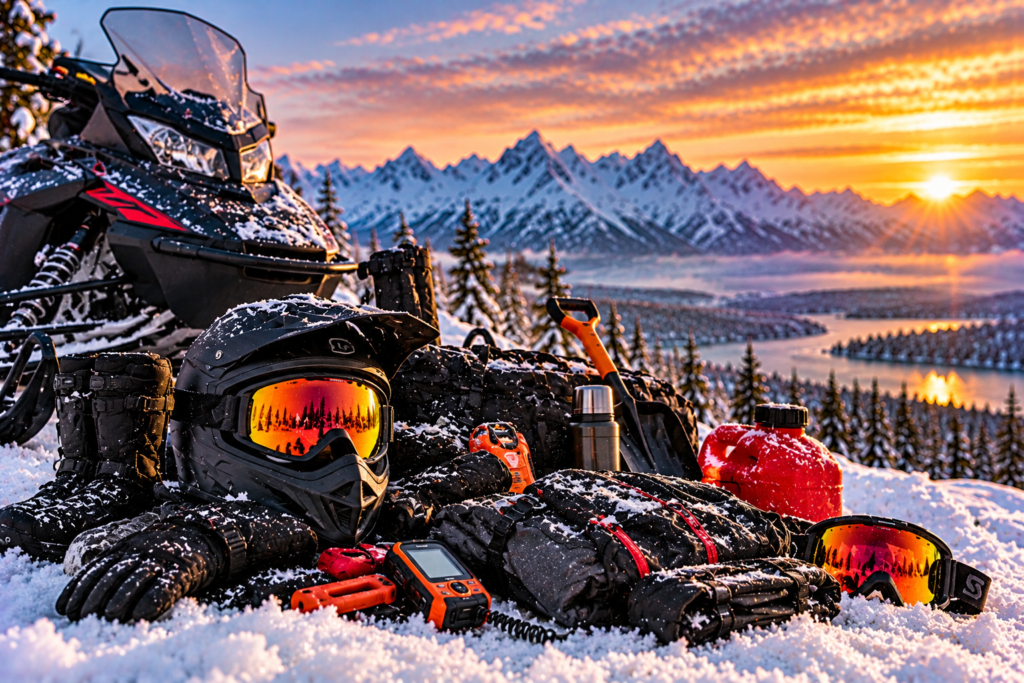
There's something special about snowmachining in Alaska. Whether you're following a groomed trail through the Interior, riding across open country, heading to a remote cabin, or traveling between communities where winter trails are an important part of everyday life, a snowmachine can take you places that are difficult to reach any other way.
But Alaska snowmachining comes with some serious responsibilities. Temperatures can fall well below zero, wind exposure increases dramatically when you're moving, and conditions can change quickly once you're away from the road system.
And here's something worth knowing if you're visiting Alaska for the first time: we generally call them snowmachines here, not snowmobiles. You'll hear both terms, but snowmachine is the one you'll encounter most often among Alaska riders.
When you're preparing for a ride, your clothing needs to do more than keep you warm while standing outside. It needs to protect you from moving air, blowing snow, and moisture while still allowing you to operate the machine safely.
A good snowmachine clothing system starts with moisture-managing base layers and insulating mid layers, followed by protective outerwear. Your helmet, goggles, gloves, and face covering are just as important because they protect some of the areas most exposed to wind and cold.
In this guide, we're looking at six snowmachine gear options for Alaska, including a helmet, goggles, balaclava, insulated gloves, bibs, and a jacket. I'll also explain how to put together a practical riding system, what to consider for different Alaska conditions, and which safety precautions deserve attention before you head out.
Quick Navigation
- Quick Picks
- Best Snowmachine Gear for Alaska
- Snowmachine Gear Comparison Chart
- Building an Alaska Snowmachine Clothing System
- Snowmachine Gear for Different Alaska Conditions
- Essential Alaska Snowmachine Safety
- Snowmachine Trip Packing Checklist
- Buying Guide & Frequently Asked Questions
- Related Alaska Winter Gear Guides
- Final Thoughts
Quick Picks
- Best Modular Snowmachine Helmet: Castle X EXO-CX950 Modular Snowmobile Helmet
- Best Snowmachine Goggles: 509 Sinister X7 Goggles
- Best Riding Balaclava: Klim Arctic Balaclava
- Best Insulated Riding Gloves: Klim Klimate Gauntlet Gloves
- Best Snowmachine Bibs: Castle X Platform G7 Snowmobile Bib
- Best Snowmachine Jacket: Castle X Platform G7 Snowmobile Jacket
These products cover six important parts of a snowmachine riding system. You'll still need appropriate winter boots, insulating layers, emergency equipment, and any specialized gear required by your route.
Best Snowmachine Gear for Alaska
Snowmachine equipment needs to work together. A helmet that fits poorly, goggles that fog, gloves that interfere with the throttle, or a jacket that allows wind to enter can quickly turn a good ride into an uncomfortable one.
Before purchasing, check sizing, compatibility, current specifications, and the manufacturer's intended use for each product.
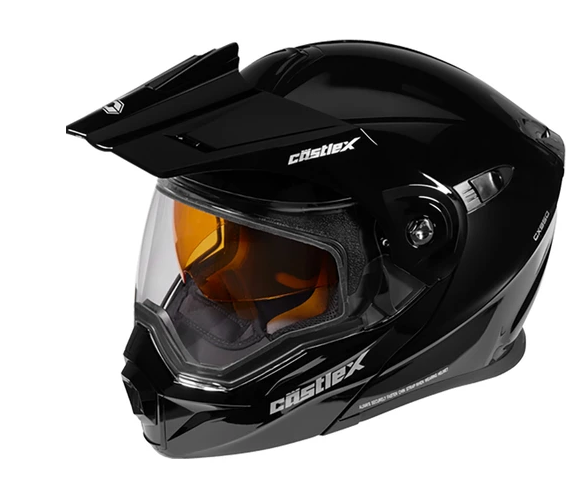
Best Modular Snowmachine Helmet: Castle X EXO-CX950 Modular Snowmobile Helmet
Your helmet is one of the most important pieces of equipment you'll wear on a snowmachine. While winter clothing protects against the weather, a properly selected and fitted helmet provides essential head protection during riding.
The Castle X EXO-CX950 is a modular-style helmet intended for snowmobile use. Modular helmets offer a different configuration from traditional full-face helmets, with a movable front section designed for convenience when used according to the manufacturer's instructions.
That can be appealing during Alaska winter rides when you're stopping to communicate with other riders or taking breaks along the trail.
However, convenience should never come before proper helmet fit or protection. A helmet needs to fit securely without uncomfortable pressure points, and its fastening system must be used correctly.
Pay attention to ventilation and visor management as well. Warm breath meeting a cold shield can create condensation or frost, particularly during extreme cold.
Before buying, verify the exact model's current safety certification, visor configuration, and suitability for your riding conditions. Don't assume every helmet variation includes the same features.
If you're using additional face protection beneath the helmet, make sure it doesn't compromise the helmet's fit.
Best for: Riders who want a modular snowmachine helmet and value convenient access during stops while maintaining appropriate riding protection.
Check Price on Amazon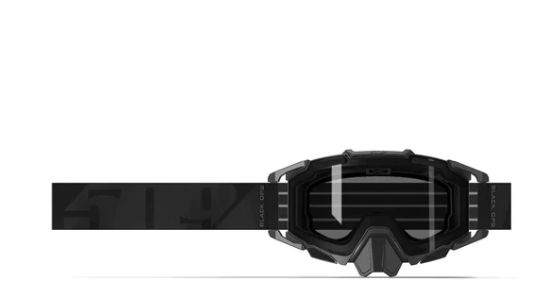
Best Snowmachine Goggles: 509 Sinister X7 Goggles
Clear visibility is essential when riding a snowmachine. Between blowing snow, cold wind, changing light, and moisture from your breath, your eyes need protection that works with your helmet and riding conditions.
The 509 Sinister X7 Goggles are designed for snow-related powersports and offer a dedicated option for riders who prefer goggles rather than relying entirely on a helmet face shield.
In Alaska, lighting conditions can vary dramatically. A bright afternoon on an open snowfield is very different from riding beneath heavy clouds, through wooded trails, or during the limited daylight of midwinter.
Choosing the correct lens matters. Dark lenses may reduce visibility when light is limited, while suitable eye protection can help manage glare during brighter conditions.
Goggle fit is another important consideration. They need to work with your helmet without leaving uncomfortable gaps or creating pressure around your face.
Fogging can become a serious problem if warm breath is directed upward into the lenses or if ventilation is obstructed.
Before riding, test your helmet, balaclava, and goggles together. Make sure you can see clearly in all directions and that the combination remains comfortable when you turn your head.
Best for: Snowmachine riders who need dedicated eye protection against wind, snow, and changing winter visibility.
Check Price on Amazon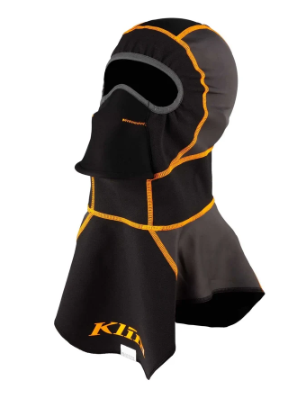
Best Riding Balaclava: Klim Arctic Balaclava
One of the biggest challenges of snowmachining in Alaska is protecting the skin around your face and neck from cold air.
Even when you're wearing a helmet, gaps around the collar, cheeks, or lower face can allow cold wind to reach exposed skin.
The Klim Arctic Balaclava is intended for cold-weather riding and provides an additional layer of coverage beneath compatible helmets and outerwear.
For Alaska snowmachine riders, a balaclava can help bridge the gap between your helmet and jacket, reducing the amount of exposed skin around your neck and face.
However, proper fit is extremely important. A balaclava shouldn't bunch up beneath your helmet, interfere with the chin strap, or restrict your vision.
Moisture management also matters. When you breathe into fabric during severe cold, moisture can collect and eventually freeze.
If your face covering becomes wet or heavily iced, replace it with a dry one when possible. Carrying an extra balaclava can be useful on longer rides.
Before heading out, make sure the balaclava works with your goggles or visor without directing warm breath toward your lenses.
Best for: Cold-weather snowmachine riding, reducing exposed skin, and adding face and neck coverage beneath compatible helmets.
Check Price on Amazon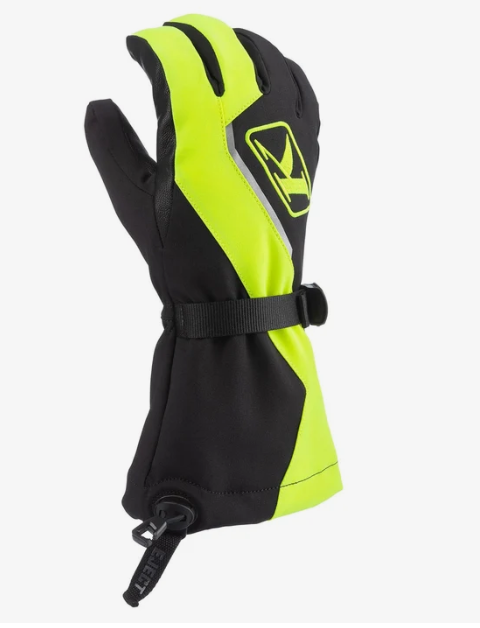
Best Insulated Riding Gloves: Klim Klimate Gauntlet Gloves
Keeping your hands warm while riding a snowmachine isn't just about comfort. Your hands need to remain functional enough to operate the throttle, brakes, and other controls safely.
The Klim Klimate Gauntlet Gloves are designed for cold-weather powersports use and feature an extended gauntlet-style cuff.
That extended cuff can be especially useful in Alaska because it helps cover the area where your gloves and jacket sleeves meet.
When you're riding through blowing snow or cold wind, even small openings around your wrists can allow cold air inside your clothing.
But insulation is only part of the equation. Gloves that are too bulky or restrictive may interfere with your ability to grip the handlebars and operate controls.
Before riding, test the gloves while wearing your full jacket and other equipment. Make sure you can comfortably reach and operate every control without struggling.
Also consider moisture. Wet gloves lose comfort and may become difficult to use in freezing temperatures. For longer rides, a spare dry pair can be a valuable addition to your emergency gear.
For extremely cold conditions, some riders may prefer different glove or mitten systems depending on their machine, heated grips, and personal needs.
Best for: Cold-weather snowmachine riding, extended wrist coverage, and riders who want insulated gloves designed for powersports.
Check Price on Amazon
Best Snowmachine Bibs: Castle X Platform G7 Snowmobile Bib
When you're riding a snowmachine, your lower body is exposed to cold air, snow, and moisture for extended periods.
Ordinary winter pants may be fine for walking around town, but dedicated snowmachine bibs are designed with riding conditions in mind.
The Castle X Platform G7 Snowmobile Bib is intended for snowmobile use and offers a dedicated outerwear option for protecting your legs and lower torso.
One advantage of bib-style outerwear is the additional coverage around your waist and lower back. This can help reduce gaps between your jacket and pants when you're sitting, standing, or shifting your position on the machine.
That matters in Alaska because cold air can enter through small openings in your clothing system, especially during extended rides.
Fit is important. Your bibs should allow you to sit comfortably, bend your knees, stand on the running boards when appropriate, and move without excessive restriction.
Make sure you have enough room for your base layers and insulating mid layers without creating an overly tight fit.
Before purchasing, review the exact model's insulation, weather protection, sizing, and intended riding conditions.
Best for: Snowmachine riding, lower-body weather protection, and riders who want additional coverage around the waist and lower back.
Check Price on Amazon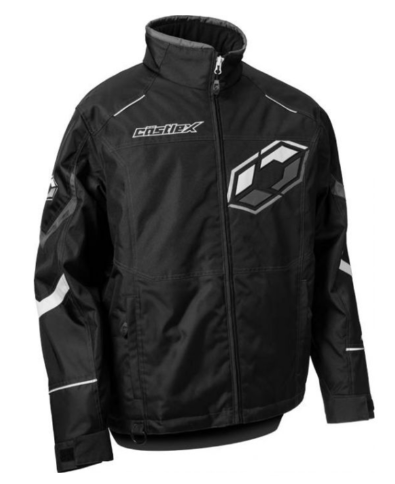
Best Snowmachine Jacket: Castle X Platform G7 Snowmobile Jacket
Your outer jacket is responsible for protecting the upper portion of your clothing system from wind, snow, and changing weather conditions.
The Castle X Platform G7 Snowmobile Jacket is designed for snowmobile use and provides an outerwear option intended for winter riding.
For Alaska, one of the biggest priorities is reducing wind penetration. A jacket that allows cold air to enter around the collar, cuffs, or waist can quickly undermine the insulation underneath.
That's why fit and coverage matter just as much as the amount of insulation in the jacket.
When you're riding, you need enough freedom of movement to steer, turn your head, and shift your body position safely.
The jacket also needs to work with your gloves, bibs, helmet, and neck protection without leaving large gaps.
Another consideration is moisture management. If you're working hard to free a stuck snowmachine or traveling through difficult terrain, you may begin to perspire even when the outside temperature is very cold.
Adjust your layers as needed to avoid soaking the clothing underneath. Damp insulation can become a serious problem when you stop moving.
Before buying, confirm the exact model's insulation, weather resistance, ventilation, and sizing. Alaska riding conditions vary too much to assume that one jacket will be ideal for every trip.
Best for: Snowmachine riding, wind and snow protection, and riders building a coordinated winter outerwear system.
Check Price on AmazonSnowmachine Gear Comparison Chart
These six products cover different parts of a snowmachine riding system. Click each product name to view its Amazon listing.
| Product | Gear Category | Primary Purpose |
|---|---|---|
| Castle X EXO-CX950 Helmet | Helmet | Head protection and weather coverage |
| 509 Sinister X7 Goggles | Eye protection | Wind, snow, and visibility management |
| Klim Arctic Balaclava | Face protection | Face and neck coverage |
| Klim Klimate Gauntlet Gloves | Hand protection | Hand insulation and wrist coverage |
| Castle X Platform G7 Bib | Lower-body outerwear | Leg and lower-torso protection |
| Castle X Platform G7 Jacket | Upper-body outerwear | Wind and snow protection |
Building an Alaska Snowmachine Clothing System
One of the most important things to understand about snowmachining is that staying warm isn't just about buying the thickest jacket you can find.
Your clothing needs to work as a system.
Step 1: Start with Moisture-Managing Base Layers
Your base layer sits against your skin and helps manage perspiration.
Merino wool and appropriate synthetic materials are commonly used because they can help move moisture away from the skin.
Avoid relying on cotton next to your skin during cold-weather riding. Cotton can retain moisture and become uncomfortable or dangerous when wet.
Step 2: Add Insulating Mid Layers
Your mid layers help retain body heat beneath your outerwear.
Depending on the temperature and your activity level, that may mean fleece, wool, or other insulating garments.
Choose layers that provide warmth without restricting movement or making your outerwear too tight.
Step 3: Wear Riding-Specific Outerwear
Your jacket and bibs form the outer protective layer against wind, snow, and moisture.
Make sure they overlap properly at the waist and allow you to move comfortably while operating the machine.
Step 4: Protect Your Head, Face, and Eyes
Use a properly fitted helmet, suitable eye protection, and face covering that work together without compromising visibility or safety.
Test the complete combination before heading out, especially if you're using new equipment.
Step 5: Don't Forget Your Hands and Feet
Insulated gloves and winter boots are essential, but fit matters.
Gloves must allow you to operate controls, while boots should provide sufficient insulation without restricting circulation.
For prolonged extreme-cold travel, consider carrying spare dry gloves and socks.
Snowmachine Gear for Different Alaska Conditions
Snowmachine riding conditions can vary dramatically across Alaska. The gear you need in Interior Alaska may differ from what works along the coast or in mountainous areas.
| Environment | Primary Challenges | Gear Priorities |
|---|---|---|
| Interior Alaska | Extreme cold, limited daylight, remote trails | Comprehensive insulation, face protection, emergency equipment |
| Southcentral Alaska | Variable snow conditions, moisture, mountainous terrain | Weather protection, moisture management, avalanche preparedness where applicable |
| Western and Northern Alaska | Exposed terrain, wind, remote travel, extreme cold | Wind protection, navigation, communication, and substantial emergency supplies |
| Mountain and Backcountry Routes | Avalanche terrain, rapidly changing weather, limited rescue access | Avalanche training and equipment, route planning, communication, and survival supplies |
Essential Alaska Snowmachine Safety
Snowmachining is an incredible way to experience Alaska, but remote winter travel can become dangerous quickly if something goes wrong.
Cold weather, limited daylight, changing trail conditions, and the distance between communities make preparation essential.
Check Weather and Trail Conditions
Before leaving, review current weather forecasts, wind conditions, visibility, and any available trail reports.
Conditions can change substantially during a ride, especially in exposed areas.
Tell Someone Your Route and Return Time
Share your intended route, destination, expected return time, and emergency contact plan with someone who isn't traveling with you.
If your plans change, update that person when possible.
Carry Reliable Emergency Communication
Cell service can be limited or nonexistent on remote Alaska trails.
Consider an appropriate satellite communication device and make sure you understand how to use it before traveling.
Remember that some satellite communication services require an active subscription and may have coverage or operating limitations.
Understand Avalanche Terrain
If your route enters avalanche terrain, carry appropriate rescue equipment, including a transceiver, shovel, and probe, and obtain hands-on avalanche education.
Equipment alone doesn't make avalanche terrain safe. Terrain assessment, current conditions, group decisions, and training are essential.
Watch for Overflow and Weak Ice
Overflow occurs when liquid water reaches the surface of existing snow or ice. It can create wet, slushy conditions that may trap a snowmachine or expose riders to dangerous cold.
Frozen rivers and lakes can also contain areas of weak ice, particularly near currents, pressure ridges, inlets, and outlets.
Never assume a route across frozen water is safe simply because tracks are visible.
Carry Enough Supplies for an Unexpected Delay
A mechanical problem, poor visibility, or a stuck snowmachine can leave you outside far longer than expected.
Carry additional insulation, shelter equipment, food, water, navigation tools, and other emergency supplies appropriate for the trip.
Avoid Riding Alone in Remote Areas
Traveling with capable companions can provide important assistance if a machine breaks down or someone becomes injured.
For remote routes, develop a realistic plan for mechanical problems and emergencies rather than assuming help will arrive quickly.
Respect Trails, Land Access, and Local Rules
Snowmachine access rules vary across Alaska depending on land ownership, seasonal restrictions, protected areas, and local regulations.
Verify that your planned route is open to motorized travel and follow applicable rules.
Alaska Snowmachine Trip Packing Checklist
Your exact packing list will depend on the length of your ride, route, weather, and distance from help. For winter outings, consider the following essentials:
- Properly fitted snowmachine helmet
- Suitable goggles or face shield
- Balaclava and spare dry face covering
- Moisture-managing base layers
- Insulating mid layers
- Weather-appropriate riding jacket and bibs
- Insulated riding gloves and spare dry gloves
- Appropriate insulated winter boots and socks
- Headlamp with backup power
- Navigation equipment and offline route information
- Reliable emergency communication device
- First aid kit and personal medications
- Emergency shelter and additional insulation
- Food and water suitable for freezing conditions
- Basic machine repair supplies and tools
- Fuel planning appropriate to the route
- Avalanche rescue equipment and training when traveling in avalanche terrain
- Trip plan shared with a responsible contact
For extended backcountry travel, this checklist is only a starting point. Remote Alaska routes may require considerably more specialized equipment and planning.
Buying Guide & Frequently Asked Questions
What gear do I need for snowmachining in Alaska?
At a minimum, you need a properly fitted helmet, appropriate eye and face protection, insulated clothing, gloves, boots, and any safety equipment required by your route.
Remote riding also requires navigation, emergency communication, mechanical preparedness, and sufficient supplies for unexpected delays.
What's the difference between snowmachine gear and regular winter clothing?
Snowmachine gear is designed with riding conditions in mind, including moving air, blowing snow, exposure while seated, and the need to operate machine controls.
Ordinary winter clothing may not provide the same coverage, weather protection, or freedom of movement.
Do I need a special helmet for snowmachining?
Use a helmet specifically appropriate for snowmachine riding that meets applicable safety requirements and fits correctly.
Verify the certification and intended use of the exact helmet model before purchasing.
Are modular helmets good for Alaska snowmachining?
Modular helmets can be convenient during stops, but proper fit, certification, and correct use are more important than the opening mechanism.
Follow the manufacturer's instructions regarding the position of the chin bar during riding.
Do I need goggles if my helmet has a visor?
Not necessarily. The correct eye-protection system depends on your helmet configuration and riding conditions.
Some riders use a full face shield, while others use goggles with a compatible helmet. Whatever you choose, visibility and fog management are essential.
How do I keep my goggles from fogging?
Choose compatible equipment, keep ventilation openings unobstructed, manage moisture from your breath, and follow the manufacturer's lens-care instructions.
If your goggles or visor fog enough to impair your vision, stop safely and address the problem before continuing.
What should I wear under my snowmachine jacket?
Start with moisture-managing base layers and add insulating mid layers according to the temperature and activity.
Avoid excessively tight layering, which can restrict movement and reduce comfort.
Are bibs better than regular snow pants for snowmachining?
Bibs can provide additional coverage around the waist and lower back, which may help reduce gaps between your jacket and pants.
However, fit, weather protection, and mobility matter more than the garment style alone.
Are mittens or gloves better for snowmachining?
Gloves often provide more individual finger movement, while mittens may offer greater warmth in some conditions.
Choose a system that keeps your hands warm while allowing safe operation of every machine control.
Can I use regular winter boots on a snowmachine?
Some winter boots may be appropriate, but they must provide adequate insulation, secure footing, and compatibility with the machine's controls and running boards.
Dedicated riding boots may offer advantages depending on your activity and conditions.
How cold is too cold to ride a snowmachine in Alaska?
There isn't one universal temperature cutoff that makes riding safe or unsafe.
Wind exposure, route remoteness, clothing, machine reliability, experience, and access to shelter all matter. Severe cold can make an ordinary mechanical delay life-threatening.
Be willing to postpone a ride when conditions exceed your equipment or experience.
Do I need avalanche gear for snowmachining?
If your route enters avalanche terrain, appropriate rescue equipment and hands-on avalanche training are essential.
That typically includes a transceiver, shovel, and probe, along with the skills to use them and the knowledge to avoid hazardous terrain.
Is it safe to snowmachine on frozen rivers and lakes?
Frozen water presents serious hazards, including thin ice, currents, overflow, and pressure ridges.
Never assume ice is safe based only on appearance, tracks, or the presence of other riders. Seek current local guidance and avoid crossings when conditions are uncertain.
Should I carry a satellite communicator?
For remote Alaska travel, a suitable satellite communication device can provide an important additional way to request assistance when cellular service is unavailable.
Check service coverage, subscription requirements, battery limitations, and operating procedures before relying on it.
What's the biggest mistake new snowmachine riders make?
One common mistake is focusing entirely on staying warm while overlooking emergency preparedness.
A rider may be comfortable while the machine is running but become dangerously cold if the machine breaks down far from shelter.
Dress for the possibility of being stopped outdoors, not just for the ride itself.
Final Thoughts
Snowmachining is one of the ways people experience Alaska that really captures what makes this state special. It can take you through beautiful winter landscapes, connect remote places, and open up opportunities for adventures you simply can't experience the same way during summer.
But the freedom that comes with snowmachining also means taking responsibility for your own preparation.
Your helmet, goggles, balaclava, gloves, bibs, and jacket all play important roles in keeping you protected and comfortable. The right combination depends on where you're riding, how long you'll be outside, and what conditions you're likely to encounter.
Don't forget that your base layers, insulating clothing, winter boots, and emergency supplies are just as important as the riding gear itself.
And remember that Alaska winter travel can become serious very quickly. Weather changes, mechanical problems, poor visibility, overflow, and remote terrain all deserve careful planning.
Choose equipment that fits properly, practice using it before heading into remote areas, and always be prepared for an unexpected delay.
With the right gear, good judgment, and a healthy respect for Alaska's winter conditions, snowmachining can be an incredible way to explore the Last Frontier.