
Disclosure: This page contains affiliate links. As an Amazon Associate, I earn from qualifying purchases at no additional cost to you.
There are few things that can ruin an Alaska winter adventure faster than freezing fingers and toes. You can have a great winter jacket, insulated boots, and all the right layers, but once your hands or feet get cold, it's difficult to enjoy whatever you're doing outside.
And if you've ever spent time outdoors during an Interior Alaska winter, you know that the cold has a way of finding every weakness in your clothing system.
Here in Alaska, hand and foot warmers are one of those small pieces of gear that can make a surprisingly big difference. They're easy to pack, relatively inexpensive in their disposable forms, and useful for everything from watching the northern lights to ice fishing, snowmachining, winter photography, and outdoor sporting events.
But not all warmers work the same way.
Some use air-activated heat packs that provide warmth for several hours. Others use rechargeable batteries and offer adjustable heat settings. Toe and foot warmers are designed differently from hand warmers, and choosing the right type matters for comfort and safety.
It's also important to understand that hand and foot warmers are supplemental heat sources. They should never replace properly insulated gloves, mittens, socks, or winter boots, especially during extreme cold.
In this guide, we're looking at six hand and foot warmer options worth considering for Alaska, including disposable warmers, rechargeable models, and products designed specifically for your feet. I'll also explain how to use them safely, which types work best for different activities, and what to expect when temperatures drop well below zero.
Quick Navigation
- Quick Picks
- Best Hand & Foot Warmers for Alaska
- Hand & Foot Warmer Comparison Chart
- Disposable vs. Rechargeable Warmers
- Choosing Warmers for Alaska Winter Conditions
- Best Warmers for Alaska Winter Activities
- Hand & Foot Warmer Safety
- Buying Guide & Frequently Asked Questions
- Related Alaska Winter Gear Guides
- Final Thoughts
Quick Picks
- Best Disposable Hand Warmers: HotHands Hand Warmers
- Best Disposable Toe Warmers: HotHands Toe Warmers
- Best Rechargeable Hand Warmer for Everyday Use: Zippo Rechargeable Hand Warmer
- Best Compact Rechargeable Hand Warmer: OCOOPA Rechargeable Hand Warmer
- Best Disposable Foot Warmers: Grabber Foot Warmers
- Best Alternative Disposable Hand Warmers: Ignik Hand Warmers
For occasional winter adventures, disposable warmers can be convenient because they don't require charging. Rechargeable warmers may be more practical for regular use, provided you can keep their batteries charged and protected from severe cold.
Best Hand & Foot Warmers for Alaska
These six products cover different winter needs. Some are designed to slip inside gloves or boots, while others provide a reusable heat source you can hold in your hands or keep inside an appropriate pocket.
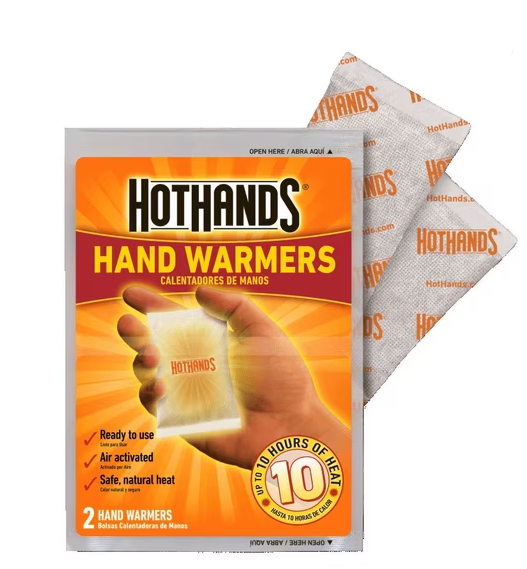
Best Disposable Hand Warmers: HotHands Hand Warmers
HotHands Hand Warmers are one of the simplest ways to add supplemental warmth to your winter clothing system.
These disposable warmers use an air-activated heating process. Once removed from their sealed packaging and exposed to air, the ingredients begin producing heat.
What makes this type of warmer especially convenient for Alaska is that it doesn't require batteries, charging cables, or access to electricity. You can keep unopened packets in your winter gear bag, vehicle emergency kit, or backpack until you need them.
For northern lights viewing, winter sightseeing, outdoor sporting events, and other activities where you're standing still, disposable hand warmers can provide welcome supplemental warmth.
They're also easy to distribute among family members or traveling companions, which can be helpful when you're preparing for a group outing.
However, air-activated warmers require oxygen to generate heat. Their performance can vary depending on the amount of available air, surrounding temperatures, and how they're positioned.
Always follow the package instructions and avoid placing them directly against bare skin. Disposable warmers can cause burns, particularly when pressure is applied or heat becomes trapped.
Best for: Northern lights viewing, winter sightseeing, outdoor events, emergency kits, and travelers who want a simple disposable heat source.
Check Price on Amazon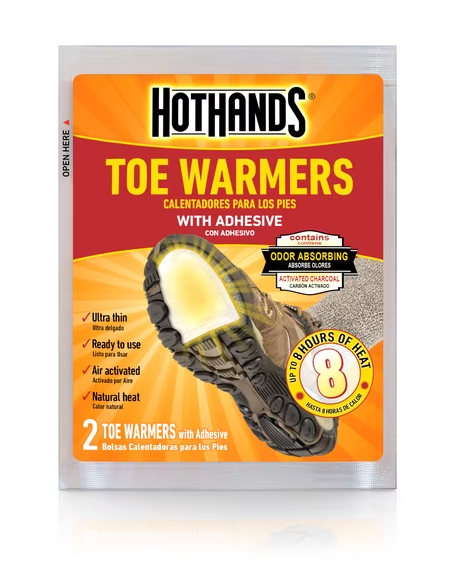
Best Disposable Toe Warmers: HotHands Toe Warmers
Cold toes can make an otherwise enjoyable winter activity miserable, especially when you're standing outside for extended periods.
HotHands Toe Warmers are designed specifically to provide supplemental warmth inside footwear. Unlike traditional hand warmers, toe warmers are generally thinner and shaped to fit more comfortably within a boot.
Many toe warmer designs include an adhesive backing that helps hold the warmer in position against the outside of your sock, following the manufacturer's placement instructions.
These can be particularly useful during northern lights viewing, outdoor events, winter photography, and other activities where your feet aren't generating much heat through movement.
However, it's important to understand that toe warmers aren't a substitute for properly insulated winter boots.
If your boots are too tight, adding a warmer can reduce the space around your toes and potentially restrict circulation. That can make your feet colder rather than warmer.
Toe warmers also require the appropriate amount of air to function, and some types are specifically designed for use inside footwear rather than in open air.
Always use the correct type of warmer for your boots and follow the product instructions. Never place toe warmers directly against bare skin.
Best for: Northern lights viewing, cold-weather sightseeing, winter events, and people whose toes get cold during low-activity outdoor adventures.
Check Price on Amazon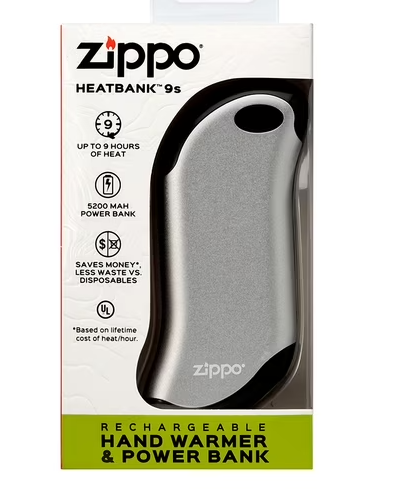
Best Rechargeable Hand Warmer for Everyday Use: Zippo Rechargeable Hand Warmer
If you spend time outside regularly during Alaska winters, disposable warmers can become an ongoing expense.
That's one reason rechargeable hand warmers are worth considering.
The Zippo Rechargeable Hand Warmer provides a reusable source of supplemental heat without requiring a new disposable packet each time you go outside.
Depending on the exact model, rechargeable warmers may offer adjustable heat settings and additional electronic features. Check the product listing for the specific controls, charging requirements, and battery capacity.
For everyday Alaska use, a rechargeable warmer can be convenient for short winter walks, commuting, outdoor events, and situations where you want quick access to supplemental warmth.
However, rechargeable warmers introduce a different limitation: battery performance.
Cold temperatures can reduce the usable capacity of lithium-ion batteries. A hand warmer that performs well indoors may have a shorter operating time when exposed to severe cold.
For that reason, I wouldn't rely on a rechargeable hand warmer as my only source of supplemental heat during remote winter travel.
Keep it charged, protect it from moisture, and follow the manufacturer's operating temperature and safety recommendations.
Best for: Regular winter use, commuting, outdoor events, and people who prefer a reusable alternative to disposable warmers.
Check Price on Amazon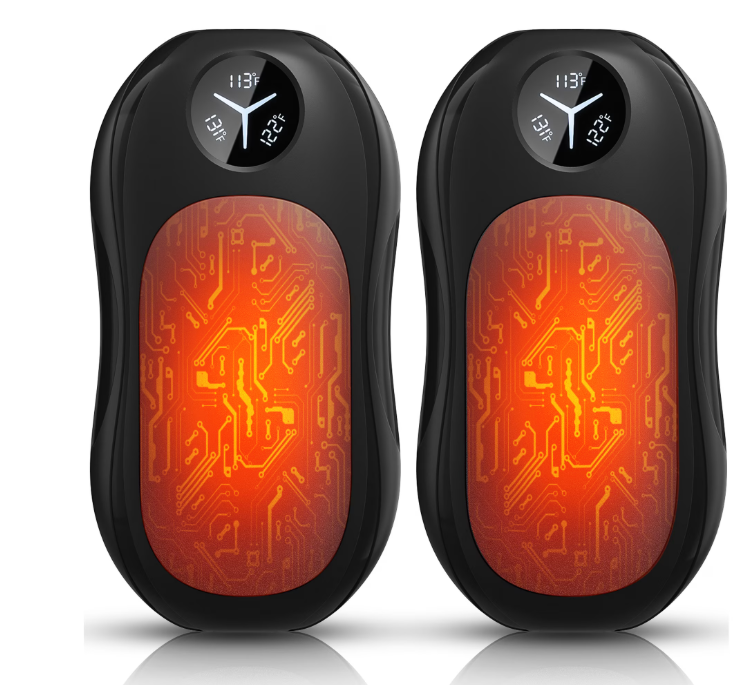
Best Compact Rechargeable Hand Warmer: OCOOPA Rechargeable Hand Warmer
Sometimes you want a little extra warmth without carrying bulky equipment.
The OCOOPA Rechargeable Hand Warmer is another reusable option worth considering for winter activities where convenience and portability are important.
Compact electric hand warmers can be particularly useful when you're moving between indoor and outdoor environments, such as sightseeing, shopping, commuting, or attending winter events.
Rather than opening a disposable warmer every time you need extra heat, a rechargeable device allows you to use the same warmer repeatedly.
For travelers visiting Alaska, that convenience can be appealing, especially when you have reliable access to charging facilities at your hotel or rental accommodation.
However, rechargeable warmers need to be managed carefully during severe cold.
Battery-powered devices may lose usable capacity when exposed to low temperatures, and charging a cold lithium-ion battery outside its approved temperature range can damage it or create a safety hazard.
Keep the device dry, charge it only within the manufacturer's recommended conditions, and avoid placing it directly against sensitive skin for prolonged periods.
Best for: Everyday winter outings, travel, commuting, and people who prefer compact reusable hand warmers.
Check Price on Amazon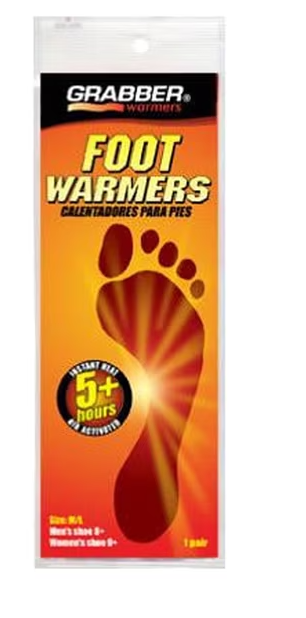
Best Disposable Foot Warmers: Grabber Foot Warmers
While toe warmers focus primarily on the front of your feet, foot warmer products are designed to provide supplemental warmth over a larger area, depending on the specific style.
Grabber Foot Warmers are worth considering for activities where cold feet are a recurring problem, particularly when you're spending long periods standing or sitting outside.
For Alaska winter adventures, that might include watching the northern lights, attending outdoor sporting events, ice fishing, or spending time in a stationary outdoor setting.
However, foot warmers need to be matched carefully to your footwear.
Some products are designed to adhere to socks, while others are intended for particular positions within the boot. Follow the instructions for the exact product rather than assuming all foot warmers can be used interchangeably.
One of the biggest considerations is fit. Adding material inside your boots can reduce available space and restrict circulation if your footwear is already snug.
Foot warmers also shouldn't be placed directly against bare skin unless the manufacturer specifically permits it.
For extremely cold conditions, prioritize properly insulated boots and appropriate winter socks first. Treat foot warmers as an additional comfort measure, not your primary protection.
Best for: Extended stationary winter activities, cold-weather events, ice fishing, and people who want supplemental warmth inside appropriate footwear.
Check Price on Amazon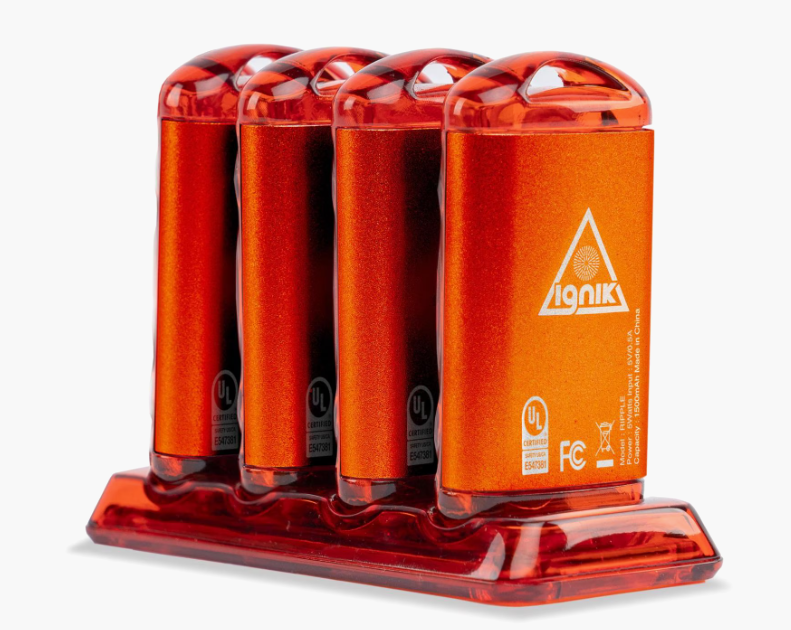
Best Alternative Disposable Hand Warmers: Ignik Hand Warmers
Ignik Hand Warmers provide another disposable option for people who want supplemental heat during cold-weather activities.
Like other air-activated hand warmers, these products use a chemical heating process that begins when the warmer is exposed to air.
For Alaska winter travel, disposable warmers are particularly convenient because they don't depend on an electrical charging system.
That makes them useful additions to winter backpacks, emergency supplies, and outdoor recreation kits.
They're also practical for activities where you may be outside longer than expected. Having unopened hand warmers available can provide an additional comfort option when temperatures fall.
However, disposable warmers still have limitations. Their heating duration and output can vary, and they require suitable conditions to activate and produce heat.
They also shouldn't be relied upon as emergency protection against hypothermia or frostbite.
For remote Alaska travel, proper clothing, shelter, communication equipment, and a realistic emergency plan are far more important than any supplemental warmer.
Best for: Winter hiking, outdoor events, emergency supply kits, and travelers who prefer disposable hand warmers.
Check Price on AmazonHand & Foot Warmer Comparison Chart
Here's a quick comparison of the six hand and foot warmers featured in this guide. Click the product names to view their Amazon listings.
| Product | Type | Reusable? | Best For |
|---|---|---|---|
| HotHands Hand Warmers | Air-activated hand warmers | No | General winter activities |
| HotHands Toe Warmers | Footwear-specific toe warmers | No | Cold toes during stationary activities |
| Zippo Rechargeable Hand Warmer | Battery-powered hand warmer | Yes | Regular winter use |
| OCOOPA Rechargeable Hand Warmer | Compact battery-powered warmer | Yes | Portable everyday warmth |
| Grabber Foot Warmers | Air-activated foot warmers | No | Supplemental warmth inside footwear |
| Ignik Hand Warmers | Air-activated hand warmers | No | Outdoor recreation and backup supplies |
Disposable vs. Rechargeable Hand Warmers: Which Is Better for Alaska?
Both disposable and rechargeable hand warmers can be useful during Alaska winters, but they have different strengths and limitations.
Disposable Hand Warmers
Disposable warmers are generally activated by exposure to air. They don't require charging and can be stored unopened until needed.
That makes them convenient for occasional outings, travel, and backup winter supplies.
However, once activated, they aren't designed to be switched off and saved for another day. They're also single-use products, which creates more waste over time.
Rechargeable Hand Warmers
Rechargeable warmers use batteries to generate heat and can be reused after charging.
They're often convenient for regular winter activities because you don't need to open a new disposable warmer every time you go outside.
However, their operating time depends on battery capacity, heat setting, environmental temperature, and the condition of the battery.
Extremely cold conditions can reduce battery performance, and you'll need reliable access to charging.
| Feature | Disposable Warmers | Rechargeable Warmers |
|---|---|---|
| Power Source | Air-activated chemical reaction | Rechargeable battery |
| Reusable | No | Yes |
| Charging Required | No | Yes |
| Heat Control | Generally not adjustable | May offer adjustable settings |
| Cold-Weather Limitations | Requires sufficient oxygen and proper activation | Battery capacity can decline in severe cold |
| Best Use | Occasional outings and backup supplies | Regular use with reliable charging access |
For many Alaska visitors, disposable warmers may be the simplest choice. For residents who use hand warmers regularly, rechargeable options may be worth considering.
Either way, proper winter clothing should always be your first line of protection.
Choosing Hand & Foot Warmers for Alaska Winter Conditions
Alaska's winter conditions vary significantly depending on where you're traveling.
In Southcentral Alaska, winter may bring wet snow, slush, and temperatures near freezing. In Interior Alaska, temperatures can drop far below zero, particularly during cold snaps.
Those differences affect how you should prepare.
| Conditions | Warmer Considerations | Important Priorities |
|---|---|---|
| Mild winter temperatures near freezing | Disposable or rechargeable hand warmers | Keep gloves and socks dry |
| Cold conditions around 0°F | Supplemental hand and footwear warmers | Proper insulation and circulation |
| Severe cold below -20°F | Supplemental heat only, never primary protection | Extreme-cold clothing, shelter, and limited exposure |
| Wet snow and slush | Protect warmers and clothing from moisture | Waterproof boots and gloves |
| Remote winter travel | Backup supplemental heat may be useful | Emergency planning, communication, and shelter |
These are general recommendations rather than guaranteed temperature ranges for any warmer. Actual performance depends on the product, its condition, the environment, and how it's used.
Best Hand & Foot Warmers for Different Alaska Winter Activities
Northern Lights Viewing
Northern lights viewing is one of the activities where supplemental warmers can be especially appealing.
You're often standing outside at night, sometimes for long periods, and you're not generating much heat through movement.
Disposable hand warmers can provide supplemental warmth inside appropriate gloves or mittens, while footwear-specific warmers may help with cold toes.
However, don't let warmers give you a false sense of security. Severe Interior Alaska temperatures require substantial insulation, appropriate footwear, and access to a warm shelter.
Ice Fishing
Ice fishing often involves alternating between periods of activity and long stretches of sitting still.
Disposable hand warmers can be convenient for warming your hands between tasks, while properly designed foot warmers may provide additional comfort inside suitable boots.
Keep warmers dry and follow the manufacturer's instructions. Never substitute them for appropriate ice-fishing clothing and safety equipment.
Winter Hiking and Snowshoeing
During active winter adventures, your body generates more heat, so heavy supplemental warming may not always be necessary.
However, carrying unopened disposable warmers can provide an additional comfort option during rest stops or unexpected delays.
Be careful not to overheat or allow perspiration to soak your gloves and socks. Moisture management is especially important during active winter travel.
Snowmachine Riding
Snowmachine riding can expose your hands and feet to significant cold and wind.
Appropriate insulated gloves, boots, and wind protection should be your primary defense.
Hand warmers may provide supplemental heat during stops, but they should never interfere with your grip, throttle control, brakes, or other equipment.
Don't place bulky warmers inside gloves if they restrict hand movement or compromise control of the machine.
Winter Photography
Winter photography can involve long periods of standing still while waiting for wildlife, landscapes, or the northern lights.
Supplemental hand warmers may help with comfort between camera adjustments, especially when used with suitable insulated gloves or mittens.
Some photographers also use carefully managed heat sources to help reduce condensation or frost on equipment, but don't place disposable warmers directly against sensitive electronics unless the equipment manufacturer permits it.
Everyday Winter Activities
For everyday activities like walking around town, commuting, attending outdoor events, or clearing snow from a vehicle, rechargeable hand warmers can be convenient.
They allow you to use the same device repeatedly without opening a new disposable warmer every time you step outside.
Just remember to keep the device charged and use it within its approved temperature range.
Hand & Foot Warmer Safety in Extreme Cold
Hand and foot warmers can be useful, but they need to be used correctly.
One of the biggest mistakes people make is assuming that because a warmer is designed for cold weather, it can't get hot enough to cause a burn.
That's not true.
Never Place Warmers Directly Against Bare Skin
Many disposable warmers are designed to be used over clothing or inside appropriate gloves, pockets, or footwear.
Follow the instructions for the exact product. Prolonged contact, pressure, or trapped heat can cause burns, even if the warmer doesn't initially feel excessively hot.
Be Careful with Tight Boots and Gloves
Adding a warmer to footwear or gloves that already fit tightly can restrict circulation.
Good circulation is essential for keeping your hands and feet warm, so don't sacrifice fit just to accommodate a warmer.
Don't Use Warmers While Sleeping Unless Specifically Approved
Many warmers are not designed for use while sleeping because prolonged contact can increase burn risk.
Always follow the manufacturer's warnings, particularly when using warmers inside sleeping bags or other insulated environments.
Use Extra Caution with Reduced Sensation
People with reduced skin sensation, circulation problems, or conditions that make it difficult to detect heat should be especially cautious.
If you can't reliably feel when a warmer becomes too hot, you may not notice a developing burn.
Protect Rechargeable Batteries
Rechargeable warmers contain batteries that must be handled according to the manufacturer's instructions.
Avoid charging them outside their approved temperature range, keep them away from moisture, and stop using any device that becomes damaged, swollen, or unusually hot.
Never Use Warmers to Treat Frostbite
If your fingers or toes become numb, unusually pale, waxy, or painful, seek warmth promptly.
Do not place hot warmers directly against potentially frostbitten skin. Rapid or uncontrolled heating can cause additional injury.
Move to a sheltered environment and seek medical attention for suspected frostbite.
Buying Guide & Frequently Asked Questions
What are the best hand warmers for Alaska?
The best hand warmers depend on how often you'll use them and what activities you have planned.
Disposable warmers like HotHands and Ignik are convenient for occasional outings and backup supplies. Rechargeable options from Zippo and OCOOPA may be more practical for regular use when charging is available.
Are hand warmers worth bringing to Alaska?
Yes, especially if you're visiting during winter and planning outdoor activities.
They're small, easy to pack, and can provide supplemental warmth during northern lights viewing, winter sightseeing, and other cold-weather adventures.
Do hand warmers work in extreme cold?
They can, but their performance depends on the type of warmer and the conditions.
Air-activated warmers need oxygen to generate heat, while rechargeable warmers depend on battery performance, which can decline in severe cold.
Neither type should replace proper extreme-cold clothing.
How long do disposable hand warmers last?
Heating duration varies by product, packaging, and environmental conditions.
Check the manufacturer's stated operating duration for the exact warmer you're purchasing rather than assuming every disposable warmer performs the same way.
Are rechargeable hand warmers better than disposable ones?
Rechargeable warmers may be more convenient for frequent use because they can be used repeatedly.
Disposable warmers can be simpler for occasional travel because they don't require charging.
The better option depends on your activities, access to electricity, and personal preferences.
Can I put hand warmers inside my boots?
Only if the manufacturer specifically approves that use.
Traditional hand warmers aren't necessarily designed for the confined space inside footwear. Use toe or foot warmers intended for boots, and follow their placement instructions.
Are toe warmers safe to use in winter boots?
Toe warmers can be used safely when the product is designed for footwear and the instructions are followed.
Never place them directly against bare skin, and avoid using them in boots that are too tight.
Do foot warmers replace insulated winter boots?
No. Foot warmers provide supplemental heat but don't replace properly insulated, well-fitting winter boots.
For Alaska winter travel, your footwear should be appropriate for the temperatures and conditions even without warmers.
Can I use hand warmers while snowmachining?
Possibly, but they must not interfere with your grip or control of the machine.
Choose properly insulated riding gloves first, and use supplemental warmers only when compatible with the equipment and manufacturer's instructions.
Do rechargeable hand warmers work below zero?
Some rechargeable warmers may operate in subzero conditions, but battery performance and manufacturer operating limits vary.
Check the specifications for the exact device and don't assume that a warmer designed for general winter use is suitable for prolonged extreme-cold exposure.
Can hand warmers burn your skin?
Yes. Disposable and rechargeable warmers can cause burns if used improperly, particularly with prolonged contact or trapped heat.
Always follow the manufacturer's placement and safety instructions.
Should I pack extra hand warmers for an Alaska trip?
Having a few unopened disposable warmers can be useful for winter outings and backup supplies.
However, prioritize appropriate clothing, shelter access, and emergency preparedness rather than relying on warmers to compensate for inadequate gear.
Can hand warmers be taken on airplanes?
Airline and transportation security rules depend on the type of warmer.
Air-activated disposable warmers and rechargeable battery-powered warmers may be subject to different requirements. Rechargeable lithium-battery devices generally need to comply with airline battery rules, and spare lithium batteries are normally carried in cabin baggage.
Check current TSA, FAA, and airline requirements before packing them, especially if you're traveling with multiple devices or unusual warmer types.
What's the biggest mistake people make with hand and foot warmers?
One common mistake is treating them as a substitute for proper winter clothing.
Another is using the wrong type of warmer in footwear or placing a warmer directly against bare skin.
Hand and foot warmers are most useful when they're part of a complete winter clothing system.
Final Thoughts
Hand and foot warmers are one of those small winter accessories that can make a big difference when you're spending time outdoors in Alaska.
Whether you're watching the northern lights, ice fishing, snowmachining, or simply trying to enjoy a winter day outside, having a little supplemental warmth available can make the experience more comfortable.
For occasional adventures, disposable warmers are convenient because they're easy to pack and don't require charging. For regular winter use, rechargeable hand warmers may be a practical alternative.
But there's one thing I want to emphasize: hand and foot warmers are not a replacement for proper winter gear.
In Alaska, especially during extreme cold, your insulated boots, gloves, mittens, base layers, and outerwear need to do the heavy lifting.
Think of warmers as an extra tool in your winter preparation kit rather than something you depend on to stay safe.
Choose the type that fits your activities, use it according to the manufacturer's instructions, and always prepare for the conditions you're likely to encounter.
Alaska winters are incredible, and some of the most memorable experiences happen when the temperatures are at their coldest. With the right preparation and a few practical accessories, you'll be better equipped to enjoy everything winter here has to offer.