
Polar Night in Alaska
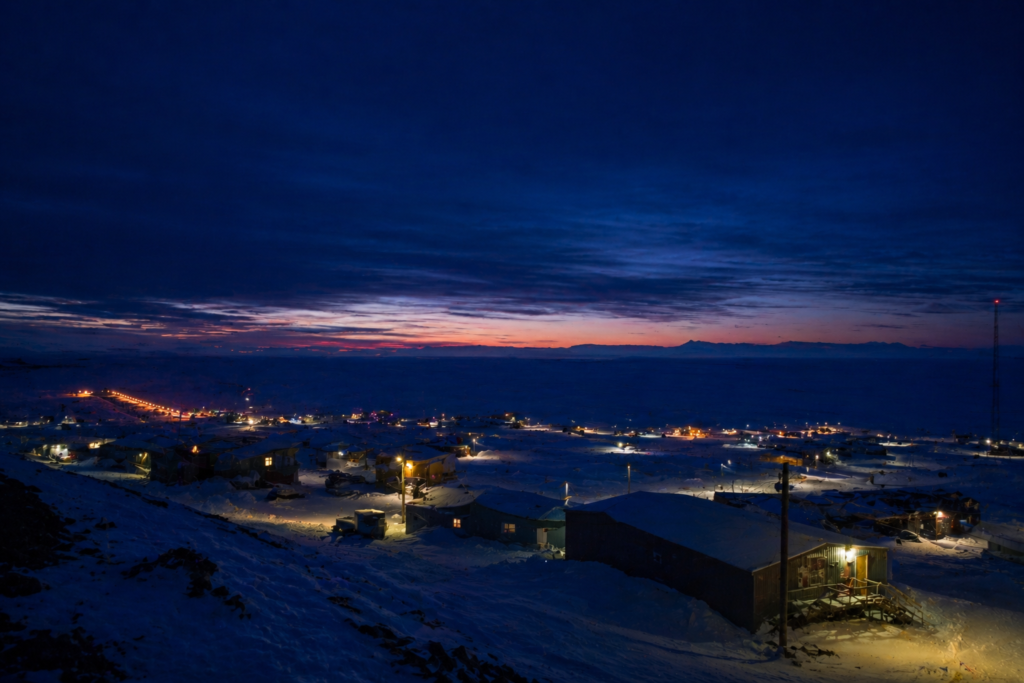
Polar Night in Alaska: What It Is and How It Affects Life
Polar night in Alaska occurs when the sun does not rise above the horizon for an extended period during winter. Instead of traditional daylight, the region experiences long stretches of darkness, with only a brief period of dim twilight each day. It’s one of the most extreme seasonal changes on Earth and a defining feature of life in the Arctic.
This period isn’t total darkness the entire time, but the absence of direct sunlight changes how people live, travel, and experience the environment. For visitors, it can feel unfamiliar at first. For those who live in northern Alaska, it’s simply part of the yearly cycle.
Polar night typically occurs from late November through January in Alaska’s northernmost regions. The farther north you go, the longer it lasts. In places above the Arctic Circle, the sun can remain below the horizon for weeks at a time.
What Polar Night Looks Like
During polar night, the sky never fully brightens into daylight. Instead, there are a few hours of low light, often called twilight, where the horizon glows softly. The rest of the day remains dark, with the sun staying below the horizon.
Despite the darkness, the landscape is not completely black. Snow reflects available light, and on clear nights, the sky can feel surprisingly bright with stars and moonlight.
When Polar Night Happens
Polar night occurs during the winter months, generally between late November and late January. The exact timing depends on how far north you are.
Communities above the Arctic Circle experience the full effect, while areas farther south still have shortened daylight hours but not complete darkness.
Why Polar Night Matters
Polar night affects daily routines, travel, and overall lifestyle. Limited daylight changes how people schedule their days, and it can impact mood and energy levels.
For travelers, it creates a completely different version of Alaska. It’s quieter, darker, and more focused on winter conditions.
Where You Experience It Most
Polar night is most pronounced in northern Alaska, especially in communities like Utqiaġvik and along the North Slope.
These regions experience the longest periods without direct sunlight and offer the most authentic Arctic conditions.
Travel Tips for Polar Night
If you plan to visit during polar night, prepare for extended darkness and colder temperatures. A reliable headlamp or flashlight is essential, along with proper winter clothing.
It’s also important to plan activities ahead of time, as daylight won’t guide your schedule the way it normally would.
Basically,
Polar night is one of Alaska’s most extreme and unique seasonal experiences. While it can feel intense at first, it offers a rare look at life in the far north. For those willing to embrace it, polar night reveals a quieter, more reflective side of Alaska that few people ever see.