
Disclosure: This page contains affiliate links. As an Amazon Associate, I earn from qualifying purchases at no extra cost to you.
One of the most common questions people ask when planning a winter trip to Alaska is simple: What should I wear?
The answer depends on where you're going, what you're doing, and just how cold it gets. Winter in Anchorage can look very different from winter in Fairbanks, and standing outside watching the northern lights requires a different clothing setup than hiking or snowshoeing.
I've lived through enough Alaska winters to know that staying warm isn't necessarily about wearing the biggest, thickest coat you can find. It's about understanding how to layer clothing properly, managing moisture, protecting exposed skin, and making sure your entire clothing system works together.
Whether you're visiting Alaska for the first time or trying to improve your winter gear, this guide explains how to dress for Alaskan winters, what each clothing layer does, and which products are worth considering.
Quick Navigation
- Quick Picks
- Understanding the Alaska Winter Layering System
- Recommended Winter Clothing & Gear
- Winter Clothing Comparison Chart
- How to Dress for Different Alaska Winter Temperatures
- Dressing for Different Winter Activities
- Buying Guide & Frequently Asked Questions
- Related Alaska Winter Gear Guides
- Final Thoughts
Quick Picks
- Best Base Layer: Smartwool Classic Thermal Base Layer
- Best Casual Mid Layer: Carhartt Loose Fit Midweight Hoodie
- Best Waterproof Outer Shell: Columbia Watertight II Rain Jacket
- Best Insulated Bibs: Carhartt Yukon Extremes Insulated Bib
- Best Extreme Cold Boots: Baffin Impact Winter Boots
- Best Extreme Cold Gloves: Outdoor Research Alti II Gloves
- Best Everyday Traction Cleats: Yaktrax Pro Traction Cleats
- My Personal Traction Pick: Korkers Traction Cleats
These recommendations cover different parts of an Alaska winter clothing system. You won't necessarily need every item on every outing, but understanding how they work together will help you dress more effectively.
Understanding the Alaska Winter Layering System
The most important thing to understand about dressing for winter in Alaska is layering. Rather than relying on one heavy coat, a proper layering system allows you to adjust your clothing based on temperature, wind, precipitation, and activity level.
Layer 1: Base Layer
Your base layer sits against your skin and helps move moisture away from your body. This matters because sweating in freezing temperatures can become dangerous once you stop moving.
Merino wool and moisture-wicking synthetic fabrics are common choices. Avoid cotton against your skin during extended cold-weather activities because it absorbs moisture and loses insulating effectiveness when wet.
Layer 2: Mid Layer
Your mid layer provides insulation by helping trap warm air near your body. Fleece jackets, wool sweaters, and insulated garments can all serve this purpose.
The right mid layer depends on your activity. If you're hiking or snowshoeing, you may need something breathable. If you're standing still outside watching the northern lights, you'll usually want considerably more insulation.
Layer 3: Insulation and Outer Protection
Your outer clothing needs to protect you from the conditions you're facing. Sometimes that means a windproof insulated parka. Other times it means a waterproof shell worn over insulating layers.
A thin rain shell and a heavily insulated winter parka are not interchangeable. For deep Interior Alaska cold, especially when you're standing still, substantial insulation is essential.
Don't Forget Your Extremities
Your boots, gloves, hat, face protection, and traction devices are just as important as the clothing on your torso.
Cold feet and hands can make even a short outdoor activity miserable, and exposed skin becomes especially vulnerable when temperatures fall and the wind picks up.
Recommended Winter Clothing & Gear for Alaska
These are the clothing and traction products I've selected for this guide. Each serves a specific role, and together they illustrate how to build a practical winter clothing system.
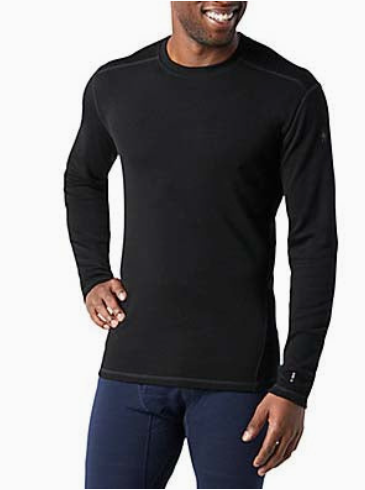
Best Base Layer: Smartwool Classic Thermal Base Layer
A good winter clothing system begins with what you wear closest to your skin. The Smartwool Classic Thermal Base Layer is designed to provide warmth while helping manage moisture during cold-weather activities.
Merino wool is particularly useful because it offers insulation, breathability, and odor resistance. It can also help you stay more comfortable when moving between outdoor temperatures and heated buildings.
For Alaska winters, I recommend thinking about base layers as essential clothing rather than optional extras. Even if you have an excellent winter coat, wearing cotton or inadequate clothing underneath can make it difficult to stay comfortable.
A properly fitted base layer should sit close enough to your skin to manage moisture without restricting movement.
Best for: Everyday winter layering, outdoor activities, and extended time in cold conditions.
Check Price on Amazon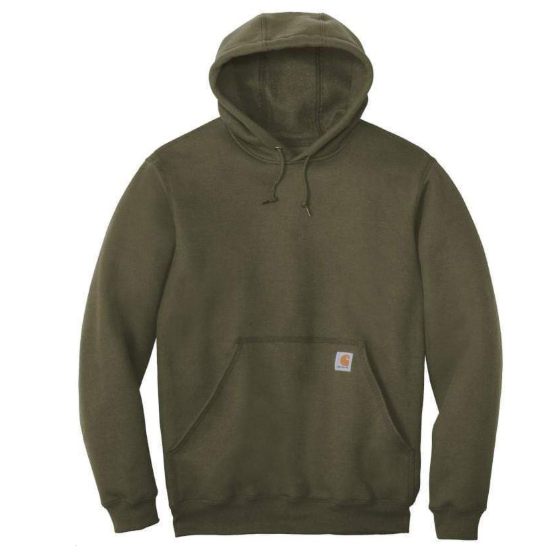
Best Casual Mid Layer: Carhartt Loose Fit Midweight Hoodie
Not every winter activity in Alaska involves climbing a mountain or spending hours in the wilderness. Sometimes you're running errands, working outside for short periods, or simply need another layer beneath your winter jacket.
The Carhartt Loose Fit Midweight Hoodie is a practical casual layering option that can provide additional warmth during everyday activities.
Its relaxed fit can make it comfortable over lighter clothing, although a bulky hoodie may not fit well beneath every insulated jacket.
One important consideration is fabric composition. Many casual hoodies contain cotton, which isn't ideal as a primary insulating layer for strenuous outdoor activity or situations where clothing may become wet. For remote travel or prolonged exposure, moisture-managing fleece or wool is generally a better choice.
Best for: Casual winter wear, errands, and low-exertion activities when conditions are relatively controlled.
Check Price on Amazon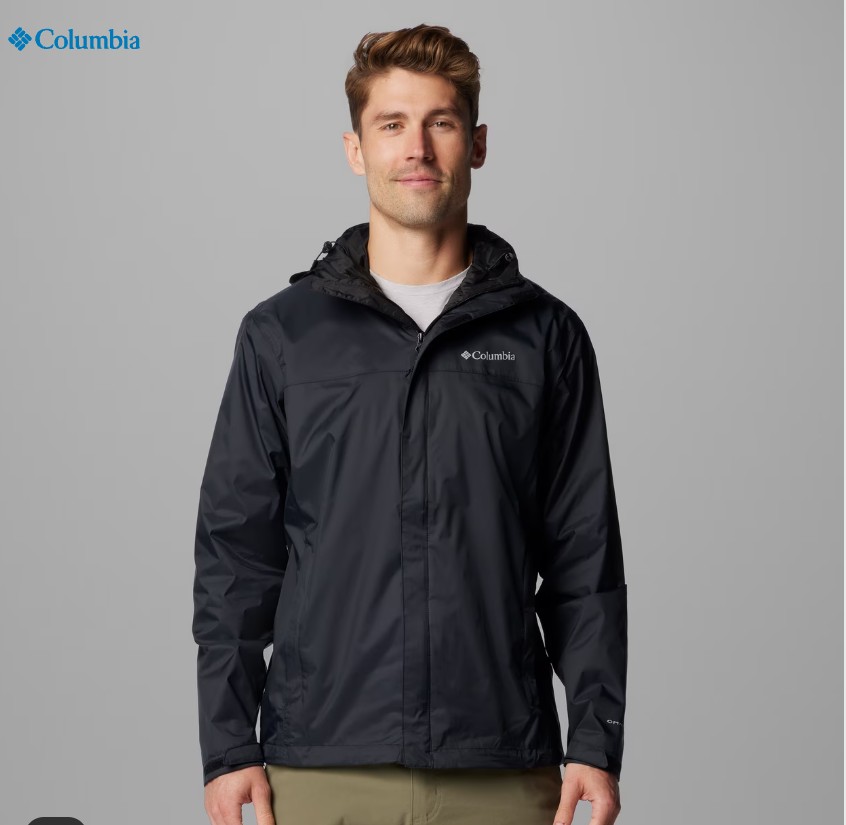
Best Waterproof Outer Shell: Columbia Watertight II Rain Jacket
Alaska winter weather isn't always dry and deeply cold. In coastal and Southcentral regions, you may encounter wet snow, freezing rain, and temperatures that move above and below freezing.
The Columbia Watertight II Rain Jacket provides waterproof outer protection that can help keep precipitation from soaking the clothing beneath it.
This is a shell, not a heavily insulated winter coat. Its value comes from helping block wind and moisture when paired with appropriate insulating layers.
For example, a waterproof shell may be useful during wet winter conditions around Anchorage or coastal communities, while a substantially insulated parka may be more appropriate for standing outside during extreme Interior cold.
Make sure your outer shell fits comfortably over your insulating layers without compressing them excessively.
Best for: Wet winter weather, coastal Alaska conditions, and layering over insulation.
Check Price on Amazon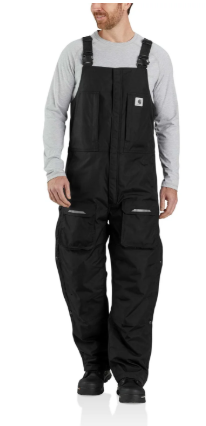
Best Insulated Bibs: Carhartt Yukon Extremes Insulated Bib
When temperatures drop significantly, keeping your legs and lower body warm becomes just as important as protecting your upper body.
The Carhartt Yukon Extremes Insulated Bib is designed for demanding cold-weather environments, providing insulation and additional coverage over the torso and legs.
Insulated bibs are especially useful for activities that involve standing or working outdoors for extended periods. They can also help reduce cold air entering around your waist compared with some jacket-and-pants combinations.
For Alaska, I particularly like the concept of insulated bibs for outdoor chores, ice fishing, and other activities where you're exposed to cold temperatures without moving continuously.
Check the fit carefully, especially if you'll be wearing thermal base layers underneath. You want room to move without compressing the insulation.
Best for: Extended outdoor work, stationary winter activities, and additional lower-body insulation.
Check Price on Amazon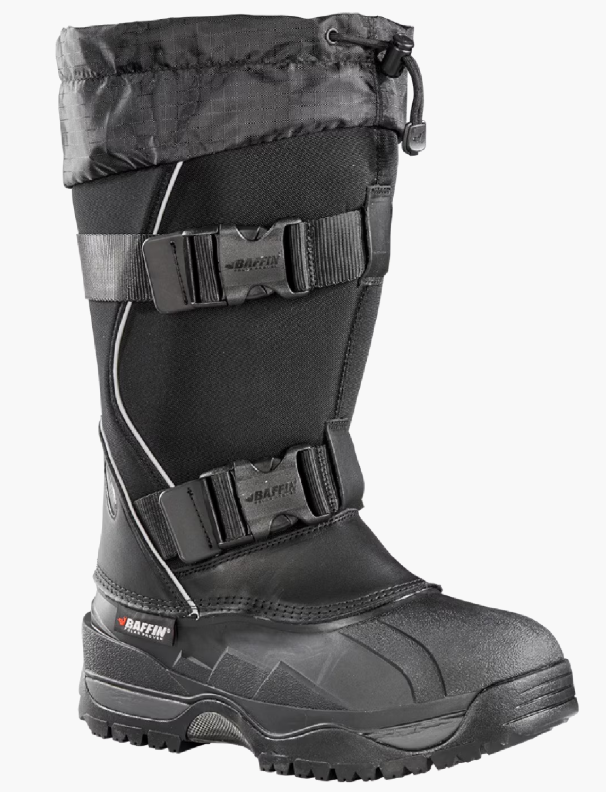
Best Extreme Cold Boots: Baffin Impact Winter Boots
Cold feet can ruin an Alaska winter outing faster than almost anything else. When you're standing on frozen ground or spending time outdoors in subzero temperatures, your boots need to provide meaningful insulation.
Baffin Impact Winter Boots are designed for severe cold-weather use and offer substantial insulation and coverage.
These are the type of boots worth considering for activities where warmth matters more than having the lightest footwear possible, such as northern lights viewing, outdoor events, or extended periods standing in the cold.
One of the most important things to remember when choosing winter boots is fit. Boots that are too tight can restrict circulation and reduce the effectiveness of your socks and insulation.
Leave appropriate room for winter socks, and remember that insulated boots do not automatically provide reliable traction on polished ice. Separate traction devices may still be necessary.
Best for: Extreme cold, low-activity outdoor time, and extended exposure to winter conditions.
Check Price on Amazon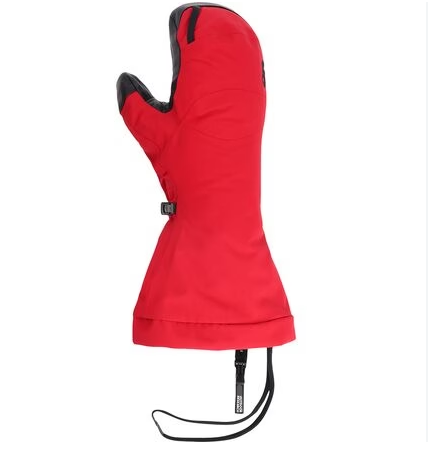
Best Extreme Cold Gloves: Outdoor Research Alti II Gloves
Your hands are particularly vulnerable to cold, especially when you're handling metal objects, taking photographs, or standing outside for long periods.
The Outdoor Research Alti II Gloves are designed for demanding cold-weather environments where substantial hand protection is important.
For Alaska winters, I recommend choosing gloves based on what you'll actually be doing. Heavy insulated gloves can provide excellent protection, but they may make delicate tasks such as operating a camera or phone more difficult.
When conditions are especially cold, it's often useful to have a lighter liner glove for brief tasks and a heavier insulated glove or mitten for protection.
Keep your gloves dry whenever possible, and avoid tight-fitting handwear that restricts circulation.
Best for: Severe cold-weather exposure and activities requiring substantial hand insulation.
Check Price on Amazon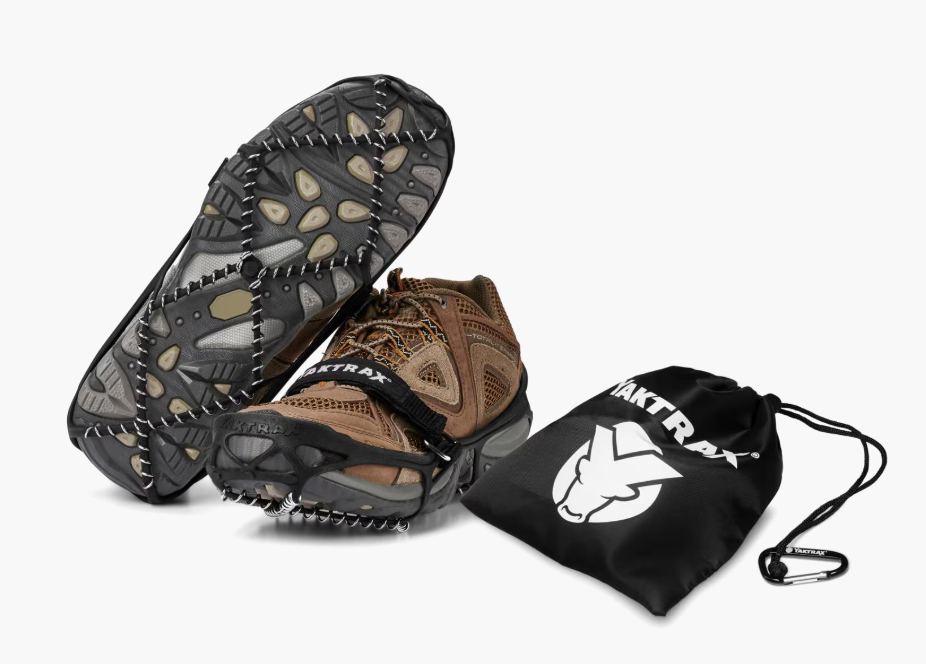
Best Everyday Traction Cleats: Yaktrax Pro
Even the warmest winter boots won't necessarily keep you from slipping on ice. Alaska sidewalks, parking lots, driveways, and walking paths can become extremely slick throughout winter.
Yaktrax Pro Traction Cleats are removable traction devices designed to fit over compatible footwear and provide additional grip on certain snow and ice surfaces.
They're a convenient option for everyday winter walking, particularly when you're moving between outdoor areas where traction is a concern.
However, not all traction devices perform equally on every surface. Packed snow, smooth ice, uneven trails, and mixed pavement can require different traction systems.
Remove traction devices when appropriate for indoor floors or other surfaces where they may be slippery or cause damage.
Best for: Everyday winter walking on suitable snowy and icy surfaces.
Check Price on Amazon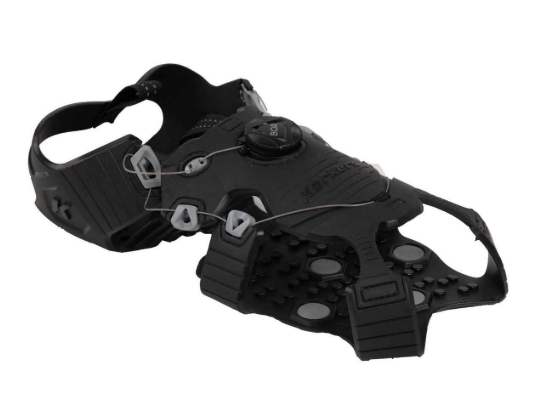
My Personal Traction Pick: Korkers Traction Cleats
There are plenty of traction devices available, but these deserve a special mention because they're a pair I personally use.
I really like my Korkers traction cleats. The BOA closure system makes them easier to adjust without having to fight with traditional straps or complicated attachments, especially when it's cold outside.
I've also been impressed with the traction they provide. Having something that feels secure on your boots makes a difference when you're walking across icy surfaces during an Alaska winter.
That doesn't mean any cleat will eliminate the risk of slipping. You still need to pay attention to the surface you're walking on, and traction devices should be selected for the conditions they're designed to handle.
But if you're looking for an alternative to traditional slip-on cleats, Korkers are worth considering. They're a product I can speak about from personal experience.
Best for: People who want adjustable winter traction and appreciate the convenience of a BOA closure system.
Check Price on AmazonWinter Clothing & Gear Comparison Chart
These products each serve a different purpose in an Alaska winter clothing system. Click a product name to view its Amazon listing.
| Product | Layer or Purpose | Best For |
|---|---|---|
| Smartwool Classic Thermal Base Layer | Base layer | Moisture management and warmth |
| Carhartt Loose Fit Midweight Hoodie | Casual mid layer | Everyday winter activities |
| Columbia Watertight II Rain Jacket | Waterproof outer shell | Wet snow and coastal conditions |
| Carhartt Yukon Extremes Insulated Bib | Insulated lower-body outerwear | Extended cold-weather exposure |
| Baffin Impact Winter Boots | Insulated footwear | Extreme cold and stationary activities |
| Outdoor Research Alti II Gloves | Hand protection | Severe cold-weather conditions |
| Yaktrax Pro Traction Cleats | Footwear traction | Everyday icy walking surfaces |
| Korkers Traction Cleats | Adjustable footwear traction | Secure fit and icy conditions |
How to Dress for Different Alaska Winter Temperatures
Temperature is only one factor in choosing winter clothing. Wind, moisture, sunshine, and your activity level can make a significant difference in how cold you feel.
The following chart offers general layering considerations, not guaranteed clothing requirements. Everyone tolerates cold differently, and extended exposure may require more protection than these examples suggest.
| Temperature Range | General Clothing Approach | Important Considerations |
|---|---|---|
| 32°F to 20°F | Base layer as needed, insulating layer, weather-appropriate jacket, gloves, hat, and winter footwear. | Wet snow, wind, and freezing rain can make conditions feel colder. |
| 20°F to 0°F | Thermal base layers, insulating mid layers, winter coat, insulated boots, gloves or mittens, and head protection. | Add protection for exposed skin and adjust insulation based on activity. |
| 0°F to -20°F | Substantial layered insulation, winter-rated outerwear, insulated pants or bibs, warm boots, mittens, and face protection. | Cold injuries become a greater concern, particularly with wind or prolonged exposure. |
| Below -20°F | Purpose-built extreme cold clothing system with substantial insulation and comprehensive protection for exposed skin. | Limit exposure when appropriate, plan for emergencies, and take wind chill and activity level seriously. |
When temperatures are extremely low, clothing is only one part of staying safe. You also need a realistic plan for shelter, transportation, communication, and how long you'll be outdoors.
How to Dress for Different Alaska Winter Activities
Northern Lights Viewing
Watching the northern lights often means standing outside for long periods with relatively little movement. Because you're not generating much body heat, substantial insulation is important.
Prioritize warm base layers, insulating mid layers, a heavily insulated parka, winter boots, mittens, and protection for your face and head. If you're heading away from town, bring additional emergency supplies.
Winter Hiking and Snowshoeing
Hiking and snowshoeing generate body heat, so wearing too much insulation while moving can cause you to sweat. That moisture becomes a problem when you stop.
Use breathable base and mid layers, adjust your outerwear as needed, and carry additional insulation for breaks or emergencies. Choose footwear and traction suitable for the terrain.
Ice Fishing
Ice fishing can involve long periods of standing or sitting in cold conditions. Insulated bibs, substantial boots, gloves or mittens, and wind protection are particularly useful.
Warm clothing doesn't replace ice safety precautions. Always evaluate ice conditions, carry appropriate safety equipment, and understand the hazards of the area where you're fishing.
Everyday Winter Activities
For errands, commuting, and short periods outdoors, you may not need the same clothing system you'd use for an extended wilderness outing.
However, Alaska drivers should still carry additional winter clothing in their vehicles. If your vehicle breaks down or you unexpectedly have to walk outside, you'll be glad to have more protection available.
Buying Guide & Frequently Asked Questions
How many layers should I wear in Alaska during winter?
Three functional layers are a useful starting point: a moisture-managing base layer, an insulating mid layer, and weather-appropriate outer protection. You may need additional insulation, insulated pants, or specialized outerwear depending on the temperature and activity.
Is wool better than synthetic fabric for Alaska winters?
Both can work well. Merino wool offers insulation, moisture management, and odor resistance, while synthetic materials can dry quickly and provide excellent performance for active use.
The best choice depends on comfort, budget, activity level, and how the clothing performs when damp.
Can I wear jeans in Alaska during winter?
Jeans may be manageable for brief trips between heated buildings, but cotton denim is not a good choice for prolonged cold-weather exposure, particularly if it becomes wet.
For extended outdoor activities, choose appropriate thermal layers and insulated or weather-resistant pants instead.
Do I need an expensive winter parka?
Not necessarily. What matters most is whether your clothing provides enough insulation and weather protection for the conditions you'll encounter.
For extreme cold or long periods standing outside, a well-insulated parka may be essential. For active outings in milder temperatures, a flexible layering system may be more practical.
Should winter boots fit tightly?
No. Winter boots should fit securely without squeezing your feet or restricting circulation. You also need appropriate room for socks and insulation.
Wearing too many thick socks inside tight boots can actually make your feet colder.
Are gloves or mittens warmer?
Mittens often provide greater warmth because your fingers share an insulated space, although performance depends on materials and construction. Gloves provide more dexterity for tasks requiring finger movement.
For very cold conditions, some people prefer a combination of liner gloves and heavily insulated mittens.
Do I need traction cleats if I have winter boots?
Winter boots may provide good grip on snow but can still slip on hard, polished ice. Removable traction devices can help on surfaces for which they're designed.
Choose cleats based on whether you'll be walking on sidewalks, trails, packed snow, or other terrain.
How should I dress for -40°F in Fairbanks?
At temperatures around -40°F, substantial purpose-built cold-weather clothing and comprehensive protection for exposed skin are essential. This generally means appropriate base layers, multiple insulating layers, extreme-cold outerwear, insulated boots, mittens, and face protection.
Even with good clothing, prolonged exposure can be dangerous. Wind, moisture, activity, and access to shelter all matter. Plan to limit exposure and have a reliable way to get warm.
What's the biggest winter clothing mistake visitors make?
One of the most common mistakes is focusing entirely on the winter coat while overlooking the rest of the clothing system.
Cold feet, inadequate gloves, wet base layers, and exposed skin can make an outing uncomfortable or unsafe even when your jacket is excellent.
Final Thoughts
Learning how to dress for an Alaska winter takes a little practice, but once you understand layering, it becomes much easier to prepare for different conditions.
The biggest thing I want visitors to understand is that winter clothing is a system. Your base layers, insulation, outerwear, boots, gloves, and face protection all work together to keep you comfortable and protected.
You don't necessarily need the most expensive gear, and you certainly don't need to buy everything on this list for every winter activity. What you do need is clothing appropriate for where you're going, how long you'll be outside, and what you'll be doing.
Alaska winters can be beautiful. There's something special about fresh snow, clear winter skies, and seeing the northern lights overhead. With the right clothing and a little preparation, you can spend more time enjoying those experiences and less time worrying about being cold.
Dress for the conditions, bring extra layers when traveling away from town, and never underestimate how quickly Alaska weather can change.