
Disclosure: This page contains affiliate links. As an Amazon Associate, I earn from qualifying purchases at no additional cost to you.
When people think about preparing for an Alaska winter, they usually focus on their coat and boots first. And while those are certainly important, there's another piece of winter gear that can make or break your time outdoors: your gloves.
I've lived through enough Alaska winters to know how quickly cold hands can turn an enjoyable outdoor activity into a miserable experience. You can have the warmest jacket in the world, but if your fingers are freezing, you're going to want to get back inside.
And Alaska doesn't offer just one kind of winter weather. Here in Interior Alaska, we experience extremely cold, dry temperatures that can drop well below zero. Along the coast, winter conditions may include wet snow, freezing rain, wind, and moisture that make waterproof protection especially important.
What works for shoveling your driveway may not be enough for standing outside watching the northern lights. And the gloves you wear while snowshoeing might be completely different from what you need for snowmachine riding or ice fishing.
That's why I recommend choosing winter hand protection based on three things: insulation, moisture protection, and how much dexterity you need.
In this guide, we'll look at six winter gloves and mittens worth considering for Alaska, including options for extreme cold, outdoor work, winter recreation, and everyday activities.
Quick Navigation
- Quick Picks
- Best Winter Gloves & Mittens for Alaska
- Gloves & Mittens Comparison Chart
- Gloves vs. Mittens: Which Are Warmer?
- Choosing Hand Protection for Alaska Winter Conditions
- Best Hand Protection for Alaska Activities
- Buying Guide & Frequently Asked Questions
- Related Alaska Winter Gear Guides
- Final Thoughts
Quick Picks
- Best for Extreme Cold: Outdoor Research Alti II Gloves
- Best Insulated Mittens: Hestra Army Leather Heli Ski Mitt
- Best Everyday Waterproof Gloves: Carhartt WP Waterproof Gloves
- Best Technical Winter Gloves: Black Diamond Guide Gloves
- Best Insulated Work Gloves: Kinco Insulated Leather Gloves
- Best for Wet Outdoor Activities: Glacier Glove Alaska Pro Gloves
For severe cold and activities involving very little movement, substantial insulation is especially important. For outdoor work and winter recreation, durability, dexterity, and moisture protection may be equally important.
Best Winter Gloves & Mittens for Alaska
These six options cover different winter needs. Some are designed for demanding cold-weather conditions, while others prioritize everyday practicality, grip, or protection from moisture.
Best for Extreme Cold: Outdoor Research Alti II Gloves
When temperatures drop far below zero, ordinary winter gloves can quickly become inadequate. That's when purpose-built cold-weather hand protection becomes especially important.
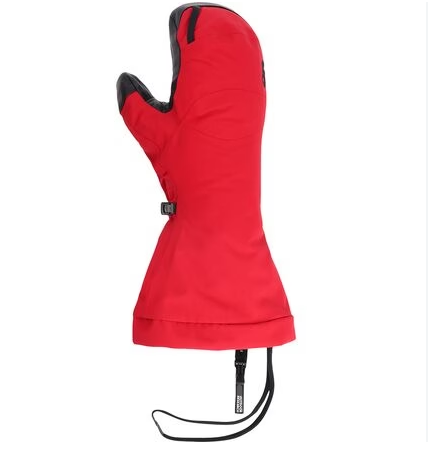
The Outdoor Research Alti II Gloves are designed for demanding cold-weather environments where insulation, coverage, and protection from the elements are priorities.
One of the advantages of this type of technical glove system is that it focuses on keeping your hands protected during extended outdoor exposure rather than simply providing enough warmth for a short walk between buildings.
For Alaska visitors planning winter photography, cold-weather expeditions, or extended periods outside, substantial insulation can make a significant difference.
However, heavily insulated gloves often sacrifice some dexterity. Small tasks like operating a camera, opening packages, or handling equipment can become more difficult.
For particularly cold conditions, I recommend thinking about your gloves as part of a system. Thin liners may provide additional flexibility for brief tasks, while the main insulated gloves provide protection when your hands aren't actively working.
Don't assume any glove has a guaranteed safe temperature range. Wind, moisture, activity level, circulation, and exposure time all affect how warm your hands stay.
Best for: Severe cold, extended outdoor exposure, cold-weather photography, and demanding winter adventures.
Check Price on Amazon
Best Insulated Mittens: Hestra Army Leather Heli Ski Mitt
One of the most useful things to understand about winter hand protection is that mittens are often warmer than gloves of comparable construction.
That's because your fingers share a larger insulated space rather than being separated into individual compartments.
The Hestra Army Leather Heli Ski Mitt is designed for demanding winter recreation, combining a protective outer construction with insulation intended for cold-weather use.
For Alaska activities that involve extended time outdoors, mittens can be particularly useful when keeping your fingers warm matters more than performing detailed tasks.
Think northern lights viewing, winter sightseeing, riding lifts at a ski area, or standing outside during a cold-weather event.
The obvious trade-off is dexterity. Mittens make it harder to operate phones, cameras, buckles, and other small equipment.
One practical solution is to wear suitable thin liner gloves underneath, allowing you to briefly remove your mittens when you need to handle something.
Just make sure the combined layers fit comfortably. Overly tight mittens can restrict circulation and reduce warmth.
Best for: Winter recreation, stationary activities, northern lights viewing, and people who prioritize warmth over finger dexterity.
Check Price on Amazon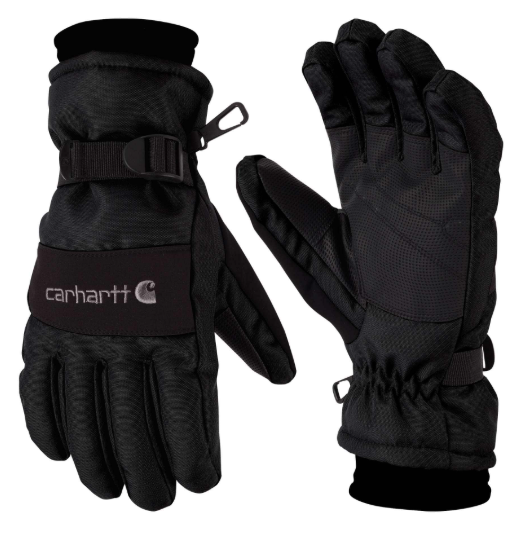
Best Everyday Waterproof Gloves: Carhartt WP Waterproof Gloves
Not every winter activity requires technical expedition gloves. Sometimes you need a dependable pair that can handle everyday cold-weather tasks without becoming overly complicated.
Carhartt WP Waterproof Gloves are designed to provide insulation and moisture protection for practical winter use.
For Alaska residents and visitors, waterproof gloves can be especially helpful when dealing with wet snow, clearing vehicles, shoveling, or spending time outside during changing winter weather.
Moisture is a major factor in keeping your hands warm. Once the insulation inside a glove becomes wet, it can become much harder to maintain comfortable hand temperatures.
That's one reason I consider waterproofing an important feature for everyday winter gloves, particularly in Southcentral and coastal Alaska.
These gloves are worth considering for general winter wear, outdoor chores, and casual activities where you need a combination of warmth and practical hand movement.
However, they're not necessarily a substitute for specialized extreme-cold gloves or mittens during prolonged exposure to severe Interior temperatures.
Best for: Everyday winter use, shoveling snow, clearing vehicles, and damp winter conditions.
Check Price on Amazon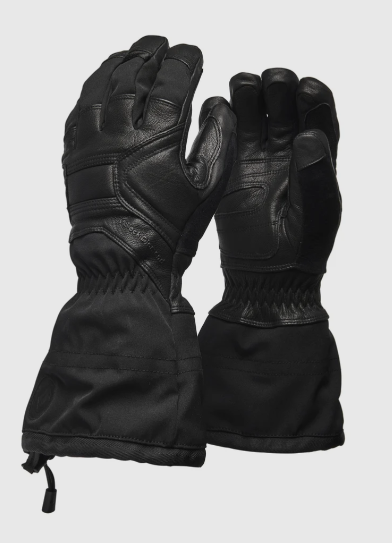
Best Technical Winter Gloves: Black Diamond Guide Gloves
If your Alaska winter plans involve skiing, mountain travel, or demanding outdoor recreation, technical gloves deserve a closer look.
Black Diamond Guide Gloves are designed for cold-weather activities where insulation, durability, grip, and weather protection need to work together.
Compared with basic everyday winter gloves, technical designs often prioritize features that become important when you're handling equipment or spending long periods outside.
For example, secure cuffs can help reduce snow entry, while durable palm materials can improve handling and withstand contact with gear.
These characteristics can be useful during winter skiing, snowshoeing, and outdoor adventures where you need more dexterity than mittens provide.
However, even heavily insulated technical gloves may not provide the same finger warmth as comparable mittens during stationary activities.
If you're planning to stop frequently, photograph wildlife, or spend extended periods exposed to severe cold, carrying additional hand insulation can be a smart decision.
Best for: Winter sports, technical outdoor activities, and cold-weather adventures that require grip and hand movement.
Check Price on Amazon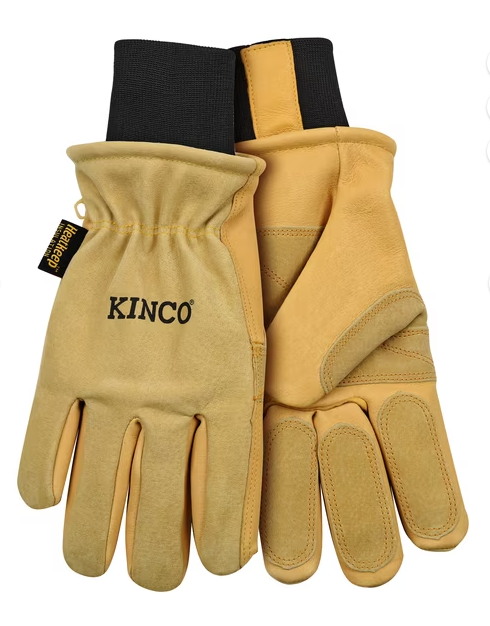
Best Insulated Work Gloves: Kinco Insulated Leather Gloves
Winter in Alaska isn't always about sightseeing or outdoor recreation. Sometimes you're splitting wood, shoveling snow, hauling equipment, or working outside because something needs to get done.
That's where a good pair of insulated work gloves comes in.
Kinco Insulated Leather Gloves are designed around the practical demands of outdoor work, combining leather construction with insulation for cold-weather use.
Leather can provide useful abrasion resistance and grip, making these gloves worth considering for activities involving tools, firewood, and equipment.
For Alaska residents, having a pair of gloves specifically intended for outdoor chores can be more practical than wearing expensive technical gloves for every task.
However, leather requires care. Depending on the exact construction and treatment, it may absorb moisture, stiffen, or take time to dry.
If you regularly work in wet snow, make sure your gloves provide the moisture protection you need and follow the manufacturer's leather-care recommendations.
These gloves are also better viewed as practical workwear than as guaranteed protection for prolonged stationary exposure during extreme cold.
Best for: Firewood, snow removal, outdoor chores, equipment handling, and practical winter work.
Check Price on Amazon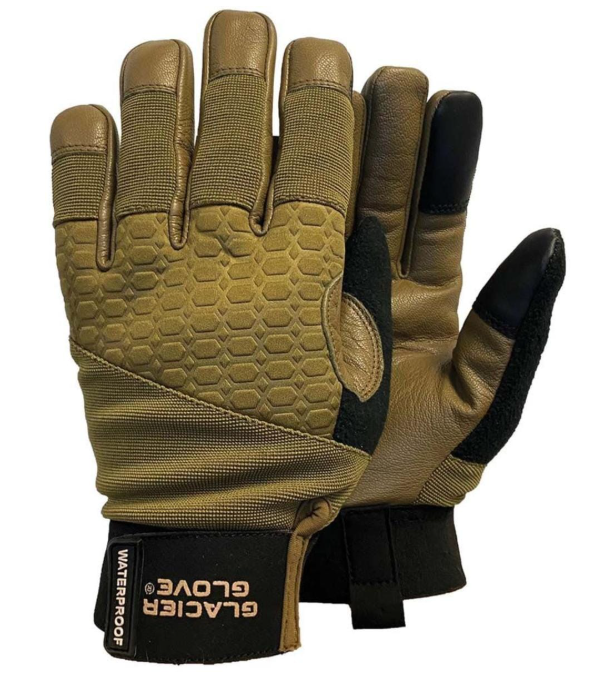
Best for Wet Outdoor Activities: Glacier Glove Alaska Pro Gloves
Alaska winter activities often involve more than simply standing in cold air. Ice fishing, boating-related work, and outdoor recreation can expose your hands to moisture as well as low temperatures.
Glacier Glove Alaska Pro Gloves are worth considering for activities where cold-weather hand protection and moisture management are important.
For ice fishing in particular, choosing gloves can be tricky. You need protection from cold air and wet conditions, but you may also need enough dexterity to handle fishing equipment, bait, and small tools.
That's why it's useful to distinguish between gloves for active tasks and heavily insulated mittens for keeping your hands warm between those tasks.
A pair of activity-oriented gloves can be part of that system, especially when paired with additional insulation for periods when you're sitting still.
Before purchasing, check the specific model's waterproofing, insulation, and fit details. Different glove designs offer different levels of protection.
And remember that moisture exposure can quickly increase the risk of cold hands. Carrying a dry backup pair is especially important during remote winter activities.
Best for: Ice fishing, wet outdoor activities, and winter recreation where hand movement and moisture protection are priorities.
Check Price on AmazonWinter Gloves & Mittens Comparison Chart
Each of these options serves a different purpose. Click a product name to view its Amazon listing.
| Product | Design | Best For |
|---|---|---|
| Outdoor Research Alti II Gloves | Technical extreme-cold glove system | Severe cold and extended exposure |
| Hestra Army Leather Heli Ski Mitt | Insulated mitten | Warmth-focused winter recreation |
| Carhartt WP Waterproof Gloves | Insulated waterproof gloves | Everyday use and damp conditions |
| Black Diamond Guide Gloves | Technical insulated gloves | Winter sports and equipment handling |
| Kinco Insulated Leather Gloves | Insulated leather work gloves | Outdoor chores and work |
| Glacier Glove Alaska Pro Gloves | Cold-weather activity gloves | Wet outdoor activities and ice fishing |
Gloves vs. Mittens: Which Are Warmer?
One of the most common questions people ask when preparing for Alaska is whether they should buy gloves or mittens.
The answer depends on what you'll be doing, but if warmth is your main priority, mittens generally have an advantage.
In a mitten, your fingers share an enclosed space, allowing them to retain warmth together. Gloves separate each finger, creating more surface area through which heat can escape.
However, gloves provide better dexterity, which matters when you're handling equipment, operating cameras, working with tools, or adjusting clothing.
| Feature | Gloves | Mittens |
|---|---|---|
| Warmth | Depends on insulation and design | Often warmer with comparable insulation |
| Dexterity | Better finger movement | More limited |
| Equipment Handling | Generally easier | More difficult for small tasks |
| Stationary Activities | May require more insulation | Often a strong choice for retaining warmth |
| Outdoor Work | Often more practical | Useful for some tasks but less precise |
For some Alaska adventures, carrying both makes sense. Use gloves when you need dexterity and switch to insulated mittens when you're standing still or your hands begin getting cold.
Choosing Hand Protection for Alaska Winter Conditions
Alaska's winter weather varies dramatically by region. What works for a relatively mild winter day in Southeast Alaska may not be enough for a subzero evening in Fairbanks.
| Conditions | Hand Protection Approach | Important Considerations |
|---|---|---|
| Wet snow and temperatures near freezing | Waterproof or highly water-resistant insulated gloves | Keep insulation dry and carry spare gloves |
| Cold winter weather around 0°F | Substantial insulated gloves or mittens | Wind, activity, and exposure time affect warmth |
| Severe cold below -20°F | Purpose-built extreme-cold hand protection | Minimize exposed skin and plan access to shelter |
| Windy or exposed terrain | Insulated gloves or mittens with effective wind protection | Secure cuffs help reduce cold air and snow entry |
| Outdoor work and equipment handling | Durable insulated gloves with suitable grip | Balance dexterity with warmth and moisture protection |
These recommendations are general clothing considerations, not certified temperature ratings for any particular product. Always evaluate the weather, your activity level, and how long you'll be outside.
Best Gloves & Mittens for Different Alaska Activities
Northern Lights Viewing
Northern lights viewing often means standing outside in the dark for extended periods. Since you're not moving much, your hands may become cold quickly.
Substantial insulated mittens are often worth considering, especially in Interior Alaska. If you're using a camera, thin liner gloves can help with brief adjustments, but avoid exposing your fingers unnecessarily.
Winter Hiking and Snowshoeing
During active winter adventures, breathable insulated gloves may be more comfortable than extremely heavy mittens.
However, always carry additional hand insulation for rest stops, unexpected delays, or worsening weather.
Ice Fishing
Ice fishing presents a unique challenge because you need warmth while also handling fishing equipment.
Activity-oriented gloves can help with dexterity, while heavily insulated mittens may be more appropriate when you're sitting still.
Keeping a dry backup pair is particularly important when your hands may come into contact with water, ice, or wet equipment.
Snowmachine Riding
Snowmachine riding introduces additional wind exposure, and your hands may be positioned on cold handlebars for extended periods.
Choose hand protection that works with your machine's controls, maintains a secure grip, and provides enough insulation for the conditions.
Heated grips and handlebar protection can help, but they don't eliminate the need for appropriate gloves or mittens.
Outdoor Work and Winter Chores
For splitting firewood, shoveling snow, and handling equipment, durable insulated gloves are often more practical than bulky mittens.
Leather work gloves can provide useful abrasion resistance, while waterproof gloves may be better suited to wet snow and slush.
If your gloves become soaked, replace them with a dry pair rather than continuing to work with cold, wet hands.
Winter Photography
Photography often requires a balance between warmth and precise hand movement.
Thin liner gloves or purpose-designed photography gloves can help with camera controls, but additional insulated mittens are valuable when you're waiting for wildlife or the northern lights.
Try to configure your camera before heading outside so you don't need to remove your gloves repeatedly in severe cold.
Buying Guide & Frequently Asked Questions
What are the best gloves for Alaska winters?
The best gloves depend on where you're going and what you'll be doing.
For severe cold, substantial insulated gloves or mittens are important. For wet conditions, waterproof protection becomes a priority. For outdoor work, durability and dexterity may matter just as much as insulation.
Are mittens warmer than gloves?
Generally, yes. Mittens allow your fingers to share warmth inside a larger insulated space, making them a good choice when warmth is more important than dexterity.
However, actual performance depends on the materials, insulation, fit, and weather conditions.
Do I need special gloves for Fairbanks in winter?
If you're visiting Fairbanks during winter, especially when temperatures are well below zero, substantial cold-weather hand protection is worth considering.
For extended outdoor activities, ordinary everyday gloves may not be sufficient.
Should I wear glove liners?
Glove liners can be useful because they provide an additional layer and allow you to perform brief tasks without completely exposing your hands.
However, liners should not make your outer gloves or mittens too tight. Restricting circulation can make your hands colder.
Are waterproof gloves necessary in Alaska?
Waterproof gloves are particularly useful in coastal communities, during wet snow, and when working with moisture.
In very cold, dry conditions, insulation and wind protection may be higher priorities, although keeping your hands dry remains important.
How should winter gloves fit?
Gloves should fit securely without squeezing your fingers or restricting circulation.
You should be able to move your fingers comfortably, and the cuffs should work with your jacket sleeves to limit snow and cold air entry.
Can I use ski gloves for Alaska winter travel?
Yes, depending on the conditions.
Insulated ski gloves can be useful for winter recreation and sightseeing, but they may not provide sufficient warmth for prolonged stationary exposure during severe cold.
Are leather gloves good for Alaska?
Insulated leather gloves can be excellent for outdoor work because they provide durability and grip.
However, leather may require conditioning or weather treatment, and not every leather glove is waterproof.
Should I bring an extra pair of gloves?
Absolutely. A dry backup pair is one of the simplest ways to improve your winter preparedness.
Gloves can become wet, lost, or damaged, and having a spare pair can be especially valuable during remote travel.
Can hand warmers replace insulated gloves?
No. Disposable or rechargeable hand warmers can provide supplemental warmth, but they shouldn't replace properly insulated hand protection.
Follow the manufacturer's directions, avoid direct skin contact where warned, and never rely on hand warmers as your only protection in extreme cold.
What should I do if my fingers become numb?
Numbness, persistent pain, or changes in skin color can indicate a cold injury.
Move to shelter promptly and warm your hands gently. Avoid rubbing potentially frostbitten skin or applying direct high heat. Seek medical care if frostbite is suspected.
What's the biggest mistake people make when buying winter gloves?
One common mistake is choosing gloves based only on how thick they look.
Insulation matters, but fit, wind protection, moisture management, and activity level all affect how well your gloves perform.
Another mistake is buying gloves that are too tight, especially when adding liners. Restricted circulation can make your fingers colder even when you're wearing substantial insulation.
Final Thoughts
When it comes to winter gloves and mittens in Alaska, the right choice can make an enormous difference in how comfortable you are outside.
For severe cold, substantial insulation is essential. For wet snow and coastal conditions, waterproof protection becomes especially important. And for outdoor work or activities that require hand movement, dexterity and durability deserve attention.
One thing I've learned from living in Alaska is that having more than one type of hand protection can be incredibly useful. The gloves I would wear to shovel snow aren't necessarily the same ones I'd choose for standing outside watching the northern lights.
If you're visiting Alaska during winter, think carefully about the activities you have planned and the conditions you're likely to encounter.
Choose gloves or mittens that fit properly, keep them dry, and consider carrying a backup pair when you're traveling away from town.
And remember, your hands are only one part of your winter clothing system. Your jacket, base layers, boots, face protection, and other gear all work together to help keep you protected.
Alaska winters are beautiful, but they demand preparation. With the right hand protection, you'll be better equipped to enjoy the snow, the northern lights, and everything else that makes winter here so memorable.