
Disclosure: This page contains affiliate links. As an Amazon Associate, I earn from qualifying purchases at no additional cost to you.
When you're preparing for winter in Alaska, a good pair of boots is one of the most important things you can bring. You can have an excellent winter jacket, insulated gloves, and all the right layers, but if your feet are freezing, it's difficult to enjoy anything you're doing outside.
And Alaska has a way of testing winter footwear.
Depending on where you're visiting, you might encounter deep snow, frozen trails, slippery parking lots, wet coastal conditions, or temperatures that fall well below zero. A pair of boots that works beautifully during a mild winter somewhere else may not be enough for an extended outdoor adventure in Interior Alaska.
Living here, I've learned that choosing winter boots involves more than looking for the warmest pair. Insulation matters, but so do traction, waterproofing, fit, comfort, and what you plan to do while wearing them.
Someone walking around Anchorage needs something different from someone standing outside photographing the northern lights near Fairbanks. And if you're working outside, ice fishing, or traveling in remote areas, your footwear needs can change considerably.
In this guide, we're looking at six winter boots worth considering for Alaska, including options for extreme cold, wet conditions, everyday wear, and winter activities.
Quick Navigation
Quick Picks
- Best for Extreme Cold: Baffin Impact Boots
- Best for Wet and Snowy Conditions: Muck Arctic Pro Boots
- Best Budget-Friendly Winter Boot: Kamik Nation Plus Boots
- Best Classic Winter Boot: Sorel Caribou Boots
- Best Easy-On Waterproof Winter Boot: BOGS Classic High Insulated Boots
- Best for Adjustable Fit and Winter Traction Options: Korkers Polar Vortex Boots
Each of these boots serves a different purpose. The best choice depends on whether you're prioritizing warmth, waterproofing, everyday convenience, or traction on difficult winter surfaces.
Best Winter Boots for Alaska
Before choosing a pair, think about how much time you'll spend outside, how active you'll be, and whether you're more likely to encounter dry snow, wet slush, or ice.
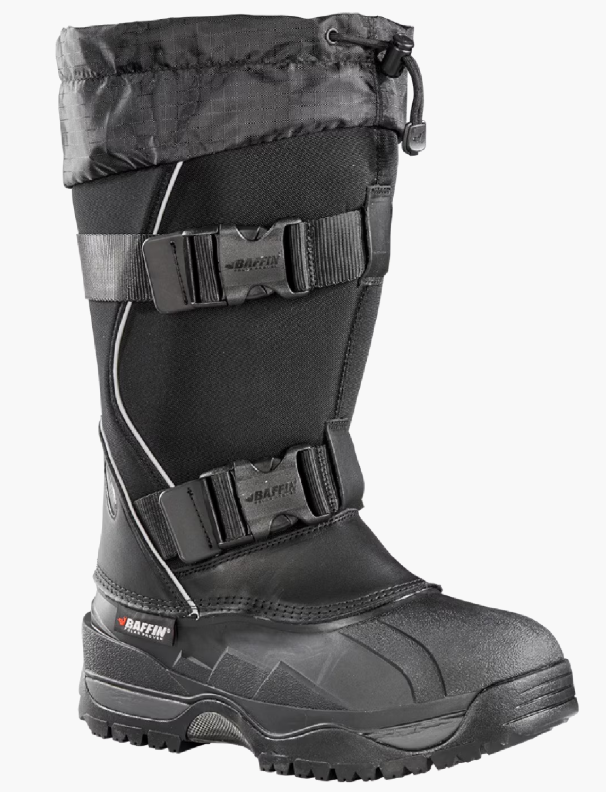
Best for Extreme Cold: Baffin Impact Boots
When you're dealing with serious Interior Alaska winter temperatures, footwear designed specifically for extreme cold deserves consideration.
Baffin Impact Boots are built around substantial insulation and protection from severe winter conditions. Their multi-layer insulating system is designed to help retain warmth during activities where ordinary winter footwear may not be enough.
These are the type of boots I would consider for situations where keeping your feet warm matters more than having lightweight, fashionable footwear. Think prolonged outdoor exposure, cold-weather photography, winter events, and activities where you may spend significant time standing still.
That distinction matters because your feet tend to get colder when you're stationary. Walking generates heat, but standing outside watching the northern lights can leave your toes freezing surprisingly quickly.
The trade-off is bulk. Heavy insulated boots can feel cumbersome for extended walking, and they may be warmer than necessary during active use in milder weather.
It's also important not to treat manufacturer temperature claims as a guarantee. Actual comfort depends on activity level, socks, circulation, wind exposure, and individual cold tolerance.
Best for: Severe cold, extended outdoor exposure, northern lights viewing, and winter activities where substantial insulation is a priority.
Check Price on Amazon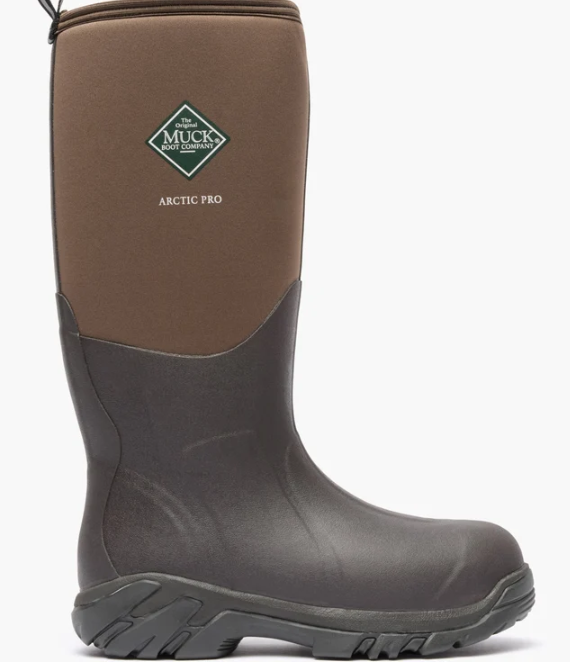
Best for Wet and Snowy Conditions: Muck Arctic Pro Boots
Not every Alaska winter is dominated by dry, powdery snow. In Southcentral and coastal communities, winter can bring wet snow, slush, standing water, and muddy conditions during temperature changes.
That's where waterproof winter boots become particularly valuable.
Muck Arctic Pro Boots combine waterproof construction with insulation intended for cold-weather outdoor use. Their taller design also provides coverage when you're moving through snow or wet ground.
These boots are especially worth considering for outdoor chores, rural properties, animal care, and situations where keeping moisture out is a major concern.
One advantage of this type of boot is that it can handle messy conditions that might be less comfortable in traditional leather or fabric winter footwear.
However, waterproof boots still need proper moisture management on the inside. If your feet sweat heavily and that moisture becomes trapped, they can get cold despite the insulation.
For prolonged stationary exposure during severe Interior cold, compare the insulation and fit carefully against boots specifically designed for extreme low temperatures.
Best for: Wet snow, slush, outdoor chores, rural property use, and winter conditions where waterproofing is especially important.
Check Price on Amazon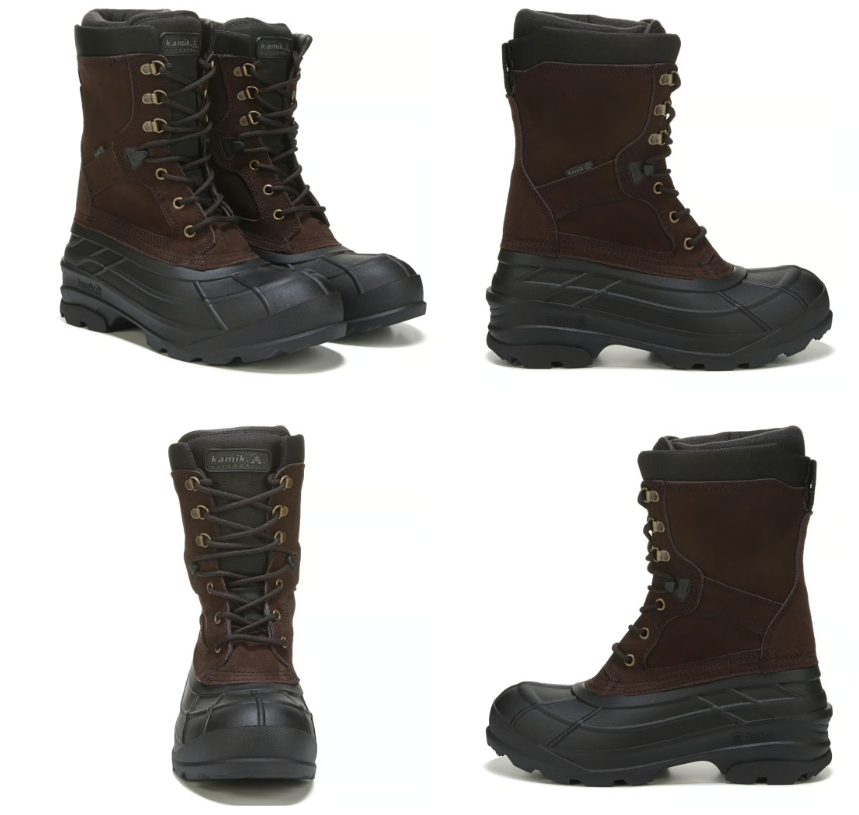
Best Budget-Friendly Winter Boot: Kamik Nation Plus Boots
Preparing for Alaska can get expensive, especially when you're purchasing winter clothing for an entire family or buying gear for a single trip.
Fortunately, you don't always need to buy the most expensive boots available to get useful winter protection.
Kamik Nation Plus Boots offer a traditional insulated winter boot design with a removable liner and a protective lower shell.
The removable liner is a particularly useful feature because it allows you to take the insulating component out for drying. That's important during winter travel when moisture can accumulate inside your boots throughout the day.
These boots are worth considering for general winter use, snow-covered sidewalks, casual outdoor activities, and visitors looking for practical footwear without investing in specialized expedition boots.
As with any winter boot, the fit matters. Make sure there's room for appropriate socks without compressing your toes or restricting circulation.
For extended stationary exposure in severe subzero temperatures, evaluate whether this level of insulation is sufficient rather than relying on a general winter rating.
Best for: Budget-conscious travelers, everyday snow use, casual winter activities, and people who appreciate removable liners.
Check Price on Amazon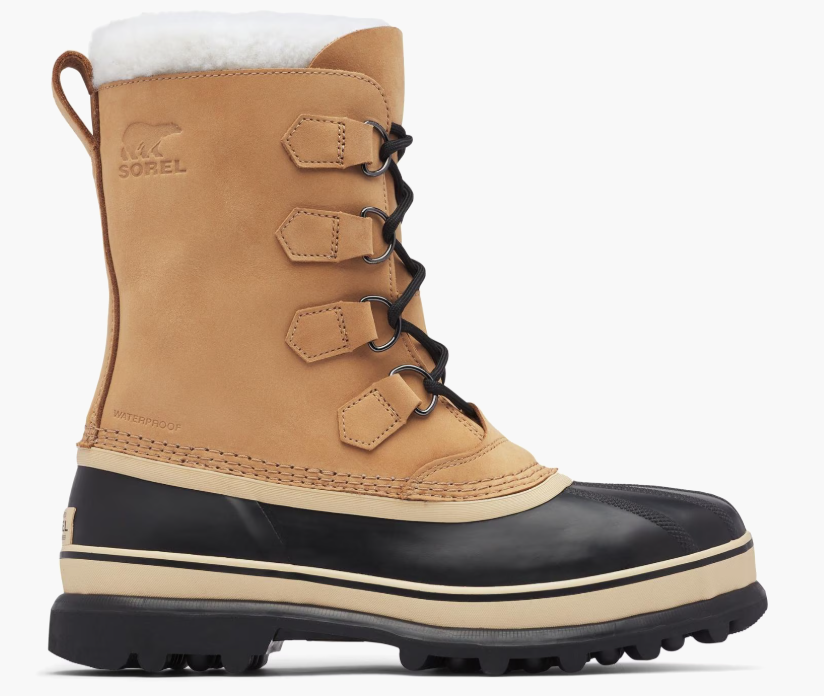
Best Classic Winter Boot: Sorel Caribou Boots
Sorel Caribou Boots have the kind of traditional winter boot design many people picture when they think about snowy northern climates.
With a protective rubber lower section, insulated removable liner, and substantial construction, they're designed for cold, snowy conditions.
The removable liner is one of their practical advantages. Being able to dry the liner separately helps manage moisture and can make repeated winter use more comfortable.
The Caribou style also provides coverage for walking through snow and dealing with winter weather around town.
For Alaska visitors, these can be worth considering for winter sightseeing, everyday use, and moderate outdoor activities.
However, they're not necessarily the ideal choice for every situation. Their heavier construction can feel bulky during long walks, and their traction on polished ice should not be assumed to be sufficient without additional traction devices.
In extremely cold conditions, especially when you're standing still, assess your complete footwear system rather than assuming a classic winter boot will always be enough.
Best for: Traditional winter footwear, snowy conditions, casual outdoor activities, and everyday cold-weather travel.
Check Price on Amazon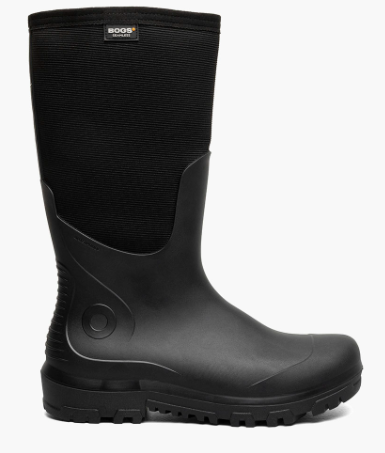
Best Easy-On Waterproof Winter Boot: BOGS Classic High Insulated Boots
Sometimes the best winter boots are the ones you'll actually wear every time you step outside.
BOGS Classic High Insulated Boots are designed with waterproof protection, insulation, and a pull-on style that makes them convenient for everyday use.
That convenience can be especially valuable in Alaska, where a quick trip outside might mean clearing snow, bringing in firewood, walking to an outbuilding, or dealing with a snowy driveway.
The waterproof design makes these boots useful in slush, wet snow, and other messy winter conditions.
They can also be a practical choice for people who prefer not to deal with laces every time they go outside.
However, pull-on boots don't provide the same fit adjustment as a lace-up design. Make sure they fit securely enough for your intended activities without squeezing your feet.
And while insulation is useful, you should still assess whether the boots are appropriate for prolonged exposure during extremely cold temperatures.
Best for: Everyday winter chores, wet snow, quick trips outside, and people who prefer convenient pull-on boots.
Check Price on Amazon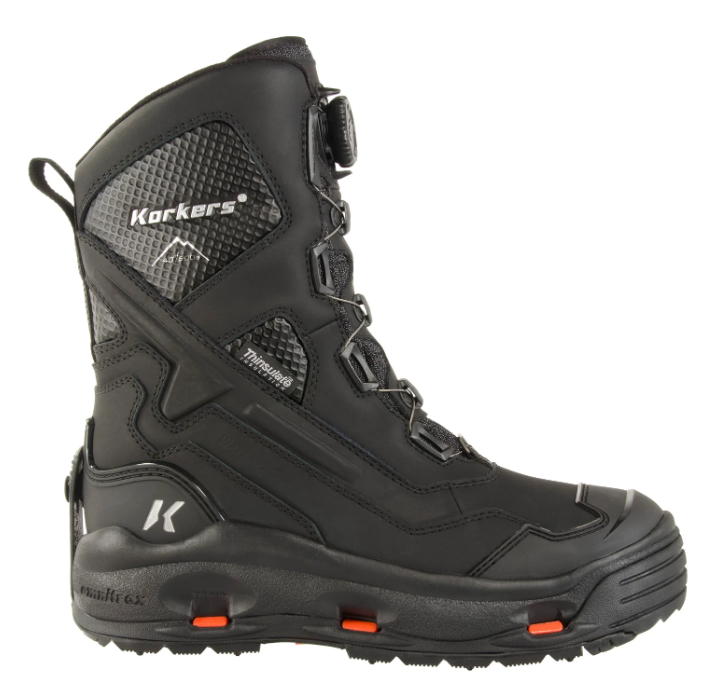
Best for Adjustable Fit and Winter Traction Options: Korkers Polar Vortex Boots
This is a particularly interesting addition to the list because it's a boot I have personal experience with.
I own the Korkers Polar Vortex boots, and I've been impressed with them. One feature I especially appreciate is the BOA fit system, which makes adjusting the boots convenient without dealing with traditional laces.
That's a useful feature during Alaska winters, particularly when your hands are cold or you're wearing gloves.
Korkers also has a strong focus on traction-oriented footwear, and the Polar Vortex design is worth looking at if winter grip and fit adjustment are important priorities for you.
Depending on the exact model and sole configuration, traction options can help address different winter surfaces. Be sure to check which outsole system and accessories are included with the listing you're considering.
What I like about this style of boot is that it addresses a real winter problem: getting footwear securely adjusted while also preparing for challenging surfaces.
That said, no winter boot is completely slip-proof. Even boots designed for traction require careful footing, particularly on smooth, hard ice.
Best for: Winter walking, people who value convenient fit adjustment, and those interested in traction-focused footwear.
Check Price on AmazonWinter Boot Comparison Chart
Here's a quick comparison of the six winter boots featured in this guide. Click the product names to view their Amazon listings.
| Boot | Main Advantage | Best Use |
|---|---|---|
| Baffin Impact | Substantial extreme-cold insulation | Severe cold and stationary activities |
| Muck Arctic Pro | Waterproof tall-boot design | Wet snow, slush, outdoor chores |
| Kamik Nation Plus | Practical removable liner | Budget-conscious winter travel |
| Sorel Caribou | Classic insulated snow boot | Snowy everyday conditions |
| BOGS Classic High | Waterproof pull-on convenience | Daily chores and wet conditions |
| Korkers Polar Vortex | BOA adjustment and traction-focused design | Winter walking and variable surfaces |
Choosing Winter Boots for Alaska's Different Conditions
One of the biggest mistakes visitors make is assuming that winter conditions are the same throughout Alaska.
In reality, the footwear you need depends on where you're going, the weather, and how much time you plan to spend outdoors.
| Conditions | Footwear Priority | Important Considerations |
|---|---|---|
| Mild winter temperatures near freezing | Waterproofing and traction | Slush, refreezing surfaces, and wet snow |
| Cold conditions around 0°F | Insulation and moisture management | Activity level and time spent outdoors |
| Severe cold below -20°F | Substantial insulation and complete foot protection | Stationary exposure can rapidly increase cold risk |
| Wet coastal winter weather | Waterproof construction | Keep socks and boot interiors dry |
| Icy sidewalks and parking lots | Reliable traction | Ice cleats may be needed even with winter boots |
These are general guidelines, not guaranteed performance ranges for any individual boot. Your footwear needs depend on circulation, activity, socks, fit, wind, and exposure time.
Winter Boot Traction and Ice Safety in Alaska
Here's something I want every Alaska visitor to understand: insulated winter boots and ice traction are not the same thing.
A boot can be incredibly warm and still slip on smooth ice.
Alaska's sidewalks, parking lots, driveways, and trails can become extremely slippery, especially when snow melts slightly and refreezes.
Winter boot tread can help on snow and uneven surfaces, but polished ice presents a different challenge.
For particularly icy conditions, removable traction devices such as ice cleats can make a meaningful difference when properly matched to the surface and activity.
However, traction devices have limitations. Aggressive spikes can be unsafe on indoor flooring, some smooth surfaces, or other terrain where the traction system is inappropriate.
Always use footwear and traction equipment according to the manufacturer's instructions, and remove or change traction devices when transitioning to unsuitable surfaces.
For a closer look at winter traction equipment, read our Best Ice Cleats & Traction Devices for Alaska guide.
Socks, Fit, and Keeping Your Feet Warm
Even an excellent pair of winter boots can leave your feet cold if your socks and fit aren't right.
Choose Moisture-Managing Socks
Merino wool and quality synthetic winter socks can help manage moisture while providing insulation.
Avoid relying on ordinary cotton socks for prolonged cold-weather activities. Cotton absorbs moisture and can remain damp against your skin, increasing discomfort and heat loss.
Don't Buy Boots That Are Too Tight
This is especially important with heavily insulated boots.
If your toes are compressed or your circulation is restricted, your feet can become cold even inside a warm boot.
Make sure you have enough room for appropriate socks and comfortable toe movement without allowing excessive heel movement.
More Socks Aren't Always Better
It can be tempting to wear several pairs of thick socks, but doing so can make your boots too tight.
One properly fitted pair of winter socks may work better than multiple layers that restrict circulation.
Dry Your Boots After Use
Moisture can accumulate inside boots even when the outside stays dry.
Remove liners and insoles when appropriate, allow boots to dry thoroughly, and avoid placing footwear too close to direct heat that could damage materials.
Consider Your Activity Level
Boots that feel comfortable during a brisk walk may not provide enough insulation when you're standing still.
If you're planning northern lights viewing, ice fishing, or extended winter photography, consider footwear specifically suited to lower activity levels and prolonged exposure.
Buying Guide & Frequently Asked Questions
What are the best winter boots for Alaska?
The best winter boots depend on your destination and activities.
For extreme cold, heavily insulated boots such as the Baffin Impact may be appropriate. For wet conditions, waterproof designs like the Muck Arctic Pro or BOGS Classic High can be useful. For everyday travel, a traditional insulated winter boot may provide the balance you're looking for.
Do I need special boots for Fairbanks in winter?
If you're visiting Fairbanks during winter, especially when temperatures are far below zero, substantial insulation becomes important.
For extended outdoor activities or northern lights viewing, ordinary winter footwear may not be sufficient. Consider boots specifically designed for severe cold, and plan your entire clothing system accordingly.
Are waterproof boots necessary in Alaska?
Waterproofing is particularly valuable in wet snow, slush, and coastal winter conditions.
In colder, drier Interior environments, insulation may be the greater priority, although moisture protection is still useful.
Are snow boots good enough for walking on ice?
Not necessarily.
Many snow boots are designed primarily for warmth and traction in snow rather than polished ice. Additional ice cleats or purpose-designed traction footwear may be needed.
Should I size up winter boots?
Don't automatically size up without checking the manufacturer's fit recommendations.
Your boots should accommodate the socks you intend to wear without compressing your feet. Too much extra room can also create instability or rubbing.
What socks should I wear with Alaska winter boots?
Merino wool or moisture-managing synthetic winter socks are generally good choices.
Choose a thickness that works with your boots without restricting circulation.
Are removable boot liners worth it?
They can be especially useful for repeated winter use because you can remove them for drying.
Dry liners help reduce moisture buildup and make it easier to maintain your boots during multi-day trips.
Can I use hiking boots in Alaska during winter?
Sometimes, depending on temperature, snow depth, insulation, waterproofing, and activity level.
However, ordinary hiking boots may not provide sufficient warmth for prolonged exposure during severe cold.
What boots should I wear for northern lights viewing?
Because northern lights viewing often involves standing outside with limited movement, heavily insulated boots are worth considering.
For particularly cold Interior Alaska nights, appropriate socks, substantial footwear insulation, and opportunities to warm up are important.
Are temperature ratings on winter boots reliable?
Temperature ratings can be useful for comparison, but they aren't guarantees.
Actual warmth depends on individual circulation, activity level, sock selection, fit, exposure time, and environmental conditions.
What should I do if my feet start getting numb?
Don't ignore numbness, persistent pain, or changes in skin color during cold exposure.
Move to a warm, sheltered environment promptly, remove wet footwear when safe, and warm your feet gently. Avoid rubbing potentially frostbitten skin or using direct high heat. Seek medical attention for suspected frostbite.
Do I need more than one pair of winter boots?
Not necessarily, but different boots can be useful for different conditions.
Someone who regularly deals with wet snow and outdoor chores may prefer waterproof pull-on boots, while keeping a more heavily insulated pair for extreme cold or prolonged outdoor activities.
Final Thoughts
When it comes to winter boots in Alaska, warmth is important, but it isn't the only thing that matters.
You also need to think about traction, waterproofing, fit, moisture management, and how long you'll be outside.
For extreme cold, substantial insulation is essential. For wet snow and slush, waterproof construction can make a huge difference. And for icy sidewalks and trails, traction deserves just as much attention as warmth.
One of the things I appreciate about living in Alaska is that you learn pretty quickly which pieces of gear make everyday life easier. Good winter footwear is absolutely one of them.
Whether you're visiting for the northern lights, exploring winter trails, or simply trying to enjoy Alaska without freezing your toes, choosing the right boots will help you stay more comfortable and better prepared.
And remember, winter footwear is part of a complete system. Pair your boots with appropriate socks, insulated clothing, and the right traction equipment for the conditions.
Alaska's winters are beautiful, but they're also demanding. Prepare for the conditions, respect the cold, and give yourself the opportunity to enjoy everything this incredible place has to offer.