
Disclosure: This page contains affiliate links. As an Amazon Associate, I earn from qualifying purchases at no additional cost to you.
If there's one thing that surprises people about winter in Alaska, it's how slippery everything can get.
People usually think about snow, freezing temperatures, and finding the warmest winter boots. But there's another winter hazard that deserves just as much attention: ice.
And I'm not just talking about frozen lakes or rivers. I'm talking about parking lots, sidewalks, driveways, hiking trails, and those patches of nearly invisible ice that can catch you completely off guard.
Living in Alaska, I've learned that even a good pair of winter boots doesn't necessarily provide enough traction for every surface. Insulation and waterproofing are important, but they don't guarantee that your boots will grip hard-packed snow or smooth ice.
That's where ice cleats and traction devices come in.
These accessories fit over or attach to your footwear to provide additional grip when walking on slippery surfaces. Some are designed for everyday winter use, while others are better suited to hiking trails, packed snow, or more demanding terrain.
But choosing the right traction device matters. Something that works well on a snowy walking trail may not be appropriate for steep, icy terrain. And aggressive metal traction can become slippery or damage surfaces when you walk indoors.
In this guide, we'll look at two traction options from our Alaska winter gear selection, explain the differences between common traction systems, and help you decide what kind of grip makes sense for your winter activities.
Quick Navigation
- Quick Picks
- Best Ice Cleats & Traction Devices
- Traction Device Comparison Chart
- Types of Winter Traction Devices
- Choosing Traction for Alaska Conditions
- Traction for Different Winter Activities
- Winter Walking Safety
- Buying Guide & Frequently Asked Questions
- Related Alaska Winter Gear Guides
- Final Thoughts
Quick Picks
- Best for Everyday Winter Walking: Yaktrax Pro Traction Cleats
- Best Alternative Traction Option: Korkers Traction Cleats
For ordinary winter walking on packed snow and relatively level surfaces, lightweight traction devices can be convenient. For harder ice, steeper terrain, or technical winter travel, you may need more aggressive traction designed specifically for those conditions.
Best Ice Cleats & Traction Devices for Alaska
These two options are worth considering when you need additional grip over your regular winter footwear. Before choosing either one, confirm that the exact model is suitable for your boots and the surfaces where you plan to use it.
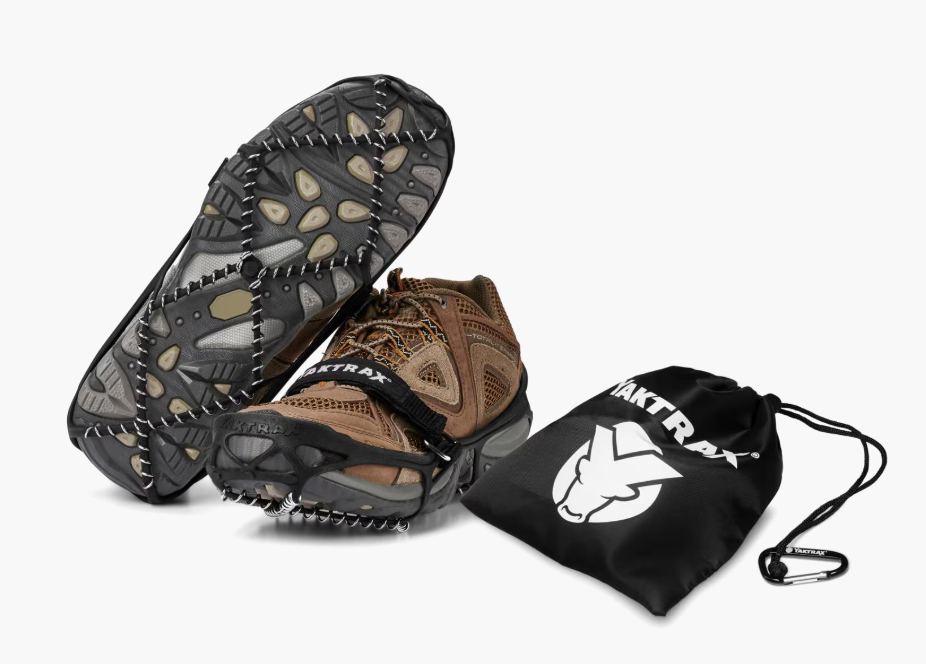
Best for Everyday Winter Walking: Yaktrax Pro Traction Cleats
For everyday winter walking, you don't necessarily need an aggressive traction system designed for mountaineering. Sometimes you simply need a little more grip when walking across packed snow, slippery sidewalks, or icy paths.
Yaktrax Pro Traction Cleats use a coil-based traction design that fits over compatible footwear. The coils provide additional contact with winter surfaces, while the surrounding structure helps hold the device in place.
One of the advantages of this type of traction device is convenience. You can carry a pair with you and put them on when walking conditions become slippery.
For Alaska visitors, that can be particularly useful when walking around town, exploring winter attractions, or navigating snowy pedestrian areas.
However, coil-style traction has limitations. Smooth, hard ice, steep slopes, and technical winter terrain can require a more aggressive traction system.
Yaktrax Pro should not be confused with mountaineering crampons, and they aren't intended to replace specialized equipment on steep or exposed terrain.
Another important consideration is where you remove them. Metal traction devices can be slippery on smooth indoor floors, and they may damage certain surfaces.
Make sure the cleats fit your footwear securely, inspect them regularly for damage, and remove them when transitioning to surfaces where the manufacturer advises against their use.
Best for: Everyday winter walking, packed snow, relatively level winter paths, and casual outdoor activities.
Check Price on Amazon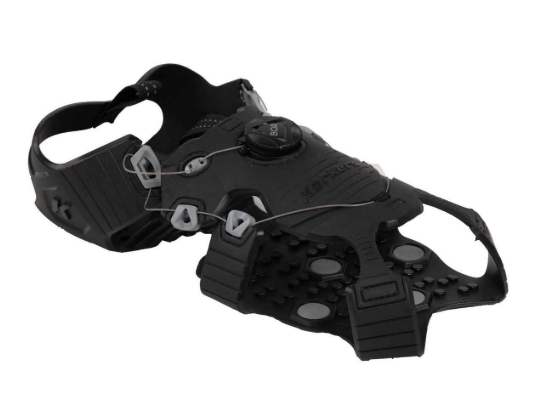
Best Alternative Traction Option: Korkers Traction Cleats
Korkers is another name worth considering when you're looking for additional traction during Alaska winters.
And this is one of the options I can speak to from personal experience. I've used Korkers traction cleats here in Alaska, and I like them.
When you live somewhere that experiences months of snow and ice, having dependable traction available becomes part of your normal winter preparation.
For everyday life, that might mean walking across a frozen parking lot, navigating an icy driveway, or dealing with slippery surfaces around town.
Korkers offers different traction products, so it's important to pay attention to the exact model you're purchasing. The type of traction elements, attachment system, and intended surfaces can vary.
Before purchasing, check the product's fit requirements and whether the traction design is appropriate for the conditions you expect to encounter.
For Alaska residents and visitors, I particularly appreciate the practicality of being able to add traction to winter footwear when conditions call for it.
However, no removable traction device guarantees that you won't slip. You still need to watch your footing, avoid hazardous slopes, and use appropriate equipment for the terrain.
Best for: Everyday winter traction, slippery outdoor walking surfaces, and people who want an alternative to coil-style cleats.
Check Price on AmazonIce Cleats & Traction Devices Comparison Chart
| Product | Traction Approach | Best Use |
|---|---|---|
| Yaktrax Pro Traction Cleats | Coil-based removable traction | Packed snow and everyday winter walking |
| Korkers Traction Cleats | Model-specific removable traction system | Winter walking on compatible outdoor surfaces |
Types of Winter Traction Devices: What's the Difference?
Not all ice cleats are designed for the same conditions. Understanding the main categories can help you avoid buying something that doesn't match your activities.
Coil-Style Traction Devices
Coil-style devices use metal coils positioned beneath your footwear to provide additional grip on packed snow and certain icy surfaces.
They're often lightweight and convenient for casual winter walking, but may be less effective on smooth, hard ice or steep terrain.
Studded Traction Cleats
Studded traction devices use small metal points or studs to engage slippery surfaces.
Depending on the design, they may be useful for icy sidewalks, parking lots, or outdoor work. However, the size and placement of the studs matter, and different products perform differently.
Chain-and-Spike Microspikes
Microspike-style traction devices generally use metal chains and multiple spikes beneath the footwear.
They can be useful for icy hiking trails and more demanding winter walking conditions, provided the specific model is designed for the terrain.
However, they aren't automatically suitable for steep mountaineering or technical climbing.
Mountaineering Crampons
Mountaineering crampons are specialized traction devices intended for particular forms of snow and ice travel.
They require appropriate footwear, proper fitting, and knowledge of how to use them safely.
For technical winter routes, seek appropriate training rather than relying on ordinary walking cleats.
Choosing Traction for Alaska Winter Conditions
One of the challenges of winter travel in Alaska is that the ground conditions can change dramatically, even during a single outing.
A trail may begin with packed snow, transition to exposed ice, and then disappear beneath fresh powder. Around town, a sidewalk that looked perfectly safe yesterday may become dangerously slippery after a thaw-and-freeze cycle.
| Surface | Traction Considerations | Important Caution |
|---|---|---|
| Packed snow | Lightweight winter traction may help | Watch for hidden ice beneath snow |
| Smooth, hard ice | Ice-specific studs or spikes may be more appropriate | Some lightweight coils may offer limited grip |
| Icy hiking trails | Trail-specific microspikes may be useful | Slope angle and exposure matter |
| Deep powder snow | Snowshoes or other snow-travel equipment may be needed | Ice cleats don't provide flotation |
| Smooth indoor floors | Remove outdoor metal traction unless specifically approved | Metal can slip or damage flooring |
Best Traction Devices for Different Alaska Winter Activities
Walking Around Anchorage or Fairbanks
Even ordinary errands can involve icy sidewalks and parking lots. Lightweight removable traction may be useful when walking between outdoor locations.
However, remember to remove traction devices before entering buildings if they're not intended for indoor use.
Northern Lights Viewing
Northern lights viewing often takes place in dark outdoor areas where the ground may be icy or uneven.
Good traction can help you move more confidently while setting up a camera or walking to a viewing location. Bring a headlamp and inspect the ground rather than assuming snow-covered surfaces are safe.
Winter Hiking
For winter hiking, choose traction based on the actual trail conditions rather than simply purchasing everyday sidewalk cleats.
Steep, icy trails may require more aggressive equipment, and some routes require technical skills beyond what traction devices alone can provide.
Ice Fishing
Traction may help on the surface of a frozen lake, but it doesn't tell you whether the ice is thick or strong enough to support your weight.
Never use the presence of other people, vehicles, or tracks as proof that ice is safe. Ice thickness and strength can vary considerably, especially around currents, pressure ridges, inlets, and outlets.
Outdoor Work and Winter Chores
For snow removal, hauling firewood, and other outdoor chores, durable traction can help on slippery surfaces.
Choose a system that fits securely and doesn't interfere with ladders, equipment, or other tasks. Different work environments may require specific footwear or safety equipment.
Winter Walking Safety in Alaska
Ice cleats can improve traction, but they don't make every surface safe.
Walk Slowly and Take Shorter Steps
On slippery ground, shorter steps and a slower pace can help you maintain your balance.
Try to keep your weight centered over your feet, and avoid sudden changes in direction.
Keep Your Hands Available for Balance
Whenever possible, avoid walking with both hands buried in your pockets. Keeping your hands available may help you respond if you lose your balance.
Inspect Your Cleats Before Use
Check for damaged straps, worn traction elements, loose components, and anything that could cause the device to detach unexpectedly.
Replace damaged equipment rather than relying on it during hazardous conditions.
Watch for Snow Covering Ice
Fresh snow can conceal smooth ice underneath, particularly around parking lots, driveways, and well-traveled pedestrian areas.
Never assume that a surface has good traction simply because it looks snowy.
Remove Metal Traction Indoors
Some cleats become slippery on tile, polished concrete, or other hard indoor surfaces.
Follow the manufacturer's instructions and remove them when appropriate to avoid falls and floor damage.
Don't Confuse Traction with Ice Safety
Traction devices help your feet grip a surface. They don't measure the strength of frozen rivers, lakes, or sea ice.
For travel on frozen water, seek current local ice-condition guidance and use appropriate safety equipment and training.
Buying Guide & Frequently Asked Questions
Do I need ice cleats when visiting Alaska in winter?
They're worth considering, especially if you'll be walking outdoors frequently. Snow-packed and icy surfaces are common in many Alaska communities during winter.
Are ice cleats better than winter boots?
They're designed for different purposes. Winter boots provide insulation, weather protection, and built-in outsole traction. Removable ice cleats add grip for certain slippery conditions.
For some activities, using appropriate traction devices over well-fitting winter boots can be a practical combination.
What's the difference between Yaktrax and microspikes?
Yaktrax Pro uses a coil-style traction system, while microspike-style products generally use chains and metal spikes.
Different designs are suited to different surfaces. More aggressive spikes may be appropriate for some icy trails, while lightweight coils can be convenient for ordinary winter walking.
Can I wear ice cleats on pavement?
It depends on the product and surface. Some traction devices are intended for limited use on winter pavement, while others may wear quickly or become awkward on exposed hard surfaces.
Always check the manufacturer's recommendations.
Can I wear ice cleats inside stores?
Generally, you should remove metal traction devices before walking on smooth indoor floors unless the manufacturer specifically approves indoor use.
Metal coils, studs, and spikes can slip on hard flooring or cause damage.
Will ice cleats fit my winter boots?
Fit depends on the model, boot shape, and size.
Bulky insulated boots may require a different traction-device size than ordinary shoes. Always consult the manufacturer's sizing chart and confirm a secure fit before walking.
Are ice cleats safe for hiking?
Some are designed for hiking, but ordinary walking cleats may not be suitable for steep or exposed winter terrain.
Choose equipment appropriate for the route, and don't use casual traction devices as substitutes for technical climbing equipment.
Do ice cleats work on black ice?
Some ice-specific traction devices may provide additional grip on hard, smooth ice, but effectiveness varies by design.
No device eliminates the risk of slipping, particularly on sloped or extremely smooth surfaces.
Can I use ice cleats while driving?
Traction devices with protruding metal components may interfere with pedal operation or damage vehicle interiors.
Remove them before driving unless the manufacturer explicitly states that they're suitable for that use.
Are ice cleats useful for northern lights photography?
Yes, depending on the terrain. Extra grip may help when walking to a viewing location or setting up equipment on slippery ground.
However, bring adequate lighting and avoid moving across unfamiliar terrain in darkness without checking conditions.
Can ice cleats be used on frozen lakes?
Traction devices may improve grip on some frozen surfaces, but they don't establish that lake ice is safe to travel on.
Ice strength varies, and frozen water requires separate safety planning.
How do I maintain traction cleats?
Remove accumulated snow and debris, inspect the traction elements and attachment system, and follow the manufacturer's cleaning and drying instructions.
Allow wet equipment to dry before storage when recommended.
What's the biggest mistake people make when buying ice cleats?
One common mistake is assuming that every traction device works equally well on every icy surface.
Coils, studs, spikes, and crampons are designed for different conditions. Choose based on your intended activity, footwear, and terrain.
Final Thoughts
Winter in Alaska is beautiful, but slippery conditions are something you need to take seriously.
Whether you're walking around town, heading out for a winter hike, watching the northern lights, or simply trying to cross an icy parking lot, having the right traction can make a difference.
For everyday winter walking, lightweight removable cleats may provide the additional grip you need. For more demanding terrain, you may need specialized traction designed for ice and winter trails.
I've found that having traction cleats available is simply a practical part of living in Alaska. And when conditions are particularly slippery, I'm glad to have them.
Just remember that no traction device makes every surface safe. Pay attention to the conditions, choose the appropriate equipment, and don't let extra grip encourage you to take unnecessary risks.
Pair your traction devices with properly insulated winter boots, dress for the weather, and take your time on slippery surfaces.
With the right preparation, you'll be better equipped to explore Alaska during one of its most beautiful and challenging seasons.