
Disclosure: This page contains affiliate links. As an Amazon Associate, I earn from qualifying purchases at no additional cost to you.
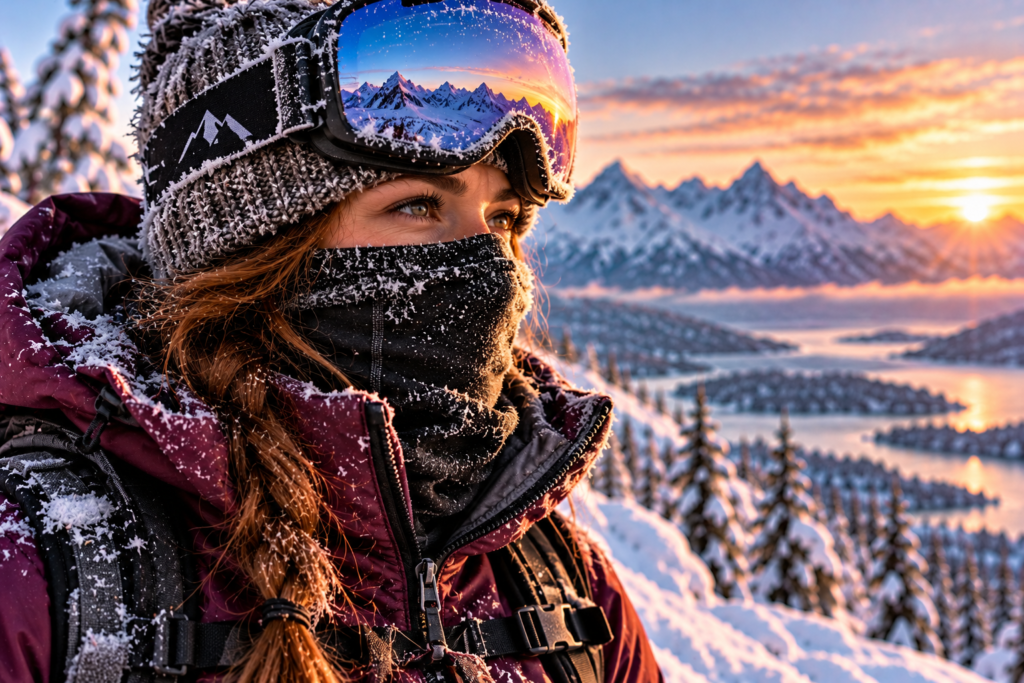
When you're preparing for an Alaska winter, it's easy to focus on the big things. You think about your insulated jacket, winter boots, gloves, and all the layers you'll need to stay warm. But there's one part of your winter clothing system that deserves just as much attention: your face.
And I can tell you from living in Alaska that cold air against exposed skin is no joke.
When temperatures drop below zero, even a short period outside can become uncomfortable if your cheeks, nose, ears, and neck aren't protected. Add wind to the equation, and exposed skin can become vulnerable to frostbite much more quickly.
In Interior Alaska, we experience long stretches of extremely cold, dry weather. Along the coast and in mountainous areas, winter conditions can bring strong winds, blowing snow, and moisture that make face and eye protection especially important.
What you need also depends on what you're doing. Someone walking around Fairbanks during a winter vacation may need a comfortable balaclava and neck gaiter. Someone snowmachining across an exposed trail needs equipment that works with a helmet and goggles. And if you're skiing or snowboarding, eye protection becomes an important part of managing wind, snow, glare, and visibility.
In this guide, we're looking at six face protection and goggle options for Alaska, along with an additional neck warmer worth considering. I'll also explain how to choose the right combination for different winter activities, avoid common problems like fogging, and protect your skin in extreme cold.
Quick Navigation
- Quick Picks
- Best Face Protection & Goggles for Alaska
- Face Protection Comparison Chart
- Balaclavas vs. Neck Gaiters vs. Face Masks
- Choosing Protection for Alaska Winter Conditions
- How to Prevent Fogging and Icing
- Face Protection for Alaska Winter Activities
- Buying Guide & Frequently Asked Questions
- Related Alaska Winter Gear Guides
- Final Thoughts
Quick Picks
- Best Merino Wool Balaclava: Outdoor Research Alpine Onset Merino Wool 150 Balaclava
- Best Everyday Face Mask: Carhartt Force Helmet-Liner Mask
- Best Merino Wool Neck Gaiter: Smartwool Thermal Merino Neck Gaiter
- Best Wind-Blocking Face Cover: Seirus Neofleece Combo Scarf
- Best Premium Snow Goggles: Smith Squad MAG Snow Goggles
- Best Value-Oriented Snow Goggles: OutdoorMaster PRO Ski Goggles
For everyday winter activities, a comfortable balaclava or neck gaiter may be enough. For wind exposure, skiing, snowmachining, and other demanding winter activities, additional face coverage and properly fitted goggles may be necessary.
Best Face Protection & Goggles for Alaska
These products serve different purposes, and you may find that combining more than one gives you the best protection. A neck gaiter can help seal the gap around your jacket collar, while a balaclava provides additional head and face coverage. Goggles protect your eyes from wind, blowing snow, and glare.
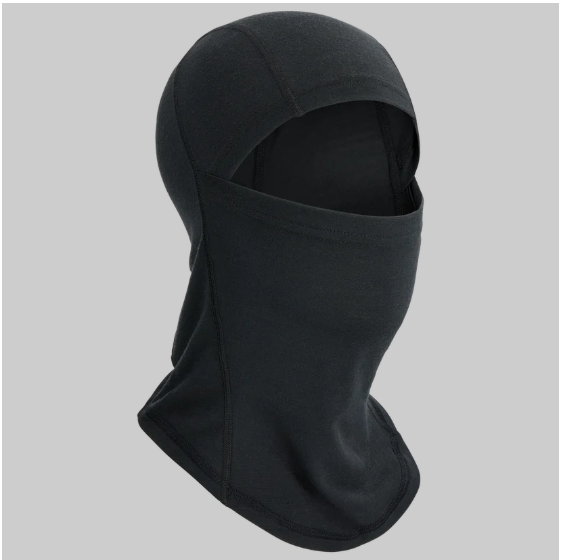
Best Merino Wool Balaclava: Outdoor Research Alpine Onset Merino Wool 150 Balaclava
A balaclava is one of the most versatile pieces of winter face protection you can own. Unlike a simple neck warmer, it provides coverage for your head, ears, neck, and portions of your face, depending on how you wear it.
The Outdoor Research Alpine Onset Merino Wool 150 Balaclava is designed as a relatively lightweight merino wool layer. This makes it useful for people who want comfortable coverage that can fit beneath compatible headwear.
Merino wool is valued for its moisture-management properties and ability to provide some insulation even when damp. That's particularly helpful during winter activities where you're moving between periods of exertion and rest.
For Alaska visitors, I like the versatility of this style of balaclava. It can help protect exposed areas around your ears, cheeks, and neck without requiring a bulky standalone face mask.
However, lightweight merino wool shouldn't be confused with heavy-duty wind protection. During extreme cold or high winds, you may need an additional wind-resistant outer layer.
Also consider how the fabric sits around your nose and mouth. Moisture from your breath can accumulate and eventually freeze in very cold conditions, so the ability to adjust coverage is important.
Best for: Everyday layering, winter hiking, wearing beneath compatible helmets, and people who prefer lightweight merino wool face protection.
Check Price on Amazon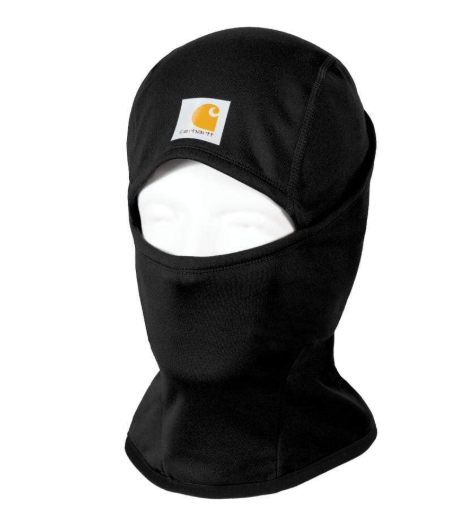
Best Everyday Face Mask: Carhartt Force Helmet-Liner Mask
Carhartt is a familiar name around Alaska, especially among people who work outdoors or spend a lot of time dealing with winter weather.
The Carhartt Force Helmet-Liner Mask provides head, ear, and face coverage in a practical design intended for cold-weather use.
For everyday Alaska activities, a mask like this can be useful when you're clearing snow, walking outside, handling winter chores, or spending time in windy conditions.
One advantage of a helmet-liner style is its relatively streamlined construction. Bulky face coverings can become uncomfortable beneath helmets or fitted winter hats, while thinner designs may offer a more manageable fit.
However, always verify that any liner is compatible with your helmet. Additional material can change helmet fit, and safety equipment should never be modified in a way that compromises protection.
As with other face coverings, moisture management is important. If the material around your mouth becomes wet from breathing, it can feel colder and may develop frost in severe temperatures.
For prolonged exposure during extreme cold, this style of mask may work best as part of a larger clothing system rather than your only source of face protection.
Best for: Everyday winter activities, outdoor chores, practical cold-weather layering, and use beneath compatible headwear.
Check Price on Amazon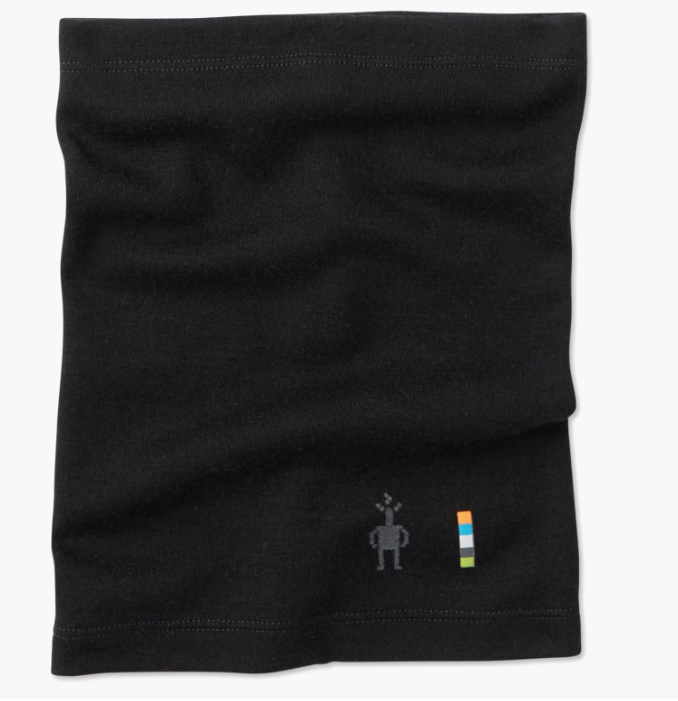
Best Merino Wool Neck Gaiter: Smartwool Thermal Merino Neck Gaiter
Sometimes you don't need a full balaclava. You just need something comfortable that keeps cold air from finding its way between your jacket and your face.
That's where a neck gaiter comes in.
The Smartwool Thermal Merino Neck Gaiter provides insulating coverage around the neck and can be pulled upward to cover portions of the lower face when needed.
One of the reasons merino wool works well for winter accessories is that it helps manage moisture while providing insulation. This can make it comfortable for everyday winter wear and moderate outdoor activity.
For Alaska visitors, a neck gaiter is especially convenient because it's easy to adjust as conditions change. You can wear it around your neck while walking indoors or pull it higher when stepping outside.
It's also useful for reducing gaps around the collar of your insulated jacket. Those small openings can let cold air enter, particularly on windy days.
However, a neck gaiter doesn't provide the same complete head coverage as a balaclava. You'll still need appropriate headwear, and you may need additional protection for your cheeks and eyes.
Best for: Everyday winter wear, neck insulation, casual sightseeing, and adjustable lower-face coverage.
Check Price on Amazon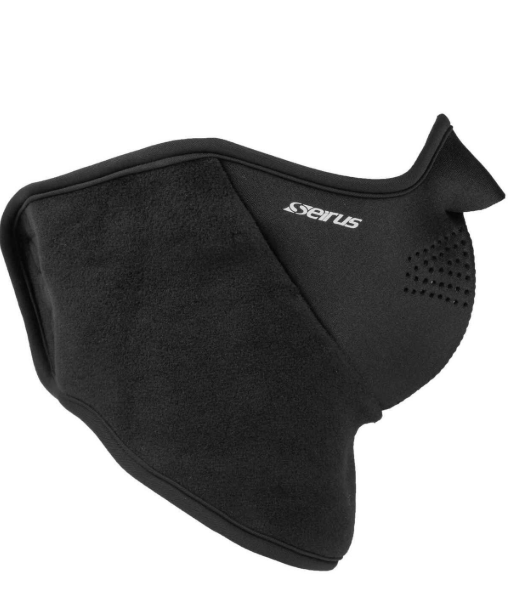
Best Wind-Blocking Face Cover: Seirus Neofleece Combo Scarf
Wind can make Alaska winter conditions feel dramatically more severe, especially when you're standing in an exposed area or traveling at speed.
The Seirus Neofleece Combo Scarf combines neck coverage with a more structured face-protection design intended to help shield your lower face from cold air.
This style can be particularly useful for people who find ordinary fabric neck gaiters inadequate in windy conditions.
For winter sightseeing, snow-related recreation, or outdoor activities in exposed areas, reducing direct wind contact with your cheeks and nose can make a noticeable difference in comfort.
However, face coverings that sit close to your mouth can accumulate moisture from breathing. In extreme cold, that moisture may freeze and affect comfort.
Pay attention to how the covering fits around your nose and whether it interferes with goggles or glasses. Poorly directed breath can cause lenses to fog, creating a visibility problem.
And remember that wind-resistant face protection doesn't automatically replace appropriate goggles or a properly fitted helmet during activities that require them.
Best for: Windy winter conditions, exposed outdoor activities, and people who want additional lower-face protection.
Check Price on Amazon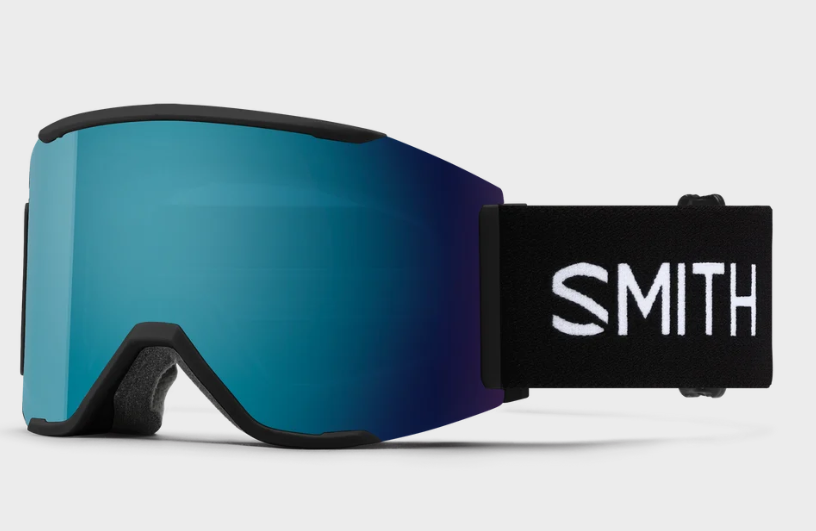
Best Premium Snow Goggles: Smith Squad MAG Snow Goggles
Protecting your eyes during Alaska winter activities is about more than comfort. Wind, blowing snow, bright sunlight, and reflected glare can all affect your visibility.
The Smith Squad MAG Snow Goggles are designed for winter sports and feature an interchangeable lens system intended to make changing lenses more convenient.
That can be useful in Alaska, where lighting conditions may vary dramatically throughout the day. A bright, sunny afternoon on the snow can require a different lens than an overcast day or a low-light winter outing.
Goggles also provide coverage around the eyes that ordinary sunglasses generally cannot match, helping reduce exposure to wind and blowing snow.
For skiing and snowboarding, properly fitted goggles can be an important part of your winter equipment.
However, lens selection matters. Dark lenses may be unsuitable in low-light conditions, and not every goggle lens is appropriate for nighttime use.
Also check helmet compatibility, ventilation, and fit. Goggles that don't seal comfortably or that fog repeatedly can become a safety concern.
Best for: Skiing, snowboarding, changing winter light conditions, and people who value interchangeable lens options.
Check Price on AmazonBest Value-Oriented Snow Goggles: OutdoorMaster PRO Ski Goggles
Not everyone visiting Alaska needs a premium pair of snow goggles, particularly if they're planning a limited amount of skiing or other winter recreation.
The OutdoorMaster PRO Ski Goggles are worth considering as a more budget-conscious option for winter sports and activities where protection from wind, snow, and glare is important.
For occasional winter recreation, a properly fitted pair of goggles can provide useful eye coverage without requiring the same investment as some higher-end models.
However, I wouldn't recommend choosing goggles based on price alone. Lens clarity, ventilation, compatibility with your helmet, and the ability to see clearly in your expected lighting conditions are all important.
Alaska's winter light can be unusual. In northern communities, daylight hours are limited during parts of winter, while bright snow and low-angle sunlight can create challenging glare when the sun is above the horizon.
Make sure you select a lens suitable for the conditions, and never assume that a tinted snow-sports lens is appropriate for driving or nighttime travel.
Best for: Occasional skiing, snowboarding, and value-conscious winter travelers who need suitable eye protection.
Amazon affiliate link and AK Standard product image to be added after verification.
Honorable Mention: Turtle Fur Neck Warmer
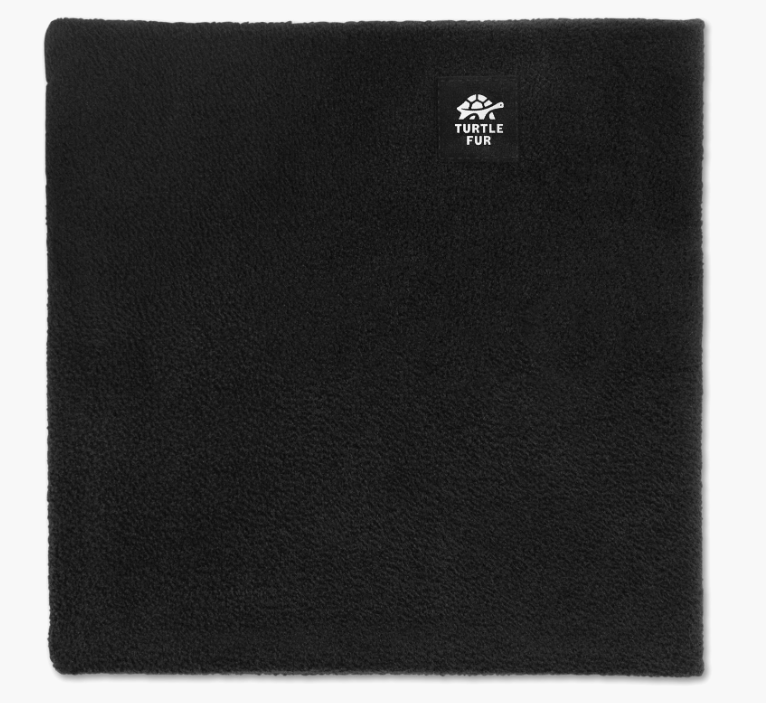
For everyday winter comfort, a simple fleece neck warmer can be an excellent addition to your clothing system.
Turtle Fur offers soft neckwear designed to provide insulating coverage around the neck and lower face.
It's a practical option for casual winter activities, walking around town, and keeping cold air from entering around your jacket collar.
However, a fleece neck warmer isn't a substitute for full face protection or wind-resistant equipment during severe conditions.
Best for: Casual winter wear, everyday comfort, and supplemental neck insulation.
Check Price on AmazonFace Protection & Goggles Comparison Chart
Here's how the featured products compare for different Alaska winter needs.
| Product | Type | Best For |
|---|---|---|
| Outdoor Research Alpine Onset | Merino wool balaclava | Lightweight head and face layering |
| Carhartt Force Helmet-Liner Mask | Helmet-liner style face mask | Everyday winter activities |
| Smartwool Thermal Merino Neck Gaiter | Merino wool neck gaiter | Adjustable neck and lower-face coverage |
| Seirus Neofleece Combo Scarf | Structured face and neck cover | Wind-exposed conditions |
| Smith Squad MAG Snow Goggles | Interchangeable-lens snow goggles | Winter sports and changing light |
| OutdoorMaster PRO Ski Goggles | Snow-sports goggles | Value-oriented winter recreation |
| Turtle Fur Neck Warmer | Fleece neck warmer | Everyday supplemental warmth |
Balaclavas vs. Neck Gaiters vs. Face Masks: What's the Difference?
These winter accessories may look similar, but they don't provide the same coverage.
Balaclavas
A balaclava generally covers the head, ears, neck, and portions of the face. Depending on the design, it may leave an opening around the eyes or allow the lower face covering to be adjusted.
Balaclavas are especially useful when you want coverage that stays in place beneath compatible hats or helmets.
Neck Gaiters
Neck gaiters are tube-shaped accessories that sit around the neck and can often be pulled upward over the lower face.
They're convenient for everyday wear because you can adjust them as conditions change. However, they don't usually provide complete head or eye protection.
Structured Face Masks
Some winter face masks are designed to provide additional protection against direct wind exposure, particularly around the nose and cheeks.
These can be useful in exposed environments, but fit and moisture management are important. A poorly fitted mask can direct warm breath toward your goggles and cause fogging.
Snow Goggles
Snow goggles protect the area around your eyes from wind, blowing snow, and glare. They're especially useful for skiing, snowboarding, and other winter activities involving exposure to the elements.
However, goggles don't replace face insulation, and lens selection should match the available light and activity.
Choosing Face Protection for Alaska Winter Conditions
One of the most important things to understand about Alaska winter weather is that temperature alone doesn't tell the whole story.
Wind, moisture, sunlight, and the amount of time you're outside can all affect the protection you need.
| Winter Conditions | Protection Priorities | Important Considerations |
|---|---|---|
| Mild winter temperatures near freezing | Comfortable neck and lower-face coverage | Moisture management and wet snow |
| Cold conditions around 0°F | Insulating face coverage and protection from wind | Minimize exposed skin as conditions require |
| Severe cold below -20°F | Comprehensive cold-weather face protection | Frostbite risk, moisture freezing, and shelter access |
| Strong wind and blowing snow | Wind-resistant coverage and appropriate eye protection | Secure fit and clear visibility |
| Bright snow and winter sunlight | Appropriate UV-protective eyewear | Lens tint and visible light transmission |
These are general guidelines, not guaranteed safe exposure ranges. Wind chill can dramatically increase the risk of frostbite, and uncovered skin can be injured quickly in severe conditions.
How to Prevent Goggles and Glasses from Fogging in Alaska
If you've ever worn a face covering with glasses during winter, you've probably experienced the frustration of fogging lenses.
Warm, moist breath rises from your nose and mouth. When it reaches a cold lens, moisture can condense or freeze, reducing visibility.
In Alaska, that can become more than an inconvenience, especially when you're skiing, snowmachining, or moving across uneven winter terrain.
Choose a Face Covering That Fits Properly
A mask that directs your breath upward toward your goggles can contribute to fogging.
Look for a comfortable fit that allows you to breathe normally without forcing warm air directly onto your lenses.
Keep Goggle Ventilation Open
Many snow goggles use ventilation systems designed to help manage moisture.
Avoid covering vents with hats, balaclavas, or other clothing unless the manufacturer specifically recommends that configuration.
Use Appropriate Lenses
Anti-fog coatings and properly designed lenses can help reduce fogging, but they aren't foolproof.
Follow the manufacturer's cleaning instructions. Wiping the inside of a wet goggle lens can damage some anti-fog coatings.
Manage Moisture Before It Freezes
Face coverings can become damp from breathing, perspiration, and snow.
If a covering becomes saturated or develops significant ice buildup, replace it with a dry one when possible.
For extended winter adventures, carrying an extra balaclava or neck gaiter can be a practical precaution.
Never Sacrifice Visibility
If your goggles fog or ice over enough to interfere with your vision, stop in a safe location and address the problem before continuing.
This is especially important when skiing, snowmachining, or traveling across unfamiliar terrain.
Best Face Protection for Different Alaska Winter Activities
Northern Lights Viewing
Watching the northern lights often involves standing outside for extended periods, sometimes during extremely cold Interior Alaska temperatures.
A warm balaclava, neck gaiter, insulated hat, and appropriate outerwear can help reduce exposed skin.
Goggles aren't always necessary for stationary aurora viewing, but wind and blowing snow may make eye protection useful. Choose lenses that allow you to see clearly in low-light conditions.
Winter Hiking and Snowshoeing
During active winter adventures, breathable layers can help manage perspiration.
A lightweight balaclava or merino wool neck gaiter may be useful while moving, with additional wind protection available for exposed sections of trail.
Remember that conditions can change quickly, particularly above treeline.
Skiing and Snowboarding
Snow goggles are an important consideration for skiing and snowboarding because they help protect your eyes from wind, snow, and glare.
Pair them with a compatible helmet and face covering that doesn't interfere with ventilation or visibility.
Choose a lens appropriate for the light conditions rather than assuming one dark lens will work throughout the day.
Snowmachine Riding
Snowmachine riding can expose your face to substantial wind, even when the ambient temperature isn't exceptionally low.
Use a properly fitted helmet and face protection compatible with the helmet and your riding conditions.
Snowmachine-specific helmets and goggles may be preferable to general snow-sports equipment, depending on the application. Check compatibility, fog management, and visibility before riding.
Ice Fishing
Ice fishing can involve long periods of limited movement, making face protection particularly important in severe cold.
A balaclava or insulated neck covering can help protect exposed areas while you remain outside.
If you're using a heated shelter, adjust your layers to manage moisture and avoid overheating.
Everyday Winter Travel
For everyday activities like walking around town, clearing snow from a vehicle, or running errands, a comfortable neck gaiter or lightweight face mask may be all you need during milder conditions.
However, keep more substantial protection available when traveling outside town or during extreme cold warnings.
Buying Guide & Frequently Asked Questions
What is the best face protection for Alaska winters?
The best face protection depends on temperature, wind, moisture, and activity.
For everyday use, a balaclava or neck gaiter may be appropriate. For severe cold and wind exposure, additional wind-resistant coverage and properly fitted eye protection may be necessary.
Do I need a balaclava for Fairbanks in winter?
A balaclava is worth considering if you're visiting Fairbanks during the colder months, particularly when temperatures drop well below zero.
It can help cover exposed areas around your head, ears, neck, and face, but severe conditions may require additional protection.
Is merino wool good for face protection?
Merino wool can be a good choice because it helps manage moisture and provides insulation.
However, lightweight merino fabric may not block strong winds as effectively as purpose-designed wind-resistant materials.
Are balaclavas warmer than neck gaiters?
Balaclavas generally provide more complete coverage because they protect the head and ears in addition to portions of the face and neck.
Actual warmth depends on the materials, thickness, fit, and weather conditions.
Do I need goggles in Alaska during winter?
Not necessarily for every activity.
Goggles are especially useful for skiing, snowboarding, and activities involving blowing snow or significant wind exposure. For casual winter sightseeing, suitable sunglasses or other protective eyewear may be sufficient depending on the conditions.
Can I wear ski goggles while snowmachining?
Some goggles may be compatible with snowmachine riding, but you should verify their intended use, helmet compatibility, ventilation, and lens suitability.
Don't assume that all ski goggles are appropriate for every snowmachine helmet or riding environment.
What causes goggles to fog in cold weather?
Fogging happens when warm, moist air contacts a colder lens and moisture condenses.
Face coverings that direct your breath upward, blocked ventilation, and excess moisture can contribute to the problem.
Should I cover my nose and mouth in extreme cold?
Protecting exposed skin is important in extreme cold, but your face covering should allow comfortable breathing and should not create a visibility problem.
Be aware that moisture from your breath can freeze on fabric, so monitor your covering and replace it if necessary.
What is the difference between ski goggles and sunglasses?
Ski goggles generally provide more complete coverage around the eyes and can offer better protection against wind and blowing snow.
Sunglasses may be more convenient for casual use, but they don't usually provide the same enclosed coverage.
Do I need different goggle lenses for different light conditions?
Possibly. Lens tint and visible light transmission affect how much light reaches your eyes.
Bright snow conditions may call for different lenses than overcast weather or low-light activities. Always choose lenses appropriate for the environment and the manufacturer's intended use.
Can face coverings cause frost buildup?
Yes. Moisture from breathing can collect in the fabric and freeze when temperatures are very low.
Choose coverings that manage moisture effectively, monitor for ice buildup, and carry a dry replacement during extended outdoor activities.
How should a balaclava fit?
A balaclava should provide comfortable coverage without restricting breathing, obstructing vision, or creating excessive pressure beneath other headwear.
If you're wearing it beneath a helmet, confirm that the combination is compatible and doesn't compromise the helmet's fit.
How do I protect my face from frostbite?
Minimize exposed skin, wear appropriate insulating and wind-resistant protection, monitor weather and wind chill, and limit exposure during severe conditions.
If skin becomes numb, unusually pale, waxy, or painful, seek warmth promptly. Avoid rubbing potentially frostbitten skin or applying direct high heat, and seek medical attention for suspected frostbite.
What's the biggest mistake people make with winter face protection?
One common mistake is assuming that a warm jacket and hat are enough while leaving the cheeks, nose, and neck exposed.
Another is choosing a face covering without considering moisture, wind, and compatibility with goggles or helmets.
Your face protection needs to work with the rest of your clothing system, not against it.
Final Thoughts
When you're preparing for an Alaska winter, don't overlook your face and eyes.
Cold temperatures, wind, and blowing snow can make exposed skin uncomfortable very quickly, and severe conditions can become dangerous if you're not properly protected.
For everyday winter activities, a comfortable balaclava or neck gaiter may be enough. For skiing, snowmachining, or spending extended periods in exposed conditions, additional face and eye protection becomes increasingly important.
One thing I've learned from living in Alaska is that having a few different winter accessories gives you more flexibility than relying on one piece of gear for everything.
A lightweight merino balaclava may be perfect for a winter walk, while a wind-resistant face covering and suitable goggles may be more appropriate for a demanding outdoor adventure.
Pay attention to fit, moisture management, and how your face protection works with your hat, helmet, goggles, and insulated jacket.
And remember that Alaska's winter weather deserves respect. Protect exposed skin, prepare for changing conditions, and don't hesitate to seek shelter when temperatures or wind become dangerous.
With the right face protection, you'll be better prepared to enjoy Alaska's beautiful winter landscapes, outdoor adventures, and unforgettable northern lights.