
Hiking & Camping Gear for Alaska
Sometimes when I am out camping or hiking here, I forget that you have to respect Alaska for Alaska. You don’t get to control Alaska, you just have to be ready for it. There is wind on ridgelines, wet brush that soaks you by mile one, and cold nights even in July. This page highlights this and shows you what actually works up here—layers that stay dry, boots that grip, tents that hold in the wind, and the small pieces I never leave without that save the day when the weather flips.
Whether you’re flying in for a week or you live here and want to dial things in, start with the right shell, real traction, a warm sleep system, and a simple repair kit.
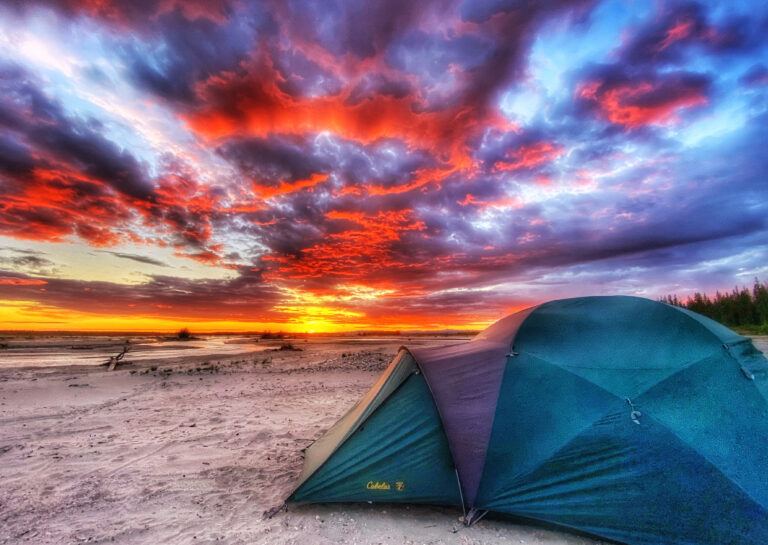
Exploring Alaska’s backcountry means facing unpredictable weather, rugged trails, and remote terrain—so your gear can make or break the trip. Whether you’re trekking through Denali, backpacking in the Chugach Range, or setting up camp along the Kenai Peninsula, having reliable hiking and camping gear is essential for comfort, safety, and success.
Essential Hiking Gear
- Layered Clothing System – Always pack base, mid, and outer layers to adapt to Alaska’s shifting conditions. Moisture-wicking wool or synthetic fabrics are best. My favorites are wool socks that fit your hiking boots.
- Waterproof Footwear – Durable, waterproof hiking boots with strong traction are a must for muddy tundra and glacial terrain.
- Trekking Poles – Reduce strain and improve balance on steep, uneven trails.
- Navigation Tools – GPS, compass, and a detailed map—cell service can vanish quickly.
- Daypack & Hydration System – A sturdy, weather-resistant pack with at least 20–30 L capacity.
- Bear Safety Gear – Bear spray, air horn, and knowledge of bear-safe practices are non-negotiable.
Camping Essentials
- Four-Season Tent – Withstands wind and rain; choose models rated for sub-freezing nights.
- Sleeping Bag & Pad – Go for a down or synthetic bag rated at least to 20°F (-6°C), plus an insulated sleeping pad.
- Portable Stove & Fuel – Compact canister stoves (like Jetboil or MSR PocketRocket) handle most conditions; liquid-fuel stoves excel in extreme cold.
- Cooking Gear & Food Storage – Lightweight cookware, bear-resistant food containers, and biodegradable soap.
- Lighting & Power – Headlamps with extra batteries, and a solar or power-bank charger for remote trips.
- First Aid & Repair Kit – Include blister treatment, tape, patches, and spare cords.
Cold-Weather Add-Ons
For shoulder-season or alpine travel:
- Microspikes or crampons for icy sections
- Down parka and windproof shell
- Compact snow shovel and gaiters
- Emergency bivy or reflective blanket
Pro Tips for Alaska Outdoors
- Pack for wet conditions—even in July.
- Store gear in dry bags or liners.
- Always carry extra food, socks and a backup water filtration method.
- Leave no trace: everything you bring in comes back out – seriously, please don’t trash this beautiful place.
Recommended Retailers & Alaska Outfitters
- REI Anchorage – Top-quality outdoor brands, rentals, and expert staff.
- Big Ray’s – Alaska-based outfitter specializing in extreme-weather gear. ** My personal Fav!
- Alaska Mountaineering & Hiking (AMH) – Locally owned since 1974; trusted by guides statewide.
- 6th Avenue Outfitters – Downtown Anchorage co-op supporting Alaska adventurers.
- Sportsman’s Warehouse – Comprehensive selection of camping, fishing, and hiking supplies.
Related Guides
Here’s a little transparency: Our website contains affiliate links. This means if you click and make a purchase, we may receive a small commission. Don’t worry, there’s no extra cost to you. It’s a simple way you can support our mission to bring you quality Alaskan content.”