
Coastal Storm Systems in Alaska
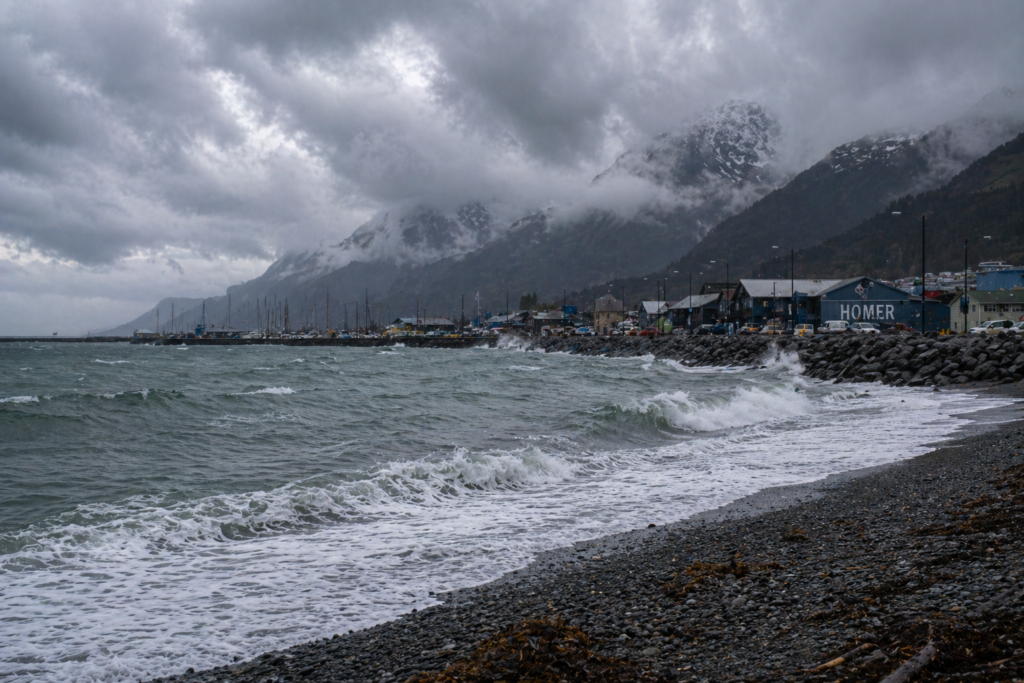
Coastal Storm Systems in Alaska: What to Expect Along the Coast
Alaska’s coastal storm systems are powerful weather events that bring heavy rain, strong winds, and rough seas to the state’s coastal regions. These storms are driven by low-pressure systems moving in from the Pacific Ocean and can develop quickly, especially during fall and winter months.
Unlike Interior Alaska, where weather tends to be colder and drier, coastal areas experience more moisture and frequent storms. This creates a very different environment, where conditions can shift rapidly and weather plays a major role in daily life.
Coastal storms are especially common in Southcentral and Southeast Alaska, affecting communities along the Gulf of Alaska and inside passages.
What Coastal Storms Look Like
During a coastal storm, skies turn overcast and winds begin to pick up, sometimes reaching high speeds. Rain can be steady and heavy, lasting for hours or even days depending on the system.
Ocean conditions become rough, with large waves and strong currents. In some cases, storms can bring coastal flooding or storm surge, especially in exposed areas.
When Coastal Storms Occur
Coastal storms can happen year-round, but they are most frequent and intense from late fall through winter. During this time, stronger weather systems move in from the Pacific, bringing more moisture and wind.
Summer tends to be milder, but rain and cloudy conditions are still common in coastal regions.
Why Coastal Storms Matter
These storms directly impact travel, especially for flights, ferries, and marine activities. Strong winds and rough seas can delay transportation and limit access to certain areas.
For residents, coastal storms are part of daily life, requiring preparation and awareness. Weather conditions can influence everything from fishing to transportation and outdoor work.
Where You Experience Them Most
Coastal storm systems are most noticeable in Southcentral Alaska, including areas like Whittier and Prince William Sound, where ocean exposure increases storm intensity .
Southeast Alaska, including communities like Juneau and Ketchikan, also experiences frequent rain and storm activity due to its location along the Pacific coast.
Travel Tips for Coastal Storms
If you’re visiting coastal Alaska, be prepared for wet and windy conditions. A reliable rain jacket and waterproof gear are essential.
Always check weather forecasts before traveling, especially if your plans involve boats, ferries, or remote areas. Flexibility is important, as storms can delay or change travel plans quickly.
Basically,
Coastal storm systems are a defining part of Alaska’s coastal environment. They shape the landscape, influence daily life, and create the conditions that make these regions so unique.
While they can be intense, understanding what to expect helps you stay prepared and still enjoy everything Alaska’s coastline has to offer.