
Disclosure: This page may contain affiliate links. As an Amazon Associate, I earn from qualifying purchases at no extra cost to you.
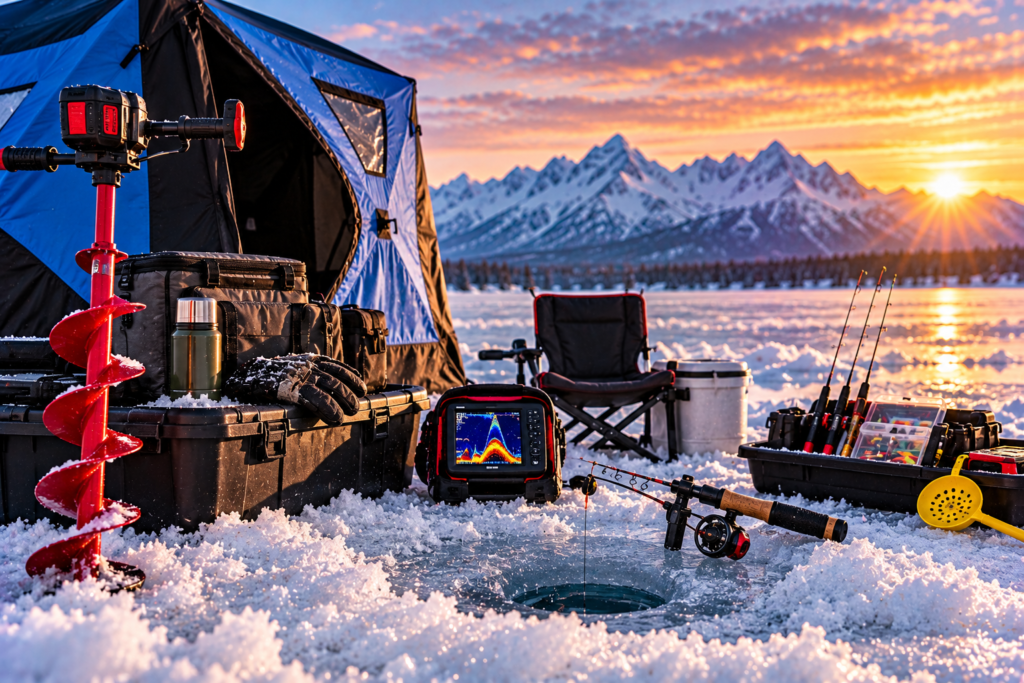
Ice fishing in Alaska is a different kind of adventure. When the lakes freeze, fishing season doesn't necessarily end. It simply changes. Across the state, anglers head out onto frozen lakes with shelters, augers, rods, and enough cold-weather gear to make a day on the ice enjoyable rather than miserable.
But Alaska ice fishing requires preparation. Conditions vary dramatically between regions, and the equipment you choose should reflect where you're fishing, how far you're traveling, and how long you plan to stay outside.
Whether you're preparing for your first ice fishing trip or upgrading your equipment, this guide covers some of the best ice fishing gear for Alaska, along with practical advice for staying comfortable and making informed decisions on the ice.
Quick Navigation
Quick Picks
- Best Insulated Ice Shelter: Eskimo QuickFish 3i
- Best Lightweight Auger Option: Eskimo Pistol Bit
- Best Ice Fishing Rod Combo: Ugly Stik GX2
- Best Insulated Bait Bucket: Frabill Sit-N-Fish
- Best Fishfinder: Garmin STRIKER 4
- Essential Ice Safety Gear: Frabill Ice Picks
These products serve different purposes, so the best setup is not necessarily the most expensive one. Start with safety, then choose equipment that matches your fishing style.
Best Ice Fishing Gear for Alaska
These six products cover several important parts of an Alaska ice fishing setup, from getting through the ice to staying protected from the weather.
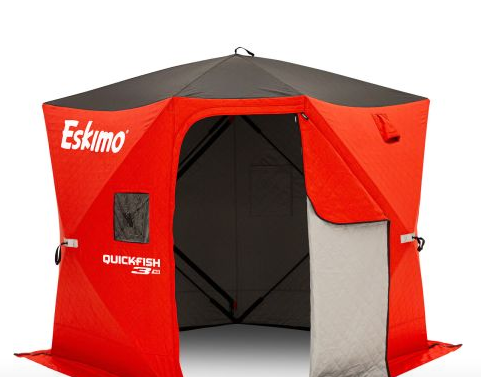
Best Insulated Ice Shelter: Eskimo QuickFish 3i
Spending several hours on a frozen Alaska lake can get uncomfortable quickly when the wind picks up. An insulated shelter provides a protected place to fish, organize equipment, and get out of direct wind exposure.
The Eskimo QuickFish 3i is a portable pop-up shelter designed for ice fishing. Its insulated construction helps retain warmth, while the hub-style design makes setup and takedown more manageable than assembling a complicated shelter from individual poles.
An insulated shelter can be particularly useful during long fishing sessions, especially when temperatures drop and anglers are spending more time sitting than moving.
Remember that a shelter is not a substitute for proper winter clothing. If you use a heater, follow the manufacturer's ventilation and clearance requirements, use a carbon monoxide detector, and never assume an enclosed shelter is safe simply because it feels warm.
Best for: Anglers planning longer ice fishing sessions who want protection from wind and cold.
Check Price on Amazon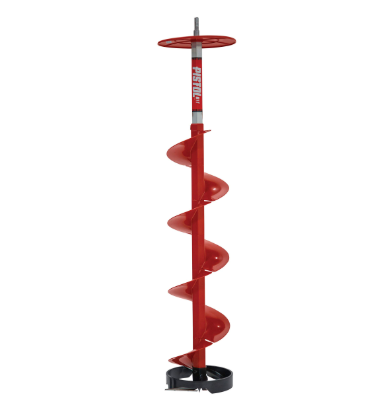
Best Lightweight Auger Option: Eskimo Pistol Bit
Before you can fish through the ice, you need a way to make a hole. Alaska lakes can develop substantial ice thickness during winter, making an efficient auger one of the most important pieces of equipment.
The Eskimo Pistol Bit is a lightweight ice auger designed to work with a compatible high-torque cordless drill. Compared with hauling a large powered auger, this style can be attractive to anglers who want a more portable drilling setup.
The tradeoff is that the drill, battery capacity, and ice conditions all matter. Cold temperatures reduce battery performance, and thick ice can demand more power than expected. Check the auger's current compatibility and extension requirements before purchasing.
For Alaska fishing, keeping spare batteries protected from extreme cold can make a real difference when you're drilling multiple holes.
Best for: Mobile anglers looking for a lighter drilling system and willing to use a compatible cordless drill.
Check Price on Amazon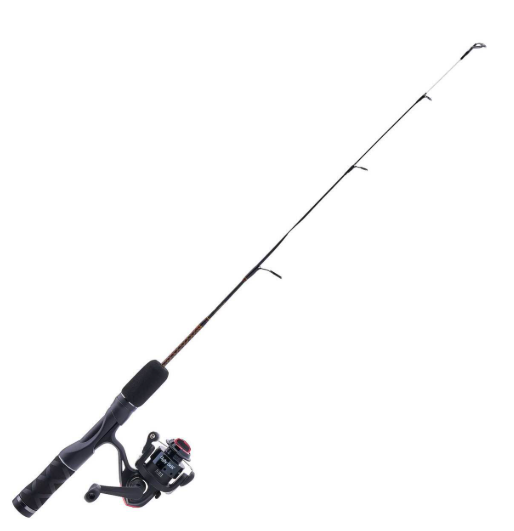
Best Ice Fishing Rod Combo: Ugly Stik GX2
You don't need an elaborate rod collection to enjoy ice fishing in Alaska. A dependable ice fishing rod and reel combo can handle many common fishing situations, especially for anglers who are still learning which species and techniques they prefer.
The Ugly Stik GX2 Ice Fishing Rod Combo is designed for fishing through a hole rather than casting across open water. Its shorter configuration is practical inside shelters and when fishing close to the ice.
Choose the appropriate rod power, line, and tackle for your target species. A setup intended for smaller fish may not be the best choice when pursuing larger lake trout.
Best for: Beginners and recreational anglers wanting a straightforward ice fishing rod and reel setup.
Check Price on Amazon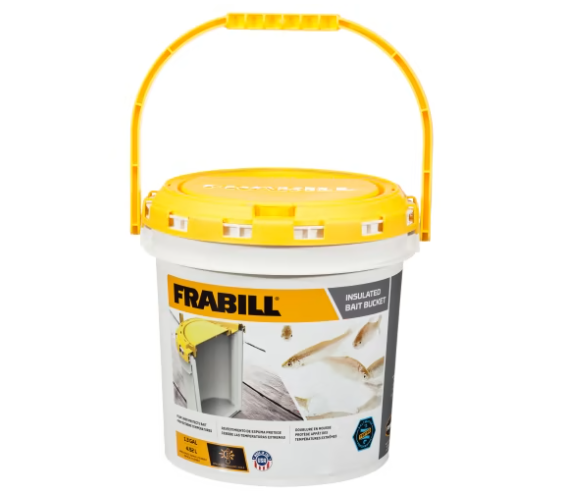
Best Insulated Bait Bucket: Frabill Sit-N-Fish
Sometimes the most useful ice fishing equipment is the gear that makes the little things easier.
The Frabill Sit-N-Fish combines an insulated bucket with a seat-style lid, making it a practical piece of equipment for anglers who want a compact place to sit while organizing permitted bait or small fishing supplies.
Insulation can help slow temperature changes, but it does not guarantee that water or bait will remain unfrozen during prolonged exposure to extreme cold.
Before transporting or using live bait in Alaska, check the current Alaska Department of Fish and Game regulations for your location. Bait restrictions vary, and live fish used as bait are generally prohibited in Alaska freshwater fishing.
Best for: Anglers who want a compact insulated bucket with a convenient seating option.
Check Price on Amazon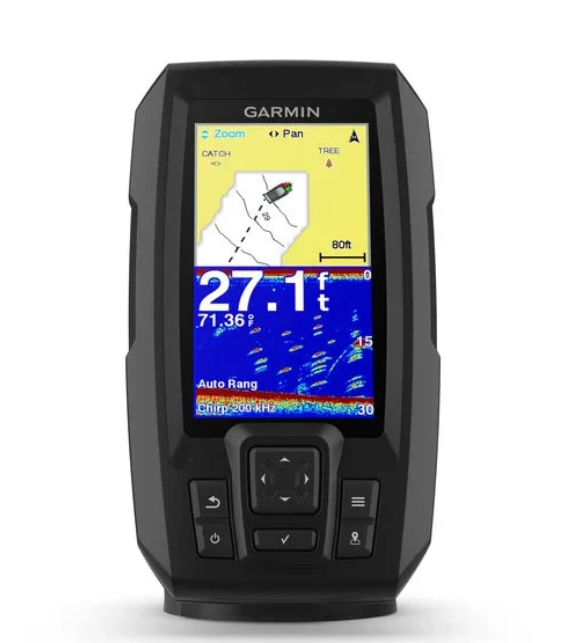
Best Fishfinder: Garmin STRIKER 4
Finding fish beneath the ice can be challenging, particularly when you're fishing unfamiliar water. A fishfinder helps you understand what's happening below the surface instead of relying entirely on guesswork.
The Garmin STRIKER 4 is a compact sonar fishfinder that can display depth information and underwater returns when paired with an appropriate transducer.
For ice fishing, pay attention to the setup. You may need an ice-compatible transducer, portable power source, and protective carrying system. A standard open-water package is not automatically a complete ice fishing kit.
Electronics also need protection from Alaska's cold temperatures. Battery performance can decline significantly in freezing weather, so consider how you'll keep your equipment powered during longer outings.
Best for: Anglers who want underwater depth and sonar information to help locate promising fishing areas.
Check Price on Amazon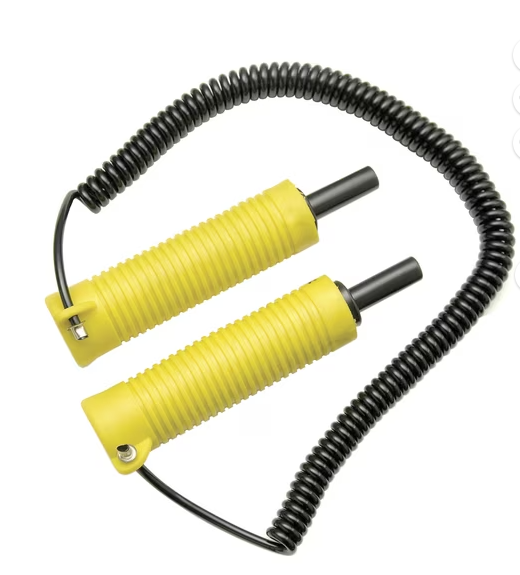
Essential Ice Safety Gear: Frabill Ice Picks
Of everything on this list, ice safety equipment deserves special attention.
Frabill Ice Picks are handheld emergency tools designed to help a person gain traction against the ice if they break through the surface. They are generally worn where they can be reached quickly rather than buried inside a tackle bag.
Ice picks are not a guarantee of self-rescue. They should be part of a broader safety plan that includes checking ice conditions, avoiding hazardous areas, carrying communication equipment, and fishing with another person whenever possible.
Alaska's lakes and rivers can have unpredictable ice conditions, especially near moving water, springs, inlets, and outlets. Never rely on appearance alone to determine whether ice is safe.
Best for: Anyone planning to travel or fish on frozen water.
Check Price on AmazonIce Fishing Gear Comparison Chart
These products are not direct substitutes for one another. Each fills a different role in an ice fishing setup.
| Product | Primary Purpose | Best For |
|---|---|---|
| Eskimo QuickFish 3i | Insulated shelter | Longer fishing sessions |
| Eskimo Pistol Bit | Drilling holes | Portable drill-based auger setups |
| Ugly Stik GX2 | Rod and reel | Recreational ice fishing |
| Frabill Sit-N-Fish | Insulated bucket and seat | Compact setups |
| Garmin STRIKER 4 | Sonar and depth information | Locating underwater features |
| Frabill Ice Picks | Emergency self-rescue aid | Every trip onto ice |
Alaska Ice Fishing Seasonal Guide
Alaska's ice fishing season depends heavily on location, elevation, weather, and individual waterbody conditions. Interior lakes often freeze earlier than waters in warmer coastal regions, and ice thickness can vary even across a single lake.
The following table provides a general seasonal planning reference, not a declaration that ice is safe during any particular month.
| Season | Typical Considerations | Gear Priorities |
|---|---|---|
| Fall Freeze-Up October–November in some Interior areas |
New ice, inconsistent thickness, and rapidly changing conditions. Many locations are not ready for safe travel. | Ice assessment equipment, safety planning, and waiting for verified conditions. |
| Deep Winter December–February |
Potentially thicker ice in suitable areas, very cold temperatures, limited daylight, and snow-covered hazards. | Insulated shelter, auger, extreme-cold clothing, lighting, and protected batteries. |
| Late Winter March–April |
Increasing daylight and changing surface conditions. Ice may remain thick but can begin losing strength. | Waterproof layers, traction, ice assessment equipment, and continued safety precautions. |
| Spring Breakup Timing varies widely |
Deteriorating ice, open water, unstable shorelines, and dangerous transitions. | Stop ice travel when conditions deteriorate. Transition to open-water fishing only when appropriate. |
Important: These months are approximate. Some Alaska locations never develop suitable ice, and others remain frozen much longer. Ice conditions must be assessed locally before every trip.
Essential Ice Fishing Equipment for Alaska
Beyond the main products, a successful ice fishing trip requires a few basic supplies that are easy to overlook.
Cold-Weather Clothing
Start with moisture-managing base layers, add insulating mid layers, and finish with wind-resistant outerwear. Insulated boots, warm socks, gloves or mittens, and face protection are especially important when you're sitting still for extended periods.
Keep extra dry gloves and socks available. Even a small amount of moisture can become a problem when temperatures fall.
Lighting and Communication
Winter daylight is limited in much of Alaska. Bring a dependable headlamp and spare power, even if you expect to finish fishing before dark.
Cell service is unreliable in many remote areas. For trips beyond dependable coverage, consider satellite communication equipment and make sure someone knows your route and expected return time.
Fishing Tackle and Accessories
Bring appropriate line, hooks, lures, a scoop for clearing ice from your hole, and tools for handling fish. Choose tackle based on the species you're targeting and the current regulations for that waterbody.
Food, Water, and Emergency Supplies
Carry drinking water, food, a first aid kit, spare clothing, and emergency insulation. Keep water containers protected from freezing and bring a reliable way to navigate back if visibility deteriorates.
Ice Safety in Alaska: What You Need to Know
Ice fishing can be a wonderful Alaska winter activity, but frozen water deserves respect. Ice thickness and strength can vary because of currents, springs, snow cover, temperature changes, and other local conditions.
Never assume that ice is safe simply because someone else has walked or driven across it. Vehicle travel requires a different level of assessment than foot travel, and ice that supports a person may not support a snowmachine or truck.
Before heading out, check current local conditions, assess ice thickness and quality along your intended route, and avoid areas near moving water, pressure ridges, and other hazards.
Carry accessible ice picks, appropriate flotation or rescue equipment, and a means of calling for help. Traveling with another person and maintaining distance from one another can improve your options if something goes wrong.
If you are uncertain about ice conditions, do not go onto the ice. No fish is worth that risk.
How to Choose Ice Fishing Gear for Alaska
Consider How Far You're Traveling
Fishing a short walk from your vehicle is different from hauling equipment across a frozen lake. Portable shelters, lightweight augers, and compact gear can be especially valuable when you're carrying everything yourself.
Think About How Long You'll Stay
For a short outing, you may only need a rod, auger, safety equipment, and appropriate clothing. Longer trips often justify adding an insulated shelter, seating, extra food, and additional emergency supplies.
Plan for Battery Performance
Cold temperatures affect cordless drills, fishfinders, phones, and other electronics. Check manufacturer operating limits and keep spare batteries insulated and dry. Never charge lithium-ion batteries below their permitted charging temperature.
Check Alaska Fishing Regulations
Before fishing, consult the current Alaska Department of Fish and Game regulations. License requirements, legal methods, bait restrictions, seasons, and limits depend on the location and species.
Frequently Asked Questions
When does ice fishing season start in Alaska?
There is no single statewide starting date for safe ice fishing. Some Interior waters freeze during fall, while coastal waters may freeze later or not develop suitable ice at all. Always confirm current conditions before going onto a frozen lake.
Do I need an insulated ice fishing shelter?
Not necessarily. An insulated shelter is especially helpful for longer trips and windy, cold conditions. Shorter outings may be manageable without one if you have proper clothing and safe conditions.
Can I use a regular fishfinder for ice fishing?
Some fishfinders can be adapted for ice fishing with suitable transducers and portable power systems. Check the equipment requirements before assuming an open-water setup will work through the ice.
Can I drive my vehicle onto a frozen Alaska lake?
Vehicle travel on ice introduces substantial additional risk. Never use a general calendar date or a single thickness measurement as proof that a route is safe. Obtain reliable local guidance and appropriate ice assessment before considering vehicle travel.
What fish can you catch through the ice in Alaska?
Depending on the lake and regulations, ice anglers may target species such as rainbow trout, Arctic char, lake trout, burbot, and northern pike. Not every species is available or legal to target in every waterbody.
What is the most important piece of ice fishing equipment?
Safety preparation comes first. An auger and rod make fishing possible, but knowing the ice conditions, carrying emergency equipment, and having a communication plan are more important than any particular fishing product.
Final Thoughts
Ice fishing is one of those Alaska winter activities that can turn a cold day into a memorable adventure. There's something special about getting out onto a frozen lake, setting up your equipment, and enjoying a quieter side of Alaska.
The right gear makes the experience more comfortable, but preparation matters more than buying everything on a list. Start with reliable ice safety practices, dress for the conditions, and build your equipment collection around the type of fishing you actually plan to do.
Whether you're heading out for a couple of hours or spending the day in an insulated shelter, Alaska ice fishing is best enjoyed when you've prepared for both the fishing and the winter environment around you.