
Alaska Hunting Information and Laws: What Hunters Need to Know
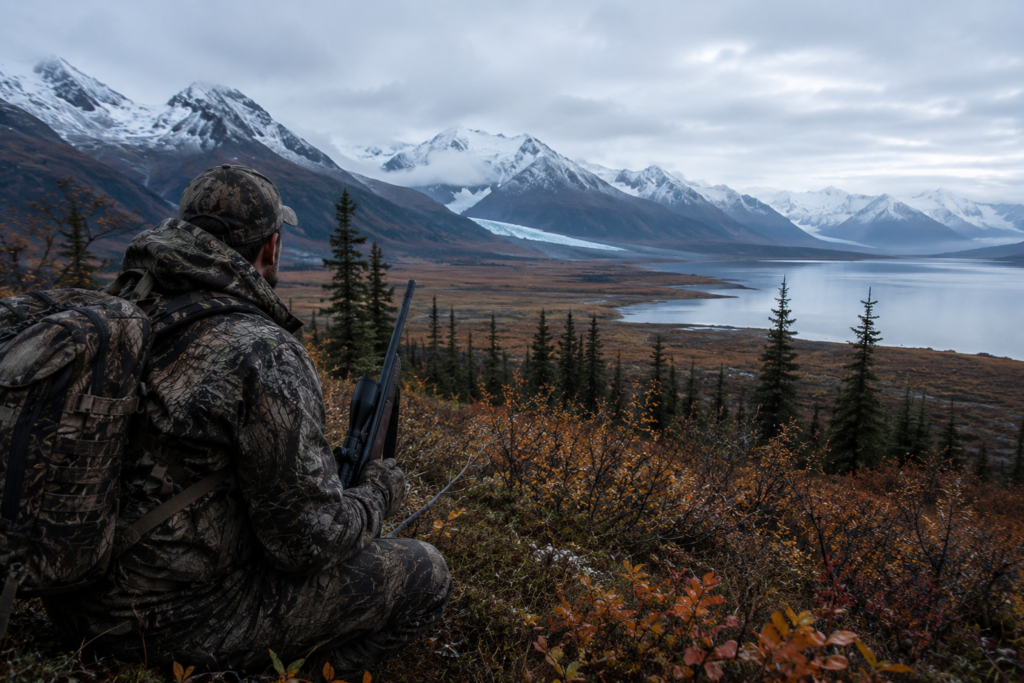
Alaska Hunting Information and Laws: What Hunters Need to Know
Alaska offers some of the most incredible hunting opportunities in North America, but hunting here also comes with serious responsibilities. The state is vast, regulations vary by area, weather changes quickly, and many hunts take place far from roads, cell service, or immediate help.
Whether you are an Alaska resident planning a local hunt or a visitor preparing for a once-in-a-lifetime trip, it is important to understand the basics before heading into the field. Alaska hunting laws can include licenses, locking tags, harvest tickets, permits, guide requirements, meat salvage rules, reporting requirements, and emergency orders that may change during the season.
This guide is meant to help you understand the major things hunters should think about before hunting in Alaska. It is not a replacement for the official Alaska hunting regulations. Always check the current Alaska Department of Fish and Game regulations for the exact species, area, and Game Management Unit where you plan to hunt.
Quick Navigation
Use this directory to jump to a specific section of this guide.
- Alaska Hunting Licenses
- Resident vs. Nonresident Hunting Rules
- Alaska Native Culture and Subsistence Hunting
- Harvest Tickets, Tags, and Permits
- Guide Requirements for Nonresident Hunters
- Alaska Hunting Seasons
- Game Management Units
- Meat Salvage Requirements
- Hunter Safety and Preparedness
- Bear Safety While Hunting
- Backcountry Communication and Navigation
- Hunting Ethics and Respect for Wildlife
- Helpful Alaska Hunting Resources
- Essential Gear for Alaska Hunts
- Final Thoughts
Alaska Hunting Licenses
Anyone hunting in Alaska must have the appropriate hunting license unless specifically exempt under Alaska law. Licenses are available for Alaska residents and nonresidents, and the cost and requirements differ depending on residency status, species, age, and hunt type.
A hunting license is the starting point, but it is not always the only thing you need. Depending on the animal and location, you may also need a locking tag, harvest ticket, registration permit, drawing permit, or other documentation.
Before purchasing gear or planning travel, check the current Alaska Department of Fish and Game requirements for the species and area you intend to hunt. Alaska is not a place where you want to assume the rules are the same everywhere.
Resident vs. Nonresident Hunting Rules
Alaska residents and nonresidents often have different hunting opportunities, fees, tag requirements, and restrictions. Residents generally have lower license costs and may have access to certain hunts that are not available to nonresidents.
Nonresident hunters should pay especially close attention to locking tag requirements, guide requirements, and whether a specific hunt is open to nonresidents. Some hunts may be resident-only, while others may allow nonresidents with additional requirements.
If you are traveling to Alaska for a hunt, verify the current rules before booking flights, lodging, transporters, or guides. The difference between resident and nonresident rules can be significant.
Alaska Native Culture and Subsistence Hunting
For many Alaska Native communities, hunting is far more than recreation. It is part of culture, family tradition, food security, and a way of life that has existed for thousands of years.
Throughout Alaska, many rural communities continue to rely on wild game, fish, and other natural resources to help feed their families. Moose, caribou, deer, waterfowl, marine mammals, fish, and other resources may play an important role in household food supply and community sharing.
Subsistence hunting is recognized under Alaska law and plays an important role in wildlife management across the state. In some areas, subsistence uses may receive priority consideration when wildlife resources are limited.
Visitors may encounter hunting rules, seasons, and access considerations that reflect the importance of subsistence traditions. Understanding this context helps explain why hunting in Alaska is not just a sport. For many people and communities, it is connected to survival, identity, family, and respect for the land.
Whether a person is hunting for food, tradition, or recreation, responsible harvest and respect for wildlife are values shared across Alaska's diverse hunting communities.
Harvest Tickets, Tags, and Permits
Many Alaska hunts require more than a hunting license. Depending on the species and area, hunters may need harvest tickets, registration permits, drawing permits, Tier I or Tier II permits, community subsistence hunt permits, or locking tags.
Harvest tickets are commonly required for general season hunts. Registration permits are often used when harvest needs to be tracked closely and may include specific reporting requirements. Drawing permits are limited-entry opportunities where hunters apply in advance and permits are awarded through a drawing system.
Hunters are responsible for carrying the correct documentation in the field and completing any required reporting after the hunt. Missing a reporting deadline can affect future hunting opportunities, even if you did not harvest an animal.
Guide Requirements for Nonresident Hunters
Alaska has specific guide requirements for certain nonresident big game hunters. Nonresidents hunting species such as brown/grizzly bear, Dall sheep, and mountain goat are generally required to be accompanied by a licensed Alaska guide or a qualified Alaska resident relative.
These requirements exist because Alaska hunts can involve difficult terrain, unpredictable weather, remote travel, and serious wildlife safety concerns. A guided hunt can also help visiting hunters understand local regulations, field care expectations, and legal harvest requirements.
If you are a nonresident hunter, do not assume you can hunt every species on your own. Check current guide requirements before planning the hunt.
Alaska Hunting Seasons
Alaska hunting seasons vary widely by species, region, Game Management Unit, residency status, and permit type. A season may be open in one part of the state and closed or restricted somewhere else.
Some species may have long seasons in certain areas, while others are managed through short windows, drawing permits, registration hunts, or emergency closures. Weather, access, migration timing, and wildlife population goals can all affect hunting opportunity.
Always check the current regulations for the specific unit and species you plan to hunt. General online information is not enough.
Game Management Units
Alaska is divided into Game Management Units, often called GMUs. These units are used to manage wildlife populations, set seasons, define bag limits, and organize hunting opportunities.
Understanding your GMU is one of the most important parts of planning an Alaska hunt. Regulations can change from one unit to the next, and even subunits within a larger GMU may have different rules.
Before heading into the field, confirm the unit boundaries, access points, land ownership, species regulations, permit requirements, and any controlled use areas or closures that may affect your hunt.
Meat Salvage Requirements
Alaska takes meat salvage very seriously. Hunters are required to salvage edible portions of harvested game and transport that meat from the field according to state regulations.
Meat salvage is not just a legal issue in Alaska. Many Alaskans view wasting meat as deeply disrespectful to the animal, the land, and the communities that rely on wild food. Responsible meat care is part of ethical hunting here.
Good meat care starts immediately after the harvest. Field dressing, cooling, clean handling, breathable game bags, shade, airflow, and safe transport all matter. In warm weather, wet country, or remote terrain, meat can spoil faster than people expect.
Hunters should know what portions of meat must be salvaged for the species they are hunting and whether any special salvage rules apply in their area. Some hunts may have specific requirements for bone-in meat, evidence of sex, antler sealing, or transportation.
For more field-care help, see our guide to Game Bags and Meat Care for Alaska Hunters.
Hunter Safety and Preparedness
Alaska hunting can be physically demanding and remote. Even hunts close to the road system can involve cold rain, thick brush, river crossings, steep terrain, bears, limited visibility, and long distances back to help.
Before heading into the field, hunters should have a realistic plan for weather, navigation, meat transport, emergency communication, first aid, and what happens if someone gets injured or delayed.
Important safety steps include:
- Leave a trip plan with someone who will check on you
- Carry navigation tools and know how to use them
- Bring clothing suited for cold, wet, and changing weather
- Carry a first-aid kit and emergency shelter
- Have a plan for river crossings, rough terrain, and poor visibility
- Carry a satellite communicator if hunting outside cell service
- Know your physical limits before packing heavy loads
- Practice with your firearm, bow, or hunting equipment before the season
- Clearly identify your target and what is beyond it
Hunter safety in Alaska is not only about firearm safety. It is also about preparation, judgment, weather awareness, communication, and knowing when to turn around.
Bear Safety While Hunting
Many Alaska hunts take place in bear country. Hunters need to think about bears before, during, and after a harvest.
Fresh meat, gut piles, blood, food, fish, and strong camp smells can attract bears. Field dressing and packing meat can put hunters in situations where they are focused on the animal and less aware of their surroundings.
When hunting in bear country, stay alert, make noise when visibility is limited, keep a clean camp, store food carefully, and avoid leaving meat where bears can easily access it. If meat must be staged, choose a visible location away from camp when possible and approach cautiously when returning.
Many hunters carry bear spray, and some carry firearms appropriate for emergency defense. Whatever tool you choose, prevention and awareness are the first line of defense.
If you are hunting with other people, talk through your bear plan before the hunt begins. Everyone should know what to do if a bear appears while processing meat, packing loads, or returning to a kill site.
Backcountry Communication and Navigation
Many Alaska hunting areas have little or no cell service. Once you leave the road system or travel into mountain, tundra, river, or coastal country, communication can become limited quickly.
Satellite communication devices, GPS units, paper maps, compasses, and emergency signaling tools are important parts of a serious Alaska hunting plan. Batteries also drain faster in cold weather, so power management matters.
A satellite communicator can allow you to send messages, share location, check in with family, and request emergency help if needed. A GPS device can help with route finding, marking camp, tracking a harvest location, and navigating back through poor visibility.
For gear recommendations, see our guides to Satellite Communication Devices for Alaska Backcountry Travel and GPS and Navigation Devices for Alaska Adventures.
Hunting Ethics and Respect for Wildlife
Alaska's hunting traditions are built on respect for wildlife, responsible harvest, and stewardship of the land. Ethical hunting means more than simply following the minimum legal requirements.
Ethical hunters know their equipment, understand their limitations, take responsible shots, make every effort to recover harvested animals, salvage meat properly, and follow reporting requirements.
Ethical hunting in Alaska also includes respecting the long history of subsistence hunting practiced by Alaska Native peoples and rural communities. Wildlife resources support recreation, food security, cultural traditions, and local ways of life across the state.
The future of hunting in Alaska depends on hunters continuing to act responsibly and helping preserve these opportunities for future generations.
Helpful Alaska Hunting Resources
Regulations, season dates, permit requirements, emergency orders, and reporting rules can change. Before every hunt, verify current information using official Alaska Department of Fish and Game resources and review the regulations for the exact Game Management Unit where you plan to hunt.
Official Alaska Hunting Resources
- Alaska Department of Fish and Game Hunting Information — Official hunting information, species resources, regulations, and planning tools.
- Alaska Hunting Regulations — Current hunting regulations, season information, bag limits, and legal requirements.
- Hunting Licenses, Locking Tags, and Permits — Information on buying licenses, locking tags, harvest tickets, and permits.
- Harvest Tickets and Permits — Online access for Alaska harvest tickets and permit documentation.
- Alaska Hunting Maps and Game Management Units — GMU maps, hunt maps, controlled use areas, closures, and area information.
- Emergency Orders and Regulation Changes — Current emergency orders and wildlife regulation updates that may affect hunts.
- Current Alaska Hunting Regulations PDF — Complete downloadable Alaska hunting regulations booklet.
Essential Gear for Alaska Hunts
The right gear will not replace good judgment, but it can make an Alaska hunt safer, more comfortable, and more realistic. Wet weather, rough terrain, long pack-outs, and remote travel all put gear to the test.
These AK Standard gear guides can help you prepare:
- Best Hunting Boots for Alaska
- Best Hunting Packs for Alaska
- Best Binoculars for Hunting in Alaska
- Game Bags and Meat Care for Alaska Hunters
- Satellite Communication Devices for Alaska Backcountry Travel
- GPS and Navigation Devices for Alaska Adventures
Final Thoughts
Hunting in Alaska can be an incredible experience, but it requires preparation, humility, and respect. The regulations matter. Meat care matters. Safety matters. The cultural context matters too.
Before you hunt, take time to understand the rules for your species and area, check the current regulations, pack properly, prepare for changing weather, and make a realistic plan for communication, navigation, and meat care.
Alaska rewards preparation. The more seriously you plan before the hunt, the better your chances of having a safe, legal, ethical, and memorable experience in the field.