
Valdez, Alaska
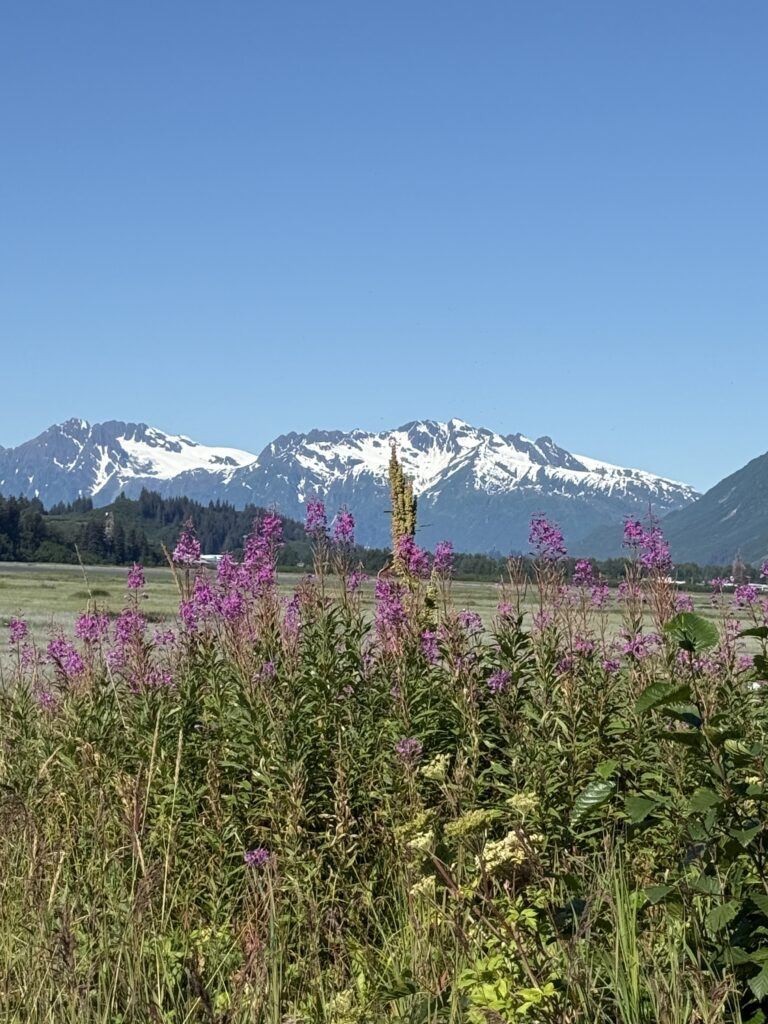
Valdez has always felt a little enchanted. Protected by some of the world’s tallest coastal mountains, this working fishing port sits deep in Prince William Sound amid waterfalls, wildlife, blue ice, and a rugged coastline that seems to breathe its own kind of magic. Located about 305 miles from Anchorage and 364 miles from Fairbanks, Valdez blends raw Alaska beauty with real-deal industry and history.
Named for Spanish navy minister Antonio Valdés during early coastal explorations, Valdez grew from gold-rush roots to a vital port once the Richardson Highway connected tidewater to the Interior. You can still spot a half-built railroad tunnel in Keystone Canyon—a relic of the short-lived “railroad wars” that shifted track plans elsewhere. Today, the Trans-Alaska Pipeline ends here, carrying oil from Prudhoe Bay to tankers waiting in Port Valdez, a key piece of Alaska’s economy.
The town you see now is also a story of resilience. During the 1964 Good Friday Earthquake, sections of the original townsite slumped into the harbor due to soil liquefaction, and a tsunami struck the waterfront. The community relocated about four miles west to more stable ground, and Old Valdez was dismantled. What remained is a small city with outsized scenery—glaciers at the doorstep, fish runs right off the road system, and mountains that funnel weather, light, and adventure in equal measure.
Did You Know
-
Pipeline Terminus: Valdez is the southern end of the Trans-Alaska Pipeline System, where crude shipped from the North Slope is loaded to tankers in Port Valdez.
-
Town Relocation (1964): After the Good Friday Earthquake and tsunami, Valdez rebuilt on firmer ground approximately four miles from the original site.
-
Keystone Canyon: Drive the Richardson Highway to see Bridal Veil and Horsetail Falls and the unfinished rail tunnel from the early railroad era.
-
Glaciers in Reach: Worthington, Valdez, Shoup, Meares, and Columbia glaciers are all accessible by road viewpoints or guided boat/flight tours.
-
Fishing Hub: The harbor supports charter fleets and processing—halibut and salmon are mainstays, and shore fishing at Allison Point is a local favorite.