
Alaska Travel Safety Guide: What you need to Know
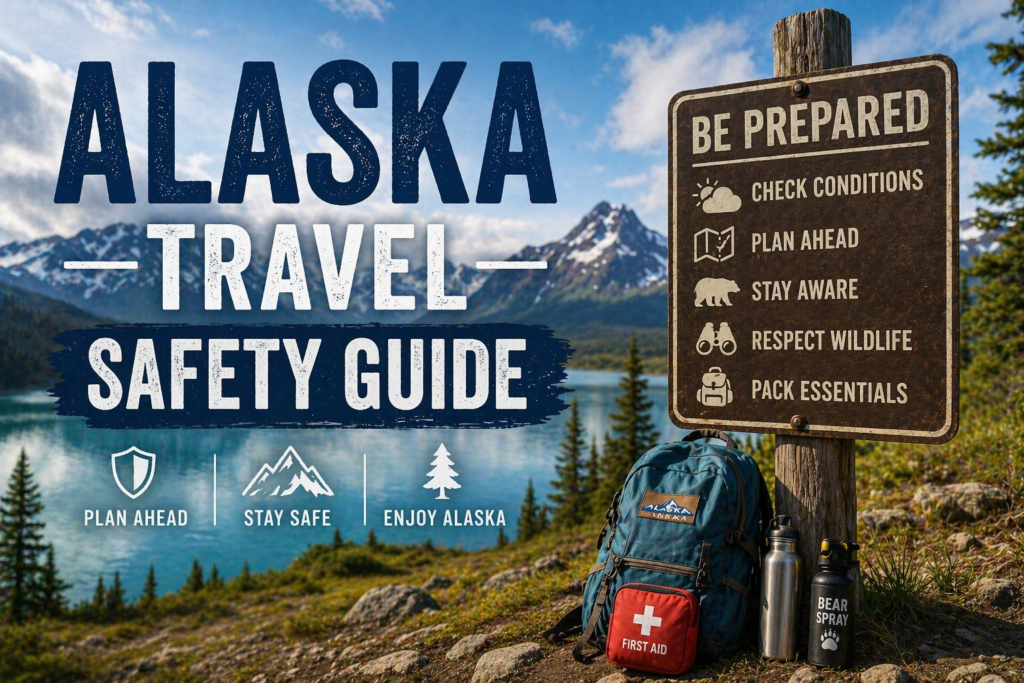
Alaska Travel Safety Guide
Alaska is one of the most incredible places you can visit, but it’s also very different from most destinations. Distances are longer, conditions are more remote, and weather can change quickly. Help is not always close by, which means planning ahead matters more here than it does in most places.
Most trips go smoothly. The issues people run into usually come from underestimating distance, weather, or how quickly conditions can change.
Wildlife Safety
Wildlife is a major part of the Alaska experience, but it requires awareness and distance. Bears and moose are the most common concerns. Never approach wildlife, never feed animals, and always give them space.
When hiking, make noise, stay alert, and carry bear spray in areas where it’s recommended. Moose can be especially unpredictable, particularly during fall rut or when calves are present. If an animal changes behavior or focuses on you, back away slowly and create distance.
Weather Conditions
Weather in Alaska can shift fast, even in the middle of summer. A clear morning can turn into rain, wind, or colder temperatures within hours.
Always check the forecast, but don’t rely on it completely. Dress in layers, bring a rain shell, and be prepared for changing conditions. In spring and fall, conditions can vary widely from one area to another. In winter, extreme cold and limited daylight add additional risk.
Driving Safety
Driving in Alaska is part of the experience, but it requires more attention than most people expect. Roads are longer, speeds are often slower, and services are spaced out.
Keep your gas tank at least half full, especially outside major towns. Watch for wildlife on the road, particularly at dawn and dusk. Construction zones, gravel sections, and weather can all affect driving conditions.
Long drives may look manageable on a map but can take most of the day. Plan for fewer stops and give yourself extra time.
Remote Travel
Cell service drops off quickly once you leave cities and major highways. You should not rely on your phone for navigation or emergencies.
Let someone know your plans if you’re heading out for a long drive or hike. In more remote areas, consider carrying offline maps or a GPS device. Delays happen, and help can take time to reach you.
Hiking and Outdoor Safety
Even short hikes in Alaska require preparation. Trails can be uneven, muddy, or poorly marked depending on location.
Wear proper footwear, bring water, and carry basic supplies like food, a map, and an extra layer. If you’re hiking in less developed areas, navigation tools become more important. It’s easy to underestimate terrain and distance.
Water and Coastal Safety
Cold water is one of the most underestimated risks in Alaska. Lakes, rivers, and ocean water remain cold year-round, and falling in can quickly lead to hypothermia.
Be cautious near fast-moving rivers, slippery rocks, and coastal areas. Tides in some areas, especially in places like Turnagain Arm, change quickly and can be dangerous if you’re not paying attention.
Seasonal Considerations
Conditions change a lot depending on the time of year. Summer offers the easiest travel but still requires preparation for rain and changing weather.
Spring and fall are more unpredictable, with mixed conditions and fewer services available. Winter brings cold temperatures, icy roads, and limited daylight. Travel is still possible, but it requires more planning and flexibility.
Common Sense Safety Tips
Stay aware of your surroundings and avoid distractions in unfamiliar areas. Plan your route ahead of time and avoid trying to fit too much into one day. Dress for changing conditions, not just what the weather looks like when you leave.
Carry more than you think you’ll need, especially water, layers, and basic supplies. Respect wildlife, distance, and terrain at all times.
What Matters Most
Alaska rewards preparation and patience. Most problems happen when people try to move too fast or assume conditions will stay the same.
If you plan ahead, stay aware, and give yourself time, you’ll avoid most issues and have a much better experience.