
Disclosure: This page may contain affiliate links. As an Amazon Associate, I earn from qualifying purchases at no extra cost to you.
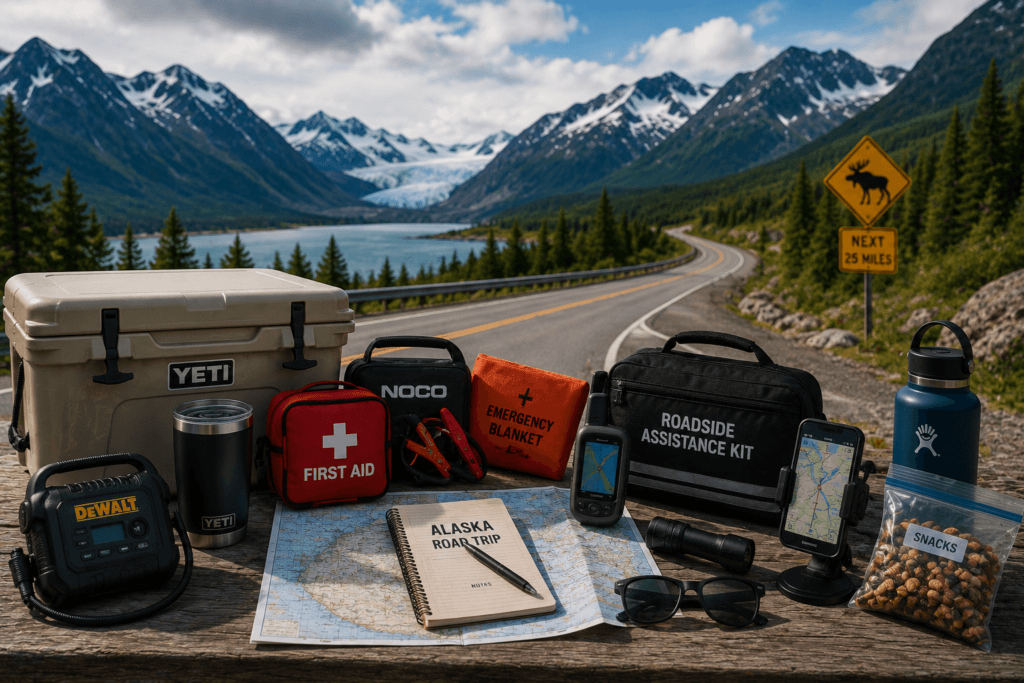
An Alaska road trip emergency kit is not about being dramatic. It is about respecting the size of the state, the distance between services, and how quickly small problems can become stressful when you are far from help.
The best Alaska road trip emergency kit should help you handle common vehicle issues, cold weather problems, low visibility, dead batteries, minor roadside repairs, and situations where you may need to wait safely. You do not need to pack like you are crossing the Arctic alone, but you should have enough gear to stay warm, visible, charged, and prepared.
This guide covers practical emergency gear for Alaska road trips, including jump starters, tire inflators, emergency blankets, first aid kits, jumper cables, folding shovels, LED road flares, flashlights, rugged power banks, and recovery straps.
Quick Navigation
- Quick Picks
- Best Alaska Road Trip Emergency Kit Items
- Emergency Gear Comparison Chart
- Why Emergency Gear Matters in Alaska
- Dead Batteries and Jump Starting
- Tire Pressure and Roadside Problems
- Staying Warm While Waiting
- Visibility and Roadside Safety
- Winter and Shoulder Season Travel
- Common Emergency Kit Mistakes
- Frequently Asked Questions
- Final Thoughts
Quick Picks
- Best Jump Starter: NOCO Boost Plus GB40
- Best Tire Inflator: DEWALT Tire Inflator
- Best Emergency Blanket: Arcturus Emergency Blanket
- Best First Aid Kit: Adventure Medical Kits Mountain Series
- Best Jumper Cables: Energizer Jumper Cables
- Best Folding Shovel: RHINO USA Folding Shovel
- Best Road Flares: HOKENA LED Road Flares
- Best Flashlight: Coast G32 Flashlight
- Best Rugged Power Bank: Goal Zero Venture 75
- Best Recovery Strap: Rhino USA Recovery Tow Strap
Best Alaska Road Trip Emergency Kit Items
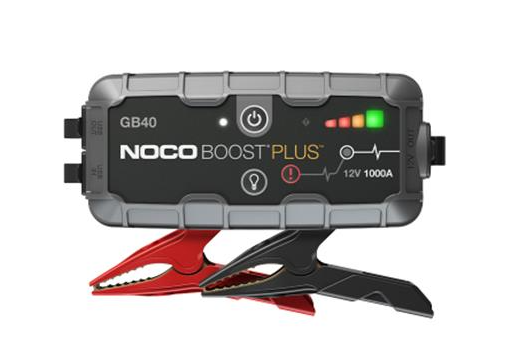
Best Jump Starter — NOCO Boost Plus GB40
A portable jump starter is one of the most useful items you can keep in an Alaska road trip emergency kit. Dead batteries happen, especially during cold weather, long travel days, or when vehicles sit with electronics running.
The NOCO Boost Plus GB40 gives you a way to jump start a vehicle without depending on another driver being nearby. That matters in Alaska because there may not always be someone close enough to help right away.
This is especially useful for winter travel, remote highways, rental vehicles, camping trips, and anyone who wants a stronger backup plan than waiting for roadside help.
Best for: Dead batteries, winter travel, remote highways, rental cars, road trips, camping, and vehicle emergency kits.
Check Price on Amazon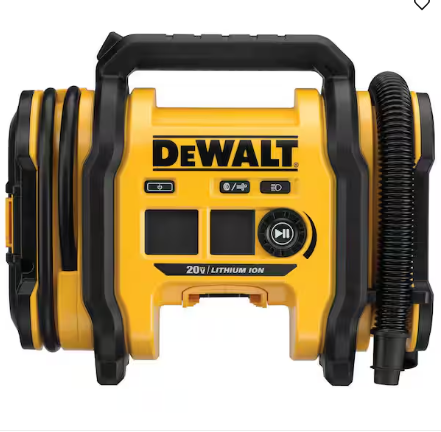
Best Tire Inflator — DEWALT Tire Inflator
The DEWALT Tire Inflator is one of my favorite practical tools because it is useful all year. I use mine in winter and summer, and it is one of those products that earns its place because it actually solves real problems.
For Alaska road trips, tire pressure matters. Temperature swings, long drives, gravel roads, slow leaks, and remote stretches can all create situations where being able to add air yourself is extremely helpful.
A portable tire inflator gives you more control and keeps a small tire issue from immediately becoming a stressful roadside problem.
Best for: Tire pressure, winter and summer driving, gravel roads, remote highways, slow leaks, and practical roadside preparedness.
Check Price on Amazon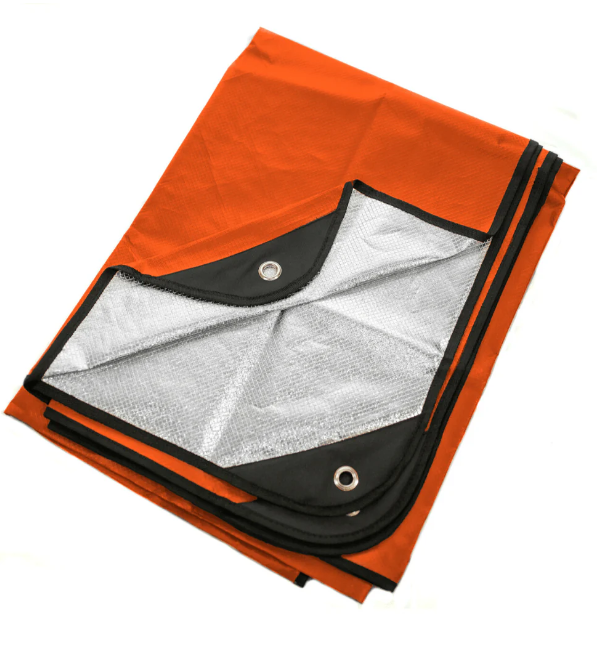
Best Emergency Blanket — Arcturus Emergency Blanket
An emergency blanket is simple, compact, and worth keeping in the vehicle. Alaska weather can turn cool quickly, and even summer nights can feel colder than visitors expect depending on location and conditions.
The Arcturus Emergency Blanket is useful if you are waiting during a breakdown, dealing with an unexpected delay, sitting through bad weather, or trying to keep someone warmer until help arrives.
This should not replace proper clothing or winter gear, but it is a smart backup item that takes up very little space.
Best for: Emergency warmth, vehicle kits, roadside delays, camping, winter travel, shoulder season trips, and unexpected cold weather.
Check Price on Amazon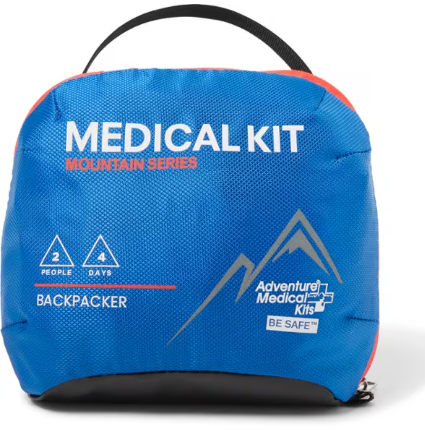
Best First Aid Kit — Adventure Medical Kits Mountain Series
A first aid kit belongs in every Alaska road trip emergency kit. Most road trip medical issues are not dramatic, but cuts, blisters, headaches, scrapes, stomach problems, bug bites, and minor injuries are much easier to manage when supplies are already in the vehicle.
The Adventure Medical Kits Mountain Series is a strong choice because it is more capable than a tiny glove box kit while still being practical enough for travel.
For Alaska, I like first aid kits that work across several scenarios: road trips, hiking, camping, fishing, family travel, and cabin stays.
Best for: Road trips, hiking, camping, fishing, families, cabins, and general Alaska travel first aid.
Check Price on Amazon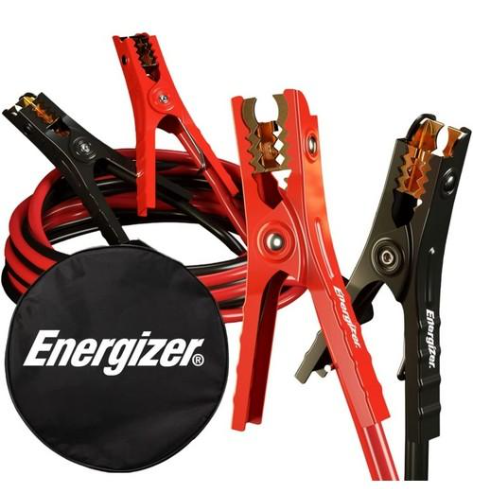
Best Jumper Cables — Energizer Jumper Cables
Even if you carry a portable jump starter, traditional jumper cables are still worth having. They are simple, familiar, and useful if another vehicle is available to help.
In Alaska, vehicle preparedness should have some redundancy. A jump starter is excellent, but jumper cables give you another option if your jump starter is dead, misplaced, or not enough for the situation.
They are inexpensive, easy to keep in a vehicle, and useful far beyond a single Alaska trip.
Best for: Dead batteries, backup vehicle preparedness, road trips, winter driving, and simple emergency redundancy.
Check Price on Amazon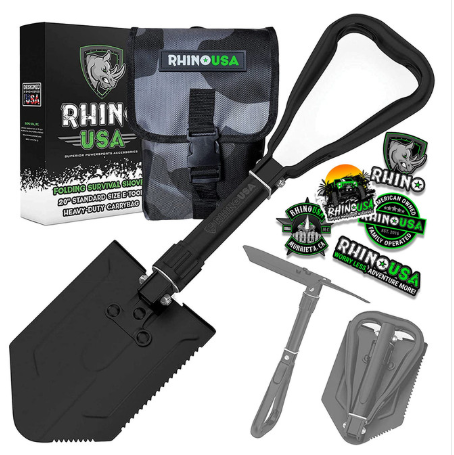
Best Folding Shovel — RHINO USA Folding Shovel
A folding shovel is useful for snow, mud, gravel, campgrounds, roadside pullouts, and situations where you need to clear around a tire or dig out a small area. It is especially useful outside the main summer travel season.
The RHINO USA Folding Shovel is compact enough to keep in a vehicle without taking over the trunk. It is not a full-size shovel, but it is much better than having nothing when you need to move snow, dirt, or slush.
For winter travel and remote road trips, a shovel is one of the items I would not want to skip.
Best for: Snow, mud, gravel, roadside issues, winter travel, camping, and vehicle emergency kits.
Check Price on Amazon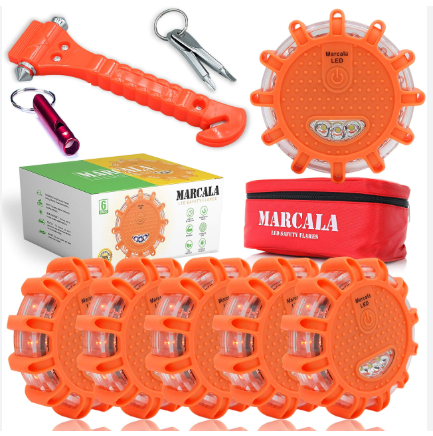
Best Road Flares — HOKENA LED Road Flares
Visibility matters during roadside problems. Alaska highways can be dark, snowy, rainy, foggy, or full of fast-moving traffic, depending on the road and season.
LED road flares help make your vehicle or roadside situation more visible to other drivers. This is especially useful during nighttime breakdowns, low visibility, winter travel, and shoulder season trips.
They are a smart addition to a vehicle emergency kit because being seen is one of the most important parts of staying safe on the roadside.
Best for: Roadside visibility, breakdowns, nighttime emergencies, winter driving, fog, rain, and low-light travel.
Check Price on Amazon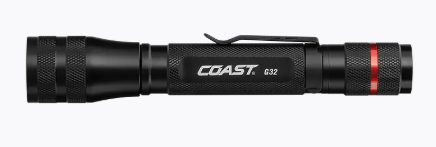
Best Flashlight — Coast G32 Flashlight
A flashlight is basic emergency gear, but it still matters. Phones have flashlights, but I do not like depending on a phone for everything during a roadside situation. You may need to save phone battery for calls, maps, or messages.
The Coast G32 Flashlight gives you a dedicated light source for checking the vehicle, finding supplies, signaling, walking in the dark, or handling small problems after sunset.
For Alaska, a separate flashlight or headlamp is one of the easiest emergency kit upgrades to make.
Best for: Roadside issues, vehicle kits, darkness, finding gear, signaling, camping, and backup lighting.
Check Price on Amazon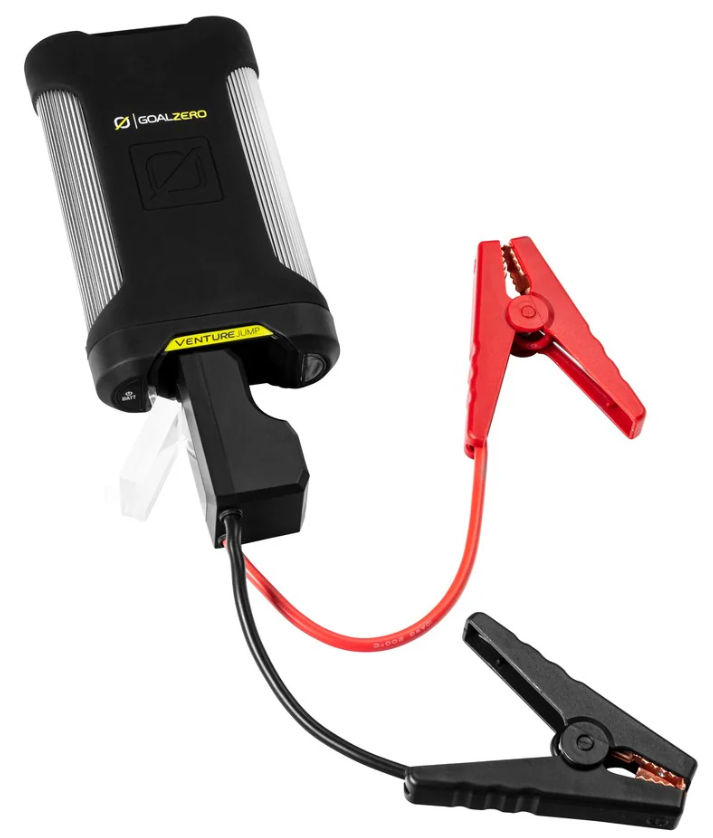
Best Rugged Power Bank — Goal Zero Venture 75
The Goal Zero Venture 75 is useful in an Alaska emergency kit because it gives you rugged backup power for phones, small devices, headlamps, GPS units, and other electronics.
During a road trip, power can become a real issue if you are delayed, camping, stuck waiting, or trying to keep devices alive without running the vehicle constantly. A rugged power bank gives you another layer of backup.
This is especially useful for travelers who are camping, driving remote routes, taking long road trips, or building a more serious vehicle kit.
Best for: Backup power, road trips, camping, emergency kits, phones, GPS devices, rugged travel, and remote areas.
Check Price on Amazon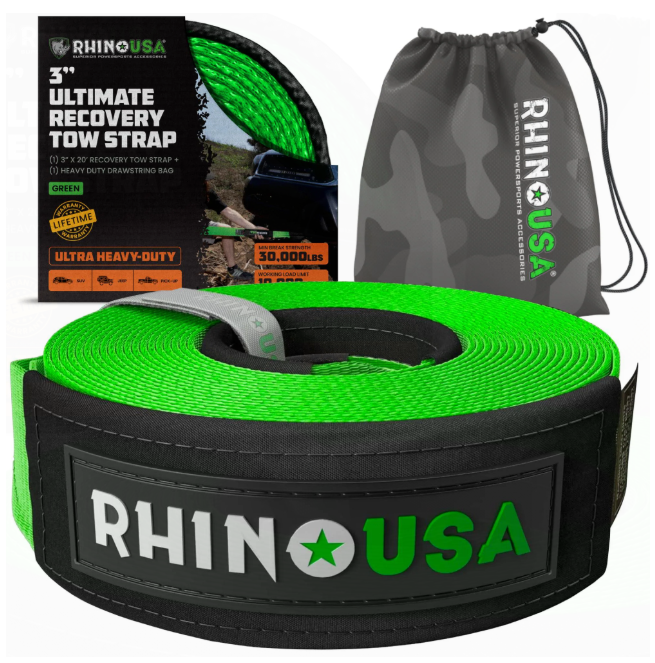
Best Recovery Strap — Rhino USA Recovery Tow Strap
A recovery strap is not necessary for every traveler, but it can be useful for vehicle-based trips, gravel roads, camping areas, snowy conditions, muddy pullouts, and remote travel where getting stuck is possible.
The Rhino USA Recovery Tow Strap is better suited for people who understand basic vehicle recovery and are traveling in conditions where it may realistically be needed. It should be used carefully and appropriately.
If your Alaska trip is mostly cruise ports and paved highways, this may be more than you need. If you are driving remote roads, traveling in winter, camping, or exploring rougher areas, it may be worth having.
Best for: Remote roads, snow, mud, vehicle recovery, camping, winter driving, gravel routes, and more serious road trip preparedness.
Check Price on AmazonEmergency Gear Comparison Chart
| Product | Best For | Gear Type | Best Use | Vehicle Kit Value | Alaska Suitability | Price Range |
|---|---|---|---|---|---|---|
| NOCO Boost Plus GB40 | Jump Starting | Jump starter | Dead batteries | Excellent | Excellent | $$$ |
| DEWALT Tire Inflator | Tire Pressure | Tire inflator | Low tires | Excellent | Excellent | $$$ |
| Arcturus Emergency Blanket | Warmth | Emergency blanket | Cold and delays | Very Good | Excellent | $ |
| Adventure Medical Kits Mountain Series | First Aid | First aid kit | Minor injuries | Excellent | Excellent | $$ |
| Energizer Jumper Cables | Battery Backup | Jumper cables | Vehicle jump start | Very Good | Very Good | $ |
| RHINO USA Folding Shovel | Snow and Mud | Folding shovel | Digging and clearing | Very Good | Very Good | $$ |
| HOKENA LED Road Flares | Visibility | LED flares | Roadside safety | Excellent | Excellent | $$ |
| Coast G32 Flashlight | Lighting | Flashlight | Darkness and signaling | Excellent | Very Good | $$ |
| Goal Zero Venture 75 | Backup Power | Rugged power bank | Phones and devices | Very Good | Very Good | $$$ |
| Rhino USA Recovery Tow Strap | Recovery | Tow strap | Vehicle recovery | Good | Good | $$ |
Why Emergency Gear Matters in Alaska
Emergency gear matters in Alaska because distances are large and help may not be immediate. Even on major highways, there can be long stretches between towns, cell service, repair shops, or easy assistance.
Most road trip emergencies are not dramatic disasters. They are dead batteries, low tires, minor injuries, cold waits, low visibility, bad weather, and delays that stretch longer than expected. Having the right gear helps you stay calm and solve small problems.
A good emergency kit does not mean you expect something bad to happen. It means you are prepared enough that a small problem does not ruin the whole trip.
Dead Batteries and Jump Starting
Dead batteries are common enough that every vehicle should have a plan. Cold weather, old batteries, interior lights, phone charging, and long stops can all contribute to battery trouble.
A portable jump starter gives you independence. Jumper cables give you a backup option if another vehicle is available. Together, they create a stronger system than relying on either one alone.
Before your trip, learn how your jump starter works and make sure it is charged. Emergency gear only helps if it is ready when you need it.
Tire Pressure and Roadside Problems
Tire pressure can change with temperature, and Alaska driving can include long highways, gravel shoulders, construction zones, potholes, and rougher road surfaces. A tire inflator helps you manage low pressure before it becomes a bigger problem.
This is especially useful if you are driving remote stretches or traveling in winter. Being able to add air yourself gives you more flexibility and buys time if you are trying to reach a safer location or service station.
A tire inflator does not replace a spare tire, repair kit, or roadside assistance, but it is one of the most useful tools to keep in the vehicle.
Staying Warm While Waiting
Staying warm matters in Alaska, even outside deep winter. Weather can turn cold quickly, and a roadside wait can feel much longer when you are wet, tired, or underdressed.
Emergency blankets, extra layers, gloves, hats, and warm drinks all help. In winter, this category becomes much more serious and should include a full cold-weather vehicle kit.
Do not assume you will only be outside for a minute. Prepare for the possibility of waiting.
Visibility and Roadside Safety
Visibility is one of the most important parts of roadside safety. Other drivers need to see you, especially during darkness, rain, fog, snow, or low light.
LED road flares, flashlights, headlamps, reflective gear, and hazard lights all help make a roadside situation safer. Being visible is especially important on highways where vehicles may be moving quickly.
If you have to pull over, choose the safest location you can and make your vehicle as visible as possible.
Winter and Shoulder Season Travel
Winter and shoulder season travel require more preparation than summer road trips. Cold temperatures, darkness, snow, ice, and fewer travelers on the road all increase the importance of a real vehicle emergency kit.
For winter, add heavier blankets, winter clothing, gloves, hats, boots, hand warmers, food, water, traction aids, a shovel, ice scraper, and enough supplies to wait safely if needed.
Summer kits are helpful. Winter kits are serious.
Common Emergency Kit Mistakes
One common mistake is buying emergency gear and never checking it. Jump starters need to be charged, batteries need to be fresh, first aid kits need to be stocked, and flashlights need to work.
Another mistake is packing emergency gear somewhere inaccessible. If everything is buried under luggage, coolers, and bags, it becomes harder to use when you actually need it.
A third mistake is thinking summer means no emergency preparation is needed. Alaska summer travel is easier than winter, but long distances, weather, construction, and remote areas still matter.
Frequently Asked Questions
Do I need an emergency kit for an Alaska road trip?
Yes. Even if you are driving major highways, an emergency kit is smart. Alaska has long distances between services, limited cell coverage in some areas, unpredictable weather, and stretches where help may not arrive immediately. A basic kit helps you handle common problems like dead batteries, low tires, minor injuries, cold waits, and roadside visibility.
What should be in an Alaska road trip emergency kit?
A good Alaska road trip emergency kit should include a jump starter, jumper cables, tire inflator, first aid kit, emergency blanket, flashlight or headlamp, road flares or visibility lights, backup power, water, snacks, and seasonal clothing. In winter, add heavier cold-weather gear, a shovel, traction aids, hand warmers, and more supplies for waiting safely.
Do I need both jumper cables and a jump starter?
You do not absolutely need both, but having both is better. A portable jump starter lets you help yourself when no one else is nearby. Jumper cables are useful if another vehicle is available or if your jump starter is not charged. In Alaska, redundancy is practical because help may not be immediate.
Is a tire inflator worth carrying in Alaska?
Yes. A tire inflator is one of the most useful vehicle tools you can carry. Tire pressure can change with temperature, and Alaska roads may include gravel, construction zones, potholes, and long stretches between service stations. A tire inflator can help you manage low pressure before it becomes a bigger problem.
What emergency gear do I need for winter driving in Alaska?
Winter driving requires a more serious kit. Bring a jump starter, jumper cables, tire inflator, shovel, emergency blankets, warm clothing, gloves, hats, boots, hand warmers, traction aids, flashlight, first aid kit, water, food, and backup power. Winter conditions can make waiting dangerous if you are not prepared to stay warm.
Should I carry a recovery strap?
A recovery strap is useful for some travelers but not necessary for everyone. If you are sticking to major paved highways in summer, you may not need one. If you are driving remote roads, camping, traveling in snow, using gravel routes, or exploring areas where getting stuck is realistic, a recovery strap may be worth carrying. Use it only if you understand safe recovery practices.
Final Thoughts
An Alaska road trip emergency kit does not need to be complicated, but it should be intentional. Focus on the problems that are most likely: battery issues, tire pressure, cold weather, minor injuries, low visibility, delays, and keeping devices charged.
A jump starter, tire inflator, emergency blanket, first aid kit, jumper cables, shovel, LED flares, flashlight, rugged power bank, and recovery strap can make a strong vehicle emergency setup for Alaska travel.
Alaska road trips are more enjoyable when you are prepared. The goal is not to worry about every possible problem. The goal is to carry enough useful gear that small problems stay small.