
Birch Trees in Alaska
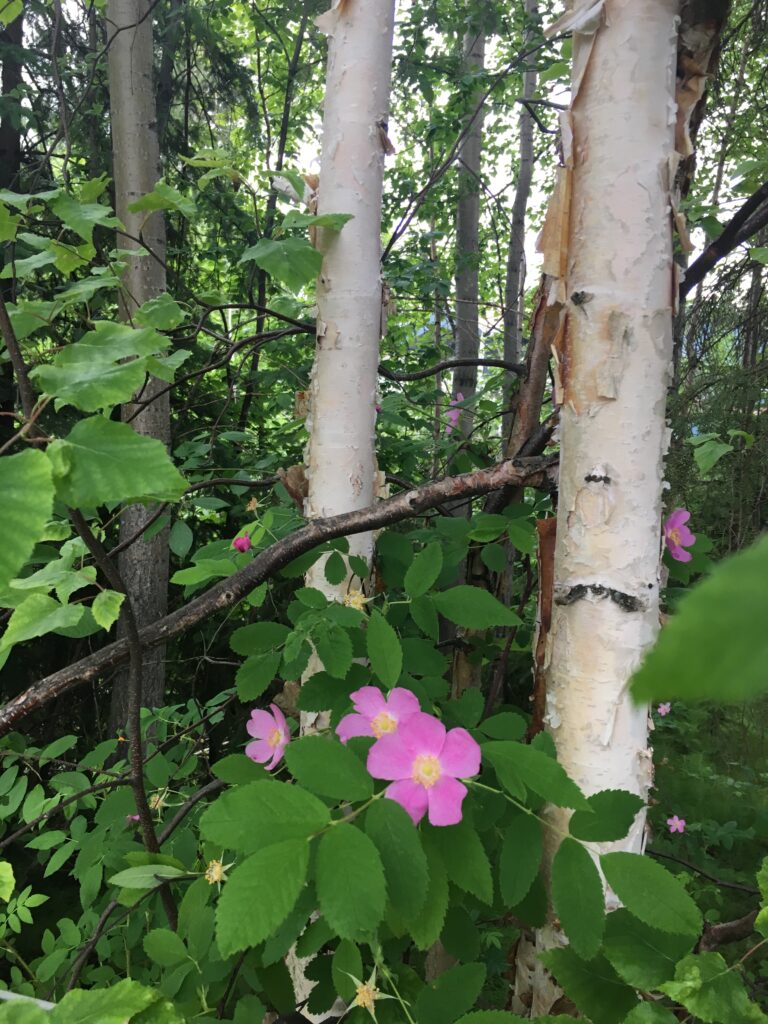
Birch Trees of Alaska
If you’ve spent time in Interior or Southcentral Alaska, you’ve seen birch.
White bark peeling in thin curls. Dark horizontal markings across the trunk. Bright yellow leaves in the fall. They stand out against spruce, especially when light hits them.
Birch isn’t just a pretty tree here. It’s useful.
Where Birch Trees Grow
Birch trees are common in:
-
Interior Alaska
-
Southcentral Alaska
-
Mixed boreal forest
-
Areas that have regenerated after wildfire
They grow well in open light and well-drained soil. After a burn, birch often comes back quickly. In many places, it’s one of the first trees to help rebuild the forest.
Birch and Fire
If you’ve ever built a fire in Alaska, you probably know birch bark.
Dry birch bark lights fast. Even when the outside feels damp, the natural oils in the bark help it catch quickly. It’s one of the best natural fire starters in the woods.
Birch wood itself burns hot and steady once it’s seasoned. It’s commonly used as firewood across the Interior. It splits fairly clean and gives off good heat during long winters.
In the fall, fallen birch leaves also make excellent kindling when dry.
Birch is part of cabin life for a reason.
Birch Sap and Birch Water
In early spring, before leaves come out, birch trees begin pushing sap upward. That sap can be collected and boiled down into birch syrup.
Before it’s reduced, it’s often referred to as birch water. Fresh sap has a very mild sweetness and a clean taste. Some people drink it during tapping season. Most boil it down.
Birch syrup is darker and more mineral-rich than maple syrup. It’s often used in:
-
Salmon glazes
-
Wild game marinades
-
Pancakes
-
Sauces
It takes a lot of sap to make a small amount of syrup, which is part of why birch syrup feels like a seasonal specialty.
Wildlife and Ecology
Young birch growth is browsed by moose. The trees also provide habitat and contribute to soil recovery after fire.
In many parts of Alaska, birch and spruce grow together, shaping the look and feel of the boreal forest.
Tapping Birch Trees
If you’re interested in tapping birch for sap, it happens in early spring when days rise above freezing and nights still drop cold.
Tapping needs to be done carefully to avoid harming the tree. It requires proper timing and the right tools.
(Internal link future page: How to Tap Birch Trees in Alaska)
That page will cover when to tap, how to drill safely, and what basic tools are needed.
For now, birch trees are more than background scenery. They’re part of firewood piles, spring syrup, fall color, and the everyday rhythm of living here.