
Balsam Poplar in Alaska
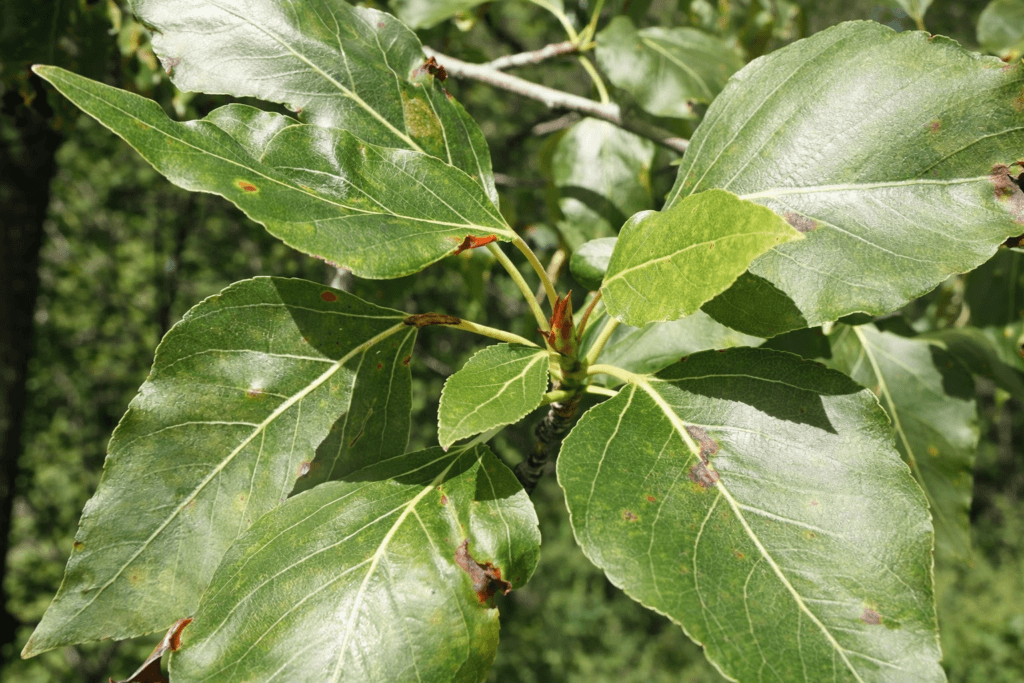
Balsam Poplar in Alaska
If you follow an Alaska river long enough, you’ll likely walk beneath balsam poplar. It is a defining tree of riparian landscapes and an early colonizer after disturbance. Balsam poplar is one of the most common deciduous trees along Alaska’s river systems. Tall and fast-growing, it thrives in floodplains and moist soil where other trees struggle. In many Interior and Southcentral valleys, balsam poplar lines rivers in long green corridors.
Where Balsam Poplar Grows
Balsam poplar is most common in:
• Interior Alaska
• River corridors
• Floodplains
• Wetland edges
• Disturbed soil after flooding
It grows quickly in open, sunny areas and tolerates shifting soils better than many other tree species.
Identifying Balsam Poplar
You can identify balsam poplar by:
• Heart-shaped to oval leaves
• Smooth gray bark when young
• Fragrant sticky buds in spring
• Tall, upright growth
In spring, the buds release a strong balsam scent, which gives the tree its name.
Ecological Role
Balsam poplar plays a key role in:
• Stabilizing riverbanks
• Providing shade along streams
• Supporting nesting birds
• Offering browse for moose
Its root systems help hold soil in place during seasonal flooding.
Traditional and Practical Uses
Balsam poplar buds have historically been used in salves and balms. The wood itself burns quickly and is sometimes used as kindling.
A sharp pruning saw can help safely collect fallen branches for firewood or small projects without damaging living trees.