
Water Hemlock
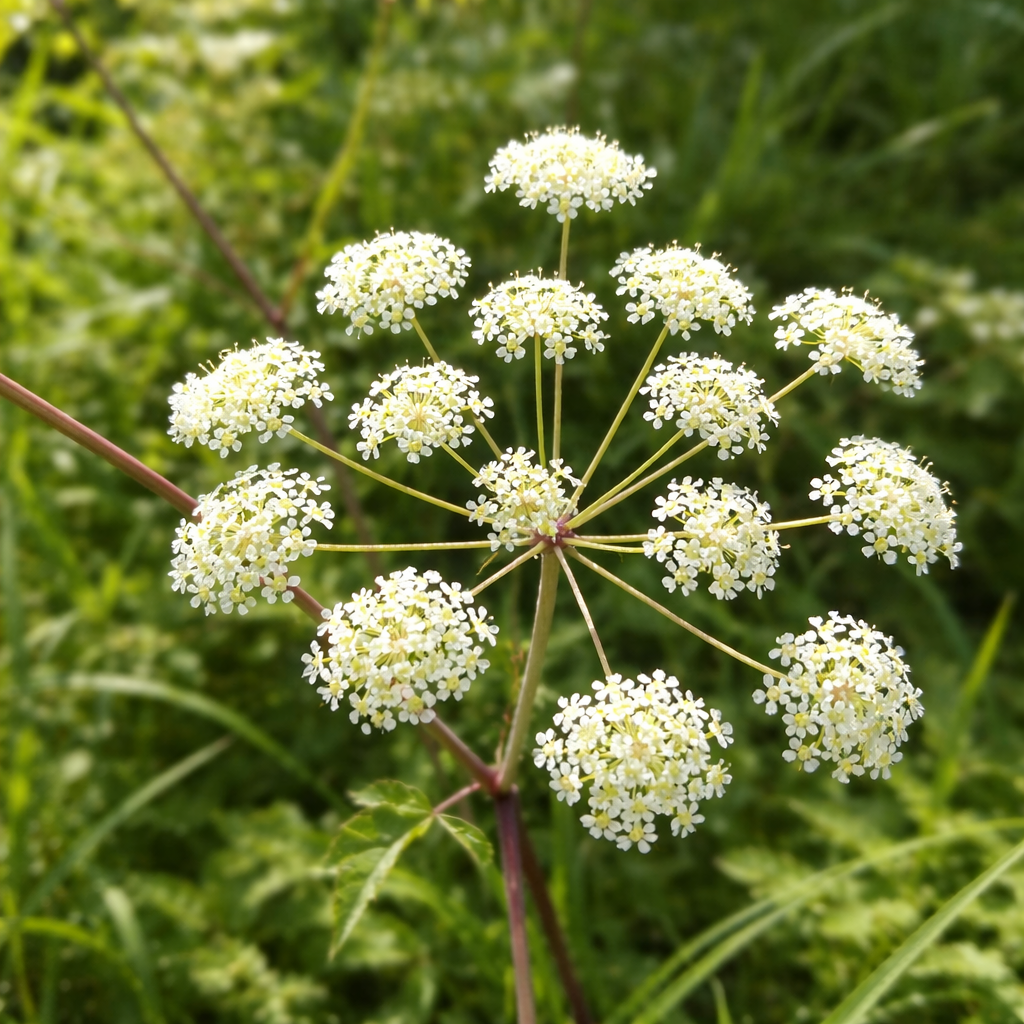
Water Hemlock in Alaska
Water Hemlock is widely considered the most poisonous plant in North America, and it is found in Alaska. It may look similar to harmless plants in the carrot family, but even a small amount can be fatal.
This is a plant you need to recognize and avoid completely.
What It Is
Water Hemlock (Cicuta species) is a perennial plant that grows in wet environments and produces clusters of small white flowers.
It belongs to the carrot family, which includes both edible and highly toxic plants—making identification critical.
Where It Grows
Water Hemlock is almost always found near water. It commonly grows:
- Along riverbanks and streams
- In marshes and wetlands
- In ditches and low-lying areas
- Around ponds and lake edges
If the ground is wet, this plant may be nearby.
Plant Characteristics
Water Hemlock typically grows 2 to 6 feet tall.
Key features include:
- White umbrella-shaped flower clusters (umbels)
- Hollow, smooth stems
- Bright green, sharply toothed leaves
- Thick, tuberous root system
The roots are the most dangerous part of the plant.
Flowers & Seasonal Changes
Water Hemlock blooms in summer, producing clusters of small white flowers similar to other carrot-family plants.
This similarity is what makes it so dangerous.
Toxicity & Danger
Water Hemlock is extremely toxic in all parts of the plant, but especially the roots.
It contains cicutoxin, which affects the central nervous system.
Symptoms can occur quickly and include:
- Violent seizures
- Nausea and vomiting
- Confusion
- Respiratory failure
Even a small amount can be fatal within a short time.
Why It’s Dangerous
Water Hemlock is especially dangerous because:
- It closely resembles edible plants
- It grows in areas where people gather water or forage
- The roots can be mistaken for edible tubers
- Toxic effects happen rapidly
This is not a “mildly toxic” plant—this is a high-risk, deadly plant.
Looks Similar To (Important Warning)
Water Hemlock is often confused with other white-flowered plants, including both harmless and dangerous species.
Key Differences
Water Hemlock:
- Grows in wet or marshy areas
- Thick, chambered root system
- Extremely toxic
Poison Hemlock:
- Grows in more disturbed, dry areas
- Purple-spotted stems
- Highly toxic but different structure
Cow Parsnip:
- Much larger leaves
- Hairy stems
- Causes skin burns, not typically fatal
The One Thing You Never Ignore
If a plant has:
- White umbrella-shaped flowers
- AND is growing in or near water
Do not touch or consume any part of it.
Medicinal & Historical Notes
Water Hemlock has no safe medicinal use and has historically been known only as a deadly poisonous plant.
It should never be used in any home remedy or experiment.
Identification Tips
- White flower clusters (umbrels)
- Found in wet environments
- Smooth stems
- Thick, dangerous root system
Location (wet ground) is one of the biggest clues.
Why It Matters in Alaska
Water Hemlock is critical for safety awareness:
- It is one of the most toxic plants in the region
- It grows in common outdoor environments
- It is easily confused with other plants
Knowing how to identify Water Hemlock can prevent life-threatening mistakes.