
Monkshood
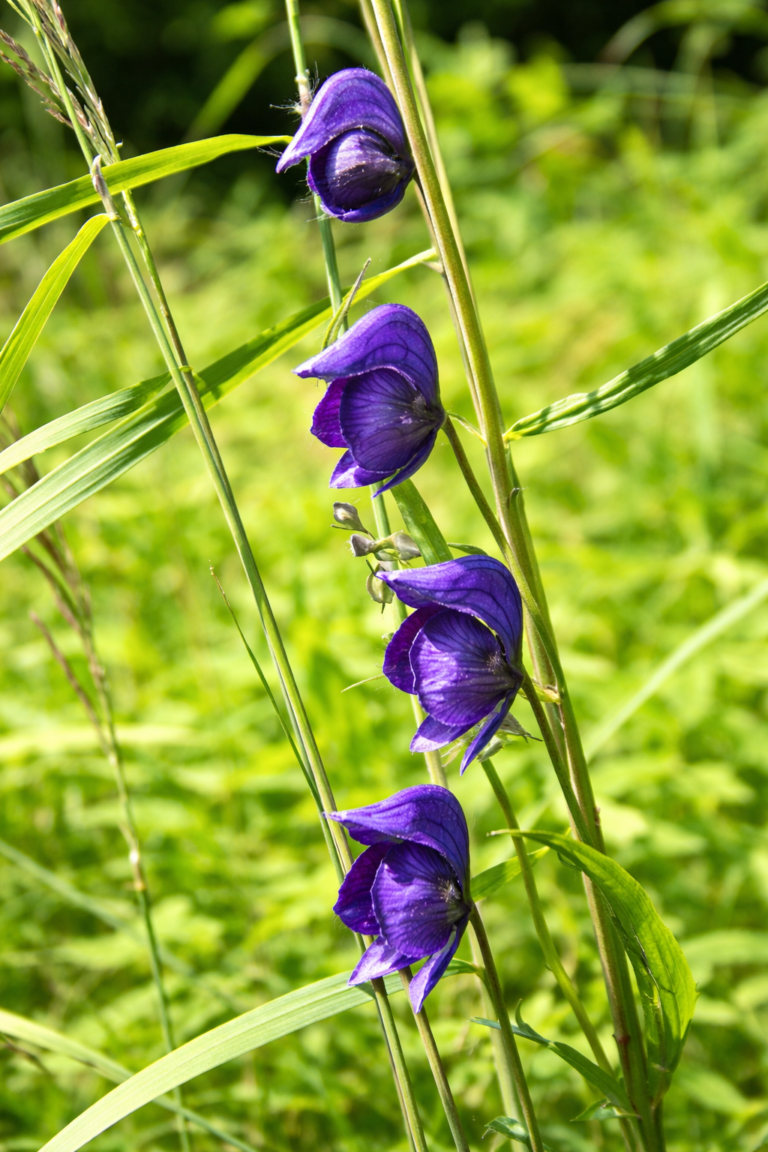
Monkshood in Alaska
Monkshood is one of the most visually striking—and most dangerous—plants found in Alaska. Its deep blue to purple flowers stand out in meadows and along streams, but behind that beauty is one of the most toxic plants in the state.
What It Is
Monkshood (Aconitum species), also known as wolfsbane, is a perennial flowering plant recognized by its unique hood-shaped blooms.
It grows upright and produces tall spikes of flowers, making it easy to spot in the wild.
Where It Grows
Monkshood is found across parts of Alaska, especially in moist, cooler environments. It commonly grows:
- Along streambanks and river edges
- In moist meadows
- In forest clearings
- In subalpine and mountain regions
It prefers rich soil and consistent moisture.
Plant Characteristics
Monkshood typically grows 2 to 5 feet tall with a strong vertical presence.
Key features include:
- Deep blue to purple hood-shaped flowers
- Tall flowering spikes
- Dark green, deeply lobed leaves
- Smooth, upright stems
The “hood” shape of the flower is its most recognizable trait.
Flowers & Seasonal Changes
Monkshood blooms in mid to late summer, producing tall spikes of clustered flowers.
The blooms are often among the most vibrant blues found in Alaska’s wildflowers.
Toxicity & Danger
Monkshood is extremely toxic—one of the most poisonous plants in Alaska.
It contains powerful compounds (aconitine) that affect the nervous system and heart.
Exposure can occur through:
- Ingestion
- Skin contact (especially through cuts or prolonged handling)
Symptoms can include:
- Tingling or numbness
- Nausea and vomiting
- Irregular heartbeat
- Paralysis
In severe cases, it can be fatal.
Why It’s Dangerous
Monkshood is especially dangerous because:
- It is highly toxic even in small amounts
- It can affect you through skin contact
- It grows in areas where people hike or gather plants
- Its flowers are attractive and eye-catching
There is no safe way to handle or consume this plant casually.
Medicinal & Historical Notes
Historically, monkshood has been used in extremely controlled ways for medicinal and even hunting purposes (such as poison-tipped arrows).
However, these uses require precise knowledge and processing—it is not a plant for home use under any circumstances.
Identification Tips
- Hood-shaped blue or purple flowers
- Tall vertical flower spikes
- Deeply lobed leaves
- Found in moist, cool environments
The hooded flower shape makes it one of the easier dangerous plants to identify.
Why It Matters in Alaska
Monkshood is important primarily for awareness and safety:
- It is one of the most toxic native plants
- It grows in accessible outdoor areas
- It serves as a key example of why plant identification matters
Understanding monkshood can help prevent serious accidents while exploring Alaska’s landscapes