
Foxglove
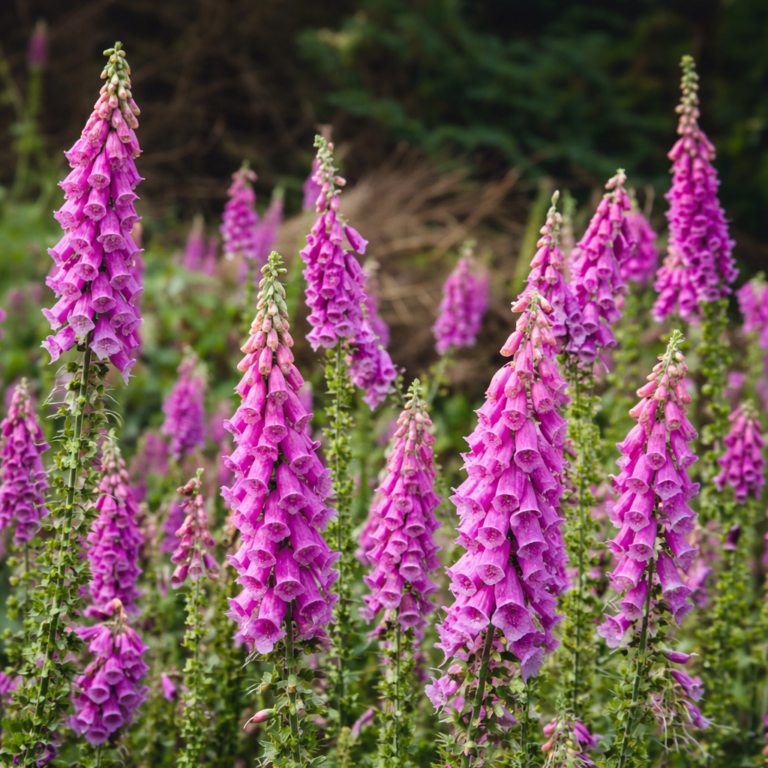
Foxglove in Alaska
Foxglove is a striking plant known for its tall spikes of purple, bell-shaped flowers. While it can occasionally be found in Alaska, especially in disturbed or garden-adjacent areas, it is best known for one important fact—it is highly toxic.
What It Is
Foxglove (Digitalis purpurea) is a biennial or short-lived perennial plant that produces tall flowering stalks covered in tubular blooms.
It is widely recognized for both its ornamental beauty and its powerful chemical compounds.
Where It Grows
Foxglove is not native to most of Alaska but can still be found in certain areas. It commonly grows:
- Near homes and gardens
- In disturbed soils or roadsides
- In coastal or milder regions of Alaska
- In areas where it has been introduced
It is more common in Southeast and Southcentral Alaska than in interior or Arctic regions.
Plant Characteristics
Foxglove grows tall and upright, often reaching 2 to 5 feet in height.
Key features include:
- Tall vertical flower spikes
- Purple, pink, or white bell-shaped flowers
- Speckled patterns inside the flowers
- Large, soft leaves at the base
Its height and flower shape make it easy to identify.
Flowers & Seasonal Changes
Foxglove blooms in summer, producing long stalks filled with downward-facing tubular flowers.
The blooms are often visited by pollinators, especially bees.
Toxicity & Danger
Foxglove is extremely toxic and potentially deadly.
It contains compounds called cardiac glycosides, which directly affect the heart.
Even small amounts can cause:
- Nausea and vomiting
- Irregular heartbeat
- Confusion or dizziness
- Serious heart complications
In severe cases, ingestion can be fatal.
This is not a plant to experiment with—all parts of the plant are toxic.
Why It’s Dangerous
Foxglove can be especially risky because:
- It is visually appealing and often planted intentionally
- It may grow near edible or harmless plants
- Its flowers can attract curiosity, especially from children
There is no safe way to consume this plant without controlled medical processing.
Medicinal & Historical Notes
Foxglove has been used in modern medicine to produce heart medications (such as digitalis), but this is done in controlled pharmaceutical settings.
In the wild, it should never be used as a home remedy.
Identification Tips
- Tall stalk with rows of bell-shaped flowers
- Purple or pink blooms with spotted interiors
- Large leaves at the base
- Grows upright and noticeable
It is one of the easier plants to identify due to its height and flower shape.
Why It Matters in Alaska
Foxglove is important to recognize for safety reasons:
- It poses a risk to people and pets
- It may appear in residential or disturbed areas
- It is a well-known example of a toxic plant
Understanding plants like foxglove helps prevent dangerous mistakes when exploring or foraging.