
Bluebells in Alaska
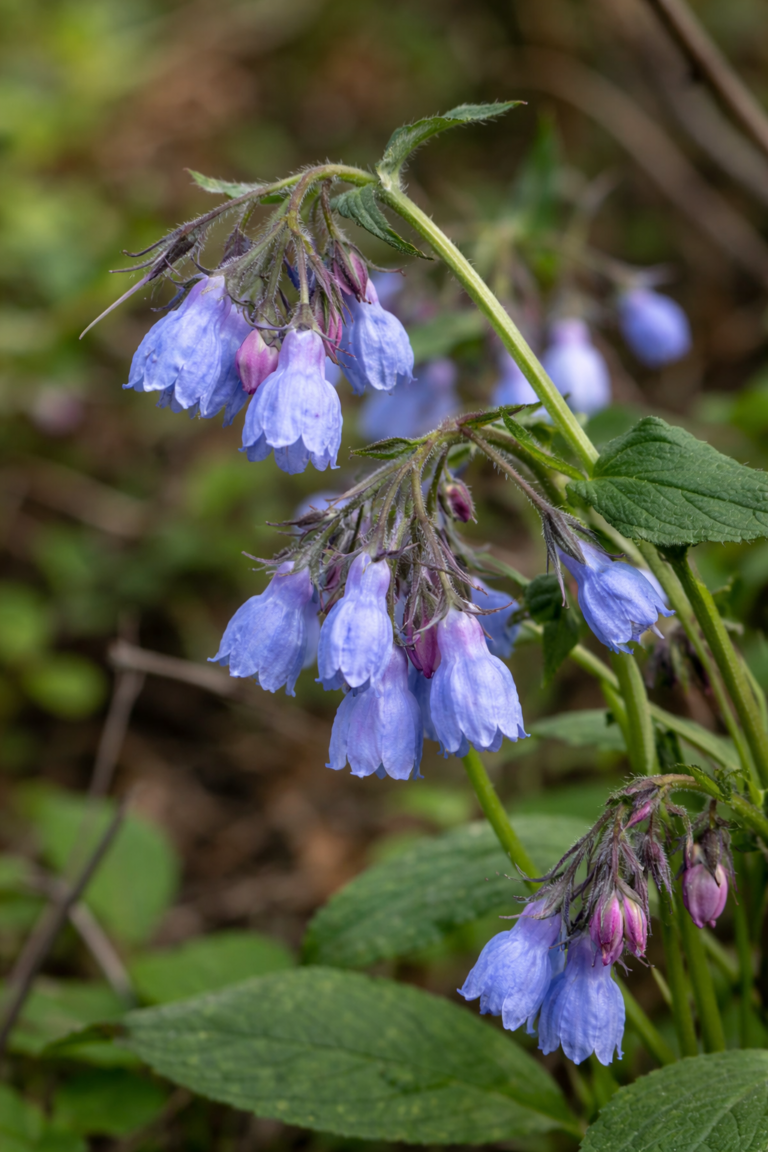
Bluebell in Alaska
Bluebell is a soft, drooping flower often found in moist forest environments and along waterways. Its blue-purple blooms hang in clusters, giving it a delicate appearance despite the rugged environments where it grows.
What It Is
Bluebell (Mertensia paniculata) is a perennial flowering plant adapted to moist, cool environments. It is commonly found in forested and riparian areas across Alaska. It is part of the borage family and is known for its distinctive bell-shaped flowers.
Where It Grows
Bluebell is found in a variety of moist environments. It commonly grows:
• Along streams and riverbanks
• In moist forest understories
• In shaded woodland areas
• Near wetlands and damp soils
It prefers areas with consistent moisture and partial shade.
Plant Characteristics
Bluebell grows upright and can reach moderate height compared to other forest flowers.
Key features include:
• Soft green leaves
• Smooth stems
• Clustered flower heads
• Drooping growth pattern
The plant often grows in loose groups rather than dense patches.
Flowers & Seasonal Changes
Bluebell blooms in late spring through summer.
The flowers are:
• Blue to purple
• Bell-shaped
• Hanging downward in clusters
The drooping shape helps distinguish it from other similar-colored flowers.
Edibility & Toxicity
Bluebell is not commonly used for food.
While not considered highly toxic, it is not a plant typically consumed and should not be eaten without proper knowledge.
Why It’s Important
Bluebell contributes to forest and riparian ecosystems:
• Provides nectar for insects
• Adds diversity to moist forest environments
• Supports pollinators during the growing season
It is part of the understory that helps balance forest ecosystems.
Identification Tips
• Blue or purple drooping flowers
• Bell-shaped blooms in clusters
• Found in moist, shaded environments
• Grows near water or damp forest ground
Its hanging flowers are the easiest way to recognize it.
Why It Matters in Alaska
Bluebell adds color and depth to Alaska’s forest environments.
It thrives in areas where moisture is constant, helping define the look and feel of riparian and woodland ecosystems.
It’s a quiet but important part of Alaska’s growing season.