
Alaska Spirea
Alaska Spirea
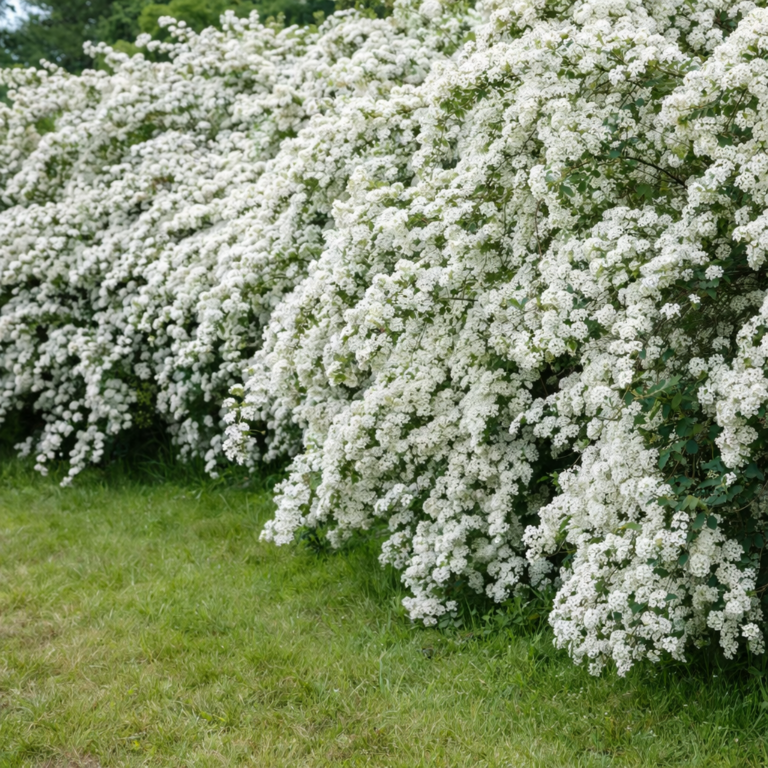
Alaska Spirea is a low-growing flowering shrub commonly found across Alaska’s wetlands, riverbanks, and open landscapes. In summer, it produces clusters of small white flowers that stand out against green foliage, adding subtle color to otherwise rugged terrain.
What It Is
Alaska Spirea (Spiraea beauverdiana) is a deciduous shrub that typically grows low to the ground, spreading outward in dense patches. It is well adapted to cold climates and thrives in moist environments.
This shrub is known for its soft, clustered white blooms and fine-textured leaves, giving it a lighter, more delicate appearance compared to other Alaska shrubs.
Where It Grows
Alaska Spirea is found throughout Interior and Southcentral Alaska, especially in areas with consistent moisture. It commonly grows:
- Along riverbanks and streams
- In wetlands and boggy ground
- In open tundra and lowland areas
- Along forest edges and clearings
It often grows alongside willows, alders, and other moisture-loving shrubs.
Shrub Characteristics
Alaska Spirea typically grows 1 to 3 feet tall, forming dense, low shrubs. It spreads outward rather than growing tall, making it well suited to withstand wind and harsh conditions.
Key features include:
- Small, oval green leaves
- Thin woody stems
- Rounded clusters of white flowers
- Compact, spreading growth
Flowers & Seasonal Changes
The plant blooms in summer, producing clusters of tiny white flowers that form rounded shapes across the shrub.
In fall, the leaves may shift to yellow tones before dropping, blending into Alaska’s seasonal landscape changes.
Edibility & Use
Alaska Spirea is not commonly used as a food source. Unlike berry-producing shrubs, it does not produce edible fruit typically used for consumption.
However, it plays an important supporting role in the environment and is occasionally noted in traditional plant knowledge.
Medicinal & Traditional Notes
While not as widely used as other Alaska plants, Spirea species in general have been associated with mild traditional uses, particularly related to natural compounds similar to salicylates.
In Alaska, its role is more ecological than medicinal, and it is not commonly harvested for remedies compared to plants like yarrow or Labrador tea.
Identification Tips
- Low, spreading shrub
- Clusters of small white flowers
- Grows in moist or wet areas
- Fine-textured leaves and stems
It is often confused with other small flowering shrubs, but its dense clusters of tiny white blooms are a strong identifier.
Why It Matters in Alaska
Alaska Spirea plays an important role in local ecosystems:
- Helps stabilize soil in wet areas
- Provides habitat for insects and small wildlife
- Contributes to plant diversity in tundra and wetlands
While it may not be as well known as berry-producing plants, it is a consistent part of Alaska’s landscape and seasonal growth.