
Humpback Whales in Alaska
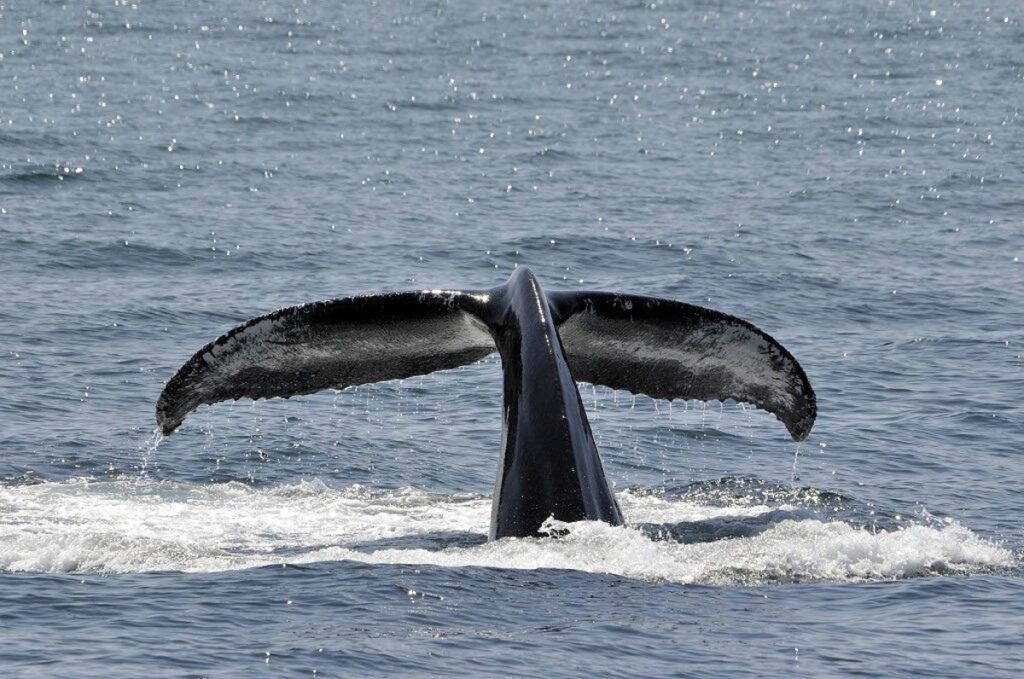
Seeing a humpback whale surface in Alaska never really gets old. One slow roll of a massive dark back, a long white pectoral fin breaking the surface, then the lift of a tail before it slips back under. It’s quiet power.
Alaska’s summer waters become feeding grounds for humpbacks. After spending winter months in warmer southern breeding areas, they return north to take advantage of rich, cold currents packed with fish and krill.
Identification
Humpback whales are large baleen whales with distinct features that make them easier to recognize than you might expect.
Size: 40–50 feet long
Pectoral fins: Extremely long — up to one-third of their body length
Back: Knobby ridges near the head
Tail (fluke): Broad and patterned, often raised high before deep dives
Each tail pattern is unique, almost like a fingerprint.
Their blows are tall and bushy, often visible before the body surfaces.
Where You’ll See Them in Alaska
Humpbacks are common in:
Southeast Alaska (Inside Passage)
Glacier Bay
Kenai Fjords
Prince William Sound
Gulf of Alaska
They prefer coastal waters rich in schooling fish.
Boat-based wildlife tours offer the best opportunity to observe them safely. Shoreline sightings do happen, especially from elevated coastal viewpoints, but they’re less predictable.
Seasonal Patterns
Arrival: Late spring
Feeding season: Summer through early fall
Behavior: Bubble-net feeding, tail slapping, breaching
Departure: Fall migration south
In Alaska, humpbacks are focused on feeding. You’ll often see cooperative feeding behaviors where multiple whales work together to corral fish.
Watching from the water means preparing for shifting weather. Even in midsummer, coastal wind and spray can drop temperatures quickly. Layered waterproof outerwear makes long viewing trips far more comfortable than most visitors expect.
Humpbacks were once heavily reduced by commercial whaling, but populations have rebounded significantly. Today, they are one of Alaska’s most reliable and dramatic marine wildlife encounters.