
Gray Whales in Alaska
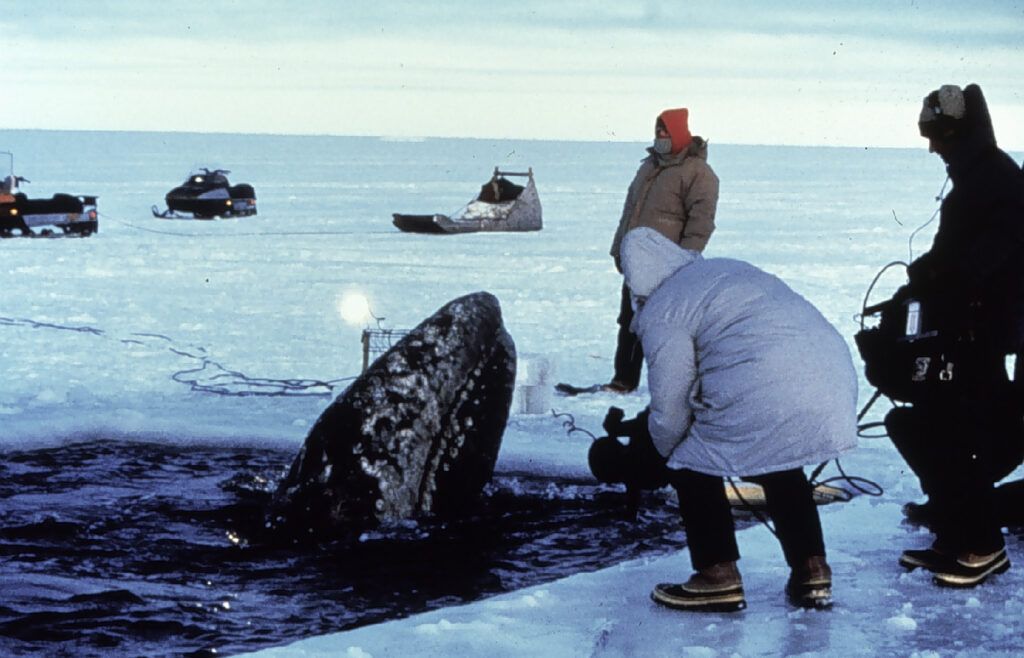
Gray whales don’t move with flash or spectacle. They roll forward with steady purpose, often close to shore, sometimes stirring up the bottom as they feed. If humpbacks feel powerful and dramatic, gray whales feel ancient and deliberate.
Each spring, they pass Alaska’s coastline as part of one of the longest migrations of any mammal on earth.
Identification
Gray whales are large baleen whales with a distinctive, textured appearance.
Color: Dark gray with lighter mottling and patches from barnacles
Size: 40–50 feet long
Back: Knuckled ridges along the spine instead of a dorsal fin
Blow: Short and heart-shaped in calm conditions
Unlike orcas, you won’t see a tall dorsal fin. Instead, a series of small humps follows the blowhole as they surface.
Their skin often carries scars and barnacle patches, giving them a rough, weathered look.
Where You’ll See Them in Alaska
Gray whales are most often seen:
Along the Gulf of Alaska coastline
Near Kodiak Island
Off Southeast Alaska
In the Bering and Chukchi Seas during summer feeding
During migration, they often travel close to shore, making land-based viewing possible from certain coastal points.
Boat tours increase sighting chances, but patient shoreline observers sometimes catch passing blows on clear days.
Seasonal Patterns
Northbound migration: Spring
Summer feeding: Northern Bering and Chukchi Seas
Southbound migration: Fall
Gray whales migrate between breeding lagoons in Baja California and feeding grounds in northern waters, including Alaska.
In feeding areas, they often roll to one side and scoop sediment from the seafloor, filtering out small crustaceans. This bottom-feeding behavior can leave visible mud plumes in shallow water.
Gray whales were heavily impacted by commercial whaling but have largely recovered in the eastern North Pacific population. Today, they remain a steady seasonal presence along Alaska’s coast.
Coastal viewing conditions can be unpredictable. Fog, wind, and shifting light make patience important. A stable pair of binoculars helps pick up distant blows along the horizon, especially during migration season. Gray whales don’t usually breach like humpbacks. Watching them is quieter — a slow roll, a low blow, then a steady disappearance beneath cold northern water.