
Gray Wolf in Alaska
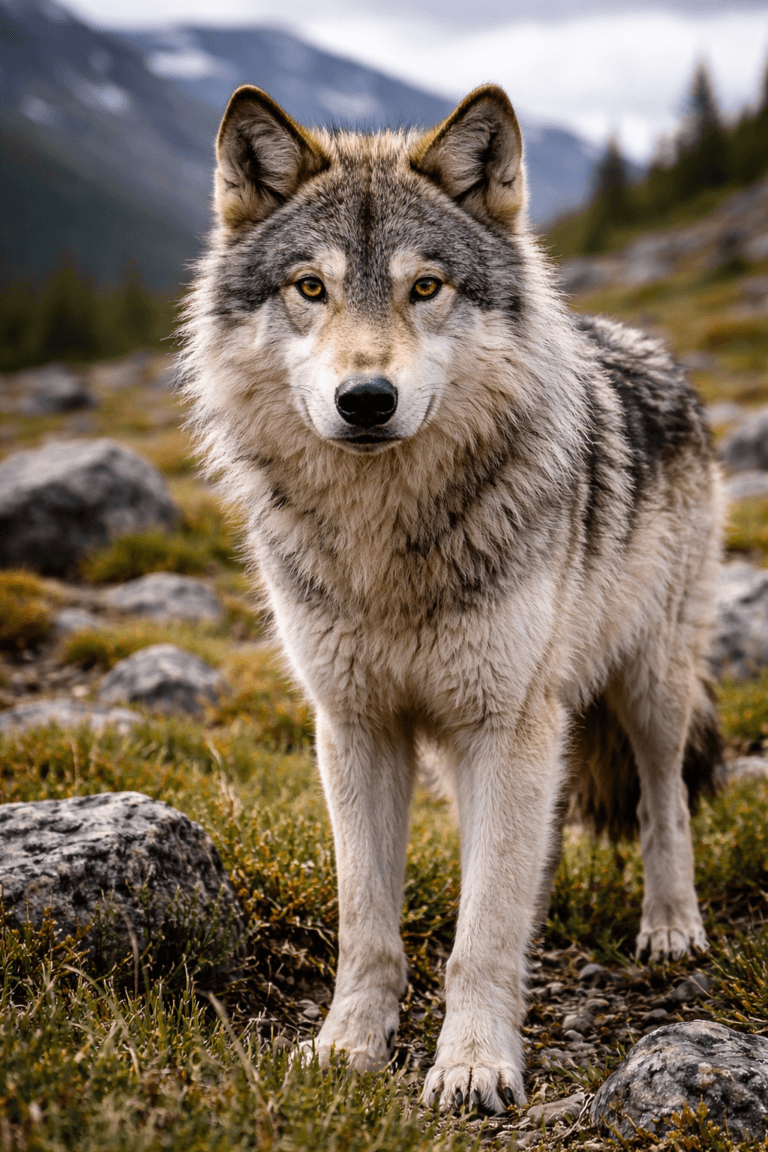
Gray Wolf in Alaska
If you’ve heard a long, rising howl carry across frozen air, you don’t forget it.
Gray wolves are found across much of Alaska — from Interior forests to Arctic tundra.
Most people never see one.
They see tracks. They hear them at night. They notice the absence of other sound.
Wolves move efficiently. They don’t wander casually. When you see one, it’s usually moving with purpose.
Where They Live
Gray wolves prefer:
• Interior forests
• Tundra regions
• Remote river valleys
• Mountain foothills
• Areas with large prey populations
They avoid dense human development.
If you’re far from towns and roads, especially in Interior Alaska, you’re in wolf country.
When You Might Notice Them
Year-round.
Winter is the easiest time to track wolves. Fresh snow reveals movement patterns clearly.
You’re more likely to see:
• Tracks in snow
• Scat along trails or frozen rivers
• Distant silhouettes at dawn or dusk
Actual close encounters are rare.
How to Identify Them
Key traits:
• Larger than coyotes
• Broad head
• Long legs
• Thick winter coat
• Bushy tail carried straight
Tracks are one of the best clues.
Wolf tracks are:
• Larger than a dog’s
• More elongated
• Usually in straight lines
• Purposeful, not wandering
They travel efficiently — often stepping in each other’s tracks when moving in a pack.
Safety Considerations
Wolf attacks on humans in Alaska are extremely rare.
Still, basic wilderness awareness applies:
• Keep food secured
• Don’t leave scraps around camp
• Keep dogs close
• Maintain distance
If you encounter a wolf:
Stand tall.
Do not run.
Back away slowly.
They are cautious animals.
If you’re hiking in remote Alaska, carrying bear spray isn’t just for bears. It’s standard wilderness safety gear.
Why It Matters in Alaska
Wolves are part of Alaska’s identity.
You may never see one, but knowing they’re out there changes how the landscape feels.
They move through the same valleys and ridges year-round.
Understanding wolves isn’t about fear. It’s about awareness.