
Chickadees in Alaska
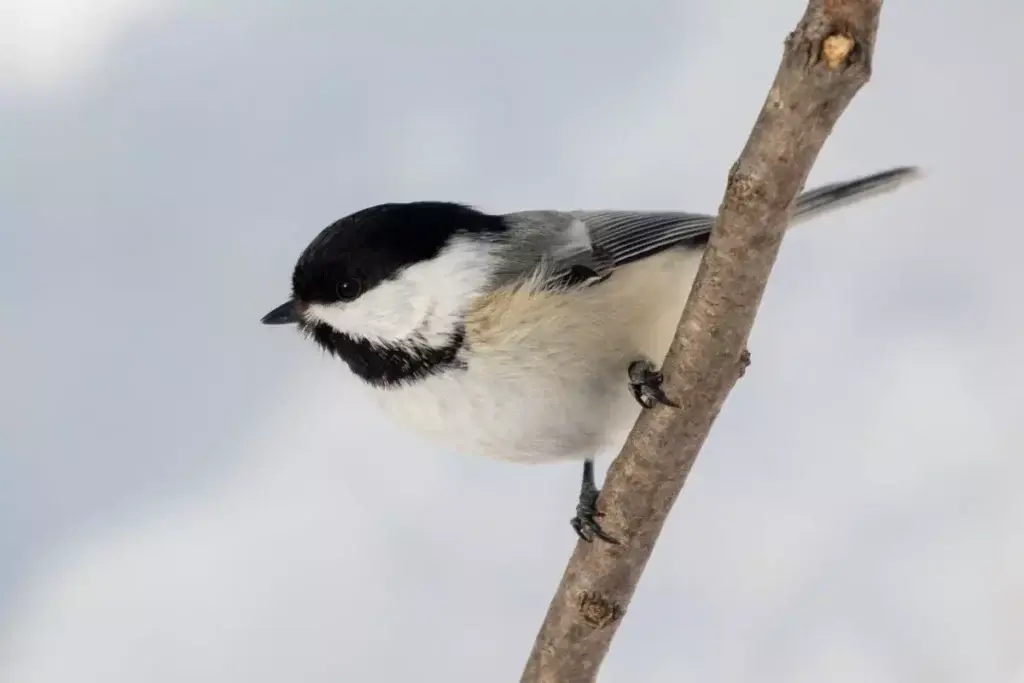
Even in the quietest part of an Interior winter, you’ll hear chickadees. Their soft “chick-a-dee-dee-dee” call carries through spruce forest when everything else feels frozen. They are small, quick, and constantly moving — one of the few birds that never leaves.
In Alaska, chickadees are year-round residents. While many species migrate south, chickadees stay and endure the long dark months.
Identification
Chickadees are small, round-bodied songbirds with quick movements.
-
Color: Gray back, pale underside
-
Head: Black cap and bib with white cheeks
-
Size: About 5–6 inches long
-
Flight: Short, darting hops between branches
They rarely sit still for long, often hanging upside down while inspecting bark for insects.
Where You’ll See Them in Alaska
Chickadees are common in:
-
Interior spruce forests
-
Mixed birch and boreal woodlands
-
Residential areas with trees
-
Southcentral forested regions
They adapt well to neighborhoods and frequently visit bird feeders in winter.
Seasonal Patterns
Chickadees remain in Alaska year-round.
-
Winter: Travel in small mixed flocks
-
Spring: Begin pairing and nesting in tree cavities
-
Summer: Raise broods in forested areas
They survive cold temperatures by fluffing feathers for insulation and lowering body temperature slightly at night.
In Interior communities, chickadees are often the most reliable winter bird at backyard feeders. Black oil sunflower seeds are especially attractive to them, and a simple hanging feeder can bring regular visits. Cold forest air can feel sharper when standing still, so even short birdwatching sessions in winter are more comfortable with insulated gloves and a warm outer layer.