
Climate & Weather in Alaska
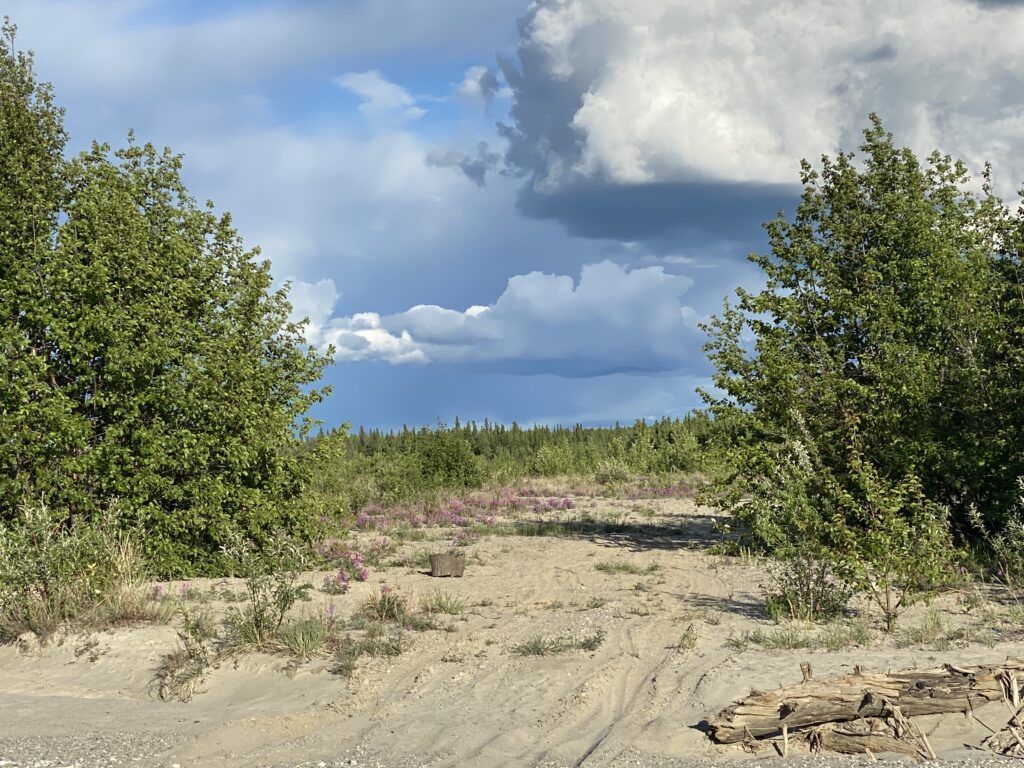
Alaska’s climate is shaped by size, latitude, and geography. Spanning more than 660,000 square miles, the state includes coastal rainforests, interior river valleys, Arctic tundra, and high mountain ranges—all of which experience weather very differently.
Rather than having one uniform climate, Alaska contains several distinct climate zones. Coastal regions are influenced by the Pacific Ocean, interior areas experience extreme seasonal temperature swings, and northern Alaska is governed by Arctic conditions. Elevation, proximity to water, and prevailing winds all play a role in how weather behaves from place to place.
Weather in Alaska is not just background scenery—it affects travel, wildlife movement, subsistence activities, infrastructure, and daily life. Understanding Alaska’s climate helps explain why environments look the way they do and why seasons feel so different depending on where you are in the state.
This page provides an overview of Alaska’s major climate patterns, how weather varies by region and season, and why these conditions matter.
Major Climate Patterns Found in Alaska
Alaska’s climate can be grouped into several broad patterns based on geography and location.
Coastal Maritime Climate
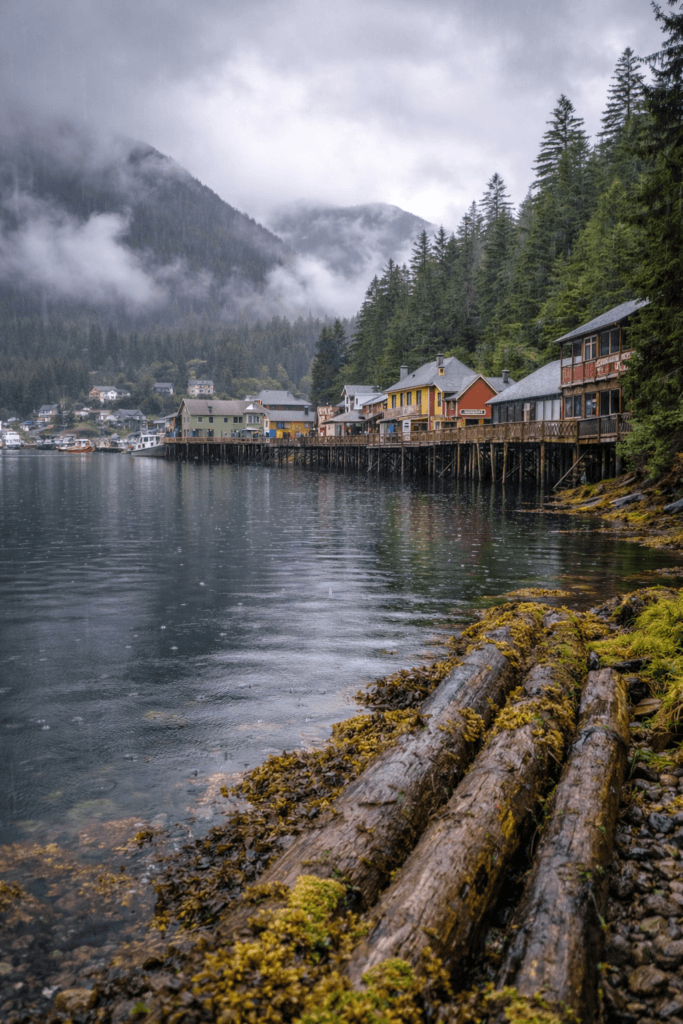
Coastal Alaska experiences a maritime climate strongly influenced by the Pacific Ocean. Temperatures tend to be milder year-round compared to inland areas, with cool summers and relatively warmer winters.
Rainfall is frequent, especially in Southeast Alaska, where temperate rainforests thrive around communities like Juneau and Ketchikan. Snowfall is common but often heavier and wetter than interior snow, and persistent cloud cover and moisture define much of the coastal weather pattern.
Interior Continental Climate
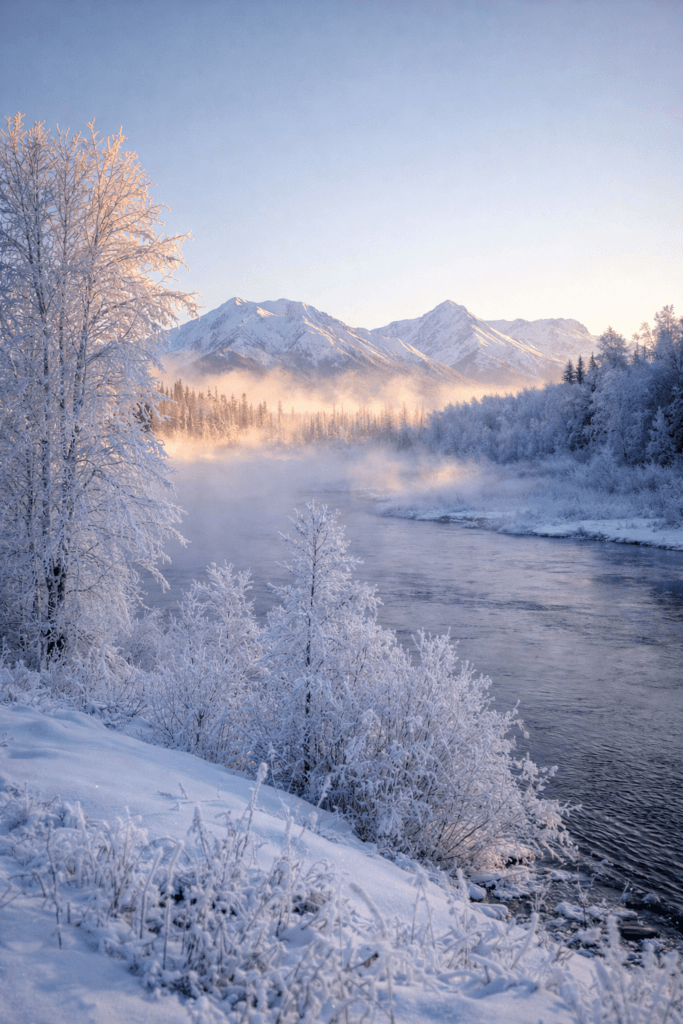
Interior Alaska has a continental climate marked by extreme seasonal contrasts. Summers can be warm and dry, while winters are long, dark, and intensely cold.
Areas such as Interior Alaska, including the Fairbanks region and surrounding river valleys, experience low overall precipitation but long-lasting snow cover. Clear winter skies and temperature inversions are common, contributing to cold-air pooling and phenomena like ice fog.
Arctic Climate
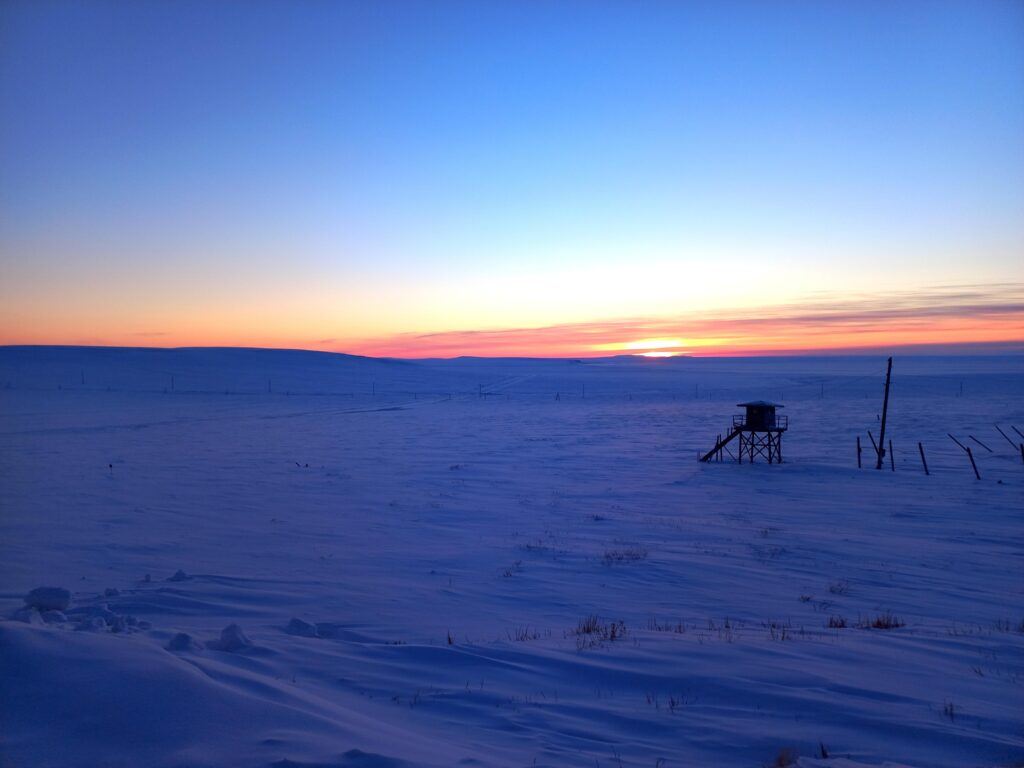
Northern Alaska lies within the Arctic climate zone, where conditions are shaped by latitude and sea ice. Winters are long and severe, with extended darkness, while summers are short, cool, and marked by continuous daylight.
The North Slope and coastal Arctic communities such as Utqiaġvik experience low precipitation, strong winds, and widespread permafrost. Even small temperature changes can have significant effects due to frozen ground and limited vegetation
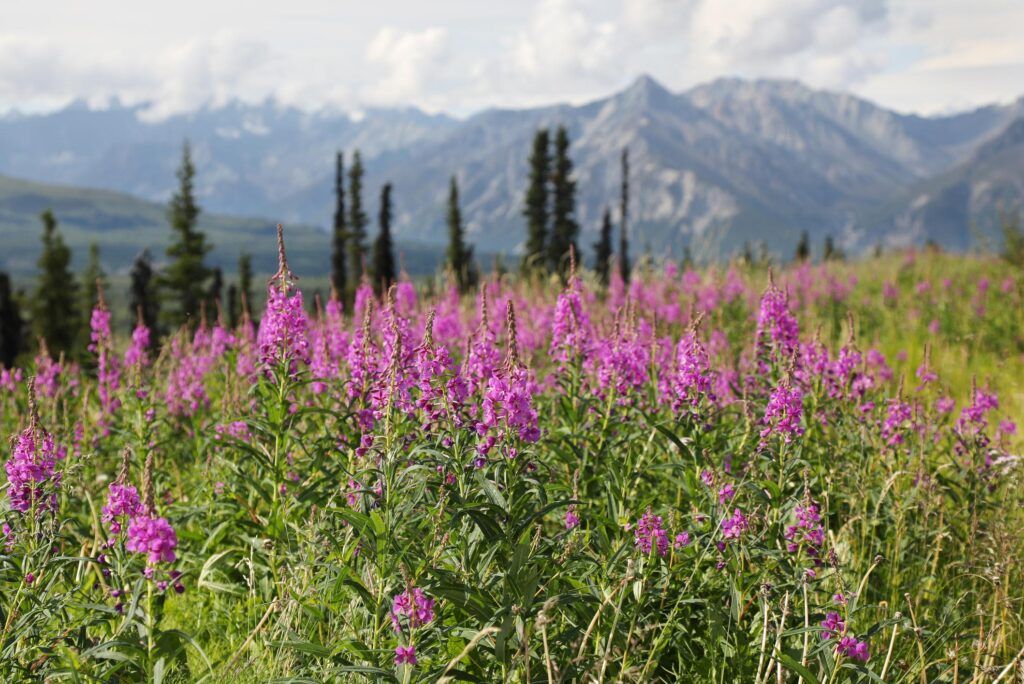
Alpine and Mountain Climate
High elevations throughout Alaska create alpine climate conditions regardless of latitude. Mountain weather can change rapidly, with colder temperatures, stronger winds, and increased snowfall.
Ranges such as the Alaska Range influence surrounding weather by blocking moisture, creating snow-heavy zones on windward slopes and drier conditions on the leeward side. These alpine conditions support glaciers, snowfields, and rugged high-elevation ecosystems.
Alaska’s climate patterns overlap and interact, producing local variations that can shift quickly across valleys, coastlines, and mountain passes—one of the defining characteristics of weather in the state.
Climate influences nearly every aspect of Alaska’s landscape and way of life.
Seasonal temperature changes control river freeze-up and breakup, affecting transportation and access. Snowpack and rainfall influence river flow, wildlife habitat, and vegetation growth. Coastal storms reshape shorelines, while interior cold snaps test infrastructure and daily routines.
Weather patterns also define Alaska’s ecosystems. Boreal forests, tundra, wetlands, and rainforests exist where climate conditions allow them to persist. Wildlife migration, plant growth cycles, and even insect populations are tied closely to temperature and seasonal timing.
For residents and visitors alike, understanding weather is essential. Travel plans, outdoor safety, and seasonal activities all depend on knowing how Alaska’s climate behaves.
Notable Climate and Weather Phenomena in Alaska
Alaska’s climate gives rise to several well-known natural phenomena that are closely tied to season and location. Each will be explored further on its own dedicated page:
Ice Fog
Breakup Season
Freeze-Up
Midnight Sun
Polar Night
Northern Lights
Chinook Winds
Coastal Storm Systems
Permafrost
Alaska Climate by Region
| Region | Examples | Climate Type | Summer | Winter | Best Time to Visit | What to Expect |
|---|---|---|---|---|---|---|
| Southcentral | Anchorage, Seward, Homer | Coastal / Maritime | 50–70°F, some rain | 10–30°F | May–September | Mixed weather, fast changes, wind + rain |
| Interior | Fairbanks, Denali, Healy | Continental | 60–85°F, dry | -20°F to -40°F | June–August (summer) / Sept–March (aurora) | Extreme temp swings, very dry cold |
| Southeast | Juneau, Ketchikan, Sitka | Rainforest / Maritime | 50–65°F, wet | 30–45°F | May–September | Consistent rain, mild temps |
| Southwest | Bethel, Bristol Bay | Tundra / Maritime | 45–65°F, windy | 0–25°F | June–August | Windy, cloudy, remote conditions |
| Western | Nome, Yukon Delta | Tundra / Maritime | 45–60°F, windy | -5°F to 20°F | June–August | Windy coastal weather, fog, harsh conditions |
| Arctic | Utqiaġvik (Barrow) | Arctic | 30–45°F | -10°F to -40°F | June–July (midnight sun) | Polar night, midnight sun, extreme cold |