
Rivers of Alaska
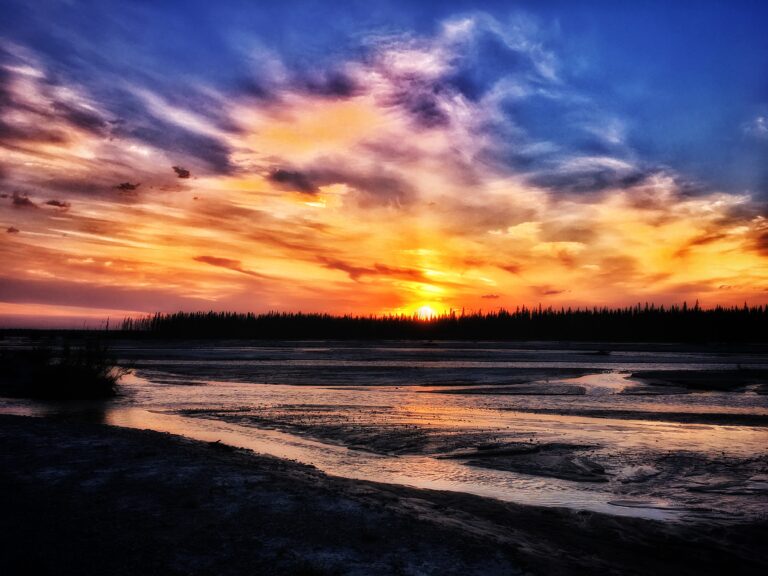
Alaska’s rivers are shaped by mountains, glaciers, rainfall, and seasonal change. They flow across nearly every region of the state, carrying meltwater, sediment, and life from high elevations to the sea. For much of Alaska, rivers are not just natural features but essential travel routes, food sources, and defining parts of the landscape.
Many of Alaska’s rivers are long, wide, and powerful, fed by snowpack and glacial melt. Others are smaller but still play an important role in connecting ecosystems and communities. River conditions can change quickly with weather, temperature, and season, especially during spring breakup and summer melt.
From coastal rainforest streams to massive interior river systems, rivers have shaped how Alaska looks, how people move, and how communities developed. This page provides an overview of the major types of rivers found in Alaska, where they flow, and why they matter across the state.
Types of Rivers Found in Alaska
Alaska’s rivers can be grouped by where they originate and how they are fed. Elevation, climate, and nearby glaciers all influence river behavior and flow patterns.
Glacial Rivers
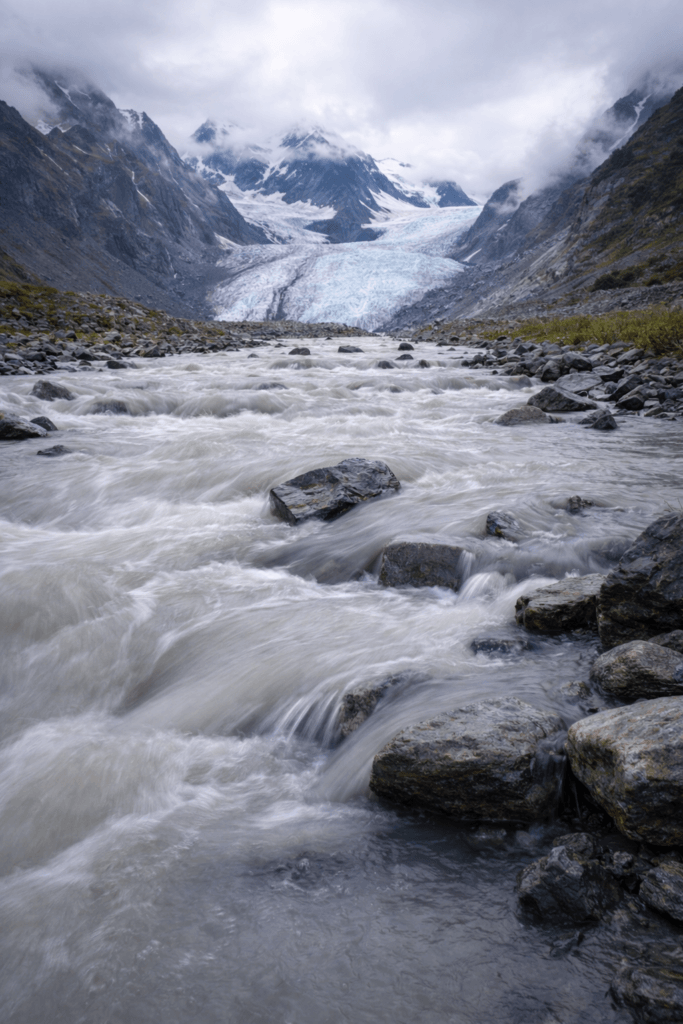
Glacial rivers are fed primarily by melting glaciers and snowfields. These rivers often appear cloudy or milky due to fine sediment, known as glacial silt, carried in the water.
Examples include the Matanuska River, which flows from the Matanuska Glacier, and the Copper River, one of Alaska’s largest and most sediment-rich river systems.
Snowmelt-Fed Rivers
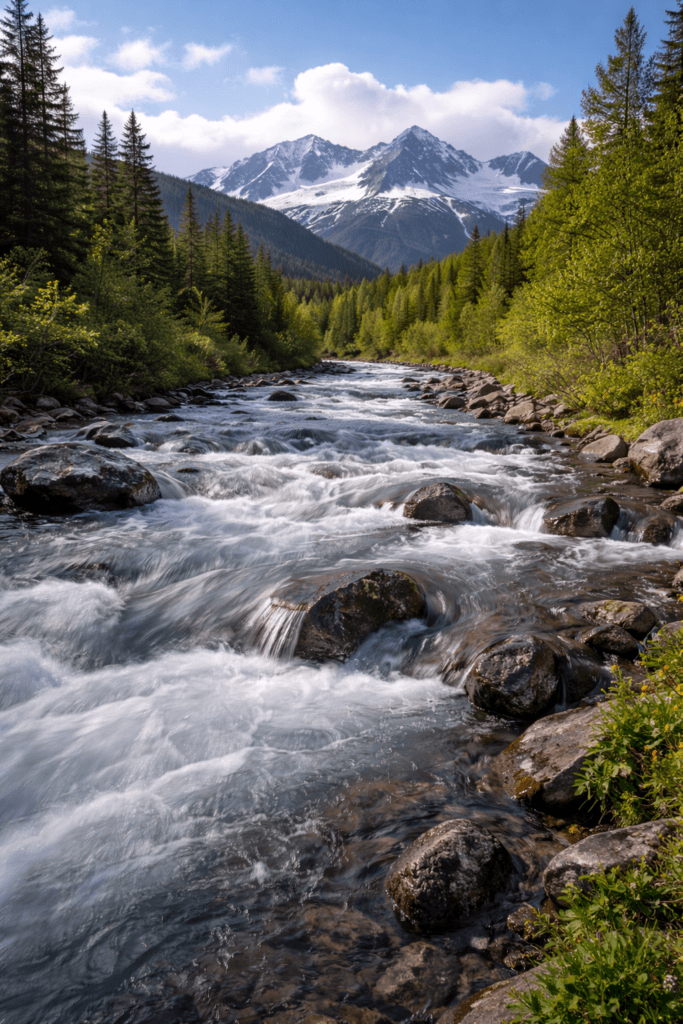
Snowmelt-fed rivers are supplied mainly by seasonal snowpack rather than active glaciers. Flow levels are highest in late spring and early summer as snow melts at higher elevations.
Examples include the Tanana River and sections of the Yukon River, which rely heavily on seasonal melt and rainfall.
Rain-Fed Rivers and Streams
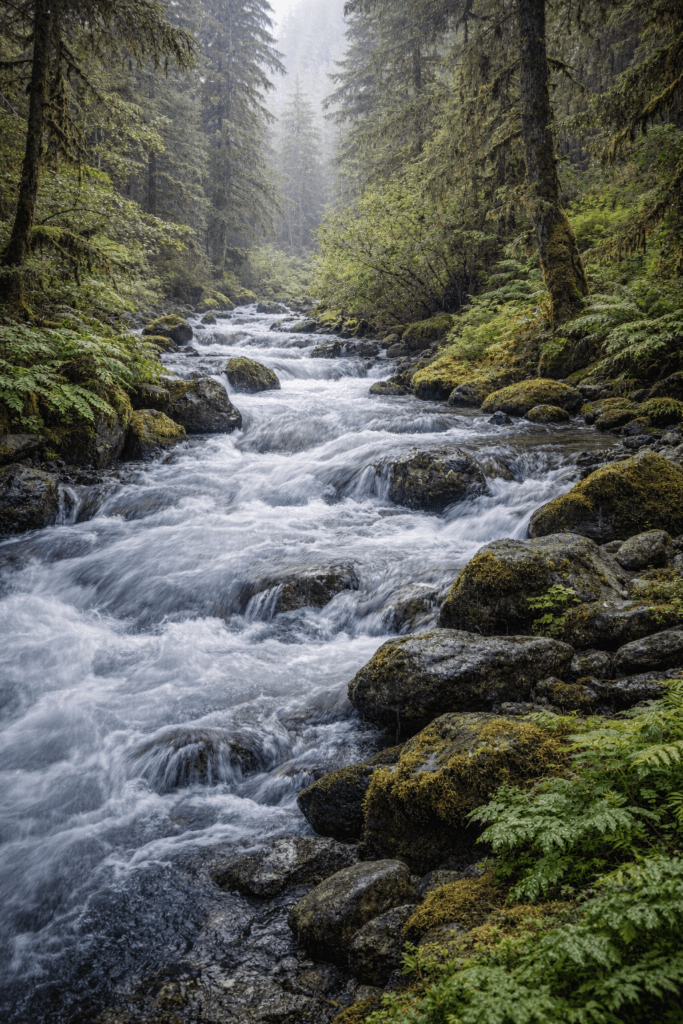
Rain-fed rivers and streams are most common in coastal regions where precipitation is high. These waterways respond quickly to rainfall and can rise or fall rapidly depending on weather conditions.
Examples include rivers in Southeast Alaska such as the Situk River and many smaller coastal streams that flow directly into the ocean.
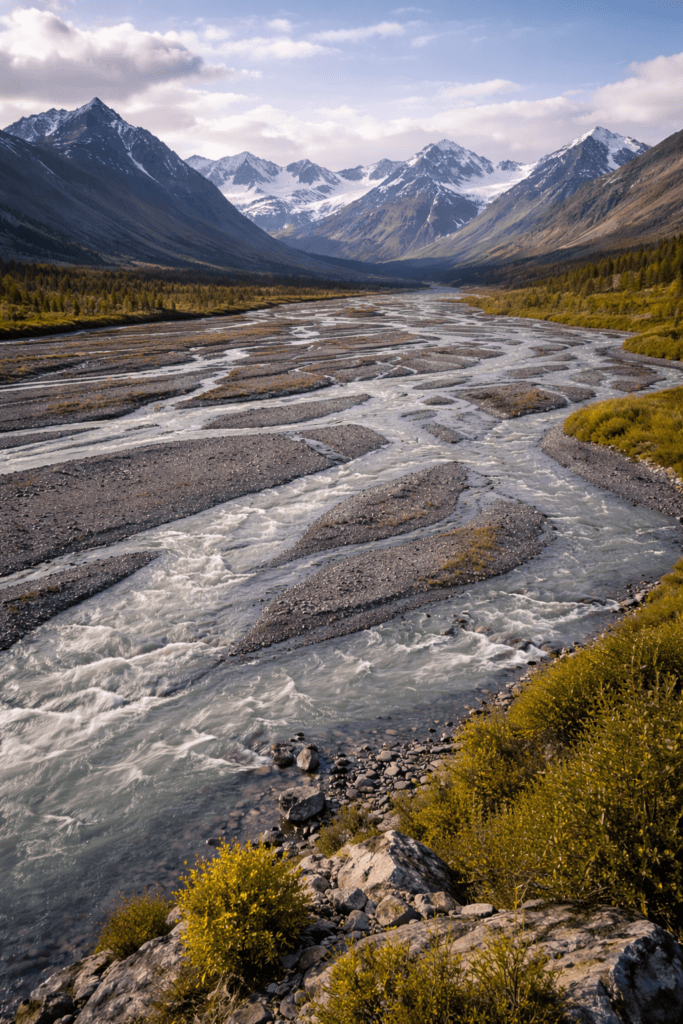
Braided Rivers
Braided rivers spread across wide gravel beds and divide into multiple shifting channels. These rivers are common in areas with heavy sediment loads and changing flow levels.
Examples include the Toklat River in Denali and stretches of the Knik River, where channels regularly change with melt and runoff.
Alaska’s rivers are closely tied to seasonal cycles. In winter, many rivers freeze solid, becoming travel corridors. In spring, breakup can cause flooding, ice jams, and rapid changes in flow. Summer brings peak water levels from snowmelt and glaciers, while fall often sees lower flows before freeze-up begins again.
Rivers support a wide range of ecosystems across Alaska. They provide habitat for fish, birds, and mammals and support some of the most productive fisheries in the state. Salmon runs, in particular, depend on healthy river systems and connect freshwater and marine environments.
Rivers have also played a central role in Alaska’s history and culture. Long before roads existed, rivers served as primary transportation routes. Many communities developed along riverbanks, and rivers continue to support subsistence, recreation, and daily life.
Alaska is home to thousands of rivers and streams, ranging from small creeks to massive river systems that stretch hundreds of miles. Some are well known and heavily traveled, while others remain remote and largely unchanged.
The following rivers serve as starting points for learning more about Alaska’s river systems. Each can be explored in greater detail on its own dedicated page.
Notable Rivers of Alaska
Yukon River
Kuskokwim River
Copper River
Susitna River
Tanana River
Koyukuk River
Noatak River
Kobuk River
Situk River
Colville River
Chena River