
Palmer, Alaska
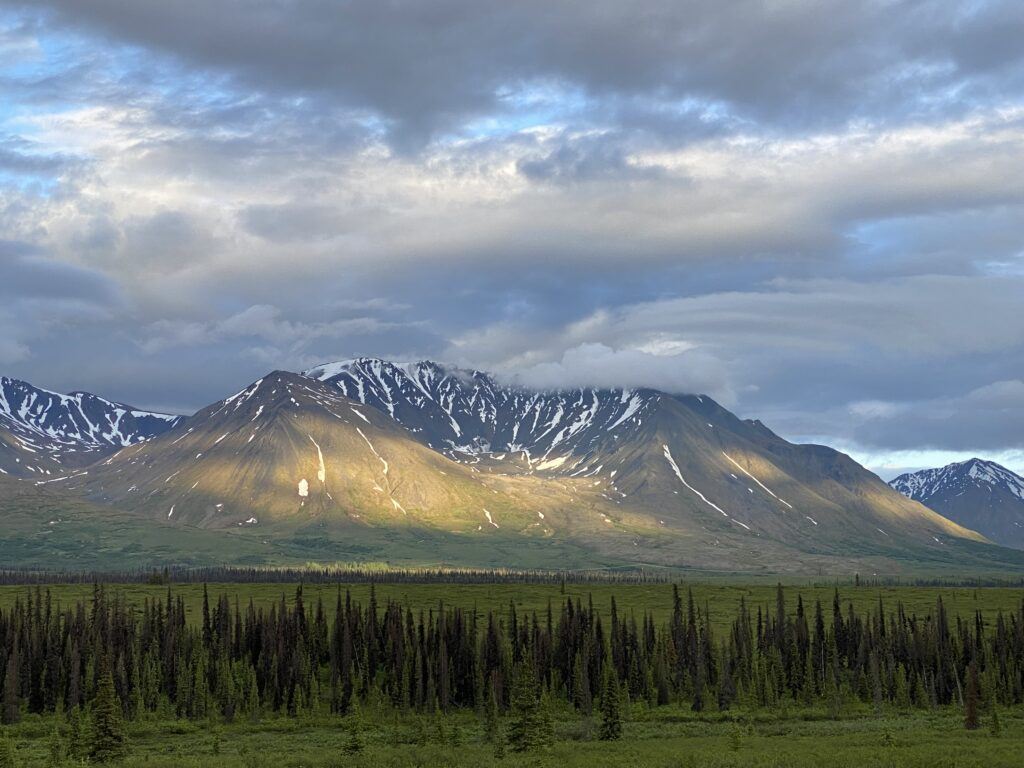
Palmer sits just 42 miles northeast of Anchorage, surrounded by wide fields, winding rivers, and sharp mountain peaks. It’s the kind of town where you might see a tractor rolling past a glacier or a moose grazing beside a vegetable farm. Palmer has maintained its small-town charm, rooted agricultural culture, and deep connection to the land since its founding in 1935 as part of the New Deal’s Matanuska Colony Project.
The Dust Bowl and the Great Depression uprooted countless farming families across the Midwest. In response, President Roosevelt’s administration launched the Palmer experiment: to resettle farm families from states like Minnesota, Michigan, and Wisconsin into Alaska’s fertile Matanuska Valley. They arrived by rail and ship, spent their first summer in a tent city, and were then assigned 40-acre tracts of land to cultivate. Life was harsh—cold, isolated, and logistically difficult—but their perseverance left Palmer with a one-of-a-kind agricultural identity. Unlike many Alaskan towns that rely on oil, fishing, or tourism, Palmer still thrives as the state’s agricultural heart.
Today, Palmer blends farming traditions with outdoor adventure. Hatcher Pass is just up the road with alpine trails and abandoned gold mine ruins. The Musk Ox Farm sits just outside town, home to one of the only domestic herds of this Ice Age animal in the U.S. In summer, roadside produce stands overflow with cabbages, carrots, and berries grown under Alaska’s midnight sun. From hiking trails and glacier views to coffee shops and goat-petting at the Saturday farmers market, Palmer offers a unique balance of community, history, and natural beauty.
Did You Know?
Palmer was built as part of the 1935 Matanuska Colony Project to help Dust Bowl–era Midwestern farm families relocate and cultivate Alaska’s farmland.
Some of the world’s largest vegetables—like 100+ lb cabbages—are grown here thanks to the long summer daylight.
The town hosts the Alaska State Fair, one of the biggest annual events in the state.
Palmer remains one of the few Alaskan communities with a true agrarian lifestyle.
You can visit a real Musk Ox Farm, preserving an Ice Age species and supporting the qiviut fiber industry.